Chance Barbour
Chance Barbour, the patriarch of the Park Avenue family that took in Theo Decker after his mother's death, was a man of immense charm, erratic energy, and a devastating, inherited bipolar disorder that ultimately destroyed him. His love for the sea was a consuming, almost mystical force, and his tragic death by drowning alongside his son Andy forms the dark culmination of a life marked by brilliance, instability, and a fatal inability to resist the water's call.
Identity and Background
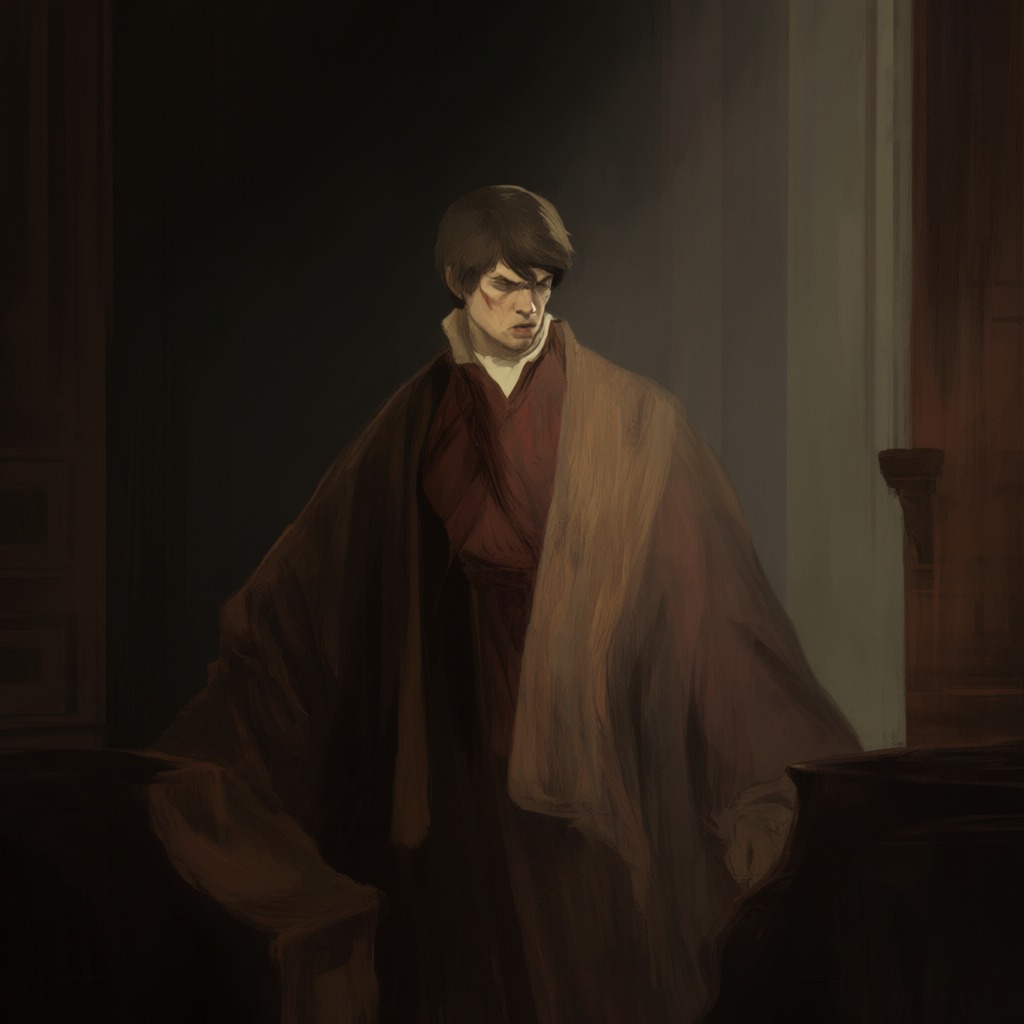
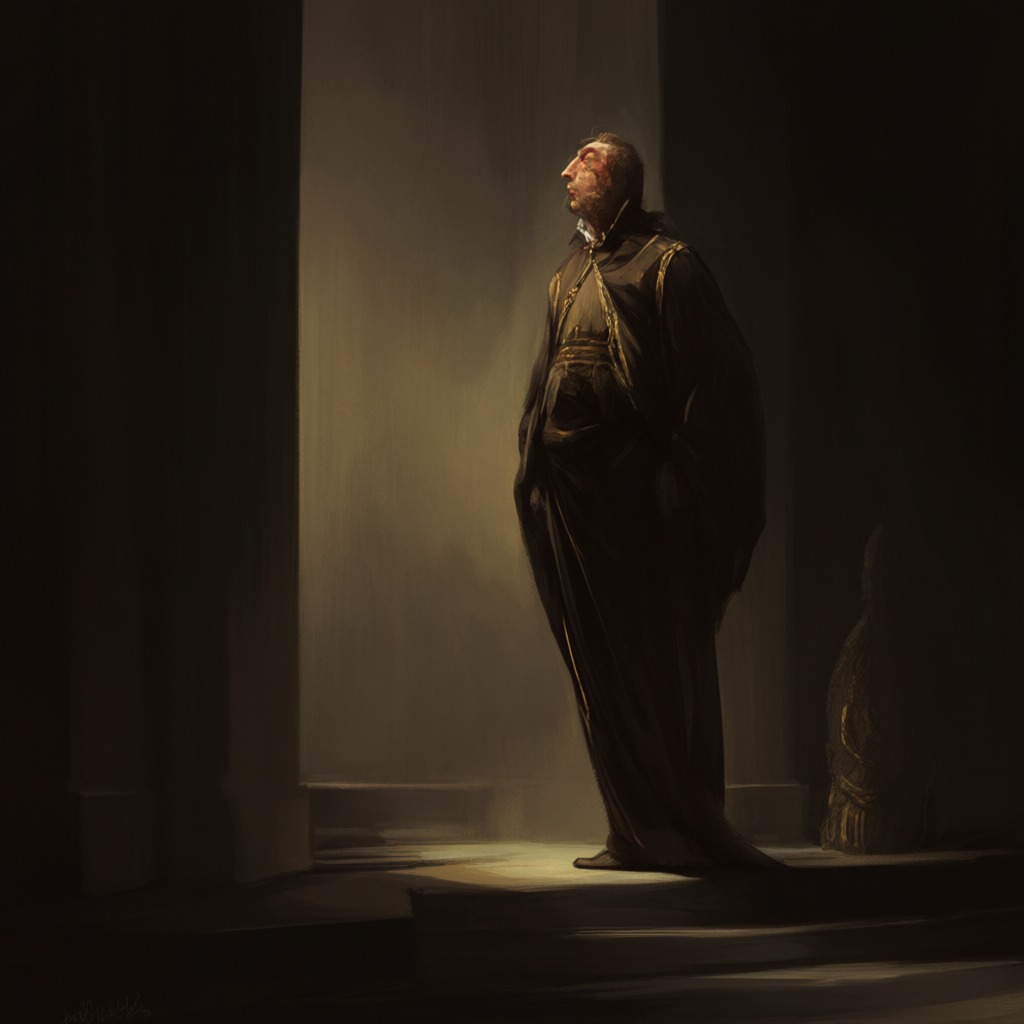
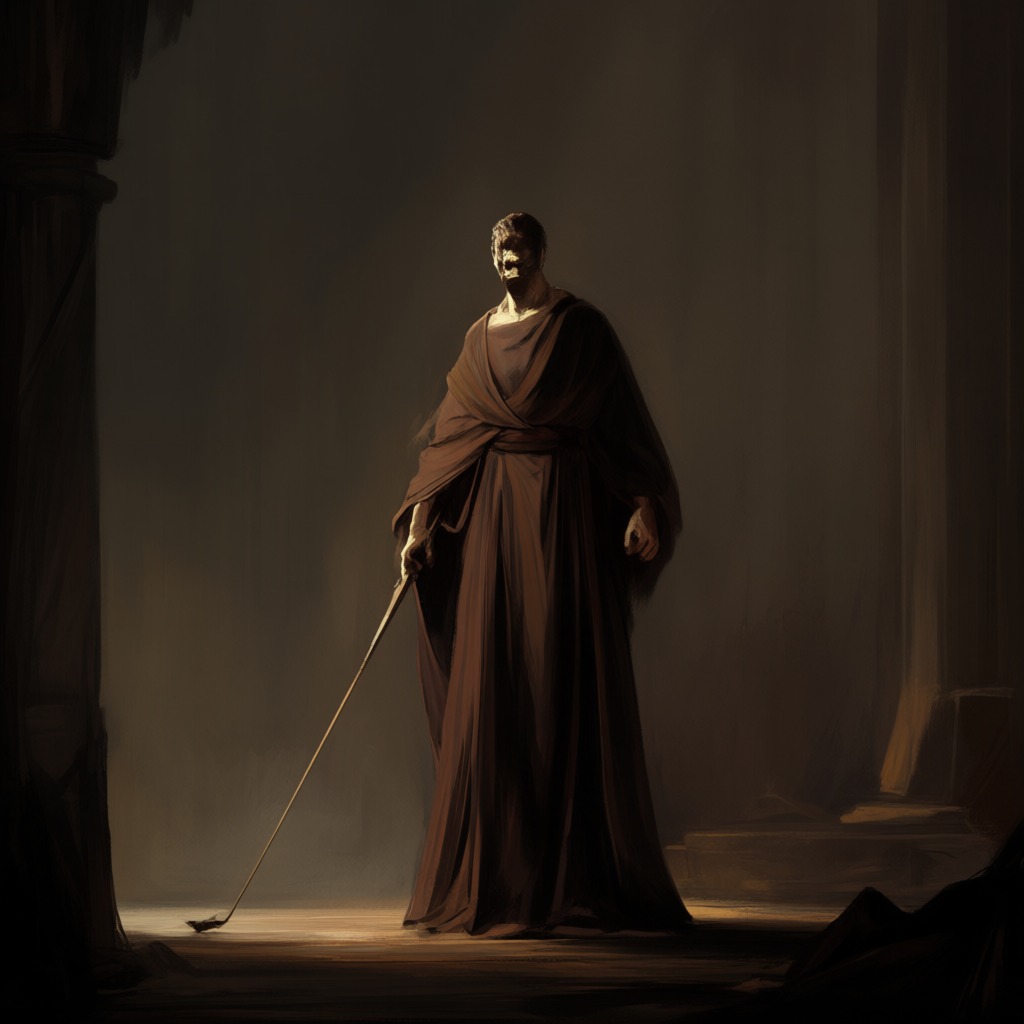
Chance Barbour was a Wall Street lawyer from a prominent old New York family, but his professional life was perpetually shadowed by his mental health. He had a "chemical imbalance" that first manifested during his first year at Harvard Law School, leading to a breakdown where he was arrested for starting a fire and had to be brought home by his grandfather. This episode was followed by a period of stability after his marriage to Samantha, during which he was a "lamb" and a "wonderful father." However, the illness was never cured, only managed. He was a man of pale, silvery appearance, with prematurely white hair and a boyish face, often described as looking like a "lesser founding father" or having an "amiable look." His personality was a study in contrasts: he could be a bemused, inattentive host who offered a "minor nip" to a grieving thirteen-year-old, or a maniacally enthusiastic sailor who dragged his terrified children into dangerous waters.
Life and Plot Trajectory
Chance's life was a cycle of mania and depression. His "enthusiasms" were legendary, ranging from writing an epic poem about a whaling ship to making embarrassing late-night phone calls and becoming "romantically obsessed" with a college intern. These episodes would lead to hospitalization—the "ding farm" as he called it—where he received shock treatments that would temporarily restore him. After his second major breakdown, he was never quite the same; he became irritable and unable to concentrate. In his final months, he took a leave of absence and went to a family island in Maine, ostensibly for the sea air. There, his mania escalated into full-blown psychosis, with him raving about "the flung spray and the blown fume" and the "empty spaces between the stars." His son Platt described him as being "in the wild blue yonder." It was in this state that he insisted on taking his boat out, leading to the fatal capsize that drowned both him and Andy.
Key Actions and Objectives
Chance's primary objective was always to get back on the water. He was a man who was "miserable" inland, always "pining for the water." His love for sailing was not a hobby but a compulsion, a need to be in the presence of the Atlantic. He saw the sea as his birthright, a source of freedom and life, and he was perpetually trying to instill this love in his sons, particularly Andy, who despised it. His actions were often driven by a manic, storm-giddy energy; he was known to sail into dangerous conditions, once being blown out to sea during a hurricane. His final act—taking Andy out on a choppy day despite his son's reluctance—was a tragic expression of this same reckless, all-consuming passion. He was also a man who, in his calmer moments, showed genuine kindness, as when he took Theo in after the museum bombing, offering him a place to stay and a "minor nip" to calm his nerves.
Relationships and Conflict
Chance's relationship with his son Andy was the central conflict of his domestic life. He was perpetually trying to make Andy into a sailor, a source of immense frustration for both of them. Andy's flat refusal to engage with the sea was a constant source of disappointment, leading to arguments where Chance would accuse his son of being "pigheaded" and denying his "birthright." Platt, the eldest son, was more capable on the water but also bore the brunt of his father's erratic behavior. Chance's relationship with his wife, Samantha, was strained by his illness; she was the one who managed the crises, who phoned a priest when he was lost at sea, and who ultimately retreated into a withdrawn widowhood after his death. To Theo, Chance was a figure of bemused, distant kindness, a man who offered comfort in his own awkward way but was ultimately too consumed by his own demons to be a stable presence.
Change and Ending
Chance Barbour's end was a direct consequence of his unmanaged mania. On a bright fall day, he took his boat out with Platt and Andy. When a swell hit, he lost his balance and fell overboard. As Platt and Andy tried to haul him back in, a wave capsized the boat. Chance, who had grown thin and had no body fat, succumbed to hypothermia in the fifty-three-degree water. His death was not an accident in the simple sense, but a tragic, almost inevitable outcome of his lifelong, fatal attraction to the sea. Platt later reflected on the family's history with water, noting that Chance's aunt had drowned herself and that his uncle had died trying to swim to the mainland. For Chance, the water was both "life" and "death," a source of joy and a siren's call that he could not resist.
Narrative Role and Evaluation
Chance Barbour serves as a powerful symbol of the destructive potential of unbridled passion and the tragic legacy of mental illness. He is a figure of immense pathos, a man who was both a loving father and a source of terror, whose greatest love—the sea—ultimately consumed him. His death, alongside Andy, is the final, devastating blow to the Barbour family, shattering the already fragile world that Theo had briefly known. He represents the instability and hidden darkness that lurks beneath the surface of even the most privileged lives, and his story serves as a cautionary tale about the dangers of ignoring the call of the abyss.