Mr. Pavlikovsky
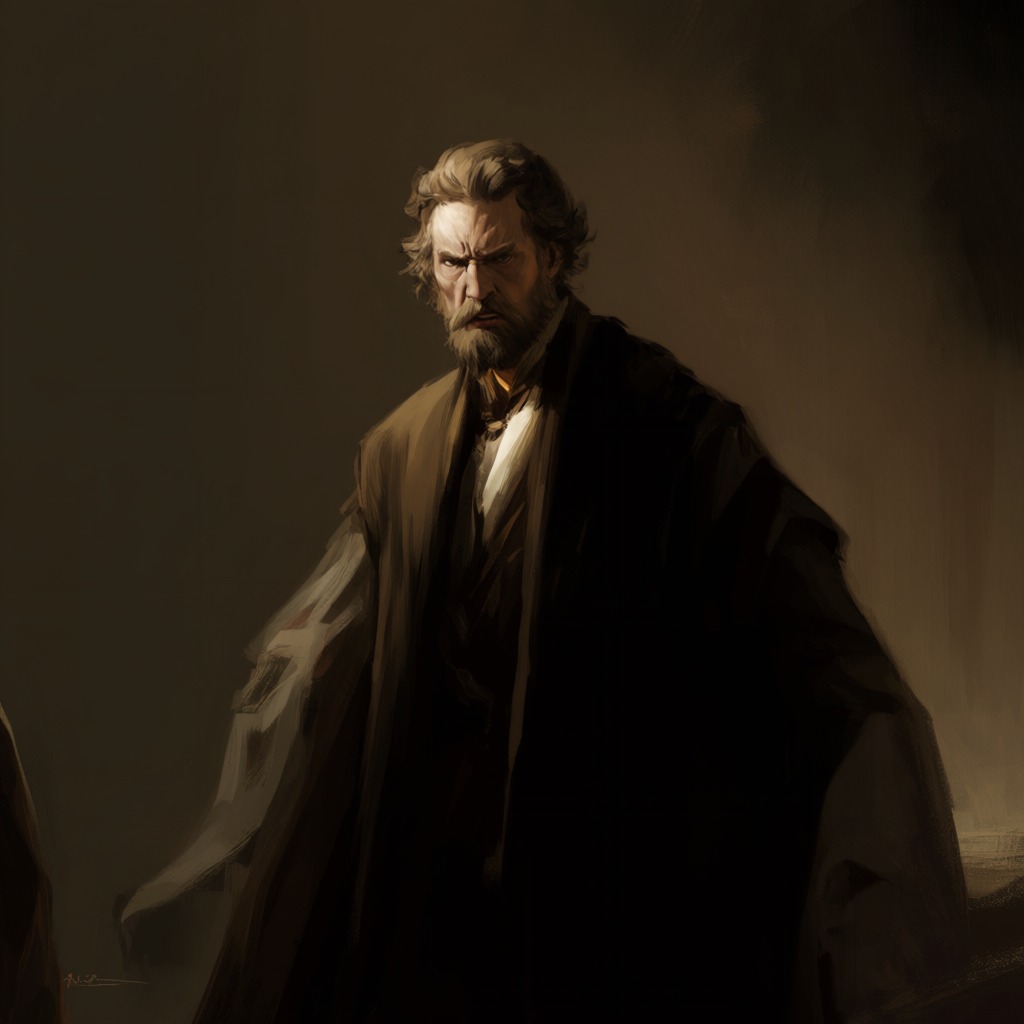
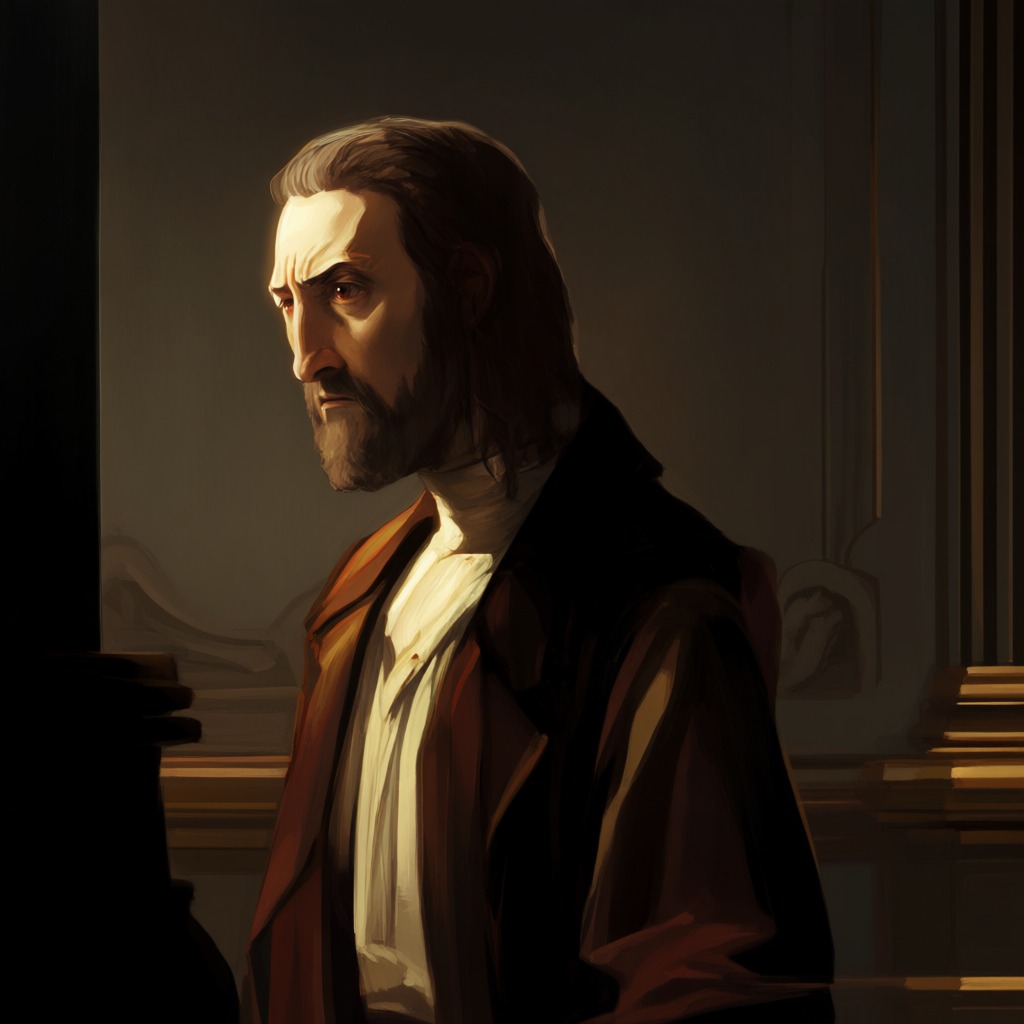
Mr. Pavlikovsky, Boris's father, is a Ukrainian national employed in mining and exploration, a job that takes him to remote sites around the world. He is a small, wiry man with a deceptive frailty, described as thin and pale as a starved poet, with a sunken chest and a sharp, intense face. His eyes are red-rimmed and evil, his teeth tiny and brownish, and he gives off an aura of bad temper that shimmers off him. Despite his shabby clothes, he wears expensive shoes and lots of gold jewelry, and he smokes incessantly, drinking endless cups of sugary tea. He is a man who has killed, having beaten a man to death with a pipe wrench down a mine in New Guinea, an act he tried to make look like an accident. Boris, who witnessed this, reports it with a chilling matter-of-factness, and the gesture of bringing down an imaginary wrench carries the ring of truth.
Life and Violence
Mr. Pavlikovsky's life is defined by his work and his drinking. He is often on site in the middle of nowhere for weeks at a time, staying filthy drunk with his crew. When he returns home, he is unpredictable and dangerous. He beats Boris savagely, once with a cane, cracking him across the face and knocking him to the ground, leaving him with a swollen eye and a gash on his forehead. Another time, he broke one of Boris's ribs. Boris, in turn, once tried to kill him by locking him out in the Ukrainian winter, hoping he would die in the snow. Mr. Pavlikovsky survived, brought home by a woman, and returned with a soccer ball, claiming he would only drink beer from then on—a resolution that lasted about a month. His violence is fueled by alcohol; he is often so drunk he doesn't know who he is hitting, and he weeps and apologizes the next morning. He suffers from peripheral neuropathy, a condition that has left the nerves dead in his feet, a consequence of his heavy drinking, and he had to be taught to walk again in a Canadian hospital.
Relationship with Boris
The relationship between Mr. Pavlikovsky and Boris is a cycle of abuse, neglect, and a twisted form of care. He leaves Boris alone for long stretches, providing money only sporadically, and his presence is a source of terror. Yet, he also expresses a rough affection, telling Theo that Boris is part of their family and thanking him for letting Boris into his home. He is capable of moments of maudlin sentiment, pulling Theo into a solid embrace and blessing him. Boris, for his part, is fiercely independent, signing his own report cards and shoplifting food, but he also understands his father's world. He knows that his father's job is a cover for something more sinister, and he is aware of the danger of deportation back to Ukraine, a fate he would rather die than face. The father's influence is profound; Boris's own drinking, his casual violence, and his cynical worldview are all echoes of Mr. Pavlikovsky's character.
Narrative Role and Significance
Mr. Pavlikovsky serves as a dark mirror to Theo's own father, Larry Decker. Both are alcoholics, both are absent and abusive, and both leave their sons to fend for themselves. However, Mr. Pavlikovsky is a more extreme and overtly violent figure, a product of a harsher, more lawless world. He embodies the brutal, survivalist ethos that Boris has internalized, an ethos that values loyalty and strength above all else. His presence in the novel underscores the theme of inherited trauma and the cyclical nature of violence, showing how a father's cruelty can shape a son's entire worldview and set him on a path of self-destruction and desperate, amoral survival. He is a ghost from Boris's past, a constant reminder of the world of poverty, violence, and corruption that Boris has escaped but can never fully leave behind.