Patton's Third Army
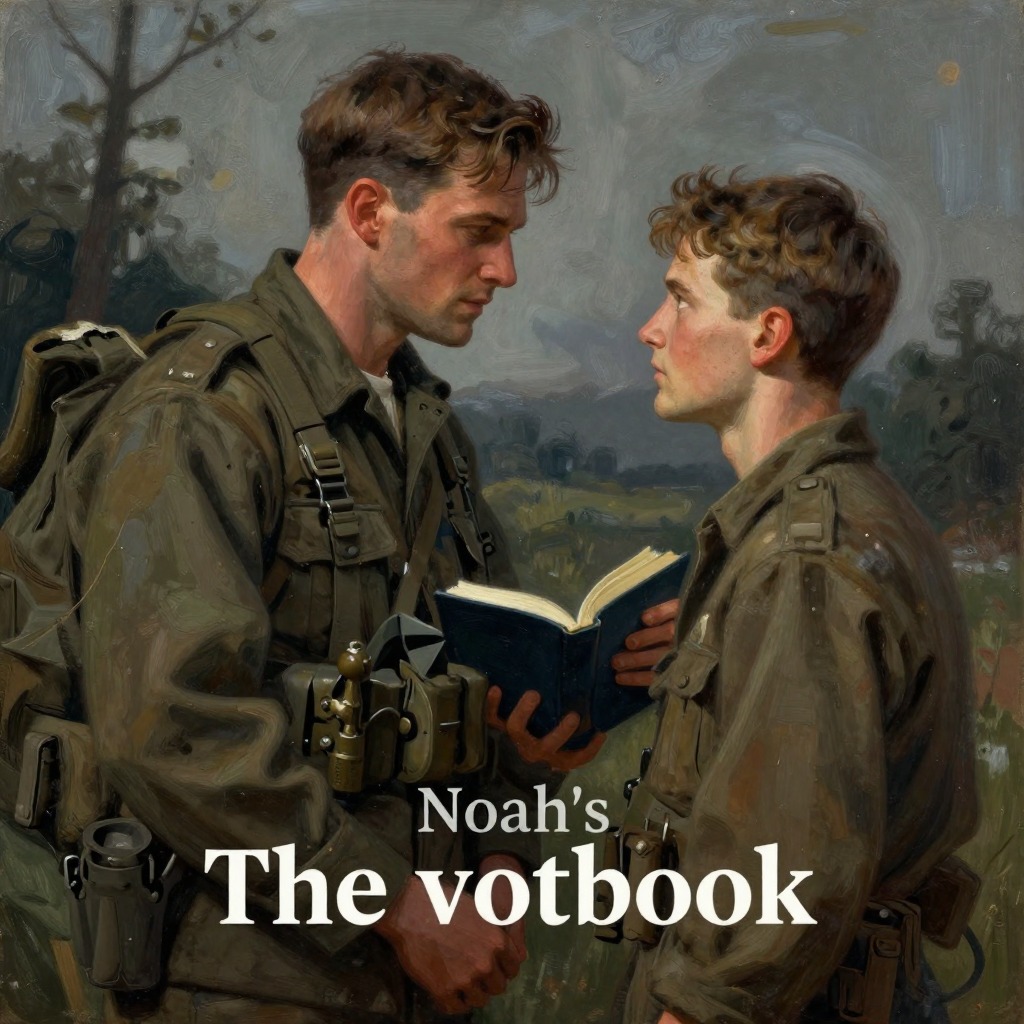
Patton's Third Army is the military formation with which Noah Calhoun served for three years during World War II, an experience that took him from the deserts of North Africa to the forests of Europe and left an indelible mark on his character. The army, commanded by the legendary General George S. Patton, was one of the most aggressive and effective fighting forces in the European theater, and Noah's service with it placed him at the heart of some of the war's most intense engagements. For Noah, a quiet man who had spent his youth exploring the Croatan Forest and reading poetry on the banks of Brices Creek, the years with Patton's Third Army represented a brutal immersion into a world of violence and loss that stood in stark contrast to everything he had known before.
Service and Combat Experience
Noah enlisted in January 1942, shortly after the United States entered the war, and spent the next three years with Patton's Third Army, tramping through deserts in North Africa and forests in Europe with thirty pounds on his back. His infantry unit was never far from action, and he witnessed the death of friends around him, watching as some of them were buried thousands of miles from home. The war was a crucible that tested him physically and emotionally, forcing him to confront the fragility of life and the randomness of death in ways that would stay with him long after the fighting ended. The scar on the side of his face, which Allie notices during their reunion, likely dates from this period, though he never discusses it with her, partly because she does not want to imagine him being hurt.
Contrast with Post-War Life
The war's end in Europe, followed a few months later by the end in Japan, brought Noah's military service to a close, but the memories of what he had seen and endured did not fade. When he returned to New Bern and began restoring the old plantation house on Brices Creek, he carried with him the knowledge of what men were capable of doing to one another, a knowledge that deepened his appreciation for the simple, natural sounds he had longed for during the war—the crickets, the rustling leaves, the "God's music" his father had promised would take him home. The war had shown him the aggressive, dominating side of human nature, confirming his belief that man had always been that way, but it had also taught him to value the peace he had found. His service with Patton's Third Army thus became a defining chapter in his life, one that separated the young man who had fallen in love with Allie from the older, more cautious man who rebuilt a house and waited for a ghost.
Narrative Significance
In the larger story of Noah and Allie, Noah's war service with Patton's Third Army functions as a period of trial and transformation that he must survive before he can earn the life he ultimately builds. The war years are the time when he loses contact with Allie completely, when the letters he writes go unanswered and he forces himself to accept that their summer together was all they would ever share. Yet the war also brings him the financial means to buy the house he had dreamed of as a young man, through the inheritance from Morris Goldman, and it gives him a perspective on life that makes him value every moment he later spends with Allie. The army is thus both a source of trauma and a necessary passage, a crucible that forges the man who will eventually sit on a porch and read poetry to the woman he loves, even when she no longer remembers who he is.