
The Dark Force
The SandmanTraces the theme of the dark force that Nathaniel believes controls his life.
increasing Bearing strength in each event
 decreasing
Bearing strength in each eventdecreasingNathaniel's belief in dark forces
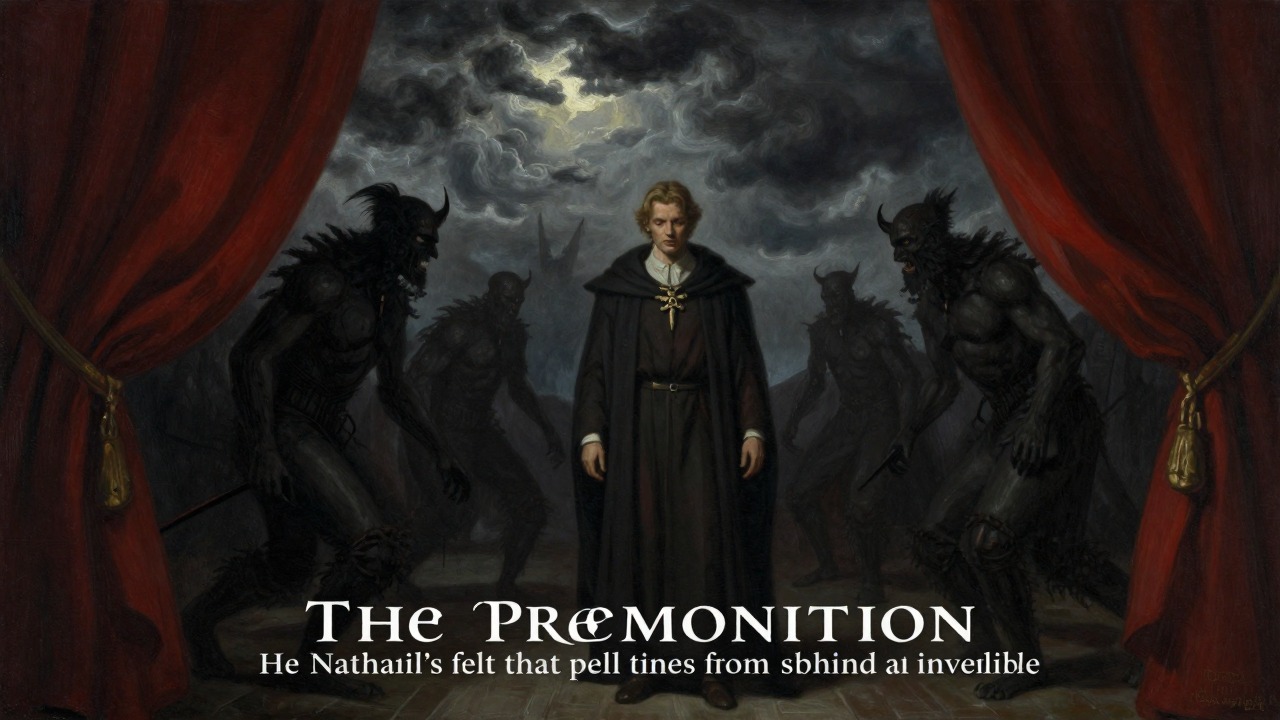
The Supernatural Worldview
The Premonition
Nathaniel felt that dark clouds were casting a pall over his life. He believed in a terrible fate.
The Explanation
He argued that dark forces pull the strings from behind an invisible curtain. He saw Coppelius as the incarnation of evil.
The Conflict with Clara
Clara argued that such forces only exist if we believe in them. This became a central philosophical debate.
The poem about the dark influence
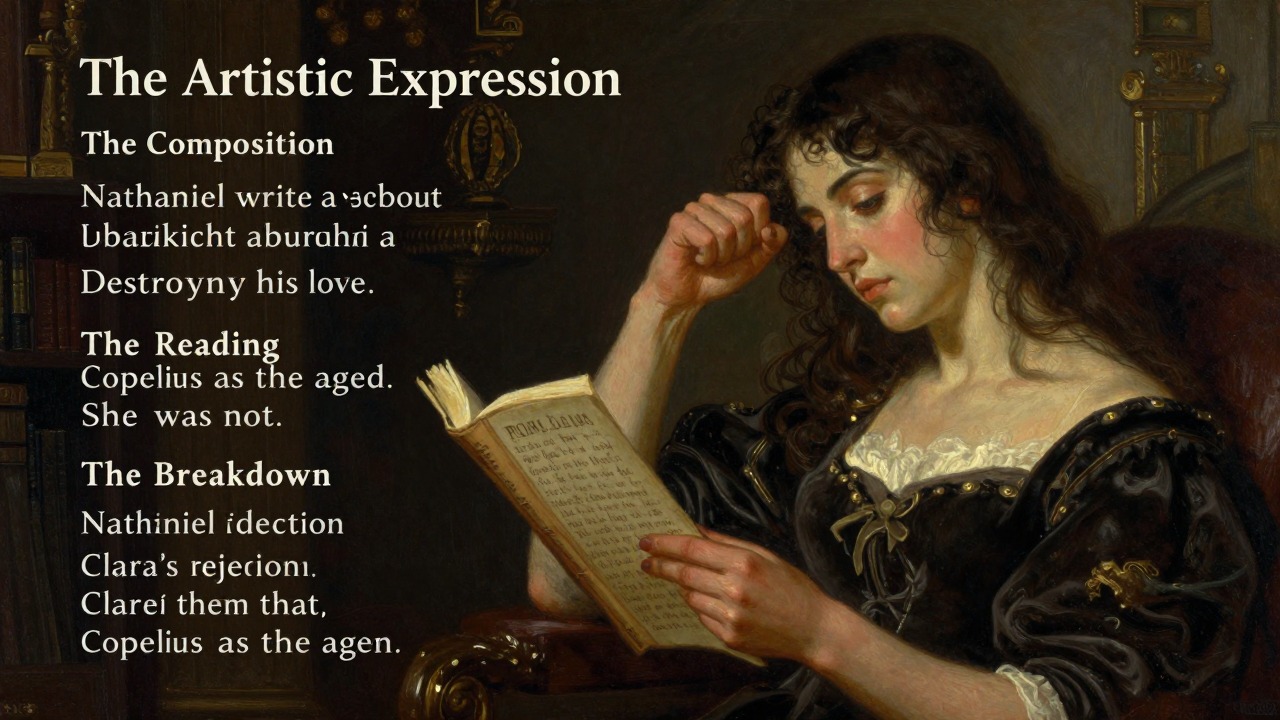
The Artistic Expression
The Composition
Nathaniel wrote a poem about a dark fist destroying his love. He saw Coppelius as the agent.
The Reading
He read the poem to Clara, expecting her to be moved. She was not.
The Breakdown
Clara's rejection deepened Nathaniel's belief that she was under the influence of a prosaic spirit, not the dark force.
Coppelius as the dark force
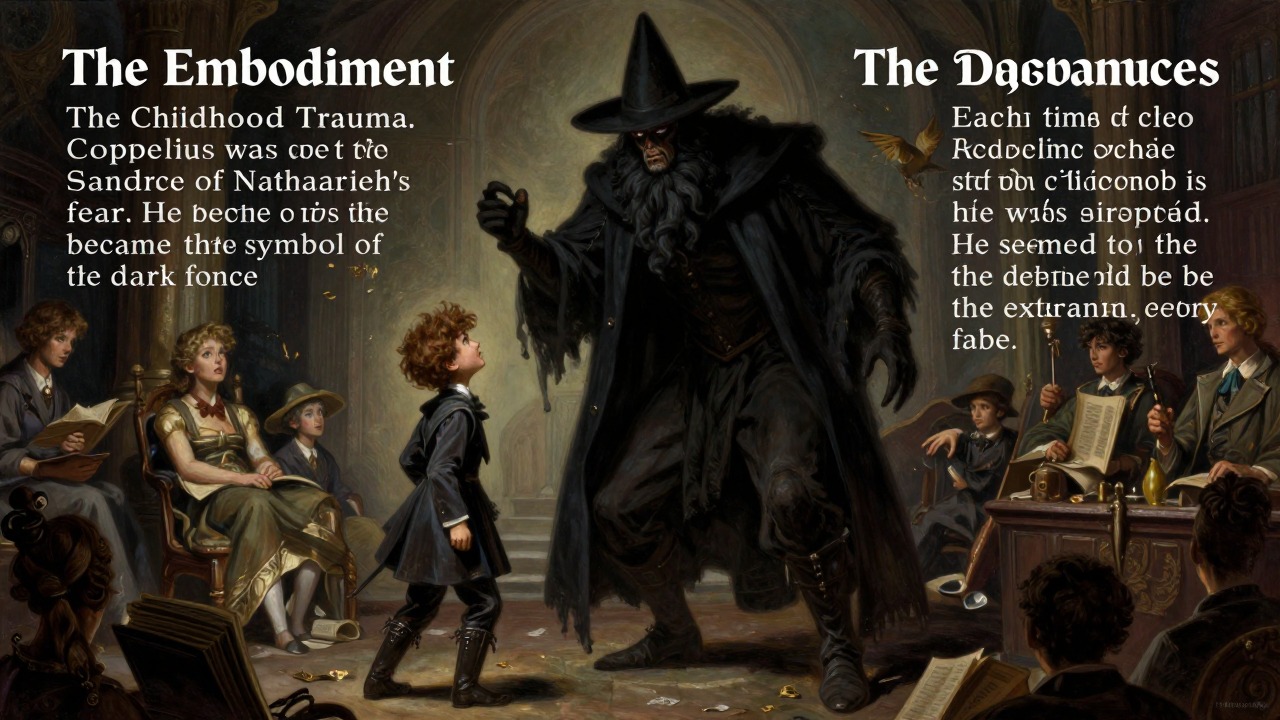
The Embodiment
The Childhood Trauma
Coppelius was the Sandman, the source of Nathaniel's fear. He became the symbol of the dark force.
The Recurring Appearances
Each time Coppelius appeared, Nathaniel's life was disrupted. He seemed to be the external agent of fate.
The Destruction
Coppelius's presence at the tower triggered Nathaniel's suicide. The dark force won.
The rational counterargument
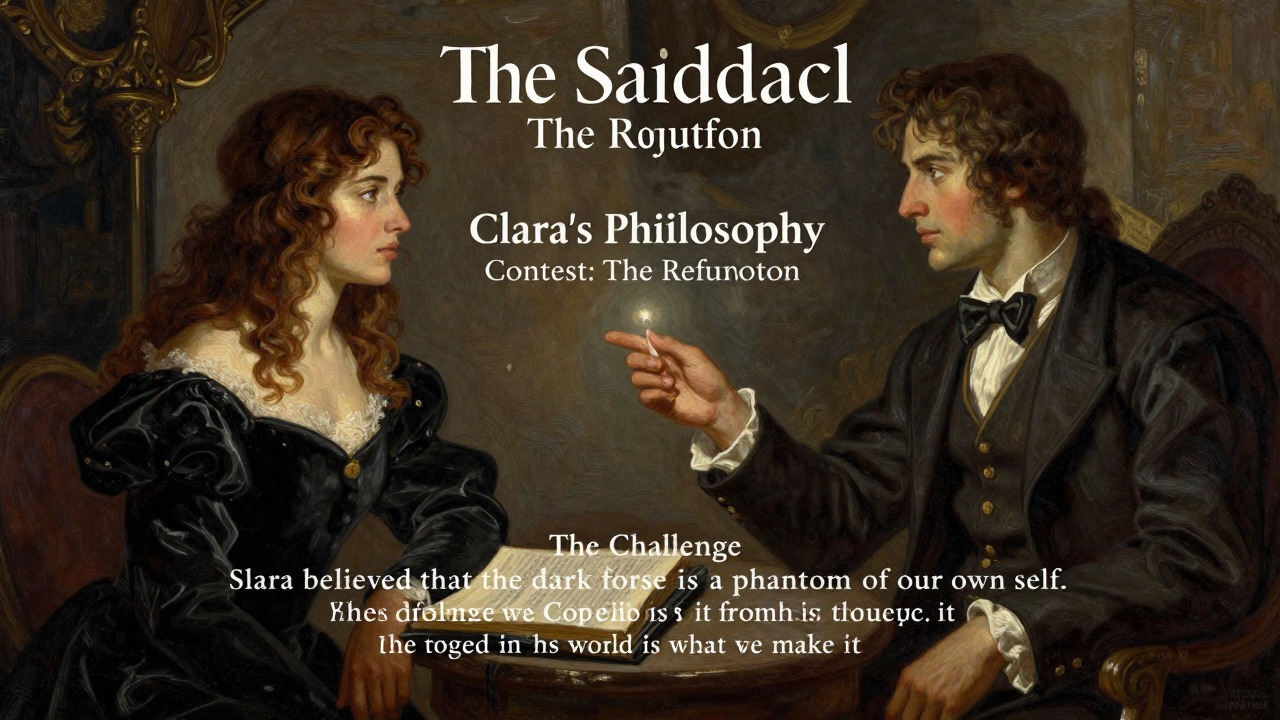
The Refutation
Clara's Philosophy
Clara believed that the dark force is a phantom of our own self. If we recognize it as such, it loses power.
The Challenge
She challenged Nathaniel to banish Coppelius from his thoughts. She argued that the real world is what we make it.
The Unresolved Debate
The story leaves the question open. Is the dark force real or a projection? Nathaniel's death suggests the power of belief.
After the return of Coppelius
During Nathaniel's visit home
Throughout the story
Clara's letters and conversations
