early in the first summer
The Lighthouse Promise
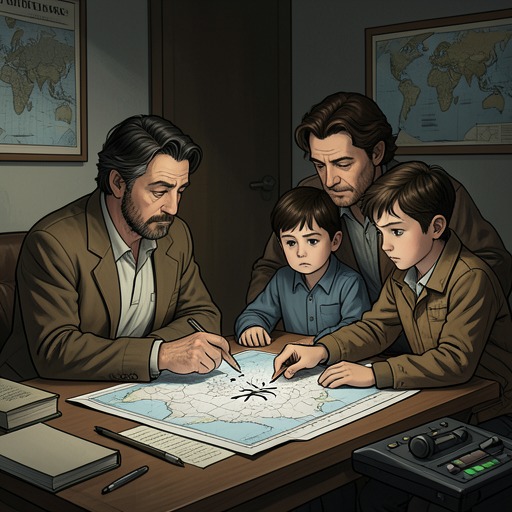
Six-year-old James Ramsey cuts pictures from a catalog while Mrs. Ramsey promises that, if the weather is fine, they may sail to Lighthouse the next day. The prospect fills him with joy, which sharpens into fury when Mr. Ramsey bluntly predicts bad weather and dismisses the hope as
the same afternoon
Tansley Confirms the Forecast
[Charles Tansley](entity:character-recall-character-charles-tansley-3d4dfc28a37a), walking with Mr. Ramsey, confirms that the wind is due west and therefore makes landing at Lighthouse unlikely. The children resent his needless certainty, while Mrs. Ramsey rebukes them for mocking a guest she has invited and feels responsible for protecting
later that afternoon
Mrs Ramsay Takes Tansley to Town
When the others leave, [Charles Tansley](entity:character-recall-character-charles-tansley-3d4dfc28a37a) is awkward and excluded, Mrs. Ramsey invites him to accompany her on errands in town. Her attention makes him recover his confidence; he tells her about his poor family, his hard work, and his inability to return the hospitality he receives
during the walk to town
Tansley Sees Mrs Ramsay’s Beauty
In a small house in town, [Charles Tansley](entity:character-recall-character-charles-tansley-3d4dfc28a37a) waits while Mrs. Ramsay visits a woman. When she returns, he is suddenly overcome by her beauty, and the walk home fills him with pride at being seen beside her. The episode reveals how her presence can transform even a resentful
the same afternoon
Lily Begins Her Painting
[Lily Briscoe](entity:character-recall-character-lily-briscoe-9389fe066453) paints Mrs. Ramsay seated with [James Ramsay](entity:character-recall-character-james-ramsay-a9ed621b5e9a), trying to preserve the vivid colours and shapes as she sees them rather than imitate fashionable, pale effects. Yet the passage from vision to canvas frightens her, and the thought of her own inadequacy and of the
late afternoon
Bankes and Lily Walk Together
William Banks joins Lily Brisco beside her easel, and the two walk toward the bay. Bankes recalls his old friendship with Mr. Ramsay and wonders how marriage and family life have changed his former friend; Lily, meanwhile, sees how incompatible impressions of a person can coexist
during the walk through the orchard
Bankes Weighs Ramsay’s Work
Bankes describes Mr. Ramsay as a serious philosopher whose early work made a lasting contribution, though his later writing may repeat it. Lily imagines the abstract problem of Ramsay's philosophy as a scrubbed kitchen table, then turns over contradictory judgments of both men: Bankes's impersonal goodness
late afternoon, before dinner
Ramsay’s “Some One Had Blundered” Episode
Mr. Ramsay, absorbed in reciting a poem about the Charge of the Light Brigade, is startled when [Lily Briscoe](entity:character-recall-character-lily-briscoe-9389fe066453) and William Banks unexpectedly see him. Ashamed of being caught in an emotional performance, he retreats behind his private door, while the two visitors sense that they have intr
the same evening
The Stocking Is Too Short
Mrs. Ramsey measures the reddish-brown stocking she is knitting for the lighthouse keeper’s sick son against James Ramsey’s leg and discovers that it is too short. Her brief sadness opens onto the mystery of her private inner life, which others admire but cannot fully know
the same evening
Ramsay Seeks Reassurance
After another bout of self-doubt, Mr. Ramsey approaches his wife needing sympathy, but first tries to restore himself through a grand vision of intellectual progress from Q toward R and, ultimately, Z. He imagines himself as an honest, enduring thinker rather than a genius, yet fears that he
moments after Ramsay’s crisis
Mrs Ramsay Comforts Her Husband
Mr. Ramsay admits that he is a failure and asks for sympathy. Mrs. Ramsay reassures him by invoking [Charles Tansley](entity:character-recall-character-charles-tansley-3d4dfc28a37a)'s admiration and restoring the imagined warmth and fullness of their household; he leaves calmer, while she is left exhausted and uneasy about the emotional labour and conceal
after the children go to bed
Mrs Ramsay’s Private Solitude
Alone with her knitting, Lady Ramsay feels herself withdraw into a private, dark core of being that no family role can exhaust. Watching the lighthouse's long, steady beam, she experiences a moment of happiness and stillness, then rejects the religious phrase that rises to her lips because she cannot
later that evening
Ramsay’s Walk with His Wife
Mr. Ramsay and Mrs. Ramsay walk together in the garden and talk about their children, their guests, and ordinary worries. They differ over scholarships and the children's future, but their familiar teasing and physical closeness briefly restore the intimacy that neither can easily put into words
late afternoon, before dinner
Minta Loses Her Brooch
On a walk to the shore, Minta Dower and Paul Ralei draw close while Nancy Ramsey and Andrew Ramsey explore separately. Nancy unexpectedly comes upon the couple kissing; later, Minta discovers that her grandmother's brooch has disappeared, and the party searches the shore as the tide rises
the walk back from the beach
Paul Decides to Propose
As he comforts the distraught Minta Dower, Paul Ralei privately resolves to find the lost brooch at dawn or replace it. He understands their closeness as a turning point and credits Mrs. Ramsay's belief in him with giving him the courage to ask Minta to marry him
just before dinner
The Engagement Is Understood
Mingta Dora and Paul Raley came back late. Mrs. Ramsey saw from their manner that this confirmed that he had proposed, and she had accepted. Paul silently signaled, and the decisive step was prompted by Mrs. Ramsey's encouragement; at the same time, while at home preparing dinner
that evening
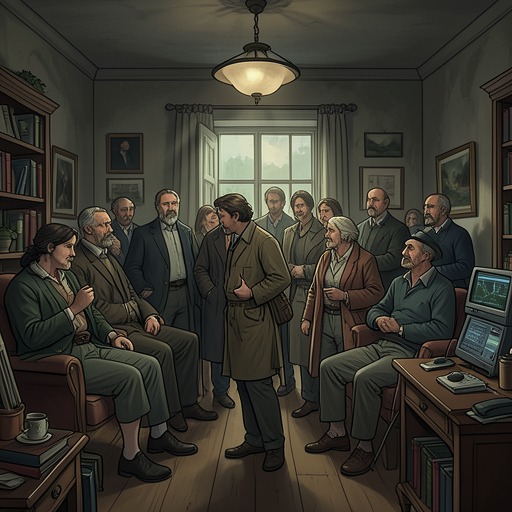
The Dinner Party Begins
Mrs. Ramsay sat at the head of the table, hosting the dinner she had carefully arranged, but at first she felt tired, detached, and unsure of the meaning of her life. She gradually revived her familiar hospitality, bringing the scattered guests together for a meal, and eased William Banks' discomfort
during dinner
Lily Resists Tansley’s Insult
[Charles Tansley](entity:character-recall-character-charles-tansley-3d4dfc28a37a) claimed that no one would go to the lighthouse the next day, and then dismissed Lily Brisco's idea of accompanying him by citing the notion that sea voyages make women seasick. Lily felt wounded by the outdated belief that women cannot draw or write, yet she deliberately teased
during dinner
The Dinner Conversation Falters
The guests talked about politics and fishing, but this conversation left everyone feeling unsatisfied in private. Mrs. Ramsay hoped her husband would speak firmly; William Banks doubted that Tansley might represent the new generation's political vitality, though he also disliked the young man's confidence
during the main course
Ramsay Suppresses His Anger
[Augustus Carmichael](entity:character-recall-character-augustus-carmichael-dd1d163036f2) ordered another bowl of soup, which made Mr. Ramsay angry, but he restrained himself and did not scold him in front of everyone. Mrs. Ramsay noticed that her husband was struggling to suppress his anger, so she ordered the candles to be lit, diverting the
later during dinner
The Boeuf en Daube Unites the Table
Ross placed the fruits and carefully prepared French beef stew on the table, causing the guests to momentarily focus on the scene before them. William Banks praised Mrs. Ramsay's cooking, and a sense of familiarity returned to the table; the meal briefly transformed a group of individuals who were otherwise scattered into a
later during dinner
Tansley Finds His Place
Under the guidance of Mrs. Ramsay, Lily Briscoo brought [Charles Tansley](entity:character-recall-character-charles-tansley-3d4dfc28a37a) into the conversation about lighthouses. He spoke to the full table of guests about his family's and uncle's lighthouses, but Lily understood that her kindness was merely a social performance and had not become
late in the dinner
The Candlelit Table Holds Together
When the candlelight illuminated the dining table, the conversation and shared attention briefly brought a sense of order to the dinner, shielding it from the darkness outside. Mrs. Ramsay felt that this fleeting harmony might be the thing that could endure; yet the guests still misunderstood each other, and the atmosphere of
at the end of dinner
Ramsay Recites a Poem
Mr. Ramsay recited the lines from "Luriana, Lurilina," whose rhythm seemed to express the emotions that the gathered guests could not directly say. [Augustus Carmichael](entity:character-recall-character-augustus-carmichael-dd1d163036f2) then recited the ending of the poem and bowed to Mrs. Ramsay; before the dinner ended
late that night
Mrs Ramsay Settles the Children
In the children's room, Cam Ramsey was frightened by the pig's skull hanging on the wall, and James Ramsey was still awake. Mrs. Ramsey covered the skull with her shawl, turning it into an imagined mountain landscape, until Cam fell asleep; then she promised James that on the next sunny
near midnight
The Couple’s Unspoken Understanding
After returning to the living room, Mrs. Ramsay and Mr. Ramsay each read their own books, immersed in their pages. Finally, when she looked at him, he understood that although she could not say it aloud, she still loved him; and she acknowledged his accurate forecast of the rainy
the following night
The Family Leaves the House
A family extinguished the lights, went to bed, leaving [Augustus Carmichael](entity:character-recall-character-augustus-carmichael-dd1d163036f2) to read Virgil for a while. Darkness and wind passed through the house, the familiar shape and objects of the room gradually became loose and blurred, until this once lively home seemed exposed to wind, time, and the
during the first winter after the summer
Mrs Ramsay Dies
When the storm and darkness engulfed the view, Lady Ramsey died suddenly at night. The next morning, Mr. Ramsey reached out in the corridor for her, but his arms only touched emptiness; this sudden death had no ceremony or preparation, cutting short the life that supported the entire family
the years after Mrs Ramsay’s death
The House Stands Empty
After the family left and the door was locked, the wind and salty sea air passed through the rooms that no longer had the scent of daily life. The abandoned objects still bore the traces of their former owners; only the weather and occasional sounds broke the silence of the room, making the absence itself the
the spring after Mrs Ramsay’s death
Prue Marries
When spring returned, Prue Ramsey got married; others called the marriage a good match and praised her beauty. After a brief announcement of the marriage, came the news that she died in that summer from a disease related to childbirth; thus, marriage and the hope of new life became another bereavement
the summer after her wedding
Prue Dies in Childbirth
Prue Ramsey died from a disease related to childbirth. Her death was particularly heartbreaking, as her future had seemed so full of hope. In the middle of the novel, her death, like other misfortunes, is conveyed briefly and without emotional expression, highlighting how people's hopes can be interrupted by
later in the years after Mrs Ramsay’s death
The War Reaches the Ramsays
During the [First World War](entity:event-recall-event-dc540822680c), houses and scenes reflected distant violence through ominous sounds and a streak of pollution on the sea. A shell exploded in France, killing about twenty to thirty young men, including Andrew Ramsey, who died on the spot. This news placed the family's private loss within a massive public
the spring after Andrew’s death
Carmichael’s Poems Find Success
[Augustus Carmichael](entity:character-recall-character-augustus-carmichael-dd1d163036f2) published a volume of poetry, which unexpectedly achieved success, and readers attributed the renewed interest in poetry to the war. He was recognized in public, contrasting with the private sorrow of the Ramsey family and the chaos of their home
the years of the family’s absence
The Summer House Decays
Mrs. McNabb recalled her family of old, while the empty summer house grew increasingly dilapidated: the rooms became damp, weeds crept in, animals nested inside, and the discarded clothes and books gradually rotted. The beam of the lighthouse still briefly passed over these ruined rooms
about ten years after the first summer
The House Is Restored
A young member of the Ramsey family brought a message saying they might return. After receiving the news, Mrs. McNab and her companion, Mrs. Bast, cleaned and repaired the house. They worked hard, preventing the furniture, books, and rooms from further decay, making the home habitable again
September, about ten years after the first summer
Lily Returns to the House
[Lily Briscoe](entity:character-recall-character-lily-briscoe-9389fe066453) and [Augustus Carmichael](entity:character-recall-character-augustus-carmichael-dd1d163036f2) returned together to the restored house. In the morning, the familiar routine seemed strange: Mr. Ramsey was preparing to take James Ramsey and Cam Ramsey by boat to the lighthouse, while the deceased and the changed family circumstances made the voyage seem disconnected from
the morning after Lily’s return
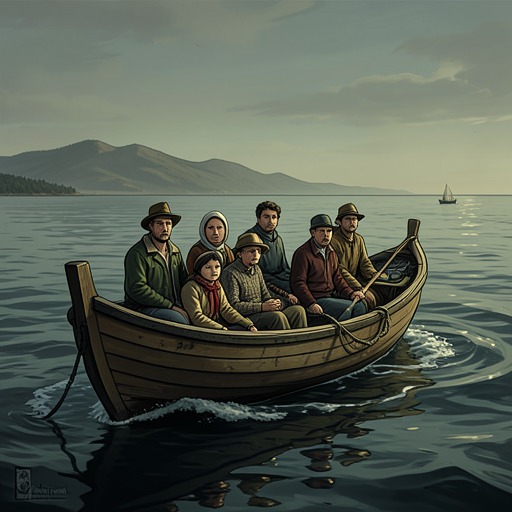
The Lighthouse Trip Begins
Because of the confused preparations, the sandwich was missing, and Mr. Ramsay was impatient and anxious, the originally scheduled departure time was postponed. [Nancy Ramsay](entity:character-recall-character-nancy-ramsay-6fd974a5bc50) asked what to take to the lighthouse. This practical question troubled Lily Brisco because the meaning that this family had assigned to things in the
that morning, before the boat departs
Lily Begins Again at the Easel
Thinking back to the unfinished painting she had put aside many years ago, Lily Brisco moved the easel to the lawn, trying to continue painting. Mr. Ramsey walked back and forth, again asking her to show sympathy, making it hard for her to concentrate; Lily was dissatisfied with this expectation
just before the boat departs
Ramsay Asks Lily for Sympathy
Mr. Ramsay told Lily Brisco that the trip was both painful and exhausting, implying that he hoped she would respond to his sorrow and loneliness. Lily could not come up with the comforting words people expected, instead she praised his boots. This specific observation unexpectedly made him no longer feel pitied
later that morning
James and Cam Set Out
James Ramsey and Cameron Ramsey carried packages with their father, despite both resenting being forced to go. They silently vowed to resist their father's authority. Lily Brisco watched the three leave, they like a tense yet closely connected group, not a cheerful family
after the boat leaves
Lily Recalls the Beach
Standing alone before the easel, Lily Brisco recalled a scene from a beach in the past: [Charles Tansley](entity:character-recall-character-charles-tansley-3d4dfc28a37a) had once looked down upon her work, but later played with her and became friendly. She realized that Mrs. Ramsey's quiet presence had transformed their arguments into a vivid, complete memory
midmorning, while the boat crosses the bay
Lily Begins the First Strokes
[Lily Briscoe](entity:character-recall-character-lily-briscoe-9389fe066453) faces a blank canvas, also facing the old saying that women cannot paint or write. She seriously begins with the first few strokes, then continues painting between green and blue, the composition gradually taking shape. Painting frees her from social demands, engaging her in a difficult and strict self
during the morning painting session
Lily Finds Meaning in a Memory
Thinking of the scene of the beach in the past, Lily Brisco knew that the meaning of life might not come with a great revelation. Instead, brief experiences—the friendship she had with Tansley, the broken waves, and the ability of Mrs. Ramsey to bring people together—could give transient
midmorning
The Boat Crosses the Bay
The boat carrying Mr. Ramsey, James Ramsey, and Cameron Ramsey left the shore, and the house gradually became smaller and receded. [Lily Briscoe](entity:character-recall-character-lily-briscoe-9389fe066453) on the lawn watched the small boat and realized that the distance had changed her feelings towards the passengers on board; the ocean seemed to gather many lives
during the first part of the voyage
James and Cam Resist Their Father
During the initial phase of the voyage, James Ramsey and Cam Ramsey remained united, quietly resisting the orders of their father who had forced them to travel together. They resented their father's commands, hoping that calm weather would prevent the journey from proceeding; at the same time, their attention was also drawn
midway across the bay
The Boat Catches the Wind
A gentle breeze filled the sails, and the small boat began to move swiftly. The change eased the tension among the passengers, but Mr. Ramsey was moved by the sea and his own thoughts, and murmured, "They will die alone, each in their own way." This sentence troubled Kam Ramsey
during the crossing
Cam Sees the Island Recede
Looking from the boat, Cam Ramsey felt the island and the houses at home were distant and peaceful, almost like they didn't exist. As the small boat continued forward, the influence of her former home gradually faded; at the same time, her father asked her questions and teased her, which made her
during a lull in the voyage
James Remembers His Mother
when the small boat was stuck in the still air, james ramsey recalled a scene from his childhood: his father's direct weather forecast crushed his hopes, and mrs. ramsey left him a pair of scissors, leaving him alone. this memory once again stirred his hatred of compulsion, and
as the boat nears the rocks
The Lighthouse Comes into View
A small boat approaches the rocks, and the lighthouse comes into view. It is now a tower with clear black and white contrast and distinct outline, rather than the distant, softly glowing lighthouse that James Ramsey imagined as a child. He realized that both images belong to his own experience: the tangible
shortly before landing
Ramsay Praises James’s Steering
The small boat reached the rocks, and Mr. Ramsey praised James Ramsey for steering well. James was very happy in his heart, but concealed his satisfaction; Cam Ramsey saw that he had finally received the recognition his father had always wanted to give him
late morning
The Party Lands at the Lighthouse
Mr. Ramsey picked up the package, stood up, and stepped onto the rocks beside the lighthouse, with James Ramsey and Cam Ramsey following him. The landing ended this journey that had been repeatedly promised and repeatedly postponed, yet could not erase the sorrow, resentment, and changed expectations brought by the journey
near midday, as the boat lands
Lily Completes Her Painting
Looking at the small boat in the distance, Lily Brisco felt she had finally shown sympathy to Mr. Ramsey, something she couldn't do before he left. She turned to the canvas and instantly saw the composition, drawing a line in the center of the picture, then put down her brush, certain