Lucifer exposes Cam to school through the suicide rumor
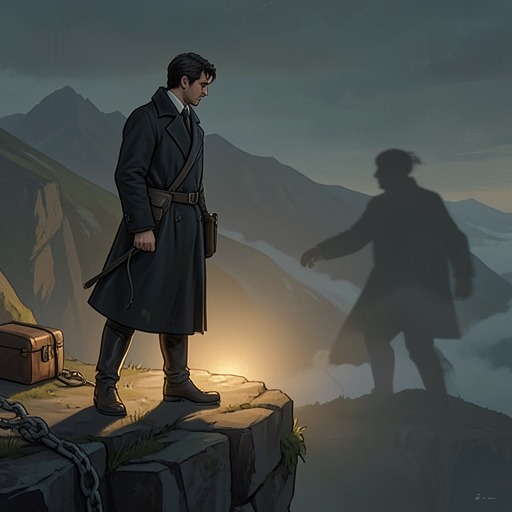
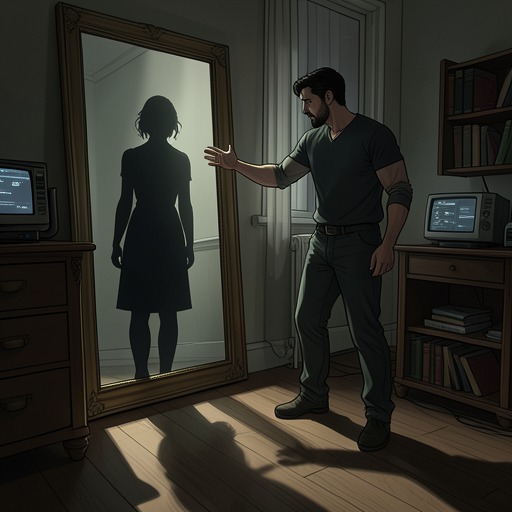
UnforgivenLucifer exposes Cam to school through the suicide rumor, converting a story about a girl from Cam’s past into public suspicion and a private crisis with Lilith. The episode moves from a hostile morning at school to Cam’s painful confirmation that the girl took her own life; it leaves the most consequential question unresolved, whether his actions were responsible, while making Lucifer’s interference increasingly apparent.
Background and Trigger
Lucifer had warned Cam that things would get ugly, but Cam did not know what the devil had done. The warning acquires a public form when the yellow school buses arrive and students stream toward the school. The routine of the morning remains recognizable, yet the atmosphere has changed: students whisper, stiffen when they see Cam, recoil, and turn away. The abrupt shift makes the rumor legible before Cam knows its content. He is no longer simply a student entering school; he has become the object of a collective judgment whose grounds have not yet been explained to him.
One girl he has never seen spits as she passes and calls him a pig, asking how he can sleep at night. Her accusation suggests that the story circulating about him carries moral blame, not merely a report of a death. As suspicious looks multiply, Cam feels his wings burning within his shoulders. The bodily reaction registers the pressure of being marked out before he can defend himself. In homeroom, even the few students already in the classroom turn their backs when he enters. The rumor has moved through the school quickly enough to shape not just what students say, but how they arrange themselves around him.
The Rumor Reaches Lilith
Lilith arrives as the bell rings, her hair still wet, her clothes wrinkled, and a half-eaten apple in her hand. She will not look at Cam. After he waits through fifty minutes of class, he pulls her aside and asks what is wrong. Her account identifies the story that has overtaken the school: the girl had killed herself. Lilith frames the matter as Cam’s past, saying it is not her business who he was with before they knew each other, but she cannot treat the death as a neutral piece of gossip. She asks whether the girl died because of what Cam did.
The distinction between the fact of the death and its cause becomes the scene’s central pressure. Cam immediately suspects Lucifer has whispered a trumped-up story into someone’s ear, but he also recognizes that he already understands what Lilith is asking. Everyone on her bus was discussing it, and the glares directed at Cam show that the story has spread beyond one conversation. Lilith has encountered the rumor not through Cam, but as part of a school-wide judgment; she turns to him for an answer because their relationship makes the accusation personal.
Cam’s Admission and Lilith’s Reaction
Cam first insists that the students know nothing, while appealing to Lilith to trust that she knows him. Her response is not a simple rejection of him: she pleads for him to tell her the story is untrue and asks specifically whether the girl took her life because of what he did. Cam looks down at his boots. He knows Lilith is in Crossroads because she herself died by suicide, but that knowledge does not tell him whether his conduct caused the other girl’s death. The parallel sharpens the stakes without resolving responsibility.
Cam answers that the girl did take her life. His admission confirms the death, but it does not establish that she died because of him. Lilith’s eyes widen, and she backs away; Cam understands that she had not truly expected him to confirm the story. In that moment, the conversation shifts from suspicion about what the school has heard to the fact that Cam cannot offer Lilith the denial she had hoped for. His honesty does not settle the accusation. Instead, it leaves Lilith confronting a painful truth whose meaning remains uncertain, and Cam watching trust give way to distance.
Lucifer’s Intervention and the Immediate Consequence
Lucifer arrives by asking whether he is harassing Lilith again, positioning himself as her protector while the rumor has already placed Cam under suspicion. He takes Lilith by the arm and displays his bicep as he invites her to leave with him. Lilith pushes away from him and says she will make it on her own, though she is looking at Cam as she speaks. Her refusal to be led by Lucifer does not repair the break with Cam; it makes her independence clear while leaving her attention fixed on the person who has just admitted the death.
Cam clenches his fists as Lilith walks away. Lucifer gives him a last chance to fold, tying the painful encounter to their continuing wager. Cam silently shakes his head, refusing to withdraw, even as he fears he has lost Lilith for good. The scene therefore turns public humiliation into a test of resolve: Cam will not abandon the wager, but his refusal does nothing to undo the damage caused by the rumor or his admission. Lucifer then hands him a folded note and says the principal will see him, extending the consequences from the students’ hostility into the school’s authority. The rumor’s full force lies in that progression: it isolates Cam among his peers, reaches Lilith before he can explain himself, and leaves him facing an official meeting as his relationship with her appears newly imperiled.