Andrew Milling’s revenge plan against humans
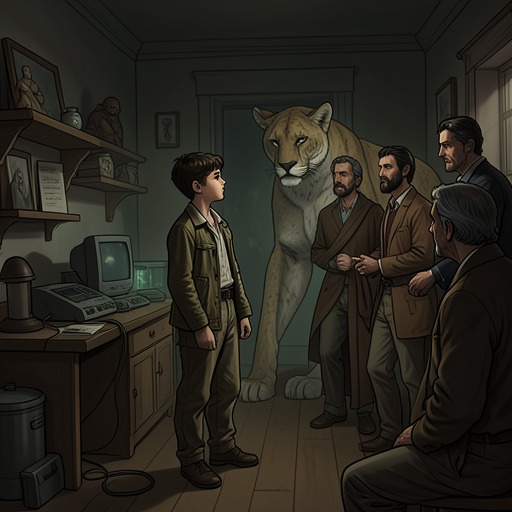
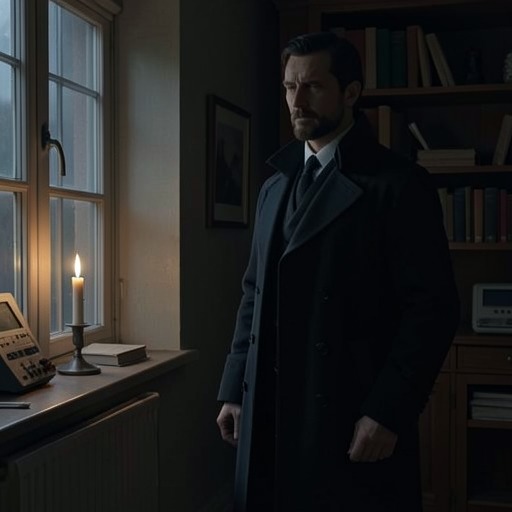
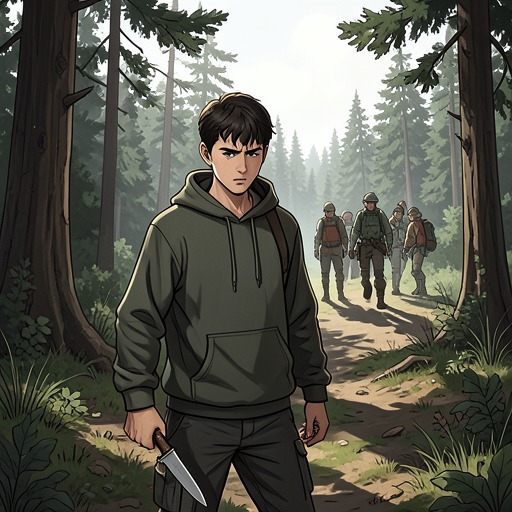
WoodwalkersAndrew Milling’s revenge plan against humans is the purpose that turns his private bereavement into a wider political project. After hunters kill Evelyn and June, he vows to acquire enough wealth and influence to hurt humans; years later, he recruits shapeshifters and tries to draw Carag into his cause, using Carag’s separation from his family as leverage. The plan’s scale is disclosed, but its precise methods remain concealed: Milling rejects killing as too simple and leaves Carag—and the reader—to wonder what kind of harm he intends instead.
Origins and the personal catalyst
Milling traces his bitterness to a childhood of poverty and instability. He grew up in a rented apartment on the outskirts of a provincial town, wearing donated second-hand clothes. His family was not starving, but money was scarce because of his father, who went hunting at night and, when he found nothing else, killed dogs in nearby homes. Milling recalls his father’s violence with contempt. The man’s nocturnal hunting left him too tired to work; after losing his job as a lumberjack and failing to find another, he began drinking and died soon afterward.
His mother was also a shapeshifter, though she transformed rarely. Milling says there was little reason to do so where they lived. His own attention turned toward the natural world and the forest. He loved the Sierra Nevada, even though he could reach it only by hitchhiking, and took photographs with an old camera that was perpetually broken. He also made videos and dreamed of becoming a documentarian. That early attraction to nature and images stands in sharp contrast to the later story in which a hunters’ website becomes the instrument through which he discovers his family’s deaths.
When Evelyn and June did not return, Milling went out searching for them and found no trace at first. He eventually saw them on a hunters’ website. A hunter held Evelyn’s body aloft by the armpits to display the size of his trophy; behind her, Milling recognized June’s body. The staged display made the deaths into public proof of the hunter’s triumph. Milling clenched his fists and smashed his computer, but understood that breaking the machine could not answer what he had seen. As he recounted the discovery, he partly transformed, and his claws scored deep marks into the table.
Grief becomes a project
Milling describes the deaths as the turning point from which he resolved to damage humans as much as possible. He did not present that aim as an immediate act of retaliation: he believed he first needed to become rich and powerful enough that nobody could stop him. He says he concentrated all his energy on a single objective, worked on his project without pause, and found that making money came naturally to him. In his account, wealth is not the end of the plan but the means by which he expects to make his revenge effective and difficult to obstruct.
The narrative gives a glimpse of how grief and bodily appetite occupy the same scene. Milling had not touched the meal until he reached the account of his family; then he ate slices of heart with animal jaws and sharp teeth, while his gaze remained intense behind colored contact lenses. After explaining his resolve, he swallowed the meat and took a chocolate bar from his shirt pocket, eating it in two bites. These details do not disclose the plan’s mechanics, but they make his controlled explanation sit uneasily beside a body visibly changing under the pressure of the story.
Recruitment, surveillance, and leverage
Years later, Milling has gathered many allies. He tells Carag that hundreds of shapeshifters are already on his side and that there are thousands across the country. He considers predators especially valuable, and puma shapeshifters particularly useful because they are rare. His approach to Carag is therefore both personal recruitment and strategic acquisition: Carag is not merely a sympathetic listener but a scarce kind of potential ally whom Milling wants for his project.
Milling’s interest in Carag began with a report about a mountain lion at a campground. He inferred that the animal was a Woodwalker, perhaps one who shared his view of humans, and used the report to identify and contact Carag. He later admits that a device had been attached to gather information about what Carag did or said. The surveillance had gone wrong, he says, but he treats that failure lightly. The admission confirms that his courtship of Carag was not spontaneous: it involved covert observation before the direct offer of alliance.
He frames that offer around a vulnerability Carag has already disclosed: not knowing where his family is. Milling says that, as a powerful man and powerful puma shapeshifter, he could help find Carag’s parents if Carag joined him. When Carag asks whether Milling already knows their whereabouts, Milling admits that he does not; he claims only that he could discover what Carag cannot find alone. The offer thus promises assistance rather than certain knowledge, and makes family reunion conditional on choosing sides. Carag immediately recognizes the implied danger in Milling’s larger purpose and asks whether he intends to kill as many humans as possible. Milling laughs and says killing would be too simple, adding that Carag does not understand how shapeshifters could damage humans. He reveals the ambition while withholding its practical form.
Rules, human perceptions, and the plan’s limits
The surrounding scenes place Milling’s project in a world where different rules govern human and shapeshifter conduct. At Clearwater High, Nimble invokes the school’s third rule against predators mistreating prey when Jeffrey intimidates him with bared fangs. The school also requires a teacher’s permission for students to transform during school hours and confines student fights to a designated class. These protections are local and specific; they do not resolve Milling’s larger grievance or establish what protections shapeshifters have outside the school.
Human characters, meanwhile, encounter the concealed world of shapeshifters without understanding it. When Donald sees a bison in the school, he questions whether his son Jay can be safe there. The director covers the incident by describing live animals as part of stimulating biology lessons. That exchange shows the strain of maintaining secrecy when shapeshifter events appear to human observers as ordinary animal danger, but it does not connect Donald to Milling’s plan. Likewise, Carag learns that puma hunting season runs from October through March and that only a license is needed to kill one. The regulation makes the human threat to pumas concrete, even as the book leaves Milling’s intended response unspecified.
The plan therefore rests on a real history of violence against Milling’s family, but it extends beyond personal mourning into the recruitment of a national shapeshifter force. His story explains why he seeks power and why Carag seems useful to him; it does not settle whether Carag shares his judgment of humans or disclose the specific project for which Milling is gathering allies. That gap is central to the plan’s menace: Carag is offered help in finding his family at the same moment he is asked to join a cause whose promised harm remains undefined.