Grasse
PerfumeGrasse, a small town clinging to the slopes of a mountain in Provence, was in the eighteenth century the uncontested center for the production of and commerce in scents, perfumes, soaps, and oils. Giuseppe Baldini, Grenouille's former master, had always uttered its name with enraptured delight, calling it the Rome of scents, the promised land of perfumers. The town itself was unassuming from a distance, with no mighty cathedral or commanding fortress, but it reigned above the fragrant basin at its feet with a self-confident indolence, as if it had no need to flaunt itself. It was to this place that Grenouille, after seven years of solitary retreat in the Massif Central, directed his steps, knowing that here he could learn the techniques for production of scent better than anywhere else.
Geography and Atmosphere
The town of Grasse was nestled in a wide basin surrounded by gently rising hills and a ridge of steep mountains. The basin had its own intimate climate, secluded and tranquil, far removed from the salty, expansive sea that was visible from the hilltops. Spring arrived earlier here than in Montpellier, with a mild haze lying like a glass bell over the fields, and the warm air infused with the scent of jonquils. Despite its idyllic setting, the town itself was unbelievably filthy, with unchannelled rivulets and brooks undermining the streets or flooding them with muck. The houses in some neighborhoods stood so close together that only a yard-wide space was left for passageways, forcing pedestrians to jostle one another as they waded through the mire. Yet, for all its cramped and slovenly appearance, the town was bursting with the bustle of commerce, and Grenouille, upon his arrival, spotted no less than seven soapworks, a dozen master perfumers and glovers, countless small distilleries, pomade studios, and spice shops, and finally some seven wholesalers in scents.
The Perfume Industry and Its Hidden Wealth
The true wealth of Grasse was hidden behind the modest middle-class facades of its buildings. Behind them, in warehouses and gigantic cellars, were stored kegs of oil, stacks of finest lavender soaps, demijohns of floral colognes, bales of scented leather, and sacks and chests of spices—riches beyond those of princes. At the rear of these provincial family homes were buildings of the most luxurious sort, with small, exquisite gardens where oleander and palm trees flourished, and fountains bordered by ornamental flowers leaped. The residential wings, built in a U-shape towards the south, contained bedchambers drenched in sunlight with walls covered in silk, and wainscoted salons and dining rooms where, as Baldini had said, people ate from porcelain with golden cutlery. The gentlemen who lived behind these sham facades reeked of gold and power, of carefully secured riches. The town was the center for the production of scents, and its perfumers used techniques such as maceration, where blossoms were stirred into warm oil to absorb their scent, and cold enfleurage, a more refined method for delicate flowers like jasmine and tuberose, where blossoms were strewn on glass plates smeared with cool oil to slowly exhale their scent over several days.
The Murders and the Town's Response
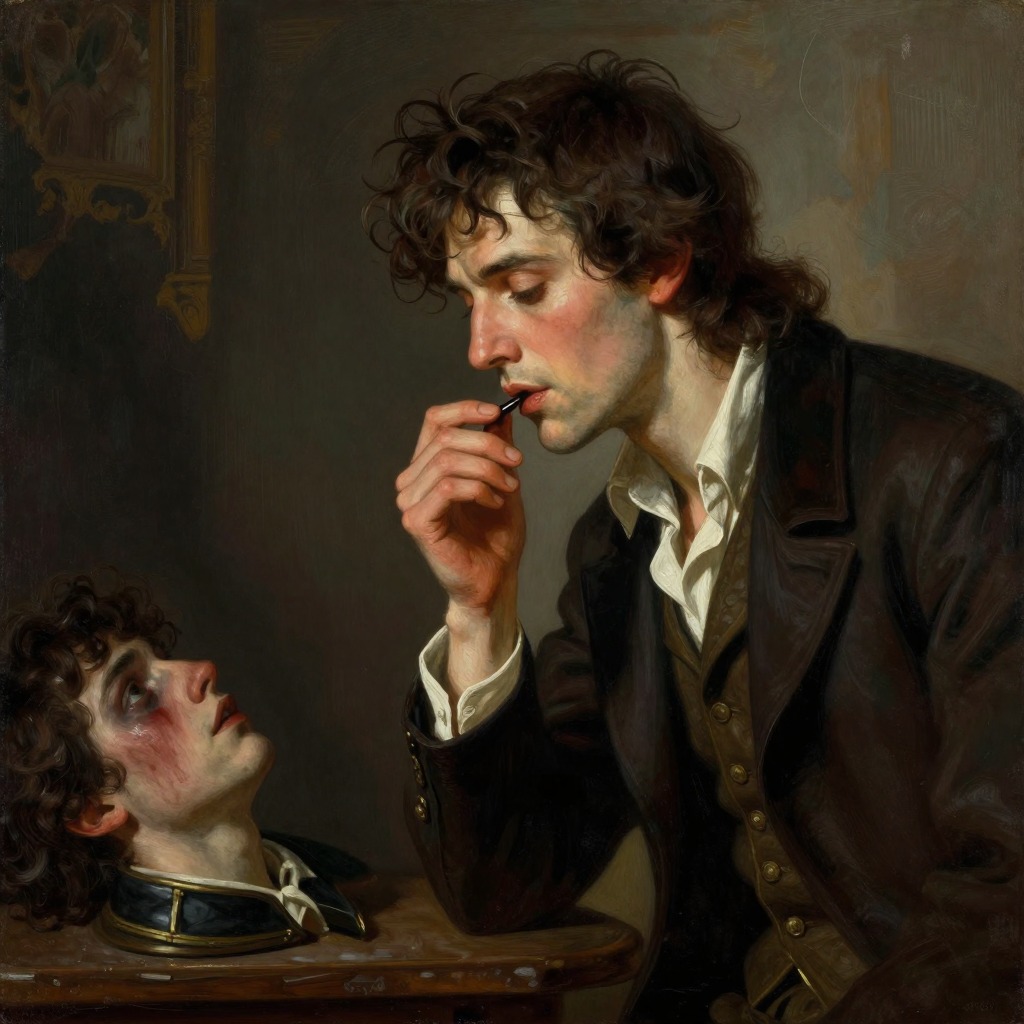
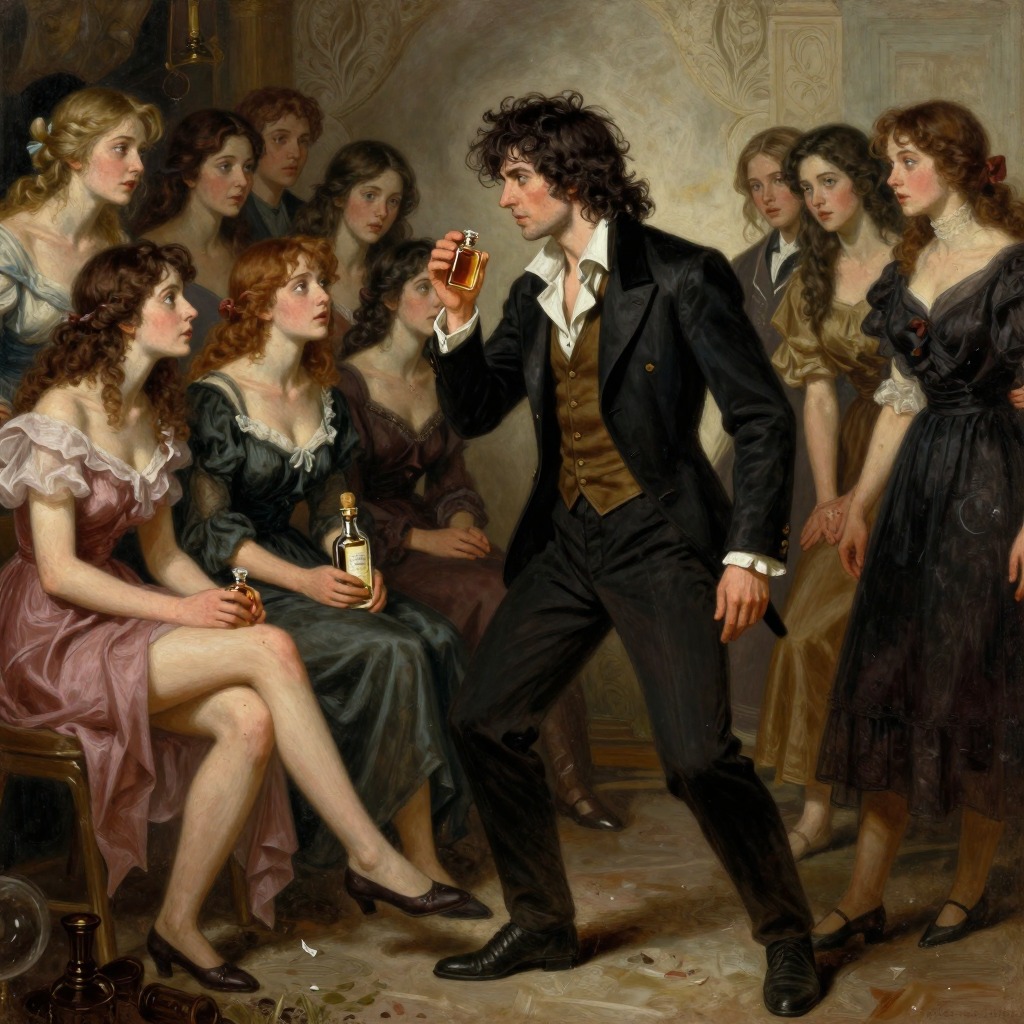
Grasse became the stage for a series of horrific murders. Over the course of a year, the naked bodies of twenty-four young girls were found in flower fields, killed by a heavy blow to the back of the head, their hair and clothes taken. The victims were always girls just approaching womanhood, and they were usually very beautiful. The murderer tracked them down everywhere, not just in the open country, but in the town itself, right in their homes. The town council, a committee of the richest and most influential commoners and nobles, was driven to write an abject petition begging the bishop to curse the monster. The bishop excommunicated the murderer from all the pulpits of the city, and the murders ceased. The town celebrated a mass of thanksgiving, and normality returned. But Antoine Richis, the second consul and the wealthiest citizen, did not trust this peace. He knew that the murderer's systematic method and idealistic motive pointed to a final, crowning victim: his own daughter, Laure. He attempted to flee with her to the monastery of Saint-Honorat on the Îles de Lérins, but Grenouille tracked them to the village of La Napoule and murdered Laure in her bed. The news of her murder spread terror through the region, more paralysing than before, as even the bishop's anathema had proved useless. People stayed in their houses at night, locked up their daughters, and slept no more. The authorities, for the first time, instituted well-planned cooperative efforts among prefectures, and Grenouille was eventually arrested after a guard recalled seeing a limping man who had inquired about Richis's departure.
The Execution and Its Aftermath
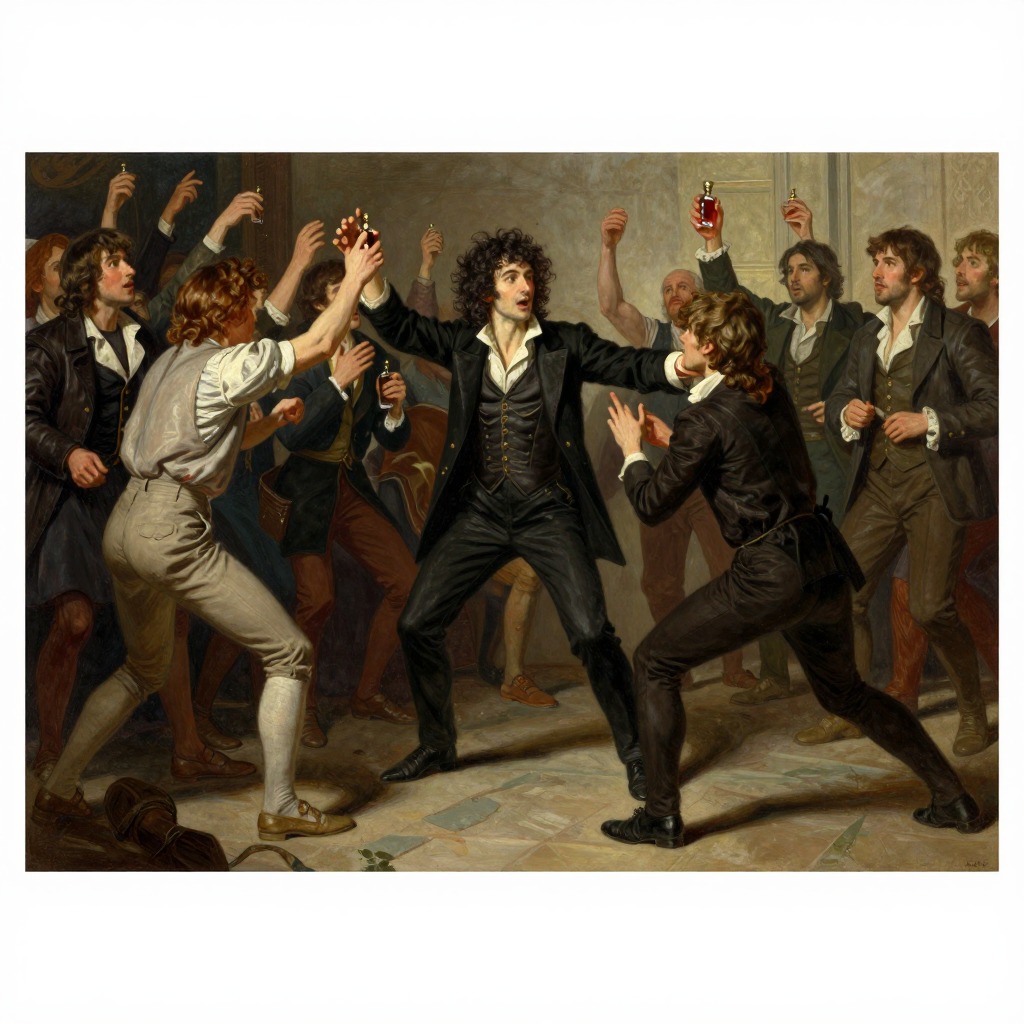
Grenouille was sentenced to be broken on the wheel, but on the day of his execution, he used his ultimate perfume, created from the scents of twenty-five virgins, to enchant the entire crowd of ten thousand people. The scheduled execution degenerated into a massive orgy, and the people, overcome with love for him, refused to believe he was a murderer. Antoine Richis himself, who had intended to watch the execution with hatred, instead embraced Grenouille and adopted him as his son. Grenouille, however, was disgusted by the love he had inspired and fled Grasse that night. The town, waking with a terrible hangover, erased the memory of the event. The judges closed the case of Grenouille and opened new proceedings against an unidentified murderer. Dominique Druot, in whose cabin the clothes and hair of the victims had been found, was arrested, tortured, and executed. The town soon forgot the affair entirely, and life returned to normal. The sun shone warmly, and soon it was May, and they harvested roses.