Intoxication as company
AnimalsIntoxication as company is Laura Joyce’s idea that alcohol can provide a form of companionship while helping her feel united with herself. The idea holds two different situations together: drinking with Tyler makes intoxication a shared occasion, while drinking alone can offer relief from the conflicts and self-consciousness that make solitude difficult.
Definition and Shared Drinking
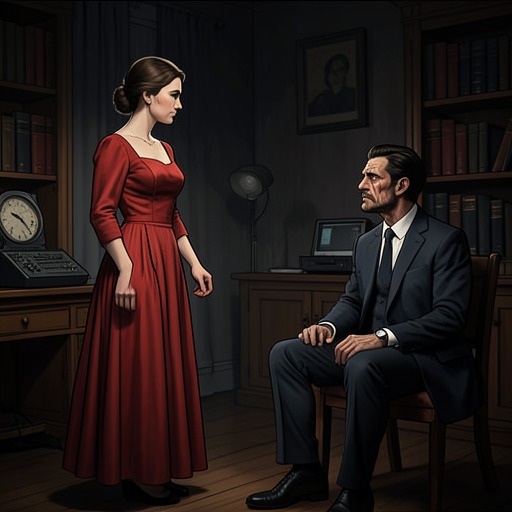
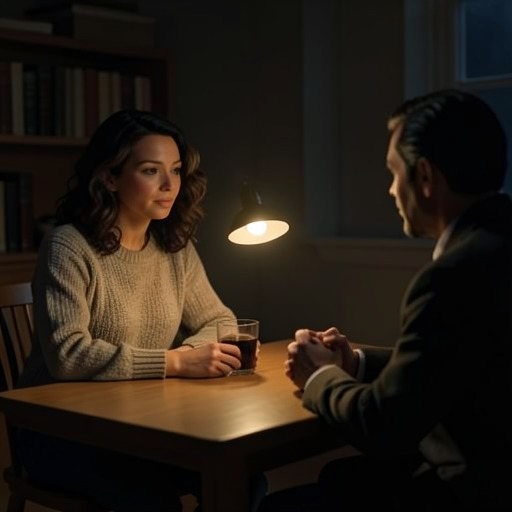
When Tyler asks whether Laura wants wine, the two pause to weigh their desires and reservations. Laura frames the choice through a rule: intoxication is company when it is shared, becoming a party rather than a problem when undertaken alone. The hesitation matters as much as the rule. Neither woman immediately settles the question; Tyler answers that she does not know either. The exchange presents drinking as a social decision shaped by the presence of another person, not simply by the beverage.
The scene also gives this theory a physical circumstance: Laura feels the dryness inside her body. Her description links the wish to drink to an immediate bodily sensation, even as the pause between the women makes companionship part of the decision. Alcohol is imagined as something that might answer both thirst and the desire not to be alone with oneself.
Drinking Alone and Self-Solidarity
Elsewhere, Laura drinks the last beer in the flat while looking out at a boarded-up pub, then finds whisky in a kitchen cupboard. The surroundings make the solitary setting concrete: the pub has been closed for months, and the nearby community garden centre is enclosed by chicken wire. Laura’s name for the cupboard, the cocktail cabinet, lends a faintly social identity to a domestic stash of drinks.
She describes wine and whisky as feeling like company, and imagines particular drinks as distinct personalities. Merlot is an exuberant exchange student; Chardonnay, a loud woman who has arrived after crashing her sports car; Pinot Grigio, a quiet presence with a startling revelation. Chianti is charming but dangerous, while Chablis refuses a tumbler and turns acidic when patronized. Laphroaig and Lagavulin carry other kinds of character. The comic catalogue turns drinking alone into an imagined gathering: each bottle arrives with a temperament, and the drinker supplies the company.
Laura also calls drinking a form of self-solidarity. She uses it to settle the battles within, or at least hold them still. This is not a claim that alcohol resolves those conflicts; her image of them being frozen in place suggests temporary suspension rather than repair.
Effort, Creation, and Escape from Judgment
Laura connects the need for that suspension to a lifelong tendency to try too hard. At school she sketched with such force that her art teacher threatened to make her sketch lightly by whipping her. She brushed her teeth hard enough for her dentist to warn about receding gums, and played netball by overshooting again and again. The examples make overexertion a recurring pattern across art, bodily care, and sport, rather than a problem confined to writing.
Against the romantic idea that drunkenness produces artistic masterpieces, Laura insists that intoxication serves a different purpose for her. She does not drink in order to create; she drinks to destroy, temporarily, the part of herself that cares whether she creates. The distinction defines the concept: alcohol offers neither inspiration nor a cure for creative difficulty, but a reprieve from the judging self that makes every effort feel consequential. Its companionship is therefore double-edged—an imagined social presence in solitude and a means of quieting the internal pressure that solitude exposes.