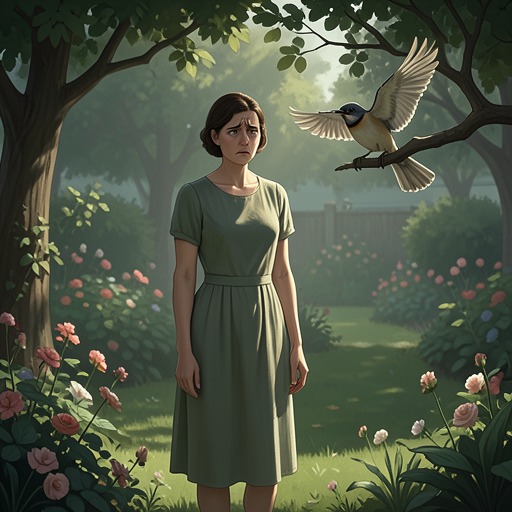
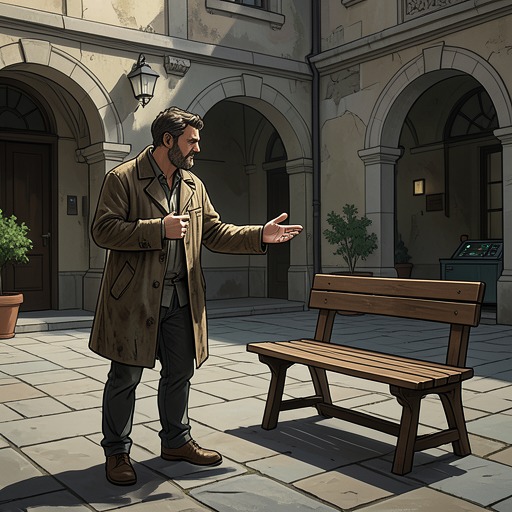
“I want everything, or else I want nothing”
AntigoneAntigone’s insistence that she wants everything, or nothing, is the defining expression of her refusal to accept happiness on terms of compromise. Addressed to those who are content to love an imperfect life, it sets total fulfillment against the small concessions that make ordinary happiness possible—and ends by making death the alternative to settling.
The Rejection of Ordinary Happiness
Antigone begins by telling her listeners that their happiness disgusts her: they cling to a life they feel obliged to love at any cost. She compares them to dogs licking whatever they encounter, always searching for a small chance at happiness so long as they do not ask too much. The image makes contentment seem less like fulfillment than a habit of taking whatever is available.
Against that appetite for crumbs, Antigone demands happiness “here and now,” “whole and complete.” Her language allows no gradual approach or modest substitute. She wants certainty in the present, not a future reward for behaving well, and refuses to treat limited satisfaction as enough.
Youth, Certainty, and the Ultimatum
The speech measures the present against Antigone’s youth, when everything seemed precious, beautiful, and perfect. She wants to be sure that life can still possess that undivided quality. Her demand is therefore more than a wish for pleasure: it is an insistence that happiness retain the fullness and certainty she associates with being young.
The final alternative—everything as she wants it, or death—turns the declaration into an ultimatum. Antigone does not present compromise as a lesser but livable form of happiness; she rejects it outright. The extremity of the choice makes the line a concise statement of the stakes shaping her defiance: if life cannot be complete, she would rather have nothing.
A Dramatic Break with Creon
The speech is addressed to Creon, and its force is sharpened by Antigone’s movement from formal address to the familiar form, a shift marked in the text as disrespectful. That change in register accompanies the widening distance between their positions. Antigone condemns the practical acceptance represented by Creon’s world, while asserting a desire that cannot be made to fit within its limits.
As a dramatic expression, “I want everything, or else I want nothing” condenses Antigone’s conflict into a stark contrast: compromise offers continued life, but not the complete happiness she demands. The line does not soften that opposition or resolve it. It gives her refusal its clearest verbal form and joins the prospect of happiness to the prospect of death.