Happiness and compromise
AntigoneHappiness and compromise are the opposed measures by which Antigone and Creon judge whether a life is worth living. Creon urges her to preserve the life ahead of her by accepting ordinary happiness and its limits; Antigone asks what such happiness would require her to give up, and rejects any settlement that makes her say yes to what she cannot accept. Their disagreement does not resolve into a shared definition of the good. It makes survival and integrity competing claims, and turns the question of happiness into a choice with mortal consequences.
Two incompatible measures of life
Creon’s plea rests on the value of continued life. He tells Antigone that she possesses the real treasure: herself and her future. In his account, the argument between them has been empty talk beside the life she could still live. He urges her to marry Haemon and be happy, insisting that life is not what youth imagines. It passes through the hands almost without being felt, so the young must close their fingers around it before it slips away.
The image makes happiness less a grand ideal than something held onto. Creon asks Antigone to close her hands quickly and keep life; with time, he says, it may become a simple, hard nugget, something to gnaw at while sitting in the sunlight. Its smallness is not, for him, a reason to reject it. A modest, tangible existence can still be worth protecting, even when it falls short of youthful expectations.
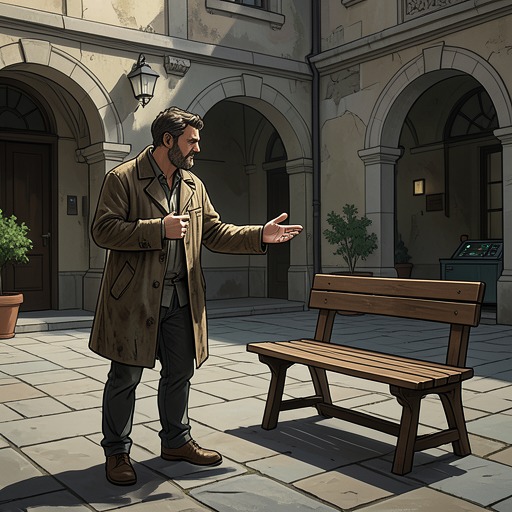
He also distrusts the elevated stories people tell about life. Others, he says, will call it something larger because they need Antigone’s strength and spirit; she should not believe them, or even believe his next speech at Eteocles’ tomb. The truth he arrives at too late is domestic and material: a beloved book, a child playing at one’s feet, a tool firmly held, a bench outside the house in the evening. Creon’s defense of happiness is therefore a defense of finite, ordinary attachments against the impulse to demand perfection.
The cost hidden inside compromise
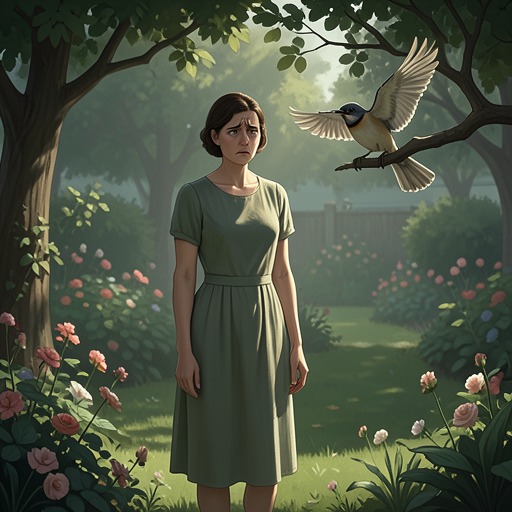
Antigone does not accept that Creon’s modest happiness is innocent of cost. She asks what kind of happy woman she would become, and what ugly little acts she would have to perform day after day to get her teeth into life and tear away her share of happiness. Her questions name the compromises she fears: flattering someone, lying to someone, selling herself, or looking away while another person is allowed to die. Happiness, in this account, is not simply a refuge from suffering. It may be sustained by concessions and by accepting harms that cannot be undone.
Her urgency comes from the fact that she must decide now. She refuses to be quiet and demands to know what she has to do to be happy and what she has to do to live. Creon speaks of life as beautiful and worth holding; Antigone asks for the terms of that life in the present, where a decision cannot be postponed until its costs are clearer. His promise of future happiness cannot answer her question about what living requires of her now.
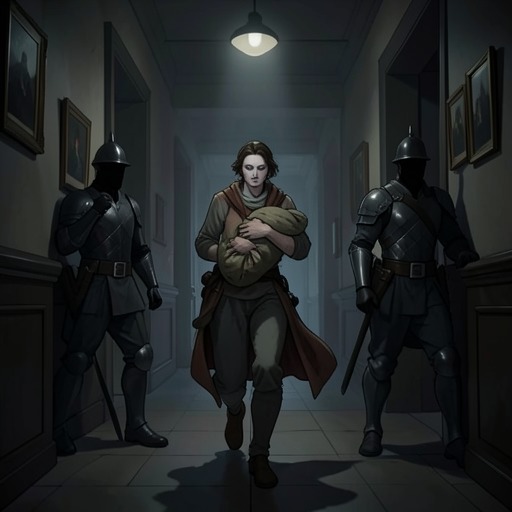
The dispute also reaches beyond private preference. Antigone asks why she should care about Creon’s politics, obligations, or stories. She has not said yes, she insists, and the choice remains hers. Creon, by contrast, describes authority as the burden of saying yes on behalf of a threatened community: someone must steer the ship as crime, poverty, and misery overwhelm it, while the crew refuses to work and the officers look after themselves. In that storm, he argues, there is no time for careful distinctions; the person at the wheel acts to keep the ship from going down. Their accounts of compromise thus begin from different responsibilities: Antigone guards her own decision against imposed obligations, while Creon regards decision and coercive action as the price of keeping collective life afloat.
Love, youth, and the feared future
Creon’s appeal to happiness is shaped by his recognition of his younger self in Antigone. He says that at twenty he would have done as she is doing, and that her words made him listen for the thin, pale young Creon who once stood ready to sacrifice everything. That recognition gives his plea tenderness, but it also reveals its distance: he speaks from a life already altered by time, offering the hard-won conclusion of age to someone who must decide before she can share it.
Antigone’s love for Haemon does not persuade her to accept the future Creon offers. She says she loves him young, unyielding, demanding, and faithful, as she understands herself to be. What she fears is not simply marriage or life together, but the transformation of that love under the pressure of conventional happiness. If Haemon grows accustomed to her lateness, no longer turns pale when she is late by five minutes, no longer feels alone when she laughs without his knowing why, and becomes a distinguished stranger who has learned to say yes, then he will no longer be the Haemon she loves. Happiness as compromise threatens, in her imagination, to wear down both his difference and the intensity that binds them.
Her rejection becomes explicit when she says that the happiness of those around her disgusts her: a life they feel required to love at any cost. She likens them to dogs licking whatever they find, content to look each day for a small chance at happiness so long as they do not ask for too much. Against that incremental bargain, she demands everything, here and now, whole and complete—or nothing. A few crumbs earned by behaving well cannot satisfy her; what she wants must remain as precious, beautiful, and perfect as it seemed when she was young. If it cannot, she says, she wants to die.
The tragic shape of the choice
The conflict over happiness is also a conflict over what a person can be asked to accept. Antigone’s insistence that she must do what she can sits beside her conviction that she alone chooses whether to say yes. Earlier, she describes the roles as already cast: Creon must have the sisters put to death, and they must bury their brother. Yet the sense of a role does not erase her insistence on choice. She can carry out what she understands as her part and still refuse to treat political necessity or the promise of future contentment as consent.
Creon’s shipwreck image presents compromise as action under emergency: someone takes the wheel, gives orders, and acts against the crowd because the ship and its passengers are in danger. Antigone’s answer insists that this necessity does not make his yes hers. Neither account persuades the other because they attach different meanings to survival. For Creon, life’s unassuming goods justify accommodation; for Antigone, accommodation may destroy the very self whose life is being preserved.
The play therefore makes happiness neither an uncomplicated reward nor a simple alternative to death. Creon sees its value in the book, child, tool, and evening bench that time teaches one to cherish. Antigone sees the price hidden in the daily acts that could secure it, and refuses to settle for a happiness that depends on shrinking what she wants. Their failed negotiation gives the idea of compromise its tragic force: it is not merely a practical middle ground, but a demand that each person accept a definition of life the other cannot recognize as sufficient.