Ava and Lincoln’s confrontation over Kelly
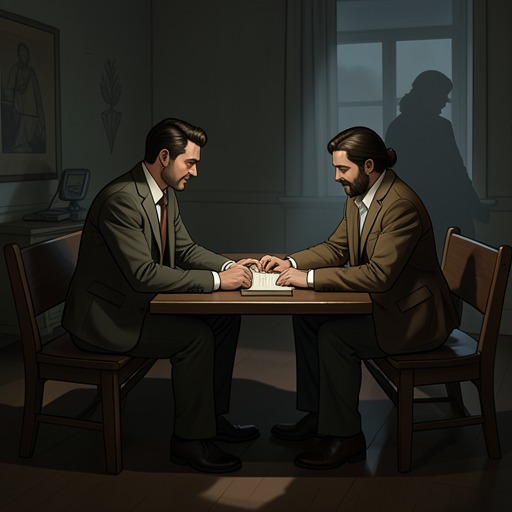
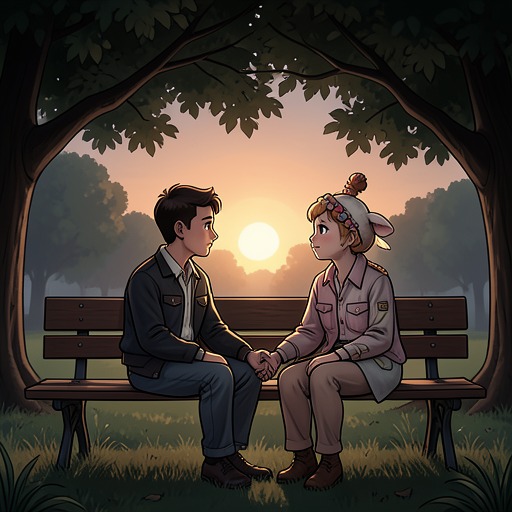
BeautifulAva and Lincoln’s confrontation over Kelly brings their buried grief into the open after they have been intimate, exposing how anger, guilt, longing, and attachment have become knotted together. The argument moves from a question about what Kelly might think to a direct accusation that Ava failed her, then ends not in resolution but in shared mourning, as Lincoln, Ava, and their families confront the loss together.
Context and Stakes
By the time the confrontation takes place, Kelly has been dead for six months. Ava experiences that interval not as a passage toward recovery but as a measure of how little time has elapsed: school feels slower, and she believes others are impatient with her for not getting over the loss. She rejects comparisons between Kelly’s death and the deaths of relatives or pets, insisting to herself that Kelly was her best friend and that the pain cannot be reduced to someone else’s experience. That isolation helps explain why the scene is so volatile: the argument gives voice to feelings the surrounding world has not made easier to speak.
Ava and Lincoln have also begun turning toward each other in ways that complicate their grief. Being with him can briefly make the rest of Ava’s life matter less, or let her feel something other than misery. She recognizes the contradiction: that comfort would not have taken this form if Kelly were alive. After an earlier night of drinking, kissing, and arguing, Ava had been relieved that they did not have sex in the park; later, however, they do become intimate. She repeatedly finds that the experience feels good while it is happening but is followed by guilt, regret, and sadness. The confrontation begins in the aftermath of that pattern, with Ava wanting to talk about Kelly and Lincoln initially keeping his attention on his phone.
From Avoidance to Accusation
Ava asks whether Kelly would be angry with them. The question breaks their usual silence about her and reveals what Ava is seeking: not simply an answer, but a sign that Lincoln is also troubled by what has happened between them. He first claims not to care what Kelly would think. When Ava challenges that response, he says he hopes Kelly would be furious with him. His anger is directed both toward the dead and toward himself; he imagines Kelly’s judgment as something he might deserve. Ava remembers hating it when Kelly was angry with her, and Lincoln reassures her that Kelly was never angry with her before turning the conversation back to blame.
Lincoln tells Ava that Kelly trusted and loved her, then accuses her of having let Kelly die. Ava reacts as though the words strike at the center of her own guilt and asks whether he believes the death was her fault. Lincoln immediately retreats from the accusation, saying he did not mean it, but Ava refuses to let the exchange pass as though its force has disappeared. His words give shape to a fear that grief had left unspoken; his attempt to withdraw them cannot undo the harm.
The argument then sharpens around who has the right to claim the loss. Lincoln invokes Kelly as his sister, while Ava insists that Kelly was hers too and that she knows how he feels. Their competing claims do not cancel each other: they reveal two relationships to the same person, each marked by love and bereavement. Lincoln answers with a bitter reference to Ava and himself having already been together. Ava pushes him, and he pushes her back, escalating their verbal conflict into a physical one. The scene does not frame this clash as a solution to their grief. It makes visible how pain that has been displaced into intimacy and resentment can turn against the people seeking comfort in one another.
A Shared Break in the Argument
After the escalation, Ava rejects Lincoln’s attempt to touch her and accuses him of not caring about her. In the same outpouring, she condemns both of them: she blames herself for agreeing to what happened between them, says she should have told him no, and insists that he should have known better than to continue. Her confession makes clear that the intimacy has become bound up with self-punishment as well as desire. She explains that she misses Kelly constantly and that the pain is what she has been trying to live with, not something the encounter could settle.
Lincoln holds Ava as she cries, and she eventually stops trying to pull away and sobs against him. He admits that he misses Kelly too and believes she would hate what is happening between them. For a moment, Ava recognizes his openness as a brief chance to reach him. The shift is fragile: they move from accusation to mutual recognition without agreeing about everything or repairing the harm between them. Ava says that she sometimes feels Kelly is still around; Lincoln answers that Kelly is dead. The bluntness closes the moment of shared openness, but it also names the fact both have been struggling to absorb.
Lincoln then collapses into grief. He says he does not think he will ever get over Kelly’s death, buries his head in Ava’s lap, and cries. Ava holds him as his sobbing intensifies. Their roles briefly change: the confrontation had made each treat the other as an adversary, but now Ava supports Lincoln through the same pain she has been trying to express. The scene offers neither a cure nor a neat reconciliation. Its change is smaller and more immediate: for a short time, neither has to pretend that the other is untouched by the loss.
Family Support and Aftermath
Tina enters Lincoln’s room and finds him crying with Ava. She takes his weight from Ava and lets him sob against her, stroking his head and reassuring him. Lincoln’s father kneels beside them and places a hand on Lincoln. Tina meets Ava’s eyes, and the silent recognition between the two girls suggests that each can see the other’s grief. Their arrival widens the scene beyond the troubled intimacy between Ava and Lincoln: mourning is shared by the family around Kelly, even when no one can make it orderly or painless.
Ava cannot remember being taken to the lounge room or falling asleep on the couch. She wakes when her father strokes her hair and offers to carry her to the car, as he once did when she was about six. His practical tenderness briefly makes her smile, a response she finds strange but does not reject. The quiet offer contrasts with the accusation and physical struggle in Lincoln’s room: care here does not demand that Ava explain or resolve her feelings.
In the larger account of Ava’s bereavement, the confrontation helps establish that moments of relief and intimacy do not mean Kelly has been forgotten. Ava later describes her feelings as still present, even when they are no longer larger than everything else in her. The argument is a concentrated instance of that movement: grief swells into blame, then changes shape into crying, care, and exhaustion. It does not restore Kelly or settle Ava and Lincoln’s relationship. Instead, it shows the costs of trying to use each other to escape pain, and the possibility of recognizing their common loss once that escape fails.