Ohio River
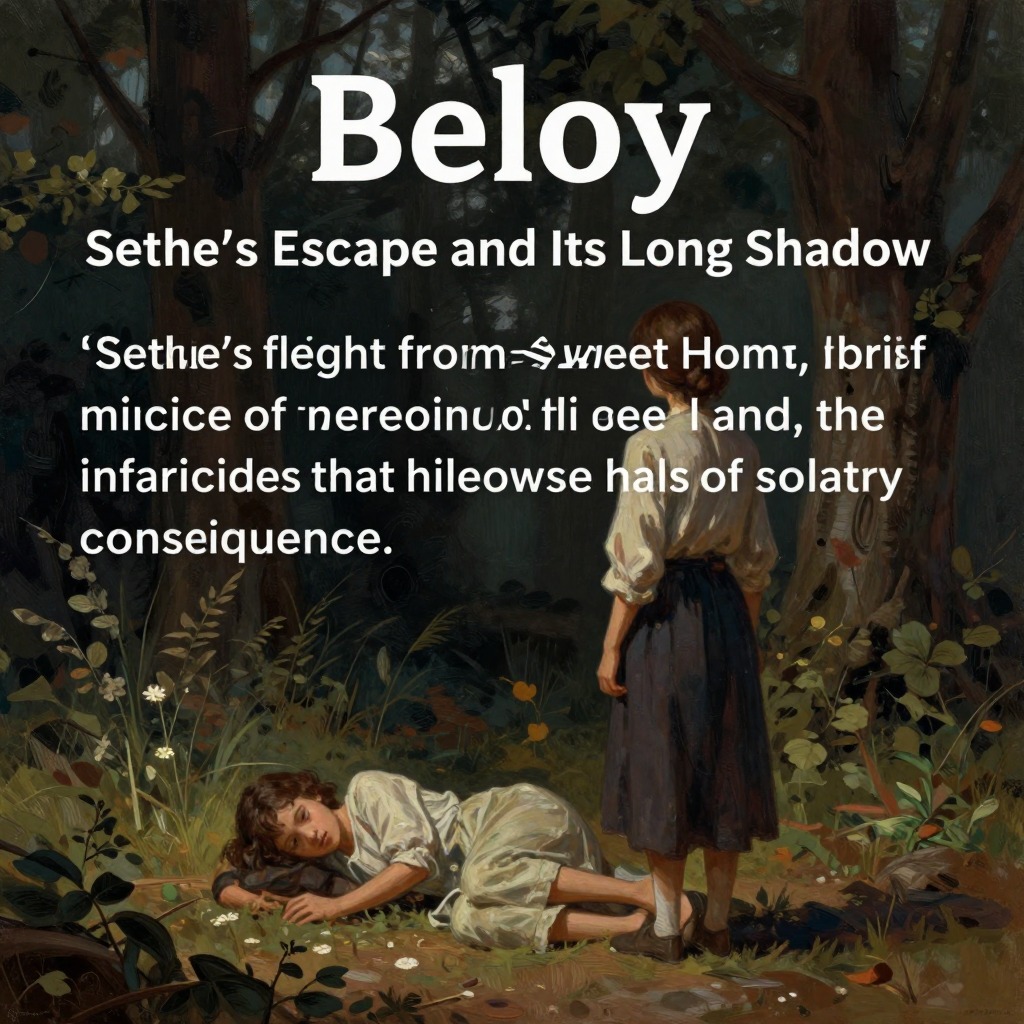
BelovedThe Ohio River is the great dividing line in Toni Morrison's Beloved, the waterway that separates the slave state of Kentucky from the free state of Ohio. For Sethe, the river is the final obstacle in her desperate flight from Sweet Home, the place where she nearly dies in labor and where her daughter Denver is born. It is also the site of her most profound trauma, as she crosses it while pregnant, bleeding, and alone, carrying the milk for her baby girl who has been sent ahead. The river is both a literal and symbolic boundary: it marks the edge of slavery and the beginning of freedom, but it also carries the weight of the dead, the memory of the Middle Passage, and the unspoken grief of those who have crossed it. Throughout the novel, the Ohio River recurs as a place of transition, danger, and memory, shaping the lives of Sethe, Denver, and Paul D, and serving as a powerful emblem of the novel's central themes of escape, loss, and the impossibility of leaving the past behind.
The River as Boundary and Threshold
The Ohio River is the physical and symbolic border between Kentucky, where Sweet Home and slavery lie, and Ohio, where freedom is supposedly found. For Sethe, the river is the last barrier she must cross to reach her children, who have been sent ahead to Baby Suggs' house in Cincinnati. In her memory, the river is a place of both hope and terror: she recalls "the bloody side of the Ohio River" where she feared she would die in the wild onions, and she remembers the moment when her water broke as she approached the water, flooding the boat that Amy Denver had found. The river is also the site of her first encounter with the whitegirl Amy, who helps her deliver Denver on the riverbank. For Paul D, the river is a boundary he crosses repeatedly in his wanderings, and it is the river that he must navigate when he escapes from the chain gang in Alfred, Georgia, following the tree flowers north. The river thus functions as a threshold between worlds, a line that separates the enslaved from the free, the living from the dead, and the past from the present.
The River in Sethe's Escape and Denver's Birth
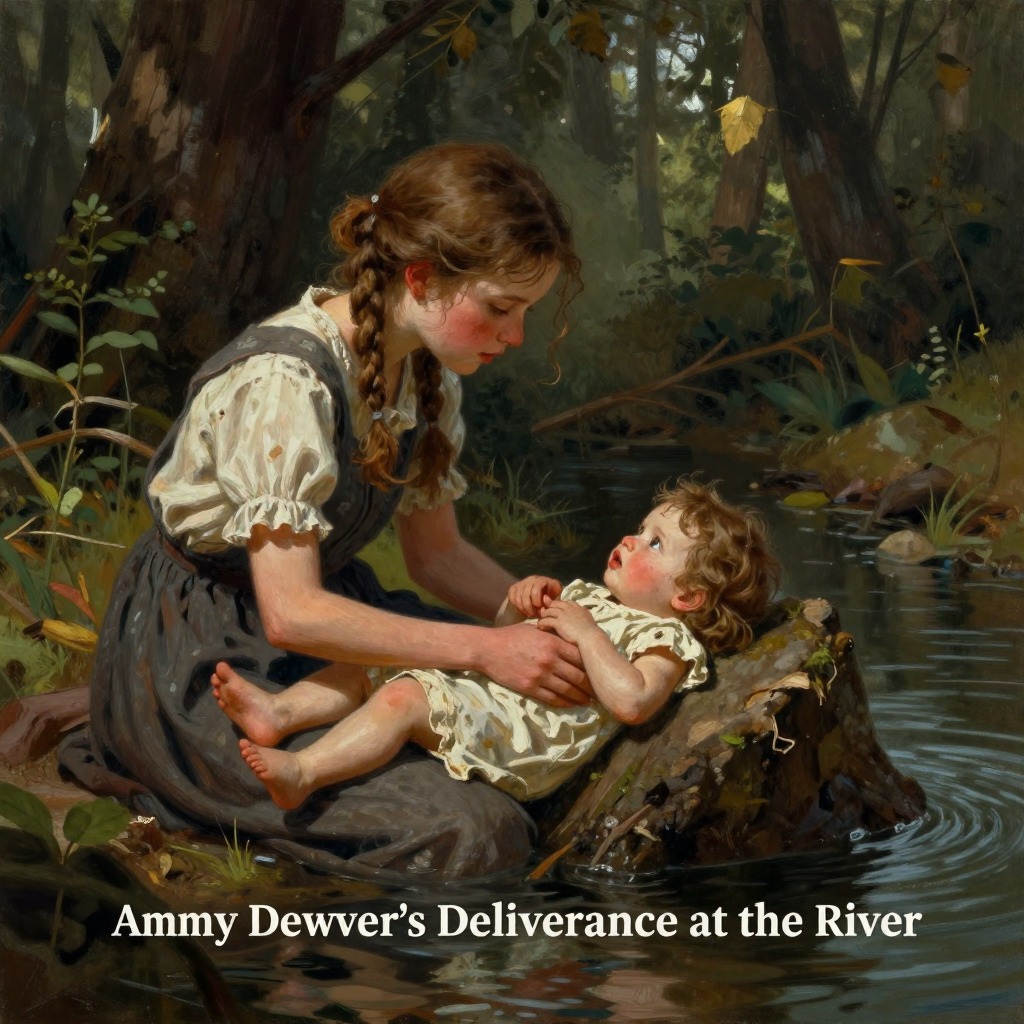
The Ohio River is central to the story of Denver's birth, which Sethe recounts to Denver and Beloved. Sethe, pregnant and fleeing Sweet Home, is discovered by Amy Denver, a whitegirl who is herself running away to Boston in search of velvet. Amy helps Sethe crawl to a lean-to, massages her swollen feet, and later guides her to the river, where they find a leaky boat with one oar. As Sethe enters the water, her labor begins, and with Amy's help, she gives birth to Denver in the boat, surrounded by bluefern spores floating on the riverbank. The river is thus the site of a miraculous and traumatic birth, a moment when Sethe's life and her daughter's life hang in the balance. The river's water, which "broke loose to join" Sethe's own water, becomes a symbol of the connection between the natural world and the human struggle for freedom. Denver's name itself is a tribute to Amy Denver, the whitegirl who brought her into the world, and the river is the place where that naming occurs.
The River as a Site of Memory and Trauma
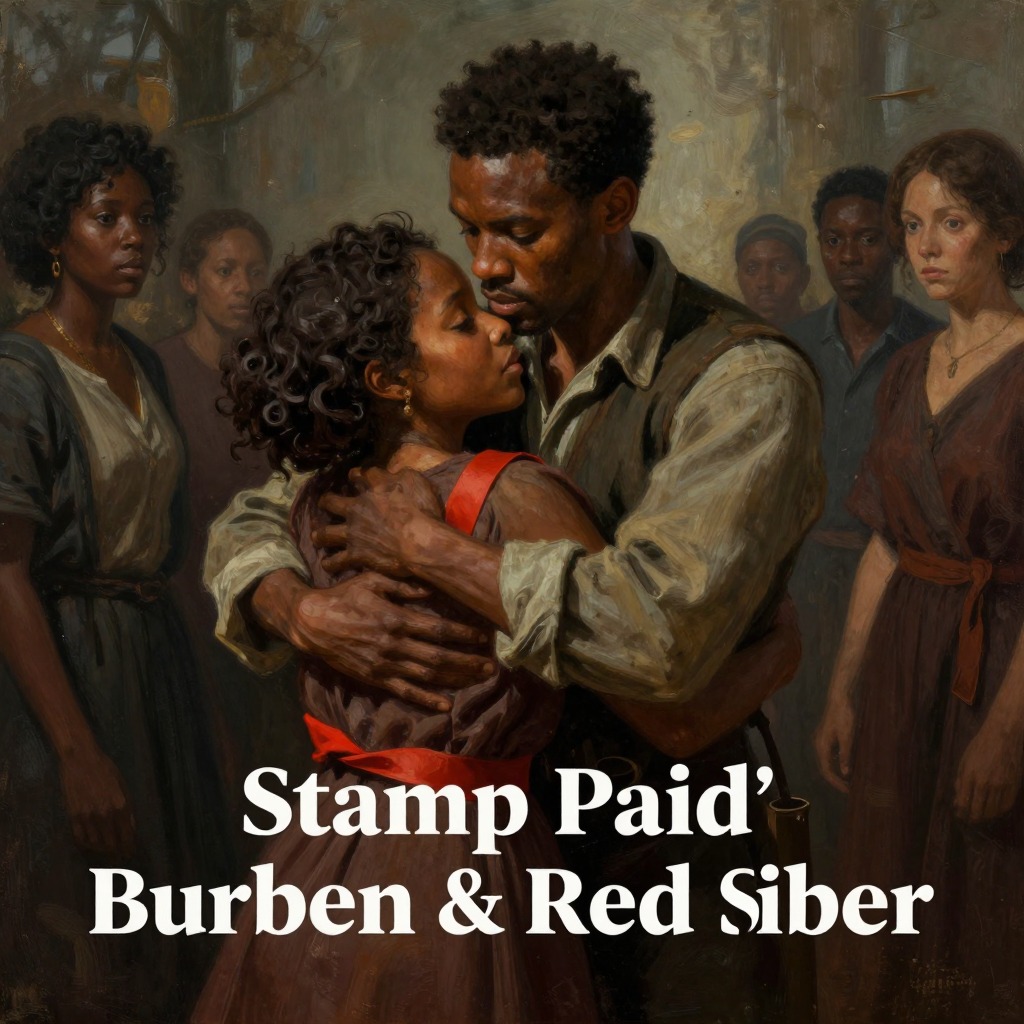
The Ohio River is also a place of memory and trauma, particularly for Sethe. In her mind, the river is associated with the pain of her escape, the loss of her husband Halle, and the theft of her milk by schoolteacher's nephews. She remembers the river as the place where she "was not to have an easeful death," and where she felt "like a snake, all jaws and hungry" when she thought she was about to be discovered by a white boy. The river is also the site of her encounter with Stamp Paid, who ferries her across the river to freedom, and who later becomes a key figure in the community. For Paul D, the river is a boundary that he crosses when he escapes from the chain gang, and it is also the place where he first sees the "tree flowers" that guide him north. The river thus carries the weight of both liberation and suffering, and it is a place where the past continually resurfaces, as when Sethe remembers the "boys hanging from the most beautiful sycamores" on the other side of the river.
The River as a Symbol of the Middle Passage and the Dead
The Ohio River also evokes the Middle Passage and the countless enslaved people who died crossing the Atlantic. In Beloved's fragmented monologue, she describes being on a ship with "the men without skin" and seeing dead people pushed into the sea. The river, like the sea, is a place where the dead are present, and where the boundary between life and death is blurred. Sethe's memory of the river is intertwined with her memory of her own mother, who was hanged, and with the "sixty million and more" who died in the Middle Passage, as the novel's epigraph suggests. The river is thus a symbol of the collective trauma of slavery, a place where the dead are not forgotten but continue to haunt the living. The novel's final image of Beloved's footprints by the stream behind 124, which "come and go, come and go," suggests that the river and its waters are a place where the disremembered and unaccounted for are never truly gone.
The River in the Community's Memory and the Novel's Ending
The Ohio River is also a site of community memory and connection. Stamp Paid, who ferries runaways across the river, is a central figure in the network of the Underground Railroad, and the river is the route by which many enslaved people escape to freedom. The river is also the place where Sethe first meets Ella, who helps her after she crosses, and where she is given the name "Stamp Paid" by the man who ferries her. In the novel's final section, the river is present in the memory of the community, as the women who come to exorcise Beloved from 124 remember the days when the house was a way station and the river was a lifeline. The river thus represents both the possibility of freedom and the ongoing struggle for it, and it is a reminder that the past is never fully behind us. The novel ends with the image of Beloved's footprints by the stream, which are "so familiar" that "should a child, an adult place his feet in them, they will fit," suggesting that the river and its waters are a place where the past and present converge, and where the memory of the dead is never entirely lost.