Alfred, Georgia
BelovedAlfred, Georgia, is the site of the brutal chain gang prison camp where Paul D is sent after attempting to kill Brandywine, the man schoolteacher sold him to. It is a place of profound dehumanization, where men are chained together, forced to work in a quarry, and confined to underground boxes. The experience at Alfred, Georgia, breaks Paul D's spirit, drives him to the brink of madness, and shapes his understanding of manhood, freedom, and the limits of human endurance.
The Prison Camp and Its Horrors
Alfred, Georgia, is not a place Paul D chooses but a destination forced upon him after his failed escape attempt. He is sent there after trying to kill Brandywine, the man schoolteacher sold him to, while being led in a coffle through Kentucky into Virginia. The camp itself is a brutal institution: forty-six men are housed in underground boxes, each a grave-like structure of scrap lumber and red dirt, with a door of bars that can be lifted on hinges like a cage. The men are chained together with the best hand-forged iron in Georgia, and each morning they are roused by rifle shot, forced to kneel in the mist and wait for the whim of a guard. The work is breaking rocks in a quarry, and the men sing to survive, garbling the words so they cannot be understood, tricking the syllables to yield up other meanings. They sing of the women they knew, the children they had been, the animals they had tamed, and they beat the earth with sledge hammers, killing a boss so often and so completely they had to bring him back to life to pulp him one more time.
The Breaking of Paul D
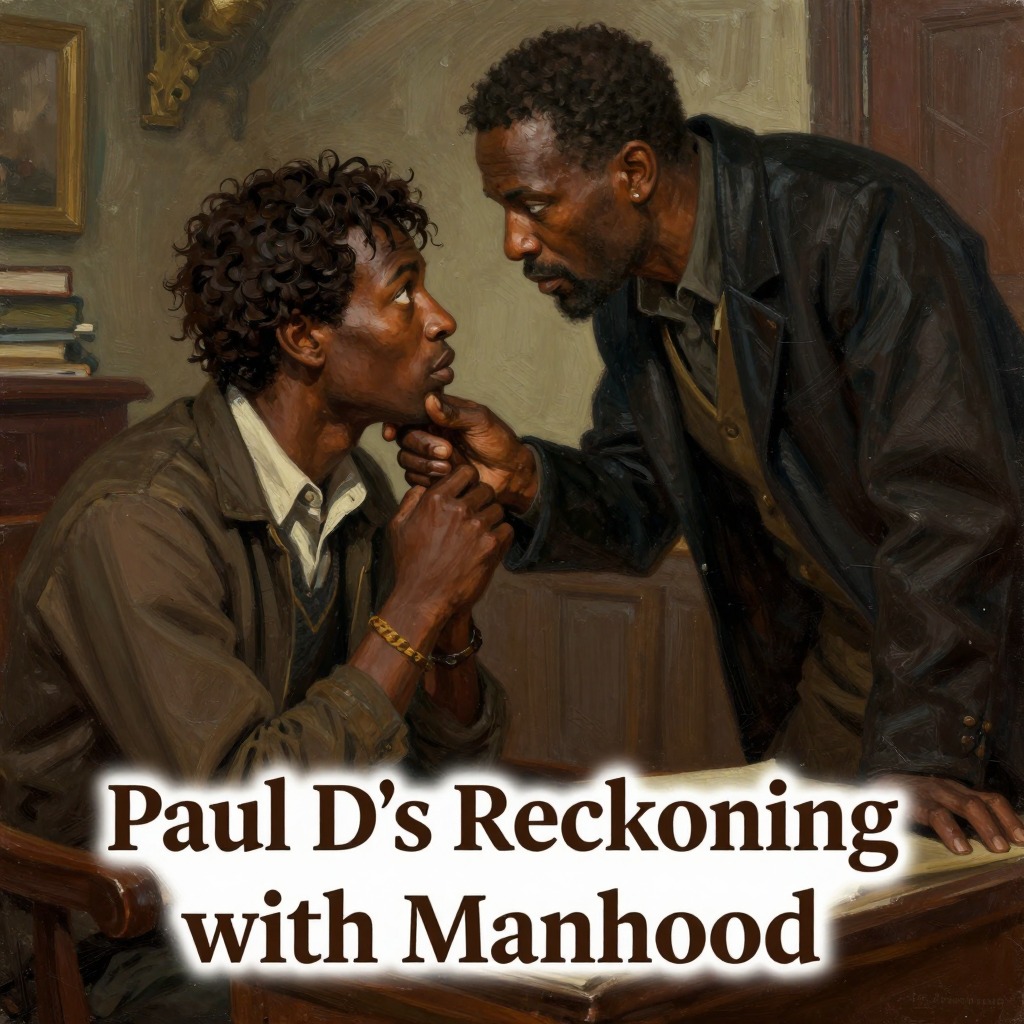
The experience at Alfred, Georgia, breaks Paul D in ways that Sweet Home never could. When he is first shoved into the box, his hands quit taking instruction; they travel on their own, refusing to hold his penis to urinate or a spoon to scoop lumps of lima beans into his mouth. The trembling that began inside him as he was led south becomes a fixed part of his being, and he is only able to control it when he has a sledge hammer in his hands. The camp drives him crazy so he would not lose his mind, as he later reflects. The sight of Mister, the rooster he had raised from an egg, sitting on a tub and looking free, solidifies his sense of utter degradation: "Mister was allowed to be and stay what he was. But I wasn't allowed to be and stay what I was. Even if you cooked him you'd be cooking a rooster named Mister. But wasn't no way I'd ever be Paul D again, living or dead. Schoolteacher changed me. I was something else and that something was less than a chicken sitting in the sun on a tub." The memory of Alfred, Georgia, and the shame of being collared like a beast, stays with him, locked in a tobacco tin buried in his chest where a red heart used to be.
The Escape and Its Aftermath
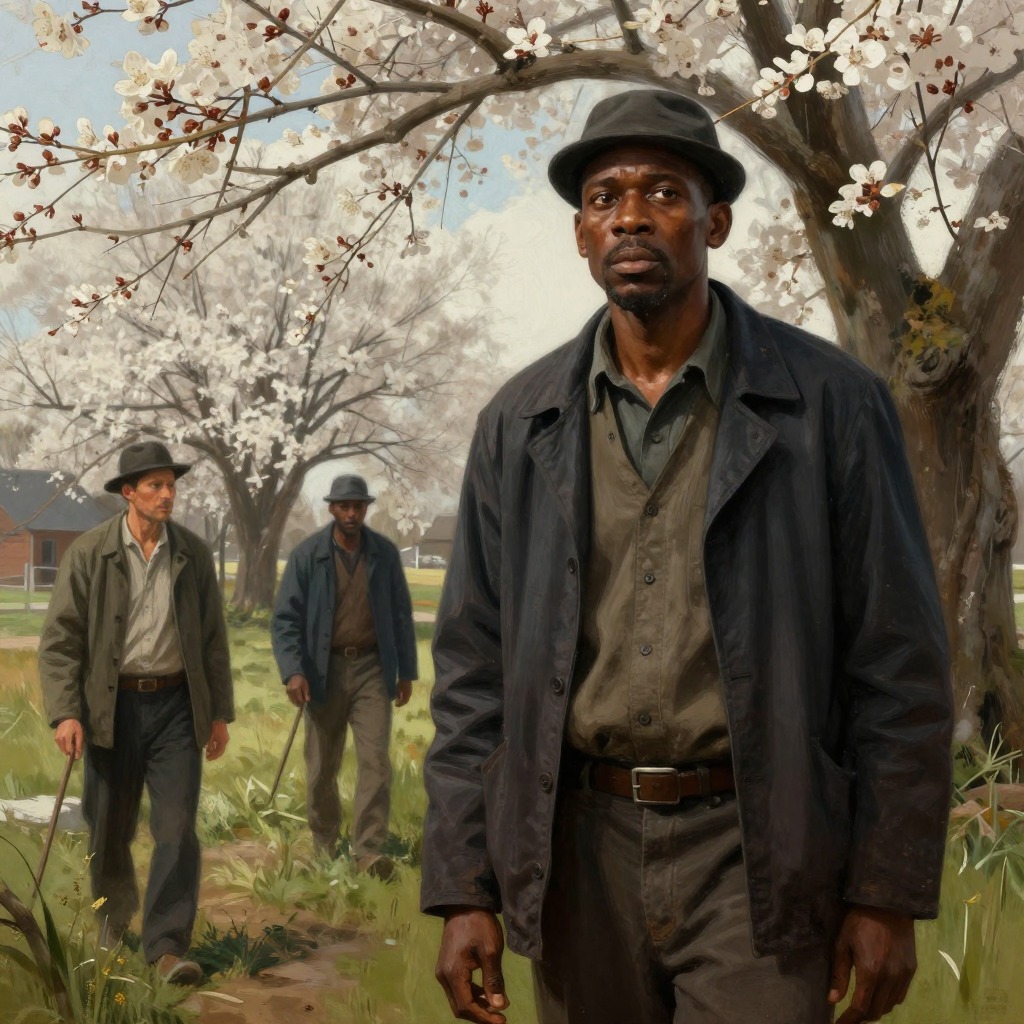
The escape from Alfred, Georgia, comes not through planning but through a catastrophic flood. After eighty-six days of chain labor, it rains for days on end, and the men are locked down in their boxes as the water rises. The mud begins to cave in, and the men, connected by the chain, must dive down through the mud under the bars, blind and groping, trusting Hi Man, the lead chain, and each other. They all come up, like the unshriven dead, and wade through the flooded landscape, past the sheds, the guard shacks, and the stable of sleeping horses. They find a camp of sick Cherokee, who call them Buffalo men and help them break their chains. Paul D is the last Buffalo man left, without a plan, and the Cherokee tell him to follow the tree flowers north. He races from dogwood to blossoming peach, from cherry blossoms to magnolia, chinaberry, pecan, walnut, and prickly pear, until he reaches a field of apple trees in Delaware, where the weaver lady takes him in. The experience at Alfred, Georgia, leaves him with a deep-seated fear of being tied down, and he walks off when he gets ready, convinced that staying in one place too long will lead to being chained again. The memory of the camp, with its trembling, its iron, and its dehumanization, becomes a permanent part of his identity, shaping his cautious approach to love and his understanding of what it means to be a man in a world that denies his humanity.