The Licking River
BelovedThe Licking River is a river in Kentucky that flows into the Ohio River near Cincinnati, serving as a boundary and a site of memory and trauma in Toni Morrison's Beloved. It is where Paul D, after escaping from the chain gang in Alfred, Georgia, hears the restless spirits of the dead Miami people who are disturbed by the encroachment of roads and houses. The river is also associated with the broader landscape of slavery and freedom, as it marks the edge of the slave state Kentucky and the free state Ohio, and it is where Stamp Paid finds a red ribbon knotted around a curl of woolly hair, a haunting reminder of the violence inflicted on Black people.
Geography and Setting
The Licking River is a tributary of the Ohio River, located in northern Kentucky. In the novel, it is depicted as a waterway that separates the slave state of Kentucky from the free state of Ohio, with Cincinnati lying on the opposite bank. The river is part of the natural landscape that characters like Paul D and Stamp Paid traverse, and it serves as a marker of the boundary between the world of slavery and the promise of freedom. The river's presence is felt in the daily lives of the characters, as it is a route for travel and a source of sustenance, but it also carries the weight of historical trauma.
The Restless Spirits of the Miami
Paul D, while working at the slaughterhouse in Cincinnati, walks through a cemetery on his way home, a route that takes him "smack dab through the middle of a cemetery as old as sky, rife with the agitation of dead Miami no longer content to rest in the mounds that covered them." The Licking River is mentioned in this context: the spirits of the Miami people, disturbed by the construction of roads and houses over their burial grounds, "growled on the banks of Licking River, sighed in the trees on Catherine Street and rode the wind above the pig yards." This imagery connects the river to the broader theme of displacement and the desecration of Indigenous lands, paralleling the experiences of African Americans who have been uprooted and dispossessed.
Stamp Paid's Discovery
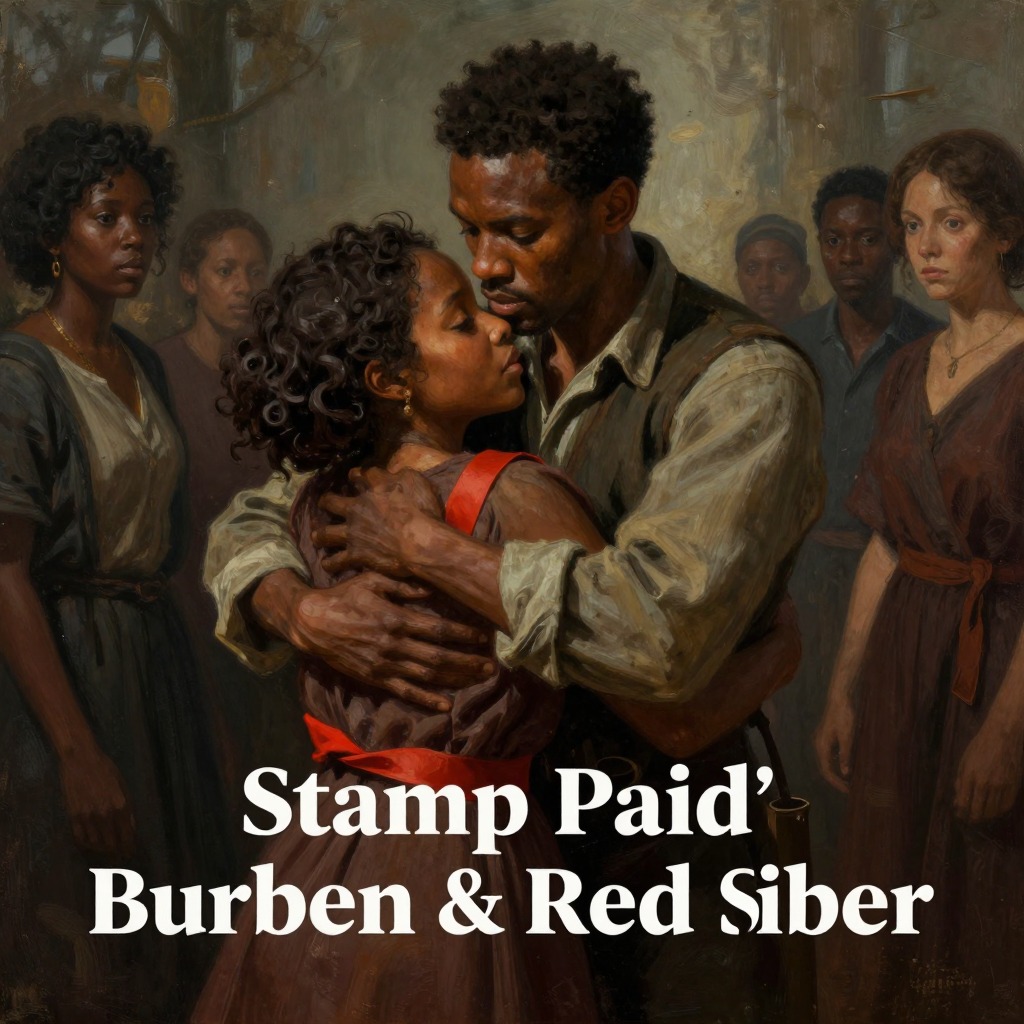
Stamp Paid, while tying his flatbed up on the bank of the Licking River, discovers a red ribbon knotted around a curl of wet woolly hair, still clinging to its bit of scalp. He unties the ribbon and puts it in his pocket, dropping the curl in the weeds. This discovery is a visceral reminder of the violence and brutality inflicted on Black people, and it deeply affects Stamp Paid, causing him to stop, short of breath and dizzy. The ribbon becomes a symbol of the countless unnamed victims of racial terror, and it haunts Stamp Paid as he reflects on the state of the world in 1874, a time when "whole towns wiped clean of Negroes; eighty-seven lynchings in one year alone in Kentucky; four colored schools burned to the ground; grown men whipped like children; children whipped like adults; black women raped by the crew; property taken, necks broken." The river, thus, becomes a site of both natural beauty and profound sorrow.
The River as a Boundary and a Crossing
The Licking River also serves as a geographical and symbolic boundary in the novel. It is part of the landscape that separates the slave state of Kentucky from the free state of Ohio, and it is a crossing point for those seeking freedom. The river is mentioned in the context of Paul D's journey north, as he follows the tree flowers from Georgia to Delaware, and it is a reminder of the perilous journeys undertaken by fugitive slaves. The river's presence underscores the precariousness of freedom and the constant threat of recapture, as well as the resilience of those who dared to cross it.
Narrative Significance
The Licking River, though mentioned only briefly in the novel, carries significant thematic weight. It is a place where the past and present converge, where the spirits of the dead and the living coexist, and where the violence of slavery and racism is made tangible. The river serves as a reminder of the interconnectedness of all forms of oppression, from the displacement of Indigenous peoples to the enslavement of Africans and their descendants. In this way, the Licking River is not just a geographical feature but a symbol of the enduring legacy of trauma and the possibility of remembrance and healing.