Laura's father
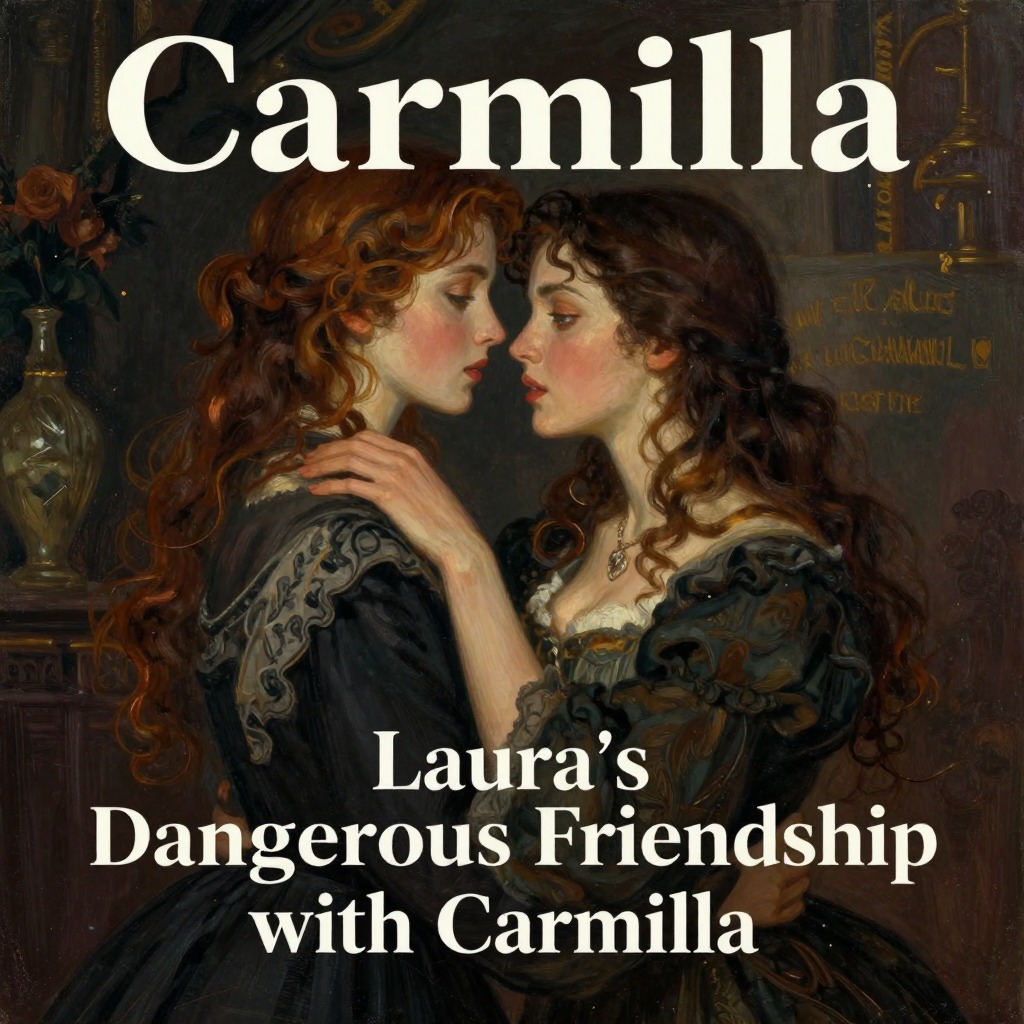
CarmillaLaura's father is the English-born patriarch who owns the schloss in Styria, a retired Austrian officer whose pension and patrimony purchased the feudal residence and its small estate as a bargain. He is described by his daughter as "the kindest man on earth, but growing old," and he constitutes, together with Laura, the entire family at the schloss, his wife having died in Laura's infancy. His English identity is a deliberate presence in the household: he insists on speaking English daily to prevent it from becoming a lost language, and he reads Shakespeare aloud, quoting "In truth I know not why I am so sad" on the evening of Carmilla's arrival, a line that foreshadows his own vague foreboding of misfortune.
Hospitality and Trust
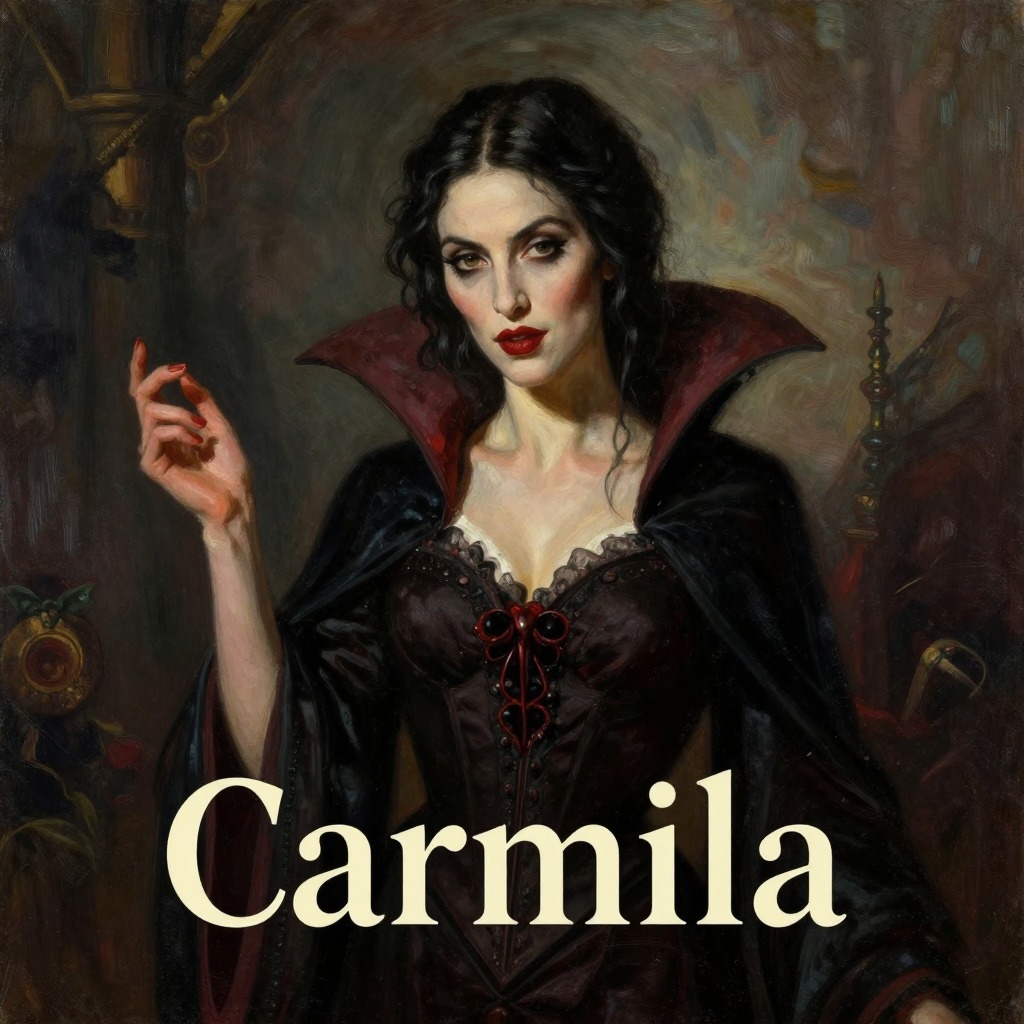
Laura's father is defined by an open, chivalric hospitality that proves dangerously indiscriminate. When the carriage of the lady in black velvet overturns at the drawbridge, he immediately offers the resources of his schloss, and when Laura whispers to him to ask the lady to let her daughter stay, he makes a formal, generous offer of care. He accepts the lady's strange terms—that her daughter must remain silent about her identity and origins—without serious demur, and he later tells Laura that the lady emphasized the word "secret" with a stern look. His trust extends to the lady herself, whom he finds "distinguished and even imposing," and he does not perceive the change in her countenance when she speaks to him privately with a "fixed and stern" expression. This trusting nature is the mechanism by which Carmilla gains entry to the household.
Protective Concern and Blindness
Laura's father shows genuine, if sometimes belated, protective concern for his daughter. When Laura suffers her childhood nightmare, he comes to her bedside, talks cheerfully, asks the nurse questions, laughs heartily, and tells Laura it was "nothing but a dream," though she is not comforted. Later, as Laura's health declines under Carmilla's influence, he notices her pallor and asks whether she is ill, but Laura's obstinate denials satisfy him. He arranges for a servant to sleep outside Carmilla's door after her mysterious disappearance, and he sends for Doctor Spielsberg without telling Laura. During the doctor's examination, he grows pale upon seeing the small blue puncture mark on Laura's throat, and he concurs with the doctor's directive that Laura must never be left alone. Yet even then, he does not immediately reveal the full nature of the threat to Laura, preferring to shield her from the truth.
Role in the Confrontation and Resolution
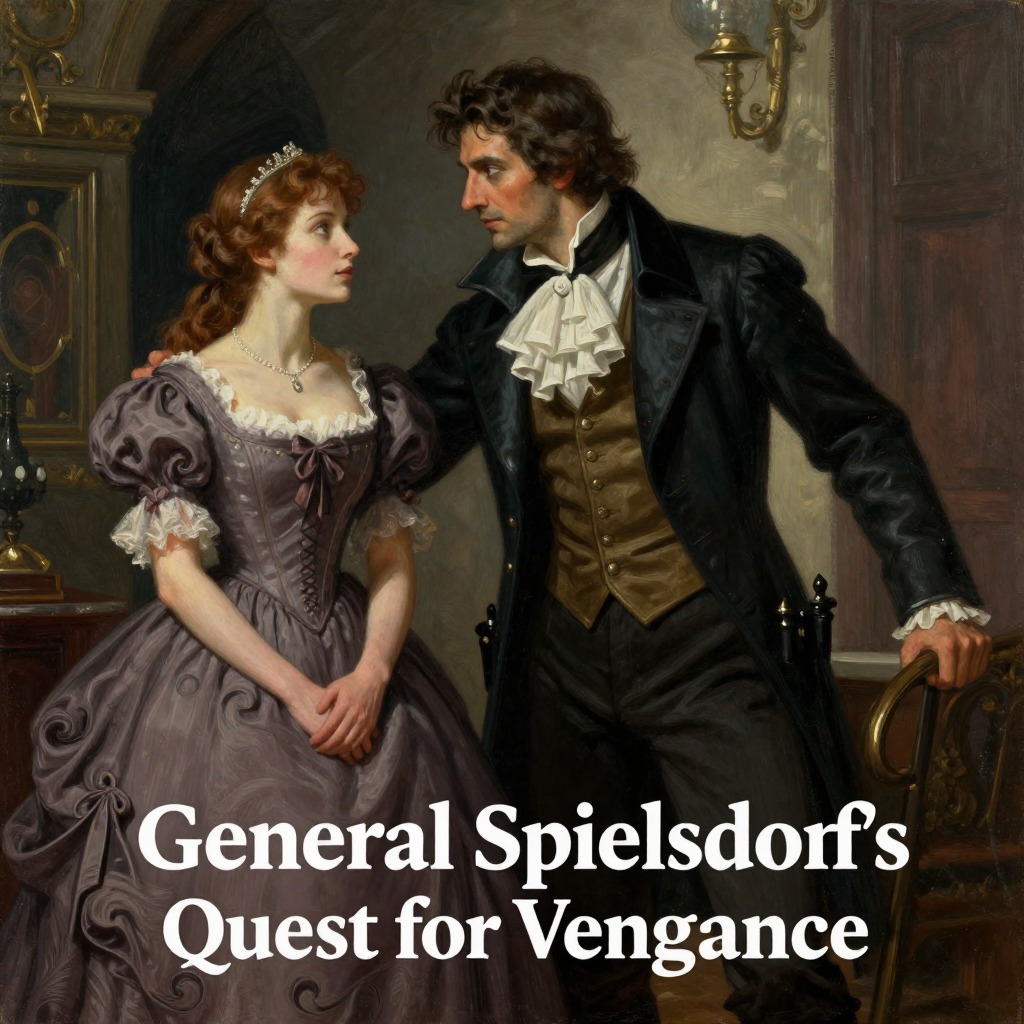
Laura's father becomes a key participant in the final confrontation with Carmilla. He accompanies Laura, Madame Perrodon, and General Spielsdorf to the ruins of Karnstein, where he listens to the General's story and recognizes the parallels to Laura's own symptoms. At the chapel, he leads the Baron Vordenburg to examine the wall, and together they discover the long-lost monument of Mircalla, Countess Karnstein. He kisses Laura repeatedly and leads her away, saying it is time to return, and he persuades the local priest to accompany them to the schloss. He keeps the details of the chapel scene secret from Laura for the present, but he arranges for two servants and Madame to sit up in her room that night, with himself and the priest keeping watch in the adjoining dressing room. After Carmilla's expulsion, he remains with the Baron Vordenburg for two or three weeks, and he later obtains a copy of the Imperial Commission report that documents the exhumation and destruction of the vampire. The following spring, he takes Laura on a tour through Italy, remaining away for more than a year, an act that completes her physical and psychological recovery.
Thematic Significance
Laura's father embodies the rational, benevolent, but ultimately inadequate paternal authority that cannot protect against a supernatural threat it refuses to recognize until too late. His Englishness, his military background, and his reliance on natural explanations—he attributes the local deaths to "natural causes" and superstition—make him a figure of Enlightenment reason confronted with Gothic horror. His love for Laura is genuine, but his blindness to Carmilla's true nature and his willingness to accept the lady in black velvet's secrecy without question allow the vampire to establish itself in his home. He is, in the end, a sympathetic but flawed guardian, whose belated action, combined with the specialized knowledge of Baron Vordenburg and the vengeful determination of General Spielsdorf, finally delivers his daughter from the vampire's grip.