Hastings's abandoned poisoning plan
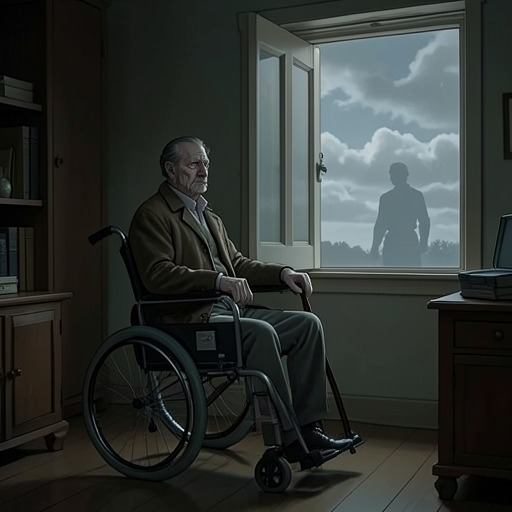
CurtainHastings's abandoned poisoning plan is the episode in which Arthur Hastings, driven by anger over Allerton's pursuit of Judith, prepares to drug him with Slumberyl. He does not carry the plan through: exhaustion makes him fall asleep while waiting for Allerton, and the next morning he recognizes the act as a grave, wrong-headed decision and confesses to Hercule Poirot. Poirot's explanation of how the evidence would have implicated Hastings turns the failed attempt into a lesson in the difference between imagining a crime and understanding its consequences.
Causes and Immediate Context
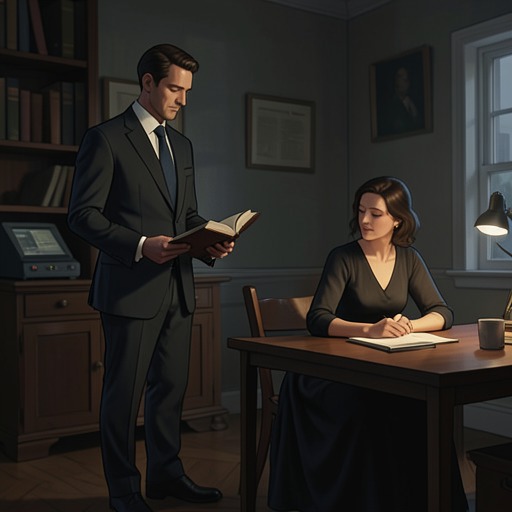
Hastings's decision follows his overhearing Allerton speak to Judith about a concealed meeting in London. Allerton proposes that she travel to London the next day while he gives the household a false account of his own plans; his remarks make clear to Hastings that Allerton intends to pursue the arrangement without public scrutiny. Hastings initially allows Norton to lead him back to the house, appearing to yield, but inwardly decides to act against Allerton.
His anger is bound up with his concern for his daughter. In the following day's account, Poirot identifies the quarrel Hastings had with Judith about Allerton as part of the context that would have drawn suspicion to him. Hastings is not acting on evidence that Allerton has harmed Judith; he has overheard a proposal that he finds dishonourable and converts his objection into a plan to kill. The episode therefore turns a protective impulse into a deliberate criminal intention.
Preparation of the Plan
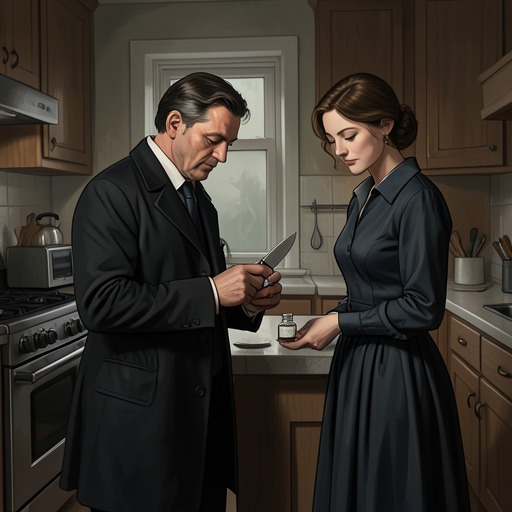
Hastings waits until the corridor is quiet and he believes he has the house to himself. He goes first to his own room for a bottle of aspirin, then enters Allerton's room and bathroom, where Slumberyl tablets are kept in a cupboard. He recalls Allerton's warning that the toxic dose is not high and calculates that eight tablets should be enough, though the stated dose is one or two. The label also warns against exceeding the prescribed amount.
To conceal the substitution, Hastings wraps a silk handkerchief around his hand before opening the bottle, intending to leave no fingerprints. He empties the tablets and compares them with the aspirins, finding them almost exactly the same size. He replaces eight Slumberyl tablets with eight aspirins and fills the bottle with the remaining Slumberyl, so that it appears unchanged while containing fewer tablets of the drug.
The intended delivery is a nightcap rather than a direct confrontation. Hastings takes whisky, two glasses, and a siphon to his own room, expecting Allerton to accept a drink, as Hastings believes he has never known him to refuse one. He tests a small amount of the dissolved tablets in spirits, judges the bitterness barely noticeable, and plans to serve the doctored drink to Allerton while pouring himself another. Each step depends on making the act look like an ordinary social gesture.
Abandonment and Confession
The plan fails before it can be put into motion. Hastings waits for Allerton but falls asleep. Writing about this failure, he calls it an anticlimax; yet the unplanned interruption prevents him from carrying out a decision he had carefully prepared. The next day, he sees his previous state of mind as overwrought and disproportionate, and recognizes that he had resolved to kill another person.
Hastings disposes of the whisky he had prepared, then goes to Poirot and makes a full confession. He says that he had feared Poirot would stop him if he had revealed his intention the night before. Poirot responds that Hastings had been thinking like a murderer: he had mistaken secrecy and practical precautions for cleverness, without grasping what those precautions would mean to investigators.
Poirot's Reconstruction of the Evidence
Poirot explains that wiping the bottle would not merely have concealed Hastings's fingerprints; it would also have removed Allerton's. If Allerton were found dead from a Slumberyl overdose, the absence of his fingerprints would be suspicious because neither an accidental overdose nor suicide would explain why he had wiped the bottle. An analysis would also find that nearly half the remaining tablets had been replaced with aspirin.
The substitution would acquire meaning when considered alongside Hastings's circumstances. Aspirin is common, but Hastings had quarrelled with Judith over Allerton the previous day, and both Boyd Carrington and Norton could testify to Hastings's intense hostility. Poirot adds that someone might have seen Hastings tampering with the tablets. Thus the very details Hastings had treated as safeguards—the cleaned bottle and altered contents—would have helped direct attention toward him.
Significance
The episode reverses Hastings's confidence in his own plan. He believes that a familiar setting, an apparently ordinary drink, and a bottle restored to its former appearance can make murder undetectable. Poirot instead reconstructs how the physical traces and the household's knowledge of Hastings's anger would combine to expose him. The plan's failure through sleep is accidental; his later confession is a conscious act that allows Poirot to confront both the intended crime and its likely consequences.
The account also places Hastings's judgment under scrutiny without treating his intention as harmless merely because no poisoning occurs. His concern for Judith does not excuse his decision to kill Allerton, and his preparations show how quickly moral outrage can become calculated violence. By confessing, Hastings acknowledges the seriousness of what he contemplated; Poirot's analysis makes clear that he had neither mastered the crime nor escaped its moral and evidentiary consequences.