Belisa flees into the wilderness
DianaBelisa’s flight into the wilderness follows a fatal chain of misunderstanding: Arsenio kills his son Arsileo without recognizing him, then takes his own life when he discovers what he has done. Belisa witnesses both deaths, abandons her parents’ home, and spends six months apart from other people. Her retreat turns a private love story into an account of grief that she must eventually tell before she can accept companionship again.
Causes and Background
Belisa recounts that she and Arsileo arranged a nighttime meeting in her father’s garden. He was to climb a mulberry tree opposite the window of her room, bringing them close enough to speak. She later recognizes the danger in having chosen this secret rendezvous: Arsileo could have spoken with her during their ordinary days in the fields, by the river, or in the grove, but the appointed meeting put him in the path of his father, Arsenio, who often watched the street at night.
Arsenio came upon the pair without their seeing or hearing him. He recognized Belisa at the window but did not realize that the figure in the mulberry tree was his son. Enraged by what he had seen, he returned to his lodging, armed a crossbow with a bolt coated in poisonous herbs, and went back to the garden. His failure to identify Arsileo made the secret encounter deadly.
The Deaths and Belisa’s Flight
Arsenio’s bolt struck Arsileo in the heart. Falling from the tree, Arsileo managed to address Belisa and lament that fortune had given him so little opportunity to serve her. His words disclosed his identity to his father. Arsenio approached, saw that Arsileo had died, and understood that he had killed his own son. He then drove his sword into his own heart and died beside him.
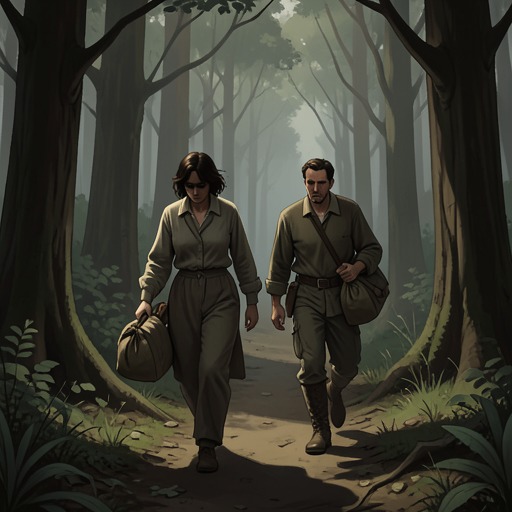
Belisa saw the deaths and left her parents’ house immediately, overcome and unable to think through what had happened. She describes herself as fleeing toward a desolate place while directing complaints to the heavens, filling the air with sighs, and cursing death for making her learn its violence so suddenly. The flight is not a planned journey or an attempt to resolve the lovers’ conflict; it is an immediate withdrawal from the scene of a loss she cannot bear.
Six Months in Seclusion
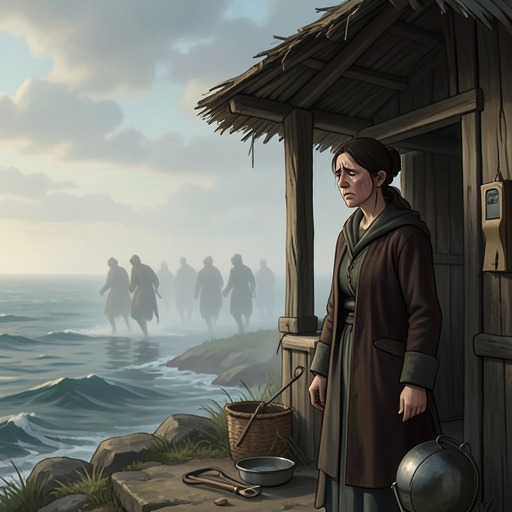
Belisa says that she has spent six months in that place without seeing or speaking to anyone and without trying to seek anyone out. The duration makes her flight more than a momentary escape: she has cut herself off from human company and made the wilderness a setting for sustained mourning. She believes that the place suits her grief and could also be where her life ends if time brings her further injury.
Her account also complicates the meaning of the catastrophe. Belisa mourns Arsileo, but she says that Arsenio’s death pains her too: he had consistently shown her affection, loved her with kindness and honesty, and suffered sleepless nights because of her. She even recalls that she might have married Arsenio had Arsileo not come to the country. The deaths therefore leave her grieving both the man she loved and the man whose affection had also mattered to her.
From Isolation to Company
Belisa’s narration takes place after she encounters the nymphs and the shepherds Sireno, Silvano, and Selvagia, along with Felismena. As she finishes recounting the deaths and her flight, her grief becomes shared: those listening weep with her. The nymph Dorida does not claim that tears can undo the loss; instead, she urges Belisa not to spend her life alone and offers to take her where she may choose a beloved without anyone preventing her.
Belisa first calls her refuge a suitable place to mourn and die, but she agrees to go with the nymphs and lets them decide what should happen next. Her flight thus ends not with the recovery of what was lost, but with a reluctant opening toward other people. The decisive change is from unvisited solitude to accepted companionship, made possible when Belisa turns the catastrophe into a story others can hear.