Pigeon House
DublinersThe Pigeon House is the destination Leo Dillon, Mahony, and the first-person narrator choose for a day of truancy: a place beyond their ordinary school routine that promises the adventure they crave. Though the outing carries the boys toward the waterfront, they never reach it; its importance lies in the gap between their ambitious plan and the tired, curtailed day they actually experience.
Place in the Outing
Near the summer holidays, the narrator resolves to escape the weariness of school for a day. He and Leo Dillon and Mahony arrange to meet at ten in the morning on the Canal Bridge, follow Wharf Road to the ships, cross by ferry, and walk out to the Pigeon House. The route turns the destination into the culmination of a carefully plotted excursion rather than an incidental place-name.
The boys prepare excuses to conceal their absence: Mahony’s big sister is to write one for him, while Leo Dillon plans to have his brother report that he is sick. Each saves sixpence for the outing. Their arrangements make the journey feel like a small act of independence, but also tie it to the secrecy and practical limits of their school lives.
The Plan and Its Reversal
The Pigeon House stands at the far end of the day’s projected route, associated with ships, a ferry crossing, and the promise of seeing something beyond the familiar. The boys’ desire to go there grows from dissatisfaction with school and with make-believe adventures; the narrator has concluded that real adventures must be sought away from home.
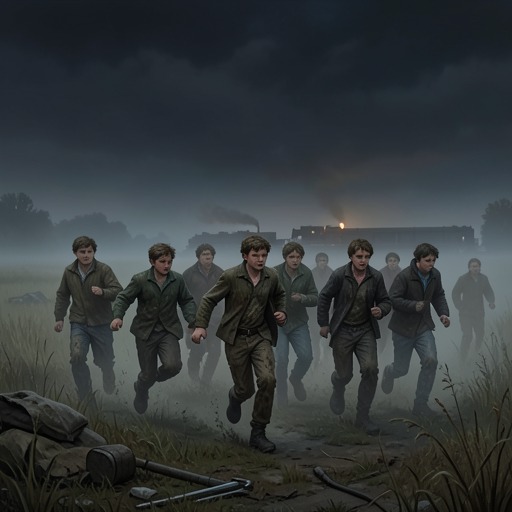
The intended visit does not happen. By the time the boys reach a field after wandering through Ringsend, it is too late and they are too tired to continue. They must be home before four o’clock to avoid discovery. Mahony looks regretfully at his catapult, and the narrator suggests taking the train home; the sun slips behind clouds as their provisions dwindle to crumbs. The excursion’s decisive turn is from anticipated adventure to a constrained return.
Narrative Significance
The destination gives the boys’ escape a concrete objective, while its absence from their actual experience exposes the limits of their plan. They manage to leave school and travel through unfamiliar surroundings, yet fatigue, time, and the risk of being found out determine how far their freedom can extend. The Pigeon House therefore remains both the measure of their ambition and the place they fail to reach.