Rotunda
DublinersRotunda is the concert venue where James Duffy first speaks with Emily Sinico, beginning an encounter that interrupts his otherwise isolated routine. The nearly empty hall shapes the meeting: its silence makes the evening seem to promise failure, while Emily’s comment about the singers prompts Duffy to talk with her and attend closely to her appearance.
Setting and First Appearance
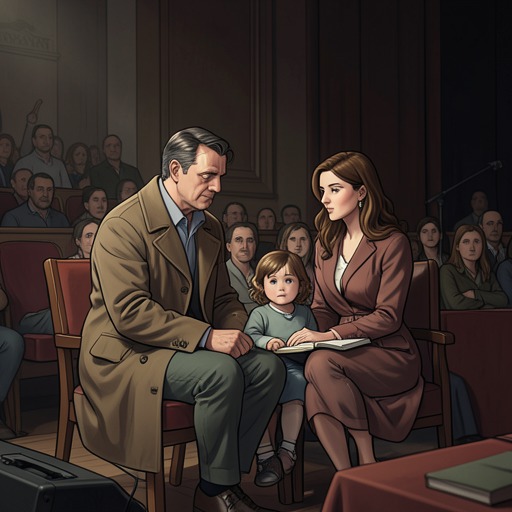
One evening, Duffy sat beside Emily and her young daughter at the Rotunda. The house was thinly peopled and silent, and its poor attendance seemed to foretell that the performance would fail. The setting is therefore more than a backdrop: the deserted benches give Emily’s opening remark its immediate subject and create the quiet interval in which the two adults begin speaking.
The Encounter
Emily looked around the empty house and remarked that it was a pity the audience was so small, since singing to empty benches was hard on performers. Duffy took this as an invitation to converse. He was surprised that she seemed so little awkward, and, as they talked, tried to fix her permanently in his memory. When he learned that the young girl beside her was her daughter, he judged Emily to be about a year younger than himself.
Narrative Significance
The Rotunda encounter contrasts with Duffy’s settled solitude. For years he had worked as a bank cashier, followed a regular routine, and lived without companions or friends; music was among the few diversions he permitted himself. At the concert, a shared response to the poor audience opens a conversation, and the narrative shifts from the general account of his solitary habits to his concentrated perception of another person.
The description of Emily is filtered through Duffy’s gaze, but it does not reduce her to a simple impression. Her face is described as oval, with strongly marked features and steady, very dark blue eyes. Their gaze first seems defiant, then briefly discloses a more sensitive temperament before prudence appears to reassert itself. The astrakhan jacket, which Duffy notes as emphasizing her figure, returns the description to a note of defiance. This movement between perceived sensibility and composure makes the encounter’s first portrait both attentive and uncertain: the reader sees Emily as Duffy tries to remember and interpret her, not through an independent account of her thoughts.