Annapolis
ErasureAnnapolis is a geographic anchor in Thelonious Ellison’s recollections: his family owned a bungalow near the city, and a summer visit there at age fifteen became a defining scene of exposure and retreat. The place joins the security of family surroundings to an encounter in which a teenager’s attempt to belong ends in public humiliation.
Setting and Background
Thelonious Ellison recalls that he did not grow up in an inner city or the rural South; his family owned a bungalow near Annapolis. This detail situates his childhood outside settings often treated as shorthand for Black experience. His recollection of Annapolis is specific rather than abstract: during a summer party, he could see the spire of the Capitol building and use it to orient himself in a part of the city he had never visited.
The Party and the City Dock
At fifteen, Thelonious Ellison went to a party in Annapolis with his older friend Doug Glass, who had his own car. The unfamiliar music, loud voices, and warm beer mark his awkwardness in a social setting where he did not yet feel at ease. When a tall boy named Clevon asked his name, he answered, “Monk.” Later, after a dance with Tina, the lights came on and Clevon and Reggie mocked him with the name “Monkey.” He ran out of the house and down the street toward the Capitol.
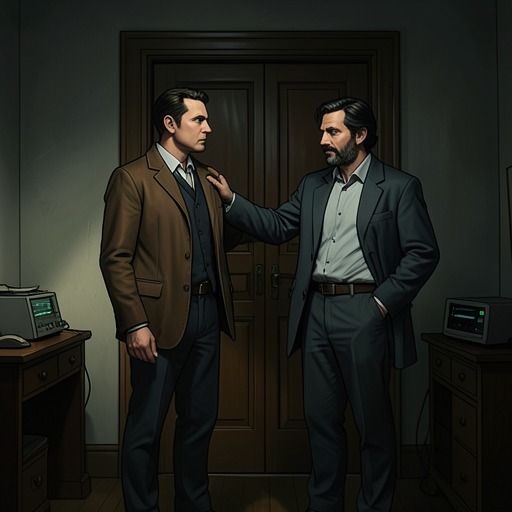
The city then offered a route from embarrassment back toward family, though not an effortless refuge. Thelonious Ellison reached the city dock, where his older brother Bill Ellison was with the family boat and friends. Bill asked whether he was all right; Thelonious said he was and asked to stay with him. Bill grudgingly agreed. The other men were awkward in Thelonious’s presence and gradually left, after which Bill told him to climb out and untie the boat, started the motor, and got them moving.
Narrative Significance
Annapolis holds two contrasting scales of experience: the family’s bungalow near the city and a public episode in which Thelonious Ellison’s vulnerability becomes a spectacle. The visible Capitol spire first helps him locate himself, then becomes the direction of his flight. At the dock, Bill’s practical actions—making room for him and taking the boat out—offer a quiet counterpoint to the ridicule, without erasing the awkwardness of the welcome. The recollection makes Annapolis not simply a childhood backdrop but a place where questions of belonging play out in concrete spaces, from an unfamiliar party to the family boat.