during the Korean War
Fiona and Benjamin in Korea
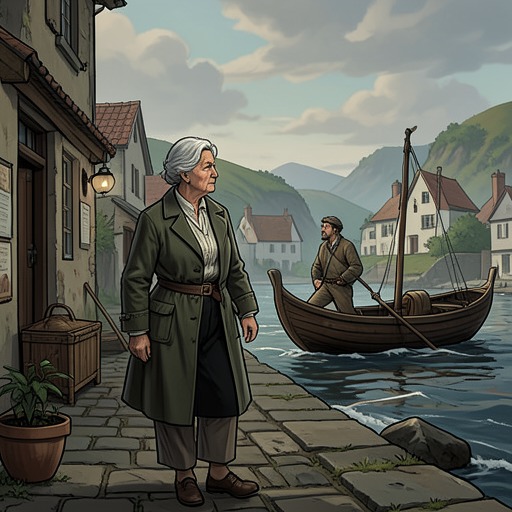
While serving in [Korea](entity:location-recall-location-3cdcfaf4a171), [Benjamin Ellison](entity:character-recall-character-benjamin-ellison-b754c6aee747) fell in love with [Fiona](entity:character-recall-character-fiona-cb23a9321826), a British nurse. Their relationship unfolded against the prejudice surrounding an interracial couple, a difference Fiona said became most visible when they had to hide.
1955 to 1956
A Daughter Kept Secret
After the war, Benjamin and [Fiona](entity:character-recall-character-fiona-cb23a9321826) exchanged letters while he returned to his wife and children. When Fiona became pregnant, she ended their correspondence and moved without leaving a forwarding address.
1956
Gretchen's Birth
[Fiona](entity:character-recall-character-fiona-cb23a9321826) sent Benjamin a postcard announcing the birth of their daughter, Gretchen. He wrote an anguished letter to the child, saying he loved her and wishing he could know her, but he had no address at which to send it.
during Monk's childhood
The Ellison Children
[Thelonious Ellison](entity:character-recall-character-thelonious-ellison-0ebc50d6d1ca) grew up with his older siblings Lisa and Bill in a prosperous family near Washington. His father, Benjamin, treated the children differently: Lisa and Bill followed more conventional paths, while Monk's inward, artistic temperament set him apart.
during Monk's childhood summers
Summer at Highland Beach
The family opened its beach house each summer, with [Lorraine](entity:character-recall-character-lorraine-4a3d0ed0f14d) helping care for the household while Benjamin joined them on weekends. Father and son took early walks, watched crabs in the tidal creek, and shared the private ease of fishing together.
when Monk was a child
A Father's Praise
On the beach, Benjamin told Monk that he was a good boy with a special mind and urged him to preserve his relaxed nature. Moments later, Benjamin suffered his first heart attack and told his son to stay calm and get help.
when Monk was fifteen
The Party in Annapolis
At a party, boys mocked Monk's nickname and then humiliated him when his arousal became visible while he danced with Tina. He fled toward the Capitol and eventually found Bill at the family boat, where the familiar water and engine helped him recover.
when Monk was seventeen
The Basketball Court
While playing basketball, Monk was distracted by thoughts of Hegel and threw an awkward shot. When teammates challenged him about it, his answer exposed the intellectual distance he felt from other boys and gave them another reason to tease him.
during Monk's freshman year of college
The Dinner Table Argument
Home for [Christmas](entity:time-recall-time-christmas-a573265d0167), Monk explained his view that Joyce's experimental novel ultimately reaffirmed conventional narrative. Benjamin challenged the argument, then abruptly told Monk to kiss his siblings before bed, leaving Monk feeling both singled out and burdened by his father's favoritism.
seven years before the Washington visit
Benjamin's Suicide
After surviving four heart attacks, Benjamin died by suicide one unseasonably warm February evening while Agnes was away with her bridge club. She called the children in age order and told each one to come home for their father's funeral.
before Monk's Washington visit
Lives After Benjamin
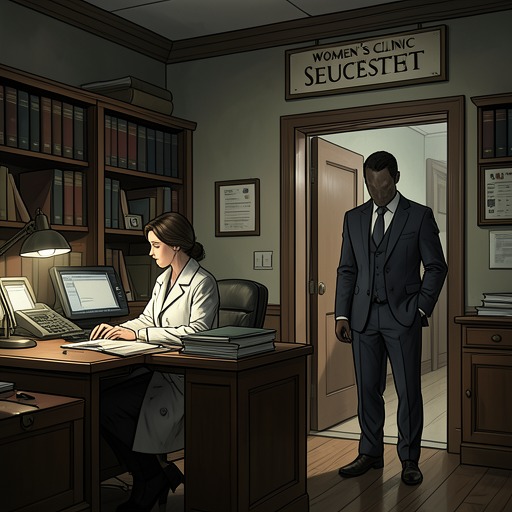
Lisa became a physician devoted to a women's clinic, while Bill pursued a lucrative plastic-surgery practice and concealed that he was gay. Lisa divorced Barry, and Monk built a quieter life in California as a novelist and professor, increasingly estranged from his siblings.
three years after Monk's previous visit
A Trip to Washington
Monk traveled to [Washington, D.C.](entity:location-recall-location-washington-d-c-2a63ac520a1d), for a [Nouveau Roman Society](entity:organization-recall-organization-nouveau-roman-so-704cb85f2075) conference, partly because Agnes and Lisa still lived there. He kept his flight and hotel secret from his mother and stayed at the [Tabbard Inn](entity:location-recall-location-tabbard-inn-54e6576aca83), which appealed to him because his room had no telephone.
the evening Monk arrives
Lisa's Warning
Lisa picked Monk up and told him Agnes was forgetting things, including that Lisa and Barry were divorced. She was handling their mother's bills and household problems largely alone, while Monk recognized how little he knew about the family's day-to-day life.
the evening Monk arrives
The Papers in the Fireplace
At the family home, Monk noticed ashes in the fireplace, which Agnes had never used because she feared fire. She said she had finally burned papers Benjamin had asked her to destroy, but the explanation left Monk and Lisa unsure what had been in the box.
during the first family dinner
Agnes Forgets the Divorce
At dinner, Agnes asked Lisa whether she and Barry were expecting a baby, forgetting that they had divorced. Lisa corrected her bluntly, making the decline impossible to dismiss as ordinary absentmindedness.
the morning after Monk arrives
The Conference Paper
At the conference, Monk presented an experimental paper that reworked Roland Barthes's method of reading a text. The audience received it with tentative applause and bafflement, confirming how far his literary interests stood from the tastes of many of his peers.
immediately after the conference paper
Gimbel's Keys
[Davis Gimbel](entity:character-recall-character-davis-gimbel-9784c195dfe2) threw his keys toward Monk and called him a bastard, though Monk believed Gimbel had not understood the paper. Monk returned the keys with a dry remark, turning the outburst into a public confrontation.
later that day
A Threat at the Hotel
Back at the [Tabbard Inn](entity:location-recall-location-tabbard-inn-54e6576aca83), Monk found a death threat signed by the Ghost of Wyndham Lewis. He dismissed the threat as the bluster of writers who mistook hostility for artistic achievement.
during the Washington visit
The Clinic Waiting Room
Monk visited Lisa at her clinic in Southeast Washington and was warmly welcomed by the staff. In the waiting room, he spoke with Tamika Jones, a young mother who discussed Cane and Their Eyes Were Watching God with a perceptiveness that made him recognize his own assumptions about her.
during Monk's adolescence
The Mocked Name
In a childhood memory, Monk recalled being mocked at a party for the nickname Monk and for the way he spoke. He had wanted to fit in, but borrowed slang never felt natural to him, reinforcing his sense that he stood outside other people's social codes.
after Monk visits Lisa's clinic
The Bookstore Discovery
At a bookstore, Monk found his own novels shelved under African American Studies, though their subjects had little to do with the category. Nearby, he read the opening of [Juanita Mae Jenkins](entity:character-recall-character-juanita-mae-jenkins-92dea791015e)'s [We’s Lives In Da Ghetto](entity:object-recall-object-we-s-lives-in-da-ghett-a31ada1300d1) and was appalled by its caricatured dialect and the assumptions its marketing invited readers to make.
when Monk was thirteen
Monk's Childhood Confession
When Lisa caught him masturbating, Monk answered her plainly instead of acting ashamed. Lisa first called him a pervert, then admitted the behavior was normal, offering an awkward but genuine moment of sibling care.
the day after Monk's conference
Lisa's Work and the Money
Over lunch, Monk told Lisa he admired her work at the clinic and apologized for being absent from their mother's care. Lisa said Agnes was running out of money, a disclosure that made Monk confront the practical cost of his distance.
during Monk's visit to Agnes's house
The Gray Box's Message
Agnes repeated that Benjamin had asked her to burn the papers in a gray box without reading them, although she had called the box blue and had already described the smoke from the fireplace. Monk understood she was trying to convey something, but he could not decipher the rules of her indirect message.
the evening of the family dinner
The Office Goes Up for Sale
Lisa told Agnes that the upkeep on Benjamin's former medical office was draining money and that she intended to sell it. Monk supported the decision, and Agnes agreed at once, prompting Lisa to resent how easily their mother's approval followed her younger brother's intervention.
the night after the conference
Gimbel's Challenge
Gimbel confronted Monk outside the hotel, accusing him of interrupting the postmodern movement and provoking its decline. When Gimbel swung at him, Monk stepped aside and watched him fall into an azalea bush, then went inside rather than join the spectacle.
during a later fishing trip
The Frenchmen at the Diner
At a diner, Monk saw two men speaking French threatened by local bigots who assumed they were gay. He challenged the aggressors and joined the Frenchmen, only to learn that they were large enough to defend themselves without him.
several weeks after Monk returns to California
Lisa Is Murdered
After his seventeenth novel was rejected, Monk's agent told him that publishers wanted more recognizable depictions of Black life. [Lorraine](entity:character-recall-character-lorraine-4a3d0ed0f14d) then called with the news that Lisa had been shot and killed at the clinic, apparently by an anti-abortion assailant.
immediately after Lisa's death
The Funeral and Bill's Confession
Monk and Bill returned to Agnes's house, where their mother was sedated and unable to take in the news. After Lisa's cremation and funeral, Bill disclosed that he had come out to Sandy, lost his children and much of his money, and watched his medical practice collapse.
after Lisa's funeral
Monk Moves Home
Seeing that Bill could not take responsibility for Agnes and [Lorraine](entity:character-recall-character-lorraine-4a3d0ed0f14d), Monk decided to leave California and return to Washington. He took leave from teaching and moved into his childhood home, accepting the role of caregiver even as he resented the life he was giving up.
soon after Monk moves back
The Clinic's Precarious Future
Monk learned that Lisa's clinic was financially vulnerable and that its surviving physicians were considering leaving. Her death had left him responsible for her share of the practice, while the doctors feared becoming targets themselves.
during Monk's first months back
A Job at American University
Needing income, Monk brought his credentials to American University's English department and learned that a possible teaching position paid very little. The offer made clear that the literary career he had built would not readily support the family now depending on him.
during Monk's early caregiving months
Lorraine's Place in the Family
Monk apologized to [Lorraine](entity:character-recall-character-lorraine-4a3d0ed0f14d) for the language in his books, and she answered that she had used such words herself. She told him she had no family outside the Ellisons and did not know where she would go if Agnes died; Monk promised that she could stay with him.
during Monk's first summer back
Lorraine and Maynard
Monk discovered that [Lorraine and Maynard Boatwright](entity:relation-recall-relation-lorraine-and-maynard-d1d0fb9a85c7) had begun a relationship, and the two later told him they planned to marry. The news brought [Lorraine](entity:character-recall-character-lorraine-4a3d0ed0f14d) a future of her own, though it also made Monk fear that both women he depended on would soon need him in different ways.
after Monk settles into Agnes's house
The Caregiver's Reckoning
Monk began managing bills and household care while Agnes's memory worsened. He caught himself hoping that he would only have to care for her for a year because she might die, and felt ashamed when he recognized the thought for what it was.
during Monk's first months in Washington
The Manuscript of My Pafology
After another rejection and his agent's suggestion that he write more conventionally, Monk fixated on Jenkins's bestseller and the racial expectations surrounding it. He began a deliberately crude parody under the name [Stagg R. Leigh](entity:character-recall-character-stagg-r-leigh-b9c0497b9849), producing a manuscript he knew he could never publish as his own work.
within the fictional chronology of My Pafology
Van Go's Violent World
In the manuscript, Van Go Jenkins narrates a life shaped by poverty, violence, and resentment. He treats his mother Sadie, his sister Tardreece, and the children he claims as his own with alternating attachment and cruelty, while imagining that a gun will make him powerful.
early in Van Go's fictional story
Cleona's Assault
Van Go visits [Cleona](entity:character-recall-character-cleona-c8e4e13c5955) under the pretense of giving her money for Rexall, then forces himself on her. During their argument afterward, Cleona tells him Rexall is not his son and says Van Go has never actually paid support.
after the assault on Cleona
The Gun Scheme
At the pool hall, Van Go and his friends [Yellow](entity:character-recall-character-yellow-368e0b3e485b) and Tito gamble and talk about getting a gun to rob a local grocer. A hustler's threat and their own bravado feed Van Go's conviction that violence is the only route to money and respect.
after Van Go loses his warehouse job
Van Go Hired by the Daltons
Sadie's friend [Lois](entity:character-recall-character-lois-59eb752c53d8) secured Van Go work at the wealthy Dalton household, where he was assigned to clean the pool area and wash cars. Van Go was astonished that [Mr. Dalton](entity:character-recall-character-mr-dalton-edfb80ae8eee) was Black, but continued to imagine the job as a stepping stone to theft and a gun.
during Van Go's employment at the Dalton home
Penelope's Ride
Penelope Dalton asked Van Go to drive her and Roger into his neighborhood. They treated the trip as an excursion into an exotic place, joking about his education and surroundings; Van Go endured their condescension while resenting their wealth.
during the ride with Penelope and Roger
The Fight with Jeep Man
When a man from the neighborhood confronted Van Go, he attacked him and beat him badly. Penelope witnessed the violence, and Van Go took satisfaction in displaying the power he believed others had denied him.
that night in the fictional chronology
Van Go Assaults Penelope
Van Go brought the intoxicated Penelope back to the Dalton property and took her to the pool house. When a blind woman searched for Penelope, Van Go silenced her with a kiss and then sexually assaulted Penelope while she was incapacitated.
the morning after Penelope's assault
The Television Ambush
Van Go was invited onto the [Snookie Cane](entity:character-recall-character-snookie-cane-1513ef4192a1) Show, believing that a secret admirer wanted to meet him. Instead, the program confronted him with the mothers of his children, who accused him of failing to provide support, and then brought on Mad Dog as a responsible father figure.
immediately after the television appearance
Reynisha's Gun
Van Go escaped from the studio as police moved to arrest him over Penelope's assault. In his neighborhood, [Reynisha](entity:character-recall-character-reynisha-e9e37df2b260) tried to shoot him, but he took her pistol and left with the weapon that would turn his fantasies of power into a real danger.
after Random House's offer
The Leigh Persona
Monk accepted the deal but told [Yul](entity:character-recall-character-yul-cb87c791b4dd) to present Stagg as a reclusive former prisoner who would speak only about the book. On a phone call with editor Paula Baderman, he maintained the persona and watched her interpret his silence and bluntness as proof of authenticity.
during Monk's first summer back
Bill's Late Night Call
Bill called Monk to ask how long his brother had known that he was gay. Monk offered support but warned that Agnes was unlikely to understand or remember a disclosure, and the conversation ended with Bill feeling judged rather than comforted.
after the Random House deal
The Bedside Table
Monk began building a bedside table for Agnes, hoping the physical work would steady him while he considered his compromised artistic position. When the doctor described her condition as probable early [Alzheimer's disease](entity:state-recall-state-10e378d5ee41) and warned that she could not safely be left alone, Monk mutilated the table's shape in a fit of anxiety.
after Agnes's decline becomes unmistakable
The Letters in the Box
Monk finally opened Benjamin's gray box and found [Fiona](entity:character-recall-character-fiona-cb23a9321826)'s letters, a pressed flower, and a small novel that had belonged to his father. The letters revealed a long-hidden affair, Fiona's pregnancy, and Benjamin's continuing love for the daughter he had never been able to find.
after reading the letters
Monk Learns of Gretchen
Benjamin's unsent letter told Gretchen that she had three siblings and that he loved her, while also admitting that he had failed to leave his family for [Fiona](entity:character-recall-character-fiona-cb23a9321826). Monk realized he had a half-sister and that Agnes had likely left the papers for him to discover.
later that summer
The Beach House Journey
With the book advance in hand, Monk offered to take Agnes anywhere she wished. She chose the family's beach house, and Monk brought [Lorraine](entity:character-recall-character-lorraine-4a3d0ed0f14d) along; he also invited Bill, who could not initially leave his legal and family troubles.
during the beach-house stay
Marilyn and Monk
At Highland Beach, Monk met [Marilyn Tilman](entity:character-recall-character-marilyn-tilman-4bde157d8aa7), whose uncle had once owned the neighboring house. They talked, shared an attraction, and kissed by the water, giving Monk a brief prospect of companionship beyond the family crisis.
during the beach-house stay
Agnes Drifts into the Pond
One morning, Monk found Agnes standing alone in a skiff far out on the pond. She struck at him with an oar when he tried to approach, but he managed to tow the boat back to shore and guide her home, recognizing how little control remained over her wandering.
during the beach-house stay
Clevon Returns
Monk went to see Marilyn and found Clevon there, learning that the two had slept together after their earlier breakup. Marilyn said she and Clevon were now finished, but the confession left Monk jealous and uncertain about their relationship.
after the beach-house stay
The Care Home Visit
Back in Maryland, Monk toured a dementia-care home near [Columbia](entity:location-recall-location-columbia-904c49c8ab16) and saw the institutional future Agnes might face. He delayed making the decision, wanting one more unmistakable episode before he surrendered the hope of caring for her at home.
two days before Lorraine and Maynard's planned wedding
Lorraine's Wedding Crisis
Monk learned that [Lorraine](entity:character-recall-character-lorraine-4a3d0ed0f14d) and Maynard planned to marry and was relieved that they would live in Maynard's home. At their gathering, however, Agnes's confusion made her insult the family, and Monk's blunt remark that Lorraine was old deepened the tension before the ceremony could begin.
the day of Lorraine and Maynard's wedding
The Wedding Unravels
Agnes bolted into the bathroom and locked the door, while relatives accused [Lorraine](entity:character-recall-character-lorraine-4a3d0ed0f14d) of pursuing Maynard's money and the gathering erupted into argument. Monk broke into the bathroom, dressed his distressed mother, and carried her away; Lorraine and Maynard nevertheless married, and Lorraine left for her honeymoon feeling unappreciated.
the morning after Lorraine's wedding
Agnes Enters the Care Home
After spending a sleepless night watching Agnes, Monk explained that she had become unsafe at home and told her he would take her to a new place. She briefly seemed to understand and said she trusted him to do what was best.
the day Agnes is admitted
The Last Clear Walk
Before the move, Monk walked with Agnes to the beach and told her about the episodes she could no longer remember. She did not resist the explanation; instead, she accepted that it was time to go, and Monk took her to the care home.
the first day at the care home
Agnes Forgets Monk
At the facility, Agnes initially followed the admission process calmly, but outside she wandered toward the fence and no longer recognized Monk. The young nurse helped settle her, and Monk understood that bringing familiar furniture from home would not undo the distance between them.
after Agnes's admission
Bill Comes to Washington
Bill finally traveled to Washington, arriving with blond hair and a changed appearance. He and Monk visited Agnes, who recognized neither son, and Bill said his children were struggling with his coming out and the separation from their father.
during Bill's visit
Monk Finds Fiona's Address
While examining the papers again, Monk found an address for [Fiona](entity:character-recall-character-fiona-cb23a9321826)'s sister concealed in the pages of the book from the box. The discovery gave him a path to Gretchen and turned his father's private history into a living question he could pursue.
after Random House accepts the manuscript
The Title Becomes Fuck
Monk insisted that Stagg's book be titled Fuck rather than My Pafology, refusing the publisher's suggestion to disguise the word with a different spelling. [Random House](entity:organization-recall-organization-random-house-90457f38aed7) eventually agreed, and the novel entered production under the deliberately provocative title.
after the title change
Wiley Buys the Film Rights
Producer [Wiley Morgenstein](entity:character-recall-character-wiley-morgenstein-16f8775ffb77) offered three million dollars for the film rights and insisted on meeting Stagg Leigh. Monk prepared a convincing criminal persona, then used the meeting to unsettle Wiley with his restraint and a fabricated account of prison time.
during the New York trip
Monk Meets Gretchen
Monk followed the address to [Gretchen Hanley](entity:character-recall-character-gretchen-hanley-b391e9a06d0a), whose cousin confirmed the family connection and led him to her home. Gretchen was wary and bitter; Monk gave her Benjamin's letter and a check for one hundred thousand dollars, but she challenged the idea that money could repair the life her father had missed.
after Fuck becomes a bestseller
Stagg Appears on Television
To satisfy a book-club promotion, Monk appeared on [Kenya Dunston](entity:character-recall-character-kenya-dunston-81b9139113c0)'s show behind a screen as Stagg Leigh, wearing dark glasses and a beard. He barely answered questions while Kenya praised the novel as an authentic account of Black life and read passages to an approving audience.
after Fuck is published
The Award Nomination
Monk accepted an invitation to join the Book Award judging committee, hoping to influence the literary climate he had long criticized. When a galley of Fuck arrived for consideration, he chose to conceal that he was Stagg and to leave the book on the committee's list.
during the judging period
The Judges Praise Fuck
The judges repeatedly praised Fuck as a powerful and authentic portrayal of Black life, while Monk heard their approval as confirmation of the book's racist misreading. His colleagues advanced it toward the shortlist despite his private horror at the reception.
at the final judging meeting
The Prize Goes to Stagg
At the final vote, Monk argued that Fuck was not a novel and called it racist, mindless, and offensive. The other four judges voted for it anyway, making Stagg Leigh the winner and forcing Monk to face the consequences of his own experiment.
at the novel's climax
The Award Ceremony
At the [National Book Association](entity:organization-recall-organization-national-book-as-8647fe7e935e) ceremony, [Wilson Harnet](entity:character-recall-character-wilson-harnet-d4cc04ddd40e) announced Fuck as the winner. Monk walked toward the stage through a hall that seemed to dissolve into sand, seeing figures from his life and past as the ceremony turned into a private reckoning.
during the award ceremony
Monk Sees Stagg
A child held up a mirror in which Monk saw Stagg Leigh's face. As the crowd and his imagined family pressed around him, Monk spoke of pain and illusion, then looked into a television camera and said, "Egads, I'm on television."