Half-Sovereign
HungerThe half-sovereign is a coin of ambiguous value in Knut Hamsun's Hunger, appearing at three critical junctures to measure the narrator's fluctuating relationship with poverty, pride, and moral integrity. Each time it arrives as a potential rescue, and each time the narrator's handling of it reveals a deeper stage of his degradation. The coin's journey through the novel—from earned payment to charitable advance to anonymous alms thrown in a landlady's face—traces the arc of a man who can neither keep his dignity nor fully surrender it.
First Appearance: Earned Payment
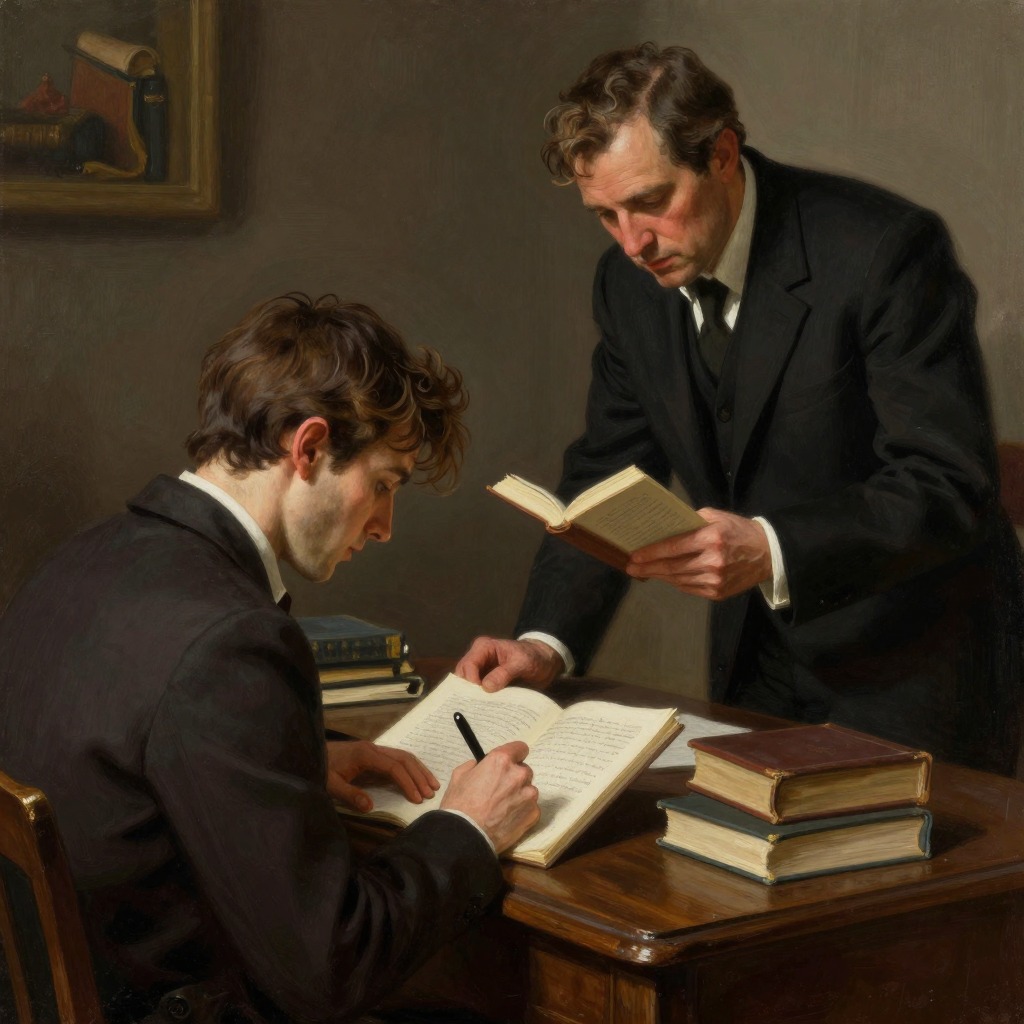
The half-sovereign first enters the story as the payment for the narrator's accepted sketch. After a night of inspired writing, he delivers the manuscript to the newspaper office and later finds a letter from the editor: the story is accepted, set in type immediately, with only a few slight alterations, and he is to receive half-a-sovereign. The narrator laughs and cries, jumps and runs down the street, slapping his thighs and swearing loudly into space. All through the night until dawn he "jodles" about the streets, repeating "Worked out with talent—therefore a little masterpiece—a stroke of genius—and half-a-sovereign." This first half-sovereign is pure triumph: it validates his talent, pays his debts, and seems to promise that his luck has turned. Yet the money lasts only a short time, and within weeks he is again starving, having exhausted the coin on food and lodging.
Second Appearance: The Commandor's Advance
The second half-sovereign comes from the Commandor, the editor who had rejected the narrator's allegory about a fire. When they meet by chance near the railway square, the Commandor sees the narrator's desperate state—he has not eaten all day—and without fuss hands him half-a-sovereign, saying "it would never do to let you starve to death." The narrator is dumb with joy, unable even to thank him. He stands on the pavement gazing after the editor, weeping quietly, holding the coin up to his moistened eyes and inspecting it on both sides. He begins to swear at the top of his voice that there is no doubt what he holds is half-a-sovereign. This second coin is a gift of pure charity, and the narrator's inability to express gratitude—his paralysis before kindness—foreshadows the moral confusion that will follow.
Third Appearance: Ylajali's Alms and the Final Rejection
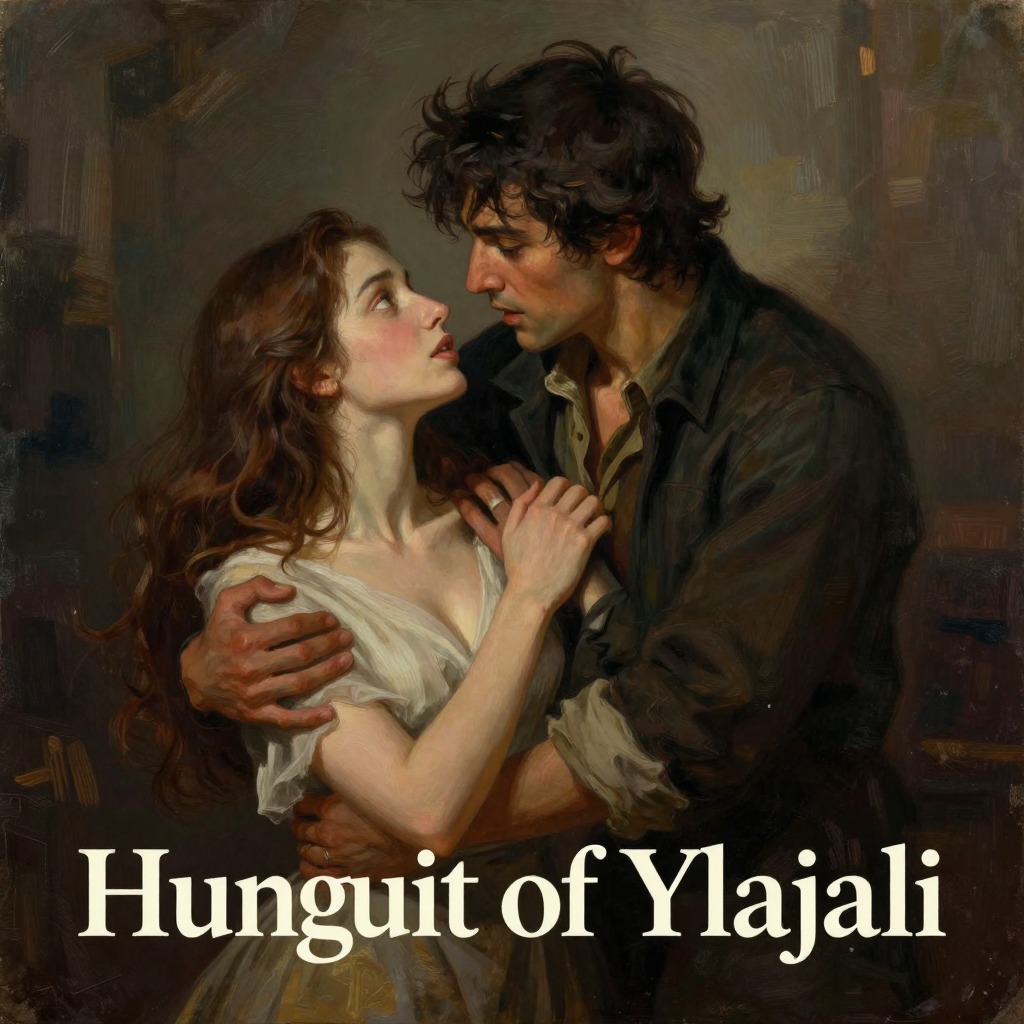
The third half-sovereign arrives anonymously, delivered by a commissionaire as the narrator is being thrown out of his lodging house in Vaterland. He tears open the envelope to find half-a-sovereign with no note, no word. He immediately understands: it is from Ylajali, the young woman he had visited and frightened with his erratic behavior. The coin is alms, a gift of pity. In a blind rage, the narrator crumples the envelope and coin together and flings it straight in the face of his landlady, who is watching from the doorway. He says nothing, utters no syllable. Later, sitting on a step, he regrets the act bitterly. He whispers "Ylajali" a few times with a hoarse voice, flings back his head, and realizes that he has only aroused her compassion and coaxed an alms from her. He cannot even maintain a decent position in her presence. The half-sovereign becomes the climax of his degradation: he accepted it, used it, and then threw it away in a gesture that was less about dignity than about impotent fury.
The Coin's Aftermath: Attempted Redemption
After throwing away the half-sovereign, the narrator tries to reclaim some moral ground. He goes to the cake-vendor near the chemist's under the sign of the elephant, the same woman to whom he had earlier given a handful of silver. He demands cakes in return, arguing that the money he gave her was an advance payment. The woman resists, but he bullies her into giving him four or five cakes at an exorbitant price. He eats them in the marketplace, talking loudly to himself about her dishonesty. This scene is a grotesque parody of exchange: the narrator, having lost the half-sovereign, tries to recover its value through a transaction that is neither gift nor purchase but a kind of moral blackmail. The cakes do not satisfy his hunger, and he is left with the bitter knowledge that he has debased himself further.
The Half-Sovereign as Moral Barometer
Throughout the novel, the half-sovereign functions as a moral barometer, measuring the narrator's distance from integrity. The first coin is earned and celebrated; the second is received with gratitude but also with shame; the third is accepted, thrown away, and then mourned. Each appearance of the coin marks a stage in the narrator's descent: from a writer who can still produce work of value, to a beggar who cannot even say thank you, to a man who destroys a gift of pity because he cannot bear to be pitied. The half-sovereign is never merely money; it is a test of character that the narrator consistently fails, and its final disappearance into the landlady's hands signals that he has lost even the capacity to receive help with grace.