Valsolda
LeilaValsolda is both a destination and a threshold in the novel: a place reached by a difficult journey across the lake, where Lelia Camin and Massimo Alberti meet again and where their love briefly finds shelter in the landscape. Its shifting weather, wooded slopes, settlements, and water routes shape the action rather than merely surrounding it. Valsolda is also bound to the final journey of Benedetto’s body and to the roses that accompany Donna Fedele Vayla di Brea’s death.
A destination reached by lake
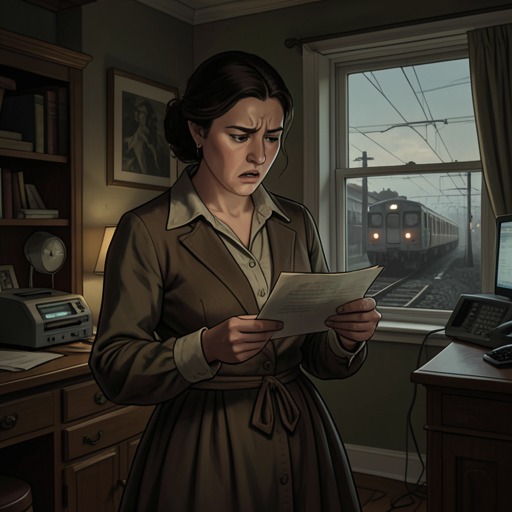
Donna Fedele’s journey toward Valsolda is physically exhausting and made more urgent by her failing health. At Vicenza, after the tram and transfers have worn her down, she suffers a sudden cold shiver and loss of sight, then revives after taking cognac. The episode leaves her afraid she may not survive the journey. She weighs whether to hurry from Milan to reach her destination or delay to rest, and takes comfort in the thought that Don Aurelio will be waiting to accompany her. Yet she also believes that, if she is to reach Lelia and Massimo, they must see her arrive alone and nearly dying.
At Porto Ceresio, her first sight of the lake brings the journey close to its goal. She is moved by a mixture of pleasure, apprehension, and anxiety, and needs a porter to escort her from the café to the landing because she can barely keep her balance. The ferry from Ponte Tresa is late. While she waits on the lakeside terrace, the water lies still under the sun; Morcote stands opposite, and the mountains rise behind the lake’s winding route toward Lugano. The calm around her sharpens the contrast with her exhaustion: the landscape offers an image of rest that she cannot yet share.
The approach to Valsolda unfolds through successive stops and changing views. From the boat, San Mamette appears far to the east, where the lake seems to dissolve into mist. Lugano’s hotels, houses, and dark gardens slide past before the ferry turns toward the upper lake. For Lelia, travelling toward San Mamette, the crossing becomes an emotional turning point. As rain and wind gather, the mountain fronts and the dolomite peaks of Valsolda emerge; farther away, Legnone appears grey beneath clouds. The landscape seems to answer her inward change: the wind, dark water, and mountains accompany a sudden return of her desire to give herself to Massimo.
Lelia and Massimo in the landscape
The Valsolda setting gives Lelia’s reunion with Massimo a temporary refuge from the constraints that have driven her flight. Their last gentle hour together takes place in a shaded gorge near a waterfall, reached by a path from the church at Loggio toward Puria. The gorge is narrow, enclosed by wooded slopes and closed at its far end by a rock wall. Sitting on the grass opposite the silver strip of falling water, the two hold hands in silence and communicate their love without looking at one another.
Massimo compares the scene to Schubert’s Der Müller und der Bach and imagines a summer of love spent there alone together. The moment is intimate but not a promise of a settled future: its sweetness rests in the temporary solitude of the gorge and the presence of the waterfall. Valsolda’s landscape gives their feeling a form that words cannot sustain. Their glances eventually meet at the rushing water, and the natural setting becomes the witness to a closeness that remains vulnerable to the practical decisions awaiting them.
The funeral route and Massimo’s crisis
Valsolda is also part of the route for Benedetto’s funeral. The day before the ceremony, Massimo goes to Lugano to hire the steamer that will carry Benedetto’s body from Porto Ceresio to Oria. The journey forces him to confront the divide between his enduring love and respect for Benedetto and his own loss of belief. A public tribute to Benedetto would seem to affirm the Catholic faith and obedience to the Church that Massimo no longer shares; refusing to participate would feel like an injury to his friend and teacher, while participating risks hypocrisy.
On the funeral voyage, as the steamer moves through the dark waters toward the Valsolda shore, Massimo takes Don Aurelio by the arm and begins to speak to him. The destination is thus bound not only to Lelia’s return to Massimo but also to the crisis of conscience accompanying Benedetto’s burial. The crossing carries the dead man toward Oria while Massimo faces the consequences of his changed beliefs. The lake route joins private grief, religious conflict, and public ritual in one passage through the night.
Shelter, separation, and memory
Valsolda cannot become a permanent home for Lelia. Donna Fedele, after meeting with Massimo, concludes that Lelia must leave with her, whether or not her father sends a reply. Lelia resists: she hopes Donna Fedele might rest there for a few days and fears returning to Velo, while only months remain before she can come of age. Donna Fedele instead arranges for Lelia to travel with her to Turin and then stay with a cousin in Santhià, with the cousin notified by telegram. She also arranges for letters addressed to Lelia at San Mamette to be forwarded. The decision makes Valsolda a brief refuge, not a solution to Lelia’s dependence on others or her estrangement from her father.
The place’s final association is carried by its roses. At Donna Fedele’s death, the roses from Valsolda lie among the faded roses of the villa, joining the landscape she has travelled toward with the room where her life ends. Valsolda’s significance therefore rests in a series of arrivals and departures: Donna Fedele comes seeking Lelia and Massimo, Lelia and Massimo find a short-lived intimacy beside its waterfall, and Benedetto’s body passes through its waters on the way to burial. The landscape offers moments of encounter and peace, but not escape from separation, illness, or death.