The Barn on Rothman Farm
MasqueradeThe Barn on Rothman Farm is both Robert Rothman’s workspace and the setting of a fatal confrontation that exposes the danger hidden within his rural property. Its open side door and uncovered trapdoor mark the moment when Rothman’s control of the space fails; amid scattered granite and a carefully crafted angel sculpture, the barn holds together the story’s contrasts of concealment, violence, and beauty.
Setting and Appearance
The barn stands on Rothman Farm, land that had not yielded crops for decades, since Claire Rothman married Robert. The farm was therefore agricultural in name more than in use, and the barn’s most conspicuous activity was Rothman’s work with stone. Large chunks of granite lay scattered across the interior, evidence of the scale and material of his craft. At the center stood Rothman’s latest sculpture: an angel balanced on one foot, its granite wings spread as if ready to rise. Dan Stevens, surveying the barn after the confrontation, was struck by the delicacy of the wings and the serene expression of the figure. The sculpture makes the barn more than a utilitarian outbuilding: it is also a place where Rothman’s artistic skill is plainly visible, set against the threat concealed elsewhere in the same space.
The Intrusion and Its Consequences
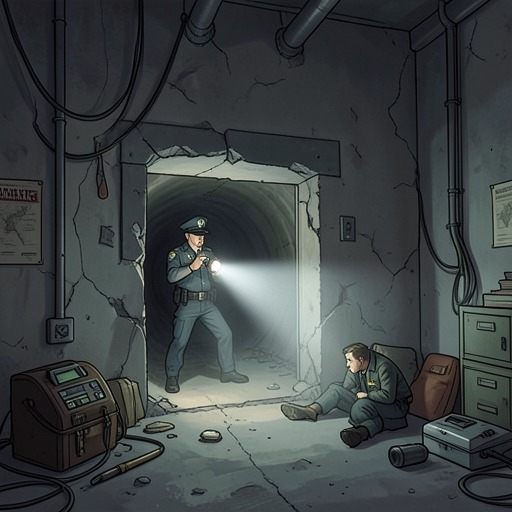
Rothman’s hidden silent alarms warned him that people were approaching, but the barn’s side door was kicked open before he could secure the trapdoor. Claire and her mother, Susan Wylie, were brought into the barn with three men. Rothman assessed the men and wrongly concluded that they did not regard him as a threat; he then watched Claire, who was wet and shivering, and asked whether she had been harmed. As the confrontation continued, Susan seized a cell phone from one of the men and ran toward the open side door. She was shot and died in the barn still holding the phone. Claire cried out in grief and shock. Rothman then drew a chisel from his pocket, a turn that makes the barn’s exposed trapdoor and his readiness to act central details of the encounter rather than background decoration.
Narrative Significance
The barn’s importance lies in the collision of what it displays and what it conceals. Its granite sculpture allows Stevens to recognize Rothman’s remarkable artistic ability, while the alarms, the unsecured trapdoor, and the fatal encounter reveal a space organized around danger and secrecy. The contrast does not erase either side: the angel is genuinely beautiful, but its presence cannot make the barn safe. Instead, the sculpture’s poised flight stands against the violence that has just occurred below its spread wings, making the barn a concentrated image of the divided world Rothman has made on his farm.