Chamberlain's 28 September 1938 peace appeals to Hitler and Mussolini
MunichNeville Chamberlain's 28 September 1938 peace appeals to Adolf Hitler and Benito Mussolini were a last attempt to replace an imminent invasion with a negotiated transfer of the Sudetenland. Chamberlain offered to go to Berlin at once, bring the relevant governments into discussion, and complete an agreement within a week. The appeals also exposed the political dilemma behind his diplomacy: Britain feared both a war it might be unable to sustain and a settlement imposed on Czechoslovakia by force, while Chamberlain sought to leave the responsibility for what followed squarely with Hitler.
A crisis narrowing to a deadline
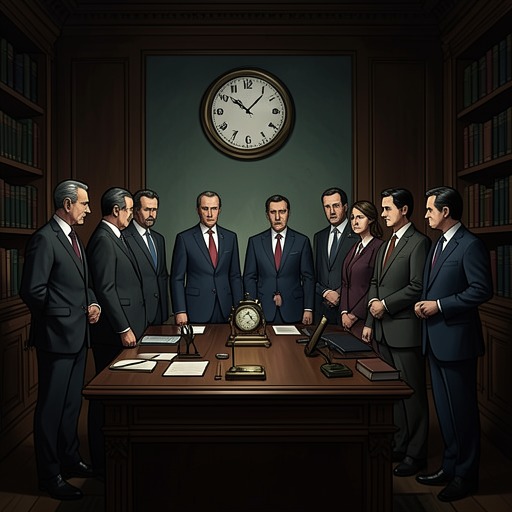
The appeals came amid an accelerating confrontation. Chamberlain had told his ministers that Adolf Hitler would not wait for the orderly transfer of the Sudeten territory, even though the Czechoslovak Government had agreed to a transfer subject to a plebiscite. After a meeting with Sir Horace Wilson, Hitler had declared himself prepared for every eventuality and predicted that Britain and Germany would be at war by the following Monday. In this atmosphere, time itself had become a weapon: Britain was weighing its military signals against the danger that a show of resolve could hasten the conflict.
The Cabinet discussion revealed how constrained any British response appeared. Chamberlain acknowledged that partial mobilisation before the Germans might show that Britain was not bluffing, but also feared it could push Hitler into war. The argument was not simply whether to resist, but how Hitler might interpret resistance and whether Britain could credibly carry it through. Chamberlain remembered his meetings with Hitler and judged that the German leader could not tolerate losing face; others insisted that a failure to make Britain’s readiness clear might repeat the miscalculation of 1914.
There were equally serious doubts about the political basis for war. Chamberlain asked how the British public could be persuaded to fight through the winter if the Czechs collapsed before October ended, especially after Britain had already conceded that the Sudeten Germans should not have been placed under Czech rule. Lord Halifax said the Dominions would not accept war over so narrow an issue, while the United States would not enter and Ireland would remain neutral. The possible Soviet alliance offered no simple answer: there was no common border with Czechoslovakia, and intervention through Poland or Romania risked bringing those states into the war on Germany’s side. Lord Gort warned that a conflict spreading to Germany, Italy and Japan could imperil the Empire itself.
The proposed surrender and Halifax's objection
Sir Horace Wilson proposed sending the Czechoslovak Government a telegram urging it to accept Hitler’s terms before the deadline: withdraw from the Sudetenland and allow German occupation. Wilson argued that this was the surest way to prevent Britain from being drawn into a war of enormous proportions. If the Czechs refused, he maintained, Britain would at least have done its best and would no longer be under a moral obligation to intervene.
Halifax challenged the proposal. He could not, in good conscience, support a telegram that would tell the Czechs to surrender territory immediately under threat of force; in his view, that would amount to complete capitulation. He recognized that refusing to send it might make war certain, but argued that Britain could not urge the Czechs to do what it believed wrong. Most importantly, Britain could not guarantee that the German Army would stop at the Sudetenland rather than occupy the rest of the country. The difference between the proposed telegram and Chamberlain’s subsequent appeals was consequential: instead of urging an immediate surrender, he offered a conference intended to settle the transfer by agreement.
The appeals to Berlin and Rome
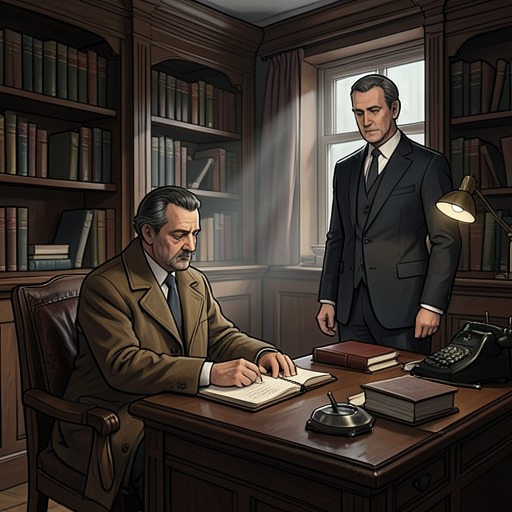
Chamberlain dictated the message to Adolf Hitler while standing at the Cabinet table. He drew out a cigar, lit it, and told Hugh Legat to take the letter down. Its central assurance was that Hitler could obtain “all essentials without war and without delay.” Chamberlain offered to come to Berlin himself at once and discuss arrangements with Hitler and representatives of the Czechoslovak Government. France and Italy could also be represented if Hitler wished. Chamberlain said that he believed agreement could be reached within a week.
The letter framed delay not as a challenge to Hitler’s aims but as a small interval needed to secure them without catastrophe. Chamberlain warned that he could not believe Hitler would take responsibility for beginning a world war that might end civilisation “for the sake of a few days’ delay.” The appeal thus combined an offer of practical negotiation with an explicit transfer of moral responsibility: if Hitler rejected a route that Chamberlain presented as capable of delivering the essential territory, the consequences would belong to Hitler.
Chamberlain then dictated a separate appeal to Benito Mussolini. He told the Italian leader that he had made a final appeal to Hitler to avoid force and had offered to travel immediately to Berlin to discuss arrangements with German and Czech representatives, with French and Italian representatives included if desired. He asked Mussolini to inform the German Chancellor that Italy was willing to be represented and to urge him to accept the proposal. Chamberlain also said he had guaranteed that Czech promises would be carried out and remained confident that a full agreement could be reached within a week. The second message made Italy an active diplomatic intermediary, not merely an observer of the British-German exchange.
Secrecy, delay, and the burden of responsibility
Sir Horace Wilson asked whether the Cabinet would be informed. Chamberlain said no. When Wilson questioned whether that was constitutional, Chamberlain admitted that he did not know and dismissed the question against the immediate stakes: if the effort succeeded, relief would eclipse objections; if it failed, people would be occupied with gas masks. He instructed Legat to take the messages to the Foreign Office and ensure they were dispatched at once. The private, urgent procedure sharpened the contrast between a Cabinet divided over policy and a Prime Minister acting directly to avert a decision by force.
Chamberlain told Wilson that his conscience would be clear because the world would see he had done everything humanly possible to avoid war. From then on, he said, the responsibility rested solely with Hitler. The scene does not establish whether the appeals would succeed; it records the offer being made and the moral terms on which Chamberlain made it. Soon afterward, a telephone call from Sir Nevile Henderson reported that Hitler had received a message from Mussolini, delivered by the Italian Ambassador. Mussolini assured Hitler that Italy would stand by Germany in a conflict but asked him to postpone mobilisation for twenty-four hours so the situation could be reconsidered. Hitler agreed. That pause did not settle the crisis, but it gave diplomacy more time, making the appeals part of a continuing contest over deadlines, resolve and the possibility of war.