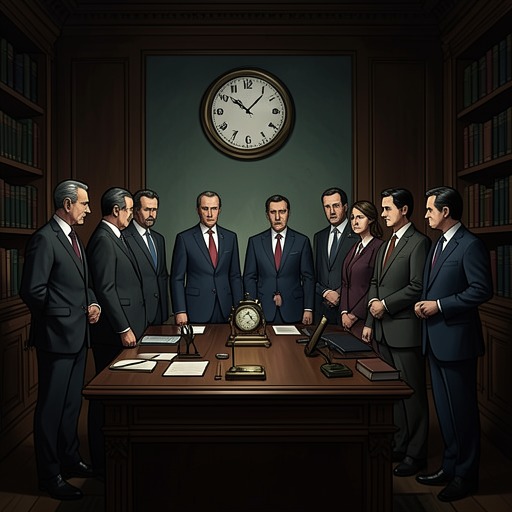
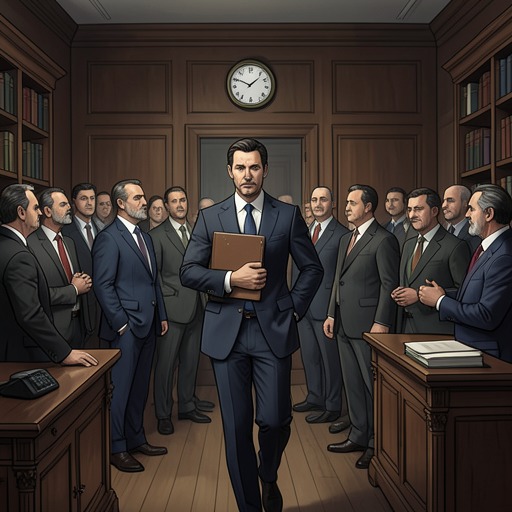
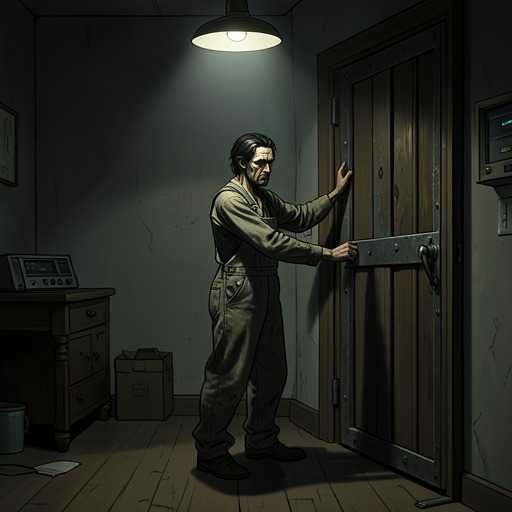
Summer 1932
The Oxford Friendship
At [Oxford](entity:location-recall-location-oxford-6b47fed333f9), [Hugh Legat](entity:character-recall-character-hugh-legat-8d109bbe754c) and [Paul von Hartmann](entity:character-recall-character-paul-von-hartmann-5f7c78fda3ee) became close friends, bound by argument, shared excursions, and a lively curiosity about the world beyond their studies. Their different instincts about German nationalism could be teased out in conversation, but neither yet understood how dangerous those differences would become.
July 1932
The Munich Confrontation
On a walking holiday in [Bavaria](entity:location-recall-location-26327aadd938) with their friend [Leyna](entity:character-recall-character-a92bf893ef1c), the young men followed her to [Adolf Hitler](entity:character-recall-character-adolf-hitler-e6e3f1777476)’s apartment at [Prinzregentenplatz](entity:location-recall-location-prinzregentenplatz-a73be7ad35b5). When Hitler appeared, Leyna shouted an insult about his niece Geli Raubal; Stormtroopers and angry bystanders drove the three friends into flight.
The night after the Munich confrontation in July 1932
The Friendship Breaks
After escaping the pursuers, [Hugh Legat](entity:character-recall-character-hugh-legat-8d109bbe754c) and [Leyna](entity:character-recall-character-a92bf893ef1c) kissed and slept together. [Paul von Hartmann](entity:character-recall-character-paul-von-hartmann-5f7c78fda3ee) did not return that night; Legat left early the next morning, carrying the memory of an act he would later regard as a betrayal.
1936
Wigram’s Warning
[Ralph Wigram](entity:character-recall-character-ralph-wigram-5e0b2bf05ac6) warned that the German reoccupation of the Rhineland was the Allies’ last chance to stop the Nazis. [Neville Chamberlain](entity:character-recall-character-neville-chamberlain-43b2ea924890)’s predecessor refused to risk an ultimatum that might lead to war, and Wigram returned home despairing that bombs would one day fall on his house.
Nine months after his 1936 warning
Wigram’s Death
[Ralph Wigram](entity:character-recall-character-ralph-wigram-5e0b2bf05ac6) was found dead in his bathroom, aged forty-six. [Hugh Legat](entity:character-recall-character-hugh-legat-8d109bbe754c) remembered him as a man who had seen the danger clearly but had been dismissed as obsessive; his absence would haunt Legat as the crisis he predicted arrived.
5 November 1937
The Hossbach Conference
[Adolf Hitler](entity:character-recall-character-adolf-hitler-e6e3f1777476) met senior military leaders and Foreign Minister Neurath in secret, presenting expansion as [Germany](entity:location-recall-location-germany-2e3723c2f347)’s answer to the need for living space. He argued that force would be required and set out a timetable for territorial conquest, while the military leaders voiced doubts about the risks.
After 5 November 1937
The Secret Memorandum
Colonel Hossbach recorded the conference in a memorandum. Its account of Hitler’s plans would later become the proof [Paul von Hartmann](entity:character-recall-character-paul-von-hartmann-5f7c78fda3ee) risked everything to place before the British, even though the document’s meaning would be contested by men determined to avoid war.
1 p.m. on 27 September 1938
Crisis at the Ritz
At [The Ritz, London](entity:location-recall-location-the-ritz-london-fc7a62d7d75c), [Hugh Legat](entity:character-recall-character-hugh-legat-8d109bbe754c) ordered champagne he could scarcely afford and read [Adolf Hitler](entity:character-recall-character-adolf-hitler-e6e3f1777476)’s latest speech for the third time. Outside, workmen dug slit trenches in [Green Park](entity:location-recall-location-green-park-4bb3d4c9236f), while the city’s unease made the elegant restaurant feel suspended before catastrophe.
A quarter past one on 27 September 1938
Pamela’s Arrival
[Pamela Legat](entity:character-recall-character-pamela-legat-4b8707c1b3e5) arrived late to their wedding-anniversary lunch, carrying a box containing gas masks for their children. Her cool jokes about maternal devotion could not conceal the fear of seeing John and Diana fitted for a war that still seemed unreal.
During the anniversary lunch on 27 September 1938
A Marriage Under Strain
[Hugh Legat](entity:character-recall-character-hugh-legat-8d109bbe754c) and [Pamela Legat](entity:character-recall-character-pamela-legat-4b8707c1b3e5) spoke around the distance that had opened between them. When he wished aloud that they could take a room and forget the crisis, he saw that she was offering the fantasy precisely because she knew it would not happen.
Shortly after 1 p.m. on 27 September 1938
The Summons from Downing Street
A call from [10 Downing Street](entity:location-recall-location-10-downing-street-44a522fd89a8) summoned [Hugh Legat](entity:character-recall-character-hugh-legat-8d109bbe754c) back to work: the talks in [Berlin](entity:location-recall-location-berlin-54cb4a75d0f6) had collapsed, and [Adolf Hitler](entity:character-recall-character-adolf-hitler-e6e3f1777476) appeared set on invasion. When Legat returned to the restaurant, [Pamela](entity:character-recall-character-b44b139235b3) had already gone and their table had been cleared.
Afternoon on 27 September 1938
London Braces for War
[Hugh Legat](entity:character-recall-character-hugh-legat-8d109bbe754c) hurried through a capital already changing around him. Barrage balloons rose above the Thames, guns and searchlights appeared on Horse Guards Parade, and reporters watched the entrance to Downing Street as the public sensed that war might begin within hours.
Afternoon on 27 September 1938
The Downing Street Reprimand
[Osmund Somers Cleverly](entity:character-recall-character-osmund-somers-cleve-981ed58b37ab) reprimanded [Hugh Legat](entity:character-recall-character-hugh-legat-8d109bbe754c) for taking a leisurely lunch during an international emergency. Legat accepted the rebuke, then was assigned to organise the Prime Minister’s broadcast, prepare records for Parliament, and remain on duty overnight.
2:05 p.m. on 27 September 1938
The Chiefs’ Grim Assessment
[Neville Chamberlain](entity:character-recall-character-neville-chamberlain-43b2ea924890) briefed the [British Chiefs of Staff](entity:organization-recall-organization-231f22ed6168) on the breakdown of the talks and [Adolf Hitler](entity:character-recall-character-adolf-hitler-e6e3f1777476)’s threat to invade. [Lord Gort](entity:character-recall-character-lord-gort-aad012532206) explained that [Britain](entity:location-recall-location-britain-3f5d255bbd7a) and [France](entity:location-recall-location-france-f5cafc8a8ad4) could not save [Czechoslovakia](entity:location-recall-location-czechoslovakia-79ba61246389) from a German assault without a prolonged, unlimited war.
Afternoon on 27 September 1938
Britain’s Unready Defences
The service chiefs exposed the weakness of [Britain](entity:location-recall-location-britain-3f5d255bbd7a)’s preparations. Only a handful of fighter squadrons had modern aircraft, Hurricane guns froze at high altitude, and [London](entity:location-recall-location-london-420923d4a60a) lacked enough anti-aircraft guns and searchlights.
Late afternoon on 27 September 1938
The Navy Is Mobilised
[Admiral Roger Backhouse](entity:character-recall-character-admiral-roger-backh-7b32ae540f21) argued that partial naval mobilisation could show Hitler that [Britain](entity:location-recall-location-britain-3f5d255bbd7a) was not bluffing. [Neville Chamberlain](entity:character-recall-character-neville-chamberlain-43b2ea924890) feared that such a gesture might provoke him, but finally ordered mobilisation after Backhouse framed it as a warning rather than a declaration of war.
After the Chiefs’ meeting on 27 September 1938
The Secret Minutes Destroyed
[Hugh Legat](entity:character-recall-character-hugh-legat-8d109bbe754c) recorded the military briefing, including its alarming assessment of [Britain](entity:location-recall-location-britain-3f5d255bbd7a)’s defences. [Neville Chamberlain](entity:character-recall-character-neville-chamberlain-43b2ea924890) ordered him to destroy the notes, leaving Legat with a private record of facts that were not to enter the official account.
Afternoon on 27 September 1938
The Berlin Column
In [Berlin](entity:location-recall-location-berlin-54cb4a75d0f6), [Paul von Hartmann](entity:character-recall-character-paul-von-hartmann-5f7c78fda3ee) drafted a reply in [Joachim von Ribbentrop](entity:character-recall-character-joachim-von-ribbent-da0726e511dc)’s bombastic style while armoured vehicles rumbled past the [German Foreign Ministry](entity:location-recall-location-german-foreign-minis-d3e3dc56ee90). The column’s grim, thinly attended progress suggested that Germans had expected peace, not the war [Adolf Hitler](entity:character-recall-character-adolf-hitler-e6e3f1777476) was now threatening.
Afternoon on 27 September 1938
Kordt Reveals the Break
[Erich Kordt](entity:character-recall-character-erich-kordt-bfe223166d0d) showed [Paul von Hartmann](entity:character-recall-character-paul-von-hartmann-5f7c78fda3ee) the record of [Sir Horace Wilson](entity:character-recall-character-sir-horace-wilson-8083d8565d2b)’s encounter with [Adolf Hitler](entity:character-recall-character-adolf-hitler-e6e3f1777476). Wilson had warned that [Britain](entity:location-recall-location-britain-3f5d255bbd7a) would support [France](entity:location-recall-location-france-f5cafc8a8ad4) if war began; Hitler had answered that he was prepared for every eventuality.
Afternoon on 27 September 1938
Hitler’s Balcony Appearance
[Paul von Hartmann](entity:character-recall-character-paul-von-hartmann-5f7c78fda3ee) and [Erich Kordt](entity:character-recall-character-erich-kordt-bfe223166d0d) watched [Adolf Hitler](entity:character-recall-character-adolf-hitler-e6e3f1777476) appear above [Wilhelmstrasse](entity:location-recall-location-wilhelmstrasse-6628a82bc3a0) as the military column passed. The crowd was small and subdued, a sign that the regime had misjudged a public that had believed the crisis was leading toward peace.
Evening of 27 September 1938
The Coup Meeting Is Set
[Erich Kordt](entity:character-recall-character-erich-kordt-bfe223166d0d) told [Paul von Hartmann](entity:character-recall-character-paul-von-hartmann-5f7c78fda3ee) that [Colonel Hans Oster](entity:character-recall-character-colonel-hans-oster-0b825eaf6ee6) wanted the opposition to meet in [Lichterfelde](entity:location-recall-location-lichterfelde-18d1b812c627). The diplomats and military conspirators were considering whether the army could be persuaded to act if [Adolf Hitler](entity:character-recall-character-adolf-hitler-e6e3f1777476) ordered mobilisation.
6 p.m. on 27 September 1938
Legat Warns His Family
[Hugh Legat](entity:character-recall-character-hugh-legat-8d109bbe754c) telephoned [Pamela Legat](entity:character-recall-character-pamela-legat-4b8707c1b3e5) and urged her to take their children out of [London](entity:location-recall-location-london-420923d4a60a) before the roads filled with panic. He could not tell her what he knew, but his insistence frightened her more than his earlier attempts to sound reassuring.
Early evening on 27 September 1938
Chamberlain Writes His Broadcast
[Neville Chamberlain](entity:character-recall-character-neville-chamberlain-43b2ea924890) asked [Hugh Legat](entity:character-recall-character-hugh-legat-8d109bbe754c) to help prepare his radio address. Legat questioned the dismissive description of [Czechoslovakia](entity:location-recall-location-czechoslovakia-79ba61246389) as a faraway quarrel, while [Joan Sackville](entity:character-recall-character-738ad7485f5e) typed the speech in the overheated Garden Room.
8 p.m. on 27 September 1938
The Broadcast for Peace
[Neville Chamberlain](entity:character-recall-character-neville-chamberlain-43b2ea924890) told [Britain](entity:location-recall-location-britain-3f5d255bbd7a) and the Empire that war over [Czechoslovakia](entity:location-recall-location-czechoslovakia-79ba61246389) was still avoidable. He defended continued efforts at peace, warned that Britain could not fight simply on behalf of a small nation, and asked the public to wait calmly.
Evening of 27 September 1938
The Debate Over the Czech Telegram
In a Cabinet meeting, [Sir Horace Wilson](entity:character-recall-character-sir-horace-wilson-8083d8565d2b) proposed urging the Czechoslovak government to accept [Adolf Hitler](entity:character-recall-character-adolf-hitler-e6e3f1777476)’s terms immediately. [Lord Halifax](entity:character-recall-character-lord-halifax-3259ec6c0d81) and [Sir Alexander Cadogan](entity:character-recall-character-sir-alexander-cadog-e3db0051aa0c) objected that [Britain](entity:location-recall-location-britain-3f5d255bbd7a) would become [Germany](entity:location-recall-location-germany-2e3723c2f347)’s accomplice and abandon [France](entity:location-recall-location-france-f5cafc8a8ad4), while ministers argued over the moral cost of avoiding war.
Evening of 27 September 1938
Hartmann Translates Hitler’s Reply
[Paul von Hartmann](entity:character-recall-character-paul-von-hartmann-5f7c78fda3ee) translated [Neville Chamberlain](entity:character-recall-character-neville-chamberlain-43b2ea924890)’s broadcast for [Ernst von Weizsäcker](entity:character-recall-character-c487cfddce24). He judged it too cautious to deter [Adolf Hitler](entity:character-recall-character-adolf-hitler-e6e3f1777476), but was then ordered to carry Hitler’s reply to the [British Embassy in Berlin](entity:organization-recall-organization-936f98a7e104).
Night of 27 September 1938
The Letter Is Copied
At the [Reich Chancellery](entity:location-recall-location-reich-chancellery-17c2f3838309), [Paul von Hartmann](entity:character-recall-character-paul-von-hartmann-5f7c78fda3ee) received [Adolf Hitler](entity:character-recall-character-adolf-hitler-e6e3f1777476)’s hostile letter to [Neville Chamberlain](entity:character-recall-character-neville-chamberlain-43b2ea924890) and read it in a lavatory before delivering it. He secretly returned to the Foreign Ministry and had [Frau Winter](entity:character-recall-character-frau-winter-b099dbfec681) make a copy, despite the risk of being caught.
Late evening on 27 September 1938
The Letter Reaches London
[Paul von Hartmann](entity:character-recall-character-paul-von-hartmann-5f7c78fda3ee) delivered Hitler’s letter to [Sir Nevile Henderson](entity:character-recall-character-sir-nevile-henderso-488637ec3492) at the [British Embassy in Berlin](entity:organization-recall-organization-936f98a7e104). Henderson sent the text to [London](entity:location-recall-location-london-420923d4a60a), where it gave [Neville Chamberlain](entity:character-recall-character-neville-chamberlain-43b2ea924890) a chance to keep negotiating even as it made Hitler’s intransigence unmistakable.
Around 10 p.m. on 27 September 1938
The Conspirators Gather
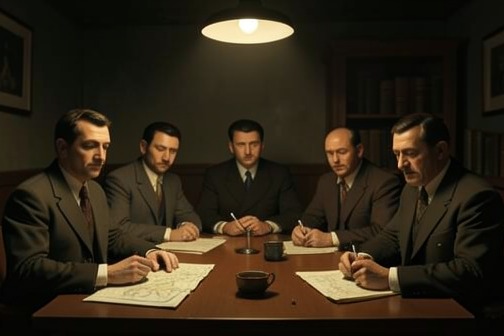
In a house in [Lichterfelde](entity:location-recall-location-lichterfelde-18d1b812c627), [Paul von Hartmann](entity:character-recall-character-paul-von-hartmann-5f7c78fda3ee) joined [General Ludwig Beck](entity:character-recall-character-general-ludwig-beck-662511e82dcd), [Colonel Hans Oster](entity:character-recall-character-colonel-hans-oster-0b825eaf6ee6), [Erich Kordt](entity:character-recall-character-erich-kordt-bfe223166d0d), [Captain Friedrich Heinz](entity:character-recall-character-captain-friedrich-h-f54b1ed0d0f0), [Hans Bernd Gisevius](entity:character-recall-character-hans-bernd-gisevius-1dbbcfad1253), [Count von Schulenburg](entity:character-recall-character-count-von-schulenbu-45d7085a55f9), and [Hans von Dohnányi](entity:character-recall-character-hans-von-dohn-nyi-a269829039ca). Beck said that if [Adolf Hitler](entity:character-recall-character-adolf-hitler-e6e3f1777476) ordered mobilisation, parts of the army might disobey and move against the regime.
Night of 27 September 1938
A Plan to Arrest Hitler
The conspirators planned for a small force to arrest [Adolf Hitler](entity:character-recall-character-adolf-hitler-e6e3f1777476), relying on the army to enter the [Reich Chancellery](entity:location-recall-location-reich-chancellery-17c2f3838309) in the name of restoring order. They disagreed over whether Hitler should be killed or tried, but agreed that stopping mobilisation came first.
Night of 27 September 1938
The Army’s Conditional Opposition
[Paul von Hartmann](entity:character-recall-character-paul-von-hartmann-5f7c78fda3ee) pressed the conspirators on whether the [German Army](entity:organization-recall-organization-german-army-19dd8aa893fd) opposed Hitler’s dictatorship or only a war it expected to lose. The answer was grim: many officers were ready to act only if [Germany](entity:location-recall-location-germany-2e3723c2f347) faced a disastrous conflict with [Britain](entity:location-recall-location-britain-3f5d255bbd7a) and [France](entity:location-recall-location-france-f5cafc8a8ad4).
Night of 27 September 1938
The First Proof of Conquest
[Paul von Hartmann](entity:character-recall-character-paul-von-hartmann-5f7c78fda3ee) showed the conspirators his copy of [Adolf Hitler](entity:character-recall-character-adolf-hitler-e6e3f1777476)’s letter to [Neville Chamberlain](entity:character-recall-character-neville-chamberlain-43b2ea924890). It revealed no meaningful compromise, strengthening the case for action, but the army’s hesitation would soon drain the plot of its immediate force.
Late night on 27 September 1938
Winter’s Second Document
After the meeting, [Paul von Hartmann](entity:character-recall-character-paul-von-hartmann-5f7c78fda3ee) went to [Frau Winter](entity:character-recall-character-frau-winter-b099dbfec681), who gave him a second document: the minutes of [Adolf Hitler](entity:character-recall-character-adolf-hitler-e6e3f1777476)’s 1937 conference on expansion. The record was far more damning than the first letter, and Hartmann decided it should be shown only to the British.
Night of 27 September 1938
A Secret Delivered to Legat
[Hugh Legat](entity:character-recall-character-hugh-legat-8d109bbe754c) returned to his empty home to pack and found a misaddressed envelope containing [Adolf Hitler](entity:character-recall-character-adolf-hitler-e6e3f1777476)’s military directive for an attack on [Czechoslovakia](entity:location-recall-location-czechoslovakia-79ba61246389). He carried it back to [Whitehall](entity:location-recall-location-whitehall-ae3b9db3b8cd) and gave it to [Sir Alexander Cadogan](entity:character-recall-character-sir-alexander-cadog-e3db0051aa0c) rather than passing it through ordinary channels.
Late evening on 27 September 1938
Case Green Is Verified
[Sir Alexander Cadogan](entity:character-recall-character-sir-alexander-cadog-e3db0051aa0c) read the directive, which described a surprise attack by German forces against [Czechoslovakia](entity:location-recall-location-czechoslovakia-79ba61246389). He judged it genuine, but could not explain why it had been sent to [Hugh Legat](entity:character-recall-character-hugh-legat-8d109bbe754c), who was left uncertain about the source and the consequences of possessing it.
After 10 p.m. on 27 September 1938
Cabinet Rejects the Telegram
[Neville Chamberlain](entity:character-recall-character-neville-chamberlain-43b2ea924890) read Hitler’s letter to the Cabinet after [Lord Halifax](entity:character-recall-character-lord-halifax-3259ec6c0d81) refused to support [Sir Horace Wilson](entity:character-recall-character-sir-horace-wilson-8083d8565d2b)’s proposed telegram to [Prague](entity:location-recall-location-prague-cf59465294ca). The Cabinet abandoned the demand that the Czechs surrender immediately, though the ministers still had no clear way to avert the deadline.
Late night on 27 September 1938
The Appeal to Mussolini
[Neville Chamberlain](entity:character-recall-character-neville-chamberlain-43b2ea924890) noticed [Adolf Hitler](entity:character-recall-character-adolf-hitler-e6e3f1777476)’s public praise of [Benito Mussolini](entity:character-recall-character-benito-mussolini-0330d40d2c3f) and wrote to Lord Perth in [Rome](entity:location-recall-location-rome-3ec0a741c1f4), asking the Italian leader to intervene. He then dictated a fresh appeal to Hitler, offering to travel to [Berlin](entity:location-recall-location-berlin-54cb4a75d0f6) for a conference with German and Czech representatives.
Late night on 27 September 1938
Legat Learns of His Past
After [Hugh Legat](entity:character-recall-character-hugh-legat-8d109bbe754c) discovered that [Pamela](entity:character-recall-character-b44b139235b3) had returned to [London](entity:location-recall-location-london-420923d4a60a) without telling him, he called her parents and learned she was not with them. He found her diary and rang a number he had never used before; a man answered, and Pamela told him to go away.
Morning of 28 September 1938
The Failed Coup Is Postponed
The conspirators learned that General [Franz Halder](entity:character-recall-character-752c7c676ca4) was sympathetic, but Commander-in-Chief Brauchitsch had not acted before [Adolf Hitler](entity:character-recall-character-adolf-hitler-e6e3f1777476) postponed mobilisation. With the immediate prospect of war receding, the army’s conditional opposition left the plot without the support it needed.
Morning of 28 September 1938
The Last Peace Appeals
[Neville Chamberlain](entity:character-recall-character-neville-chamberlain-43b2ea924890) dictated separate messages to [Adolf Hitler](entity:character-recall-character-adolf-hitler-e6e3f1777476) and [Benito Mussolini](entity:character-recall-character-benito-mussolini-0330d40d2c3f), proposing a meeting to settle the Sudeten question. [Sir Horace Wilson](entity:character-recall-character-sir-horace-wilson-8083d8565d2b) approved the appeal, while Chamberlain chose not to inform the Cabinet, convinced that preventing war mattered more than procedural propriety.
Early afternoon on 28 September 1938
The Twenty-Four-Hour Delay
As [Neville Chamberlain](entity:character-recall-character-neville-chamberlain-43b2ea924890) prepared to address Parliament, [Sir Nevile Henderson](entity:character-recall-character-sir-nevile-henderso-488637ec3492) reported that [Benito Mussolini](entity:character-recall-character-benito-mussolini-0330d40d2c3f) had asked [Adolf Hitler](entity:character-recall-character-adolf-hitler-e6e3f1777476) to postpone mobilisation for twenty-four hours. Hitler agreed, giving diplomacy a narrow reprieve and a new possibility of a four-power meeting.
Afternoon on 28 September 1938
The Commons Hears of Munich
In the [House of Commons](entity:organization-recall-organization-house-of-commons-9d517de73016), [Neville Chamberlain](entity:character-recall-character-neville-chamberlain-43b2ea924890) recounted the crisis and announced that [Adolf Hitler](entity:character-recall-character-adolf-hitler-e6e3f1777476) had invited him, [Benito Mussolini](entity:character-recall-character-benito-mussolini-0330d40d2c3f), and [Édouard Daladier](entity:character-recall-character-e0971a8155ee) to [Munich](entity:location-recall-location-munich-a2858688fbfd). The news provoked an eruption of relief across the House, even as [Hugh Legat](entity:character-recall-character-hugh-legat-8d109bbe754c) felt himself joining the applause despite his official neutrality.
Afternoon on 28 September 1938
The Munich Plan Is Proposed
The German opposition concluded that its best remaining chance was to prevent an agreement in [Munich](entity:location-recall-location-munich-a2858688fbfd) and make contact with [Neville Chamberlain](entity:character-recall-character-neville-chamberlain-43b2ea924890). [Paul von Hartmann](entity:character-recall-character-paul-von-hartmann-5f7c78fda3ee) insisted that he could provide proof of Hitler’s future plans, and named his old [Oxford](entity:location-recall-location-oxford-6b47fed333f9) friend [Hugh Legat](entity:character-recall-character-hugh-legat-8d109bbe754c) as the channel.
Evening of 28 September 1938
Hartmann Secures a Place
[Erich Kordt](entity:character-recall-character-erich-kordt-bfe223166d0d) persuaded [Ernst von Weizsäcker](entity:character-recall-character-c487cfddce24) to add [Paul von Hartmann](entity:character-recall-character-paul-von-hartmann-5f7c78fda3ee) to the German delegation as a translator. Weizsäcker warned that [Colonel Hans Oster](entity:character-recall-character-colonel-hans-oster-0b825eaf6ee6)’s activities were attracting attention, but still allowed Hartmann to travel with [Adolf Hitler](entity:character-recall-character-adolf-hitler-e6e3f1777476)’s party.
Evening of 28 September 1938
The Oxford Letters Burn
Before leaving [Berlin](entity:location-recall-location-berlin-54cb4a75d0f6), [Paul von Hartmann](entity:character-recall-character-paul-von-hartmann-5f7c78fda3ee) burned his letters from [Hugh Legat](entity:character-recall-character-hugh-legat-8d109bbe754c), a newspaper clipping, and their old photograph with [Leyna](entity:character-recall-character-a92bf893ef1c). The keepsakes were potential evidence of his connections abroad, but their destruction also marked the painful erasure of a life he had once imagined differently.
8:50 p.m. on 28 September 1938
The Führer’s Train Departs
[Paul von Hartmann](entity:character-recall-character-paul-von-hartmann-5f7c78fda3ee) boarded [Adolf Hitler](entity:character-recall-character-adolf-hitler-e6e3f1777476)’s special train at [Anhalter Bahnhof](entity:location-recall-location-44d19bbb1cba) with a copied document, a concealed [Walther pistol](entity:object-recall-object-walther-pistol-ebcdf88c57c9), and a place on the delegation list that had been handwritten at the last minute. [Sturmbannführer Sauer](entity:character-recall-character-sturmbannf-hrer-sau-282afe5cae55) noticed the irregularity, beginning a close watch that would follow Hartmann south.
Night of 28 September 1938
Legat Is Added to the Party
[Osmund Somers Cleverly](entity:character-recall-character-osmund-somers-cleve-981ed58b37ab) initially chose [Cecil Syers](entity:character-recall-character-cecil-syers-1a7e4cb26345) to accompany [Neville Chamberlain](entity:character-recall-character-neville-chamberlain-43b2ea924890) to [Munich](entity:location-recall-location-munich-a2858688fbfd), leaving [Hugh Legat](entity:character-recall-character-hugh-legat-8d109bbe754c) behind. After [Colonel Menzies](entity:character-recall-character-5a45447c47b8) and [Sir Alexander Cadogan](entity:character-recall-character-sir-alexander-cadog-e3db0051aa0c) questioned Legat about his old friendship with [Paul von Hartmann](entity:character-recall-character-paul-von-hartmann-5f7c78fda3ee), they arranged for him to join the party without telling the Prime Minister why.
Night of 28 September 1938
A Night of Personal Rupture
[Hugh Legat](entity:character-recall-character-hugh-legat-8d109bbe754c) discovered that [Pamela Legat](entity:character-recall-character-pamela-legat-4b8707c1b3e5) had left their children with her parents and returned to [London](entity:location-recall-location-london-420923d4a60a). When he called her diary’s number, a man answered and [Pamela](entity:character-recall-character-b44b139235b3)’s voice told the caller to go away, deepening the private crisis that would accompany Legat to [Munich](entity:location-recall-location-munich-a2858688fbfd).
Early morning on 29 September 1938
The Train Is Searched
As the special train crossed [Germany](entity:location-recall-location-germany-2e3723c2f347), [Sturmbannführer Sauer](entity:character-recall-character-sturmbannf-hrer-sau-282afe5cae55) searched [Paul von Hartmann](entity:character-recall-character-paul-von-hartmann-5f7c78fda3ee)’s suitcase and clothes. Hartmann had hidden his weapon behind a panel in the train lavatory and kept the more important document beneath his vest, surviving the inspection by pretending to accept [Sauer](entity:character-recall-character-c520f7db06b0)’s vigilance.
Morning of 29 September 1938
Hitler Reads the Press
[Paul von Hartmann](entity:character-recall-character-paul-von-hartmann-5f7c78fda3ee) prepared a summary of foreign newspaper coverage and delivered it to [Adolf Hitler](entity:character-recall-character-adolf-hitler-e6e3f1777476). The reports praised [Neville Chamberlain](entity:character-recall-character-neville-chamberlain-43b2ea924890) as the hero of [Munich](entity:location-recall-location-munich-a2858688fbfd) and celebrated the relief that war had been averted; Hitler’s irritation at the acclaim revealed how little he welcomed the pause.
Morning of 29 September 1938 at Kufstein
Mussolini Joins the Train
At [Kufstein](entity:location-recall-location-bca157fa849f), [Paul von Hartmann](entity:character-recall-character-paul-von-hartmann-5f7c78fda3ee) used a station telephone to learn that [Hugh Legat](entity:character-recall-character-hugh-legat-8d109bbe754c) was travelling with [Neville Chamberlain](entity:character-recall-character-neville-chamberlain-43b2ea924890). He passed the names to interpreter [Paul Schmidt](entity:character-recall-character-41c4ac8a9048), but [Sturmbannführer Sauer](entity:character-recall-character-sturmbannf-hrer-sau-282afe5cae55) challenged the unauthorised call before the train continued toward [Munich](entity:location-recall-location-munich-a2858688fbfd) with [Benito Mussolini](entity:character-recall-character-benito-mussolini-0330d40d2c3f) aboard.
7:45 a.m. on 29 September 1938
The British Delegation Takes Off
[Neville Chamberlain](entity:character-recall-character-neville-chamberlain-43b2ea924890) left [10 Downing Street](entity:location-recall-location-10-downing-street-44a522fd89a8) for [Heston Aerodrome](entity:location-recall-location-heston-aerodrome-83626bb83909), accompanied by [Hugh Legat](entity:character-recall-character-hugh-legat-8d109bbe754c), [Sir Horace Wilson](entity:character-recall-character-sir-horace-wilson-8083d8565d2b), [Lord Dunglass](entity:character-recall-character-a37f0d8e4a7d), and [Foreign Office](entity:organization-recall-organization-foreign-office-b14ff91c5f10) officials. A surprise gathering of Cabinet ministers and a large crowd gave him a send-off as he quoted Shakespeare about plucking safety from danger.
Morning of 29 September 1938
The Flight to Munich
On the flight, [Neville Chamberlain](entity:character-recall-character-neville-chamberlain-43b2ea924890) began working through official papers while [Hugh Legat](entity:character-recall-character-hugh-legat-8d109bbe754c) guarded his dispatch boxes. [William Strang](entity:character-recall-character-a1f0f72c3261) warned that the conference had no agreed agenda and that [Adolf Hitler](entity:character-recall-character-adolf-hitler-e6e3f1777476) might use any breakdown to leave the British and French leaders stranded in [Germany](entity:location-recall-location-germany-2e3723c2f347) as war began.
Morning of 29 September 1938
Hitler Arrives in Munich
[Paul von Hartmann](entity:character-recall-character-paul-von-hartmann-5f7c78fda3ee) arrived by train with [Adolf Hitler](entity:character-recall-character-adolf-hitler-e6e3f1777476) and [Benito Mussolini](entity:character-recall-character-benito-mussolini-0330d40d2c3f), greeted by a choreographed public celebration. He walked through [Königsplatz](entity:location-recall-location-k-nigsplatz-5fee48c6d718) and saw that the park of his earlier memories had been remade as a monumental Nazi parade ground.
11:35 a.m. on 29 September 1938
Chamberlain Lands
[Neville Chamberlain](entity:character-recall-character-neville-chamberlain-43b2ea924890)’s plane landed at [Oberwiesenfeld Airport](entity:location-recall-location-5a30e8393a19), where German officials, troops, and crowds awaited him. [Hugh Legat](entity:character-recall-character-hugh-legat-8d109bbe754c) carried the Prime Minister’s red boxes through the reception and looked for [Paul von Hartmann](entity:character-recall-character-paul-von-hartmann-5f7c78fda3ee), whom he could not yet see.
Late morning on 29 September 1938
The First Session Begins
At the [Führerbau](entity:location-recall-location-599a228ea3f2), the leaders and their advisers gathered before [Adolf Hitler](entity:character-recall-character-adolf-hitler-e6e3f1777476)’s study. [Paul von Hartmann](entity:character-recall-character-paul-von-hartmann-5f7c78fda3ee) moved among the delegations as interpreter and watched [Neville Chamberlain](entity:character-recall-character-neville-chamberlain-43b2ea924890) and [Édouard Daladier](entity:character-recall-character-e0971a8155ee) enter negotiations with Adolf Hitler and [Benito Mussolini](entity:character-recall-character-benito-mussolini-0330d40d2c3f).
Afternoon on 29 September 1938
A Draft Agreement Appears
After the first session stalled over the terms of the Sudeten transfer, [Benito Mussolini](entity:character-recall-character-benito-mussolini-0330d40d2c3f) presented a draft that the German officials already knew had been prepared in [Berlin](entity:location-recall-location-berlin-54cb4a75d0f6). The text gave negotiators a framework for turning Hitler’s demands into an agreement, while postponing disputed details to later arrangements.
Afternoon on 29 September 1938
The Czechs Are Detained
[Hugh Legat](entity:character-recall-character-hugh-legat-8d109bbe754c) found [Hubert Masarík](entity:character-recall-character-c3d74ead7677) and [Vojtek Mastny](entity:character-recall-character-93c7c1e03ef3) confined to their hotel room by the [Gestapo](entity:organization-recall-organization-gestapo-7b5b599b4734), despite their arrival as observers. He promised to raise their treatment with the British delegation, bringing the excluded country’s representatives into the human reality of negotiations being conducted over their heads.
Late afternoon on 29 September 1938
The Secret Reunion
At the [Führerbau](entity:location-recall-location-599a228ea3f2), [Paul von Hartmann](entity:character-recall-character-paul-von-hartmann-5f7c78fda3ee) and [Hugh Legat](entity:character-recall-character-hugh-legat-8d109bbe754c) recognised one another but could not safely speak in public. Hartmann used a pretext to lead Legat away through a service passage, and the two former friends met in the [Park-Café](entity:location-recall-location-park-caf-71309cfb7305) under the watchful dangers of the new [Germany](entity:location-recall-location-germany-2e3723c2f347).
Evening of 29 September 1938
The Warning About Hitler
[Paul von Hartmann](entity:character-recall-character-paul-von-hartmann-5f7c78fda3ee) urged [Hugh Legat](entity:character-recall-character-hugh-legat-8d109bbe754c) to arrange a meeting with [Neville Chamberlain](entity:character-recall-character-neville-chamberlain-43b2ea924890) and argued that the [Sudetenland](entity:location-recall-location-sudetenland-7e4d1dfe7169) was only the beginning of [Adolf Hitler](entity:character-recall-character-adolf-hitler-e6e3f1777476)’s ambitions. Legat doubted that the British public would fight to deny ethnic Germans self-determination, but promised to deliver any concrete evidence to the Prime Minister.
Evening of 29 September 1938
The Memorandum Changes Hands
Using an antisemitic newspaper as cover, [Paul von Hartmann](entity:character-recall-character-paul-von-hartmann-5f7c78fda3ee) passed [Hugh Legat](entity:character-recall-character-hugh-legat-8d109bbe754c) a manila envelope containing the minutes of Hitler’s 1937 strategy conference. He asked Legat to make sure the document reached the British leadership before the agreement was signed.
Evening of 29 September 1938
Legat Reads the Hossbach Record
Alone in his hotel room, [Hugh Legat](entity:character-recall-character-hugh-legat-8d109bbe754c) read the minutes of the 5 November 1937 conference. They recorded [Adolf Hitler](entity:character-recall-character-adolf-hitler-e6e3f1777476)’s belief that [Germany](entity:location-recall-location-germany-2e3723c2f347) needed more living space and that force would be required, with [Austria](entity:location-recall-location-89f4a73979b6) and [Czechoslovakia](entity:location-recall-location-czechoslovakia-79ba61246389) among the intended acquisitions.
Evening of 29 September 1938
The Deal Takes Shape
Negotiators worked through the draft agreement, settling details of evacuation, international supervision, and the transfer timetable. [Neville Chamberlain](entity:character-recall-character-neville-chamberlain-43b2ea924890)’s officials softened the language from a guarantee to an agreement and added a preamble to make the arrangement appear less like a one-sided concession to [Germany](entity:location-recall-location-germany-2e3723c2f347).
Evening of 29 September 1938
The Czechs Hear the Terms
[Sir Horace Wilson](entity:character-recall-character-sir-horace-wilson-8083d8565d2b) and [Frank Ashton-Gwatkin](entity:character-recall-character-13d1559c613e) showed [Hubert Masarík](entity:character-recall-character-c3d74ead7677) and [Vojtek Mastny](entity:character-recall-character-93c7c1e03ef3) the proposed territorial settlement. The Czechs protested that the loss of fortifications would leave their country indefensible; Wilson nevertheless told them that refusal meant facing [Germany](entity:location-recall-location-germany-2e3723c2f347) alone.
Night of 29 September 1938
Legat Pleads His Case
[Hugh Legat](entity:character-recall-character-hugh-legat-8d109bbe754c) brought the Hossbach memorandum to [Neville Chamberlain](entity:character-recall-character-neville-chamberlain-43b2ea924890) and asked him to consider its warning before signing. Chamberlain allowed Legat to bring [Paul von Hartmann](entity:character-recall-character-paul-von-hartmann-5f7c78fda3ee) in, but insisted that the meeting last no more than five minutes.
Night of 29 September 1938
Chamberlain Rejects the Warning
[Paul von Hartmann](entity:character-recall-character-paul-von-hartmann-5f7c78fda3ee) told [Neville Chamberlain](entity:character-recall-character-neville-chamberlain-43b2ea924890) that Hitler intended a war of conquest and that firmness might still prompt the army to remove him. Chamberlain praised Hartmann’s courage but argued that [Britain](entity:location-recall-location-britain-3f5d255bbd7a) and [France](entity:location-recall-location-france-f5cafc8a8ad4) could not wage war to deny Sudeten Germans self-determination; he ordered Hartmann to take the document away.
Immediately after the meeting on 29 September 1938
Legat’s Career Is Threatened
[Neville Chamberlain](entity:character-recall-character-neville-chamberlain-43b2ea924890) angrily told [Hugh Legat](entity:character-recall-character-hugh-legat-8d109bbe754c) that he had exceeded his authority and must never speak of the meeting. Legat left believing his career in the diplomatic service was finished, but remained convinced that the Prime Minister should have seen the evidence.
Around midnight on 29 September 1938
The Munich Agreement Is Signed
The leaders returned to the [Führerbau](entity:location-recall-location-599a228ea3f2) and signed the agreement transferring the [Sudetenland](entity:location-recall-location-sudetenland-7e4d1dfe7169) to [Germany](entity:location-recall-location-germany-2e3723c2f347). [Adolf Hitler](entity:character-recall-character-adolf-hitler-e6e3f1777476) signed first, followed by [Neville Chamberlain](entity:character-recall-character-neville-chamberlain-43b2ea924890) and the other leaders, while [Paul von Hartmann](entity:character-recall-character-paul-von-hartmann-5f7c78fda3ee) watched from the shadows, convinced that the settlement had made Hitler stronger.
After the agreement was signed on 29 September 1938
A Dinner at the Führerbau
[Adolf Hitler](entity:character-recall-character-adolf-hitler-e6e3f1777476)’s banquet went ahead without the British and French leaders, who chose to dine at their hotel. During dinner Hitler mocked [Neville Chamberlain](entity:character-recall-character-neville-chamberlain-43b2ea924890) and the democratic leaders; [Paul von Hartmann](entity:character-recall-character-paul-von-hartmann-5f7c78fda3ee) excused himself to translate documents, and Hitler returned his borrowed watch.
After midnight on 30 September 1938
Legat Keeps the Evidence
[Hugh Legat](entity:character-recall-character-hugh-legat-8d109bbe754c) returned to the hotel with the memorandum hidden in his room, despite the danger of being caught with it. He was exhausted and uncertain whether [Neville Chamberlain](entity:character-recall-character-neville-chamberlain-43b2ea924890) would ever reconsider the warning, while the [Gestapo](entity:organization-recall-organization-gestapo-7b5b599b4734)’s attention increasingly threatened [Paul von Hartmann](entity:character-recall-character-paul-von-hartmann-5f7c78fda3ee).
Early hours of 30 September 1938
The Midnight Drive to Dachau
[Paul von Hartmann](entity:character-recall-character-paul-von-hartmann-5f7c78fda3ee) woke [Hugh Legat](entity:character-recall-character-hugh-legat-8d109bbe754c) and drove him out of [Munich](entity:location-recall-location-munich-a2858688fbfd) to [Dachau concentration camp](entity:location-recall-location-dachau-concentration-1f8a9fe6aa83). In the glare of a searchlight they argued about the people who might be imprisoned under Nazi rule and whether a different outcome could still have saved them.
Early hours of 30 September 1938
Leyna in the Nursing Home
[Paul von Hartmann](entity:character-recall-character-paul-von-hartmann-5f7c78fda3ee) took [Hugh Legat](entity:character-recall-character-hugh-legat-8d109bbe754c) to a nursing home where [Leyna](entity:character-recall-character-a92bf893ef1c) lived, her mind and body damaged after Nazi imprisonment and abuse. Hartmann had used his position to pay for her care, but her condition showed Legat the human cost concealed behind political agreements.
Before dawn on 30 September 1938
Hartmann Explains the Evil
On the drive back, [Paul von Hartmann](entity:character-recall-character-paul-von-hartmann-5f7c78fda3ee) explained that he could no longer separate [Adolf Hitler](entity:character-recall-character-adolf-hitler-e6e3f1777476)’s antisemitism from the regime’s other ambitions. [Hugh Legat](entity:character-recall-character-hugh-legat-8d109bbe754c) finally understood that the persecution was not an incidental flaw that would fade, but evidence of a wider moral danger.
Dawn on 30 September 1938
A Final Farewell
[Paul von Hartmann](entity:character-recall-character-paul-von-hartmann-5f7c78fda3ee) dropped [Hugh Legat](entity:character-recall-character-hugh-legat-8d109bbe754c) near the hotel and returned to his duties, uncertain whether resistance from within could accomplish anything. He expected to prepare another press summary for [Adolf Hitler](entity:character-recall-character-adolf-hitler-e6e3f1777476), while acknowledging that hope might be the only thing keeping him going.
Morning of 30 September 1938
The Memorandum Is Stolen
While [Hugh Legat](entity:character-recall-character-hugh-legat-8d109bbe754c) showered, an intruder searched his hotel room and took the Hossbach memorandum. Legat found the room disturbed and realised the document had vanished, leaving him to fear that the [Gestapo](entity:organization-recall-organization-gestapo-7b5b599b4734) had uncovered his connection with [Paul von Hartmann](entity:character-recall-character-paul-von-hartmann-5f7c78fda3ee).
Morning of 30 September 1938
The Private Declaration Is Proposed
[Neville Chamberlain](entity:character-recall-character-neville-chamberlain-43b2ea924890) told [Hugh Legat](entity:character-recall-character-hugh-legat-8d109bbe754c) that he had arranged another meeting with [Adolf Hitler](entity:character-recall-character-adolf-hitler-e6e3f1777476), this time at the Führer’s apartment. He wanted to turn Hitler’s earlier public assurances into a joint declaration of future Anglo-German peace, without the [Foreign Office](entity:organization-recall-organization-foreign-office-b14ff91c5f10)’s usual process.
Late morning on 30 September 1938
Legat Joins the Meeting
[Hugh Legat](entity:character-recall-character-hugh-legat-8d109bbe754c) asked to accompany [Neville Chamberlain](entity:character-recall-character-neville-chamberlain-43b2ea924890) to serve as a British translator. [Sir Horace Wilson](entity:character-recall-character-sir-horace-wilson-8083d8565d2b) backed the request, reminding the Prime Minister that the British had once been denied a reliable record of his private conversation with Hitler; Chamberlain reluctantly agreed.
11 a.m. on 30 September 1938
Chamberlain Visits Hitler’s Apartment
[Neville Chamberlain](entity:character-recall-character-neville-chamberlain-43b2ea924890) met [Adolf Hitler](entity:character-recall-character-adolf-hitler-e6e3f1777476) at the apartment on [Prinzregentenplatz](entity:location-recall-location-prinzregentenplatz-a73be7ad35b5), with [Hugh Legat](entity:character-recall-character-hugh-legat-8d109bbe754c), [Lord Dunglass](entity:character-recall-character-a37f0d8e4a7d), and interpreter [Paul Schmidt](entity:character-recall-character-41c4ac8a9048) present. Chamberlain proposed a statement of mutual consultation and peace, and Hitler agreed to sign it.
During the apartment meeting on 30 September 1938
The Missing Memorandum Is Revealed
As the meeting ended, [Hugh Legat](entity:character-recall-character-hugh-legat-8d109bbe754c) told [Paul von Hartmann](entity:character-recall-character-paul-von-hartmann-5f7c78fda3ee) that the [Gestapo](entity:organization-recall-organization-gestapo-7b5b599b4734) had taken the memorandum from his room. Hartmann understood that he might now be under suspicion, but before he could decide what to do, [Neville Chamberlain](entity:character-recall-character-neville-chamberlain-43b2ea924890) and [Adolf Hitler](entity:character-recall-character-adolf-hitler-e6e3f1777476) emerged from their meeting.
Late morning on 30 September 1938
Hitler Dismisses the Declaration
After [Neville Chamberlain](entity:character-recall-character-neville-chamberlain-43b2ea924890) departed, [Adolf Hitler](entity:character-recall-character-adolf-hitler-e6e3f1777476) read the foreign press summary and complained that the German people had been taken in by Chamberlain’s appeal. He dismissed the signed declaration as insignificant, even as the crowds outside cheered the British Prime Minister.
On the return flight from Munich on 30 September 1938
The Document Reaches Safety
At [Heston Aerodrome](entity:location-recall-location-heston-aerodrome-83626bb83909), [Joan Sackville](entity:character-recall-character-738ad7485f5e) revealed that [Colonel Menzies](entity:character-recall-character-5a45447c47b8) was connected to her family and that she had secretly taken the memorandum from [Hugh Legat](entity:character-recall-character-hugh-legat-8d109bbe754c)’s room before it could be lost. The document survived the search and could still reach a more receptive audience.
30 September 1938
The Peace Declaration Is Publicised
[Neville Chamberlain](entity:character-recall-character-neville-chamberlain-43b2ea924890) returned to [Britain](entity:location-recall-location-britain-3f5d255bbd7a) and publicly read the signed declaration with [Adolf Hitler](entity:character-recall-character-adolf-hitler-e6e3f1777476), presenting it as hope for a wider European settlement. The crowd welcomed him as a peacemaker, and the phrase [Peace for Our Time](entity:expression-recall-expression-peace-for-our-time-faad3da2f141) came to stand for the relief and self-deception of the moment.
Evening of 30 September 1938
Hartmann Escapes Arrest
[Paul von Hartmann](entity:character-recall-character-paul-von-hartmann-5f7c78fda3ee) returned to [Berlin](entity:location-recall-location-berlin-54cb4a75d0f6) without being arrested, despite his meetings with [Hugh Legat](entity:character-recall-character-hugh-legat-8d109bbe754c) and the scrutiny of [Sturmbannführer Sauer](entity:character-recall-character-sturmbannf-hrer-sau-282afe5cae55). He found [Frau Winter](entity:character-recall-character-frau-winter-b099dbfec681) again, who told him that the [Gestapo](entity:organization-recall-organization-gestapo-7b5b599b4734) had warned her that they would eventually catch him.
Night of 30 September 1938
The Children’s Gas Masks
[Hugh Legat](entity:character-recall-character-hugh-legat-8d109bbe754c) went home to see John and Diana asleep beside their gas masks. He told [Pamela Legat](entity:character-recall-character-pamela-legat-4b8707c1b3e5) that he believed war would still come and that he might leave the diplomatic service to join the [Royal Air Force](entity:organization-recall-organization-3743201de472).
Near the end of the story
A Fragile Reconciliation
[Pamela Legat](entity:character-recall-character-pamela-legat-4b8707c1b3e5) greeted [Hugh Legat](entity:character-recall-character-hugh-legat-8d109bbe754c) warmly, and they held one another after their separation. He would not pretend that a single reunion could repair their marriage; he told her that everything, including both of them, would have to change.
Night of 30 September 1938
Legat Leaves for the Club
[Hugh Legat](entity:character-recall-character-hugh-legat-8d109bbe754c) went upstairs to look at his children, then left the house rather than remain in the fragile quiet with [Pamela](entity:character-recall-character-b44b139235b3). The agreement had postponed war, but Legat believed it had merely laid a tripwire that [Adolf Hitler](entity:character-recall-character-adolf-hitler-e6e3f1777476) would cross sooner or later.