Halen
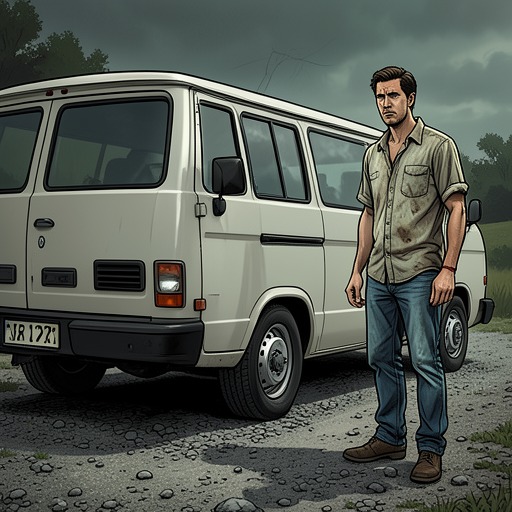
NomadlandHalen is the name the author gave a white 1995 GMC Vandura converted for camping. Bought to make extended fieldwork among nomadic workers possible, the van became both a shelter and a working instrument: a place to sleep, cook, and write while traveling across the country. Its importance lies not in effortless mobility but in the experience it made unavoidable. Halen carried the author into the communities under study, while its breakdowns, leaks, and need for safe places to stop revealed how fragile life on the road could be.
From Tent Research to a Self-Contained Home
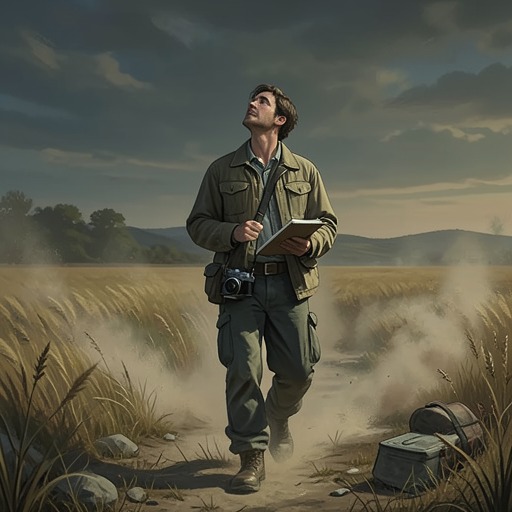
The author began reporting on workampers through interviews and visits, including time spent camping in Quartzsite. A tent, however, could not provide the access needed for sustained participation. Tent campers had to stay near outhouses, and the author slept four miles from the Rubber Tramp Rendezvous, commuting to meet the people gathered there. To spend longer periods among nomads, the author needed a self-contained rig with room to sleep, prepare food, write, and manage basic sanitation.
After months of searching Craigslist, the author found Halen in California. Several other vans that initially looked promising proved rusty or rotting. This Vandura was in comparatively good condition for its age, had 64,000 miles on the odometer, and had spent most of its life on the California coast rather than enduring hard winters. Its interior had already been converted for camping, giving the author a starting point for a more independent mobile base.
The van’s compact interior made it more accommodating than its exterior suggested. Powder-blue velour covered the walls; a small dinette at the rear folded into a bed. The cabin also contained a twelve-volt mini-fridge, a propane stove, and a portable chemical toilet. A pop-top allowed the author to stand upright, although raising it made the vehicle conspicuous: the open roof resembled a canvas tent perched above the van. Halen offered the essentials for remote travel, but even its useful features involved tradeoffs between comfort, self-sufficiency, and discretion.
Naming and Preparing Halen
The name belonged to a pun-loving vehicle culture. The author had encountered rigs called Vansion, Van Go, DonoVan, Vantucket, and Vanna White. A friend proposed Beethoven, but the association with the song “Roll Over Beethoven” seemed an ill omen for a vehicle. Halen instead took its name from the rock group whose first albums arrived when the author was growing up. The author added personal talismans: a black velvet painting of Ernest Hemingway bought at a Quartzsite swap meet and a squirrel skull found by Linda May while she was camp hosting. Blue glass beads called evil-eye beads hung from the rearview mirror, serving as the closest thing Halen had to a burglar alarm.
The conversion required more than decoration. The author and journalist Dale Maharidge collected the van and worked on it at his uncle’s homestead in the canyons of northern San Diego County. They cleaned hardened maple syrup from inside a cabinet and removed minor surface rust with a wire wheel. The most consequential job was installing a 100-watt solar panel. Because Halen’s pop-top ruled out the usual rooftop cargo-rack arrangement, the two drilled through the rear roof to fit an aluminum frame, then sealed the holes with waterproofing compound. The frame could tilt the panel toward the sun when the van was parked.
They wired the panel through a charge controller to two six-volt golf-cart batteries stored beneath the dinette. An inverter in the same space supplied 110-volt power for the author’s laptop and camera. The system made it possible to work while boondocking, but the installation also exposed the dependence of supposedly independent travel on carefully maintained equipment. Halen’s ability to function away from hookups rested on a chain of components that had to be installed and kept working.
The Road as Fieldwork
Once prepared, Halen served as the author’s home intermittently over the next two years of reporting. Trips lasted as long as two months, and the van covered more than 15,000 miles, touching Mexico and Canada and traveling from coast to coast. Its range gave the author access to people and places that brief visits could not provide. The change was methodological as well as practical: instead of only interviewing people who lived in vehicles, the reporter began negotiating the daily conditions of doing so.
The learning curve continued well after the trip began. In desert silt, Halen became stuck twice, each time requiring a passing motorist with a Jeep to winch it out. In the mountains, a blizzard left the van stuck and froze its toilet and water tanks. On a Kansas highway at night, the alternator failed; as the instrument panel dimmed and power drained away, Halen coasted to a stop in front of a rest stop. The van was not simply a means of moving between reporting locations. Its mechanical limits could interrupt the journey and make assistance from others necessary.
Weather and ordinary use created further complications. Near Fort Worth, the author parked for coffee as the sky turned green and tornado sirens sounded; Halen had no basement to retreat to. Later, torrential rain entered through the seal above the rear doors, soaking the bed and damaging part of the electrical system the author had built. On another return to a long-term parking lot, the author found a rock had broken the driver’s-side window and scattered glass through the cab. Nothing was taken, including the Hemingway painting and a bottle of hot sauce, but the incident made the vulnerability of a parked home plain.
The van also accumulated less consequential mishaps that kept its material presence in view. The author backed into a boulder, drove away from a campsite with the pop-top still raised, and traveled several blocks with a traffic cone trapped beneath the chassis. While trying to install a combined fire and carbon-monoxide alarm near a Starbucks, the author repeatedly set off its warning voice, attracting the attention of people nearby. These episodes showed the difference between a vehicle imagined as a ready-made home and one that had to be continually operated, repaired, and adapted.
Parking, Exposure, and the Meaning of Home
Halen’s mobility depended on places where it could be left overnight. During reporting, the author slept at Flying J truck stops, Walmart Supercenters, a casino called Whiskey Pete’s, an abandoned gas station, and locations ranging from deserts and mountain wilderness to suburban streets. Residential streets could be especially tense because curious neighbors might bring unwanted attention. After stealth camping in Mission Viejo, the author woke to a landscaper working only a few feet away and stayed silent and motionless inside until the work was over. Linda May and LaVonne Ellis later teased the author for being paranoid, turning a small episode into a measure of how differently a vehicle’s occupant might read an ordinary neighborhood morning.
The need for a place to park connected Halen’s personal use to the broader limits placed on nomadic life. Public desert land near Quartzsite offered free camping for up to two weeks at a time; longer stays required moving at least twenty-five miles or paying to camp in the La Posa Long Term Visitor Area. On other public land, permanent nomads could be questioned or cited for residential use, and a Quartzsite camping sticker might mark a vehicle as a long-term presence. The van made these rules tangible: travel required not only a working engine and power supply but somewhere the vehicle could legally and practically remain.
The problem of having no conventional address surfaced in another mundane exchange. When a doctor called a pharmacy to refill the author’s prescription, the pharmacist asked for a home address. The doctor did not know what to provide and explained that the author was living in a van. The pharmacist allowed the matter to proceed, but the incident exposed the administrative assumption that a person belongs at a fixed address. Halen could carry the author across state lines, yet that mobility did not remove the need to answer systems built around settled residence.
Living in the van also changed the author’s sense of domestic space. After a reporting trip, Halen was stored in a long-term parking lot and the author returned to a Brooklyn apartment. The apartment initially felt strange: its full-sized mattress seemed too wide, its walls and ceiling too distant, and its open space unnerving. The author briefly mistook the bedroom window for Halen’s rear windshield. The reversal suggested that a vehicle could become more than a temporary substitute for home; its narrow, enclosed dimensions could establish a new sense of familiarity and security.
A Vehicle That Changed the Reporting
The author describes living in Halen as essential to getting close enough to hear workampers’ stories beyond the cheerful public descriptions often given of life on the road. The van’s limited space, dependence on parking, and exposure to weather and mechanical failure made the reporter’s own circumstances part of the inquiry. The author had begun with many interviews but recognized that proximity required more than arriving for the day; it meant staying, adapting, and learning through repeated encounters with difficulty.
That immersion was neither uninterrupted nor solitary. Linda May helped the author learn to drive and park the nineteen-foot van, drawing on her six months as a professional trucker. She also directed the author toward cooking supplies, including a Dutch oven and percolator bought at a thrift store. After the Rubber Tramp Rendezvous, the author followed the group to Ehrenberg. At supper in a neighbor’s van, a covered, sealed toilet bucket supported the tray holding the meal. The author’s recognition that this arrangement had become an ordinary response to cramped conditions registered how much daily expectations had shifted through life in Halen.
The van’s first departure from the homestead condensed the uncertainty of the undertaking. After Dale Maharidge hugged the author goodbye in the dark, the author eased Halen down a steep driveway, riding the brake in the heavy two-ton vehicle. Tears came at the bottom, alongside the question of whether driving or living in it would ever feel comfortable. The next destination was a visit to Linda May; later, Halen carried the author toward Quartzsite and months of more sustained contact with nomads.
Halen therefore functions as both a practical object and a condition of knowledge. Its solar equipment enabled work away from standard facilities; its repeated failures demanded outside help; its need for parking brought the author face to face with the constraints on vehicle dwellers; and its small interior altered the author’s sense of home. In the book’s reporting, the van does not merely transport an observer to a subject. It makes observation more intimate by placing the observer inside some of the same material uncertainties that shape life on the road.