
Love Overcoming Social Obstacles
Pride and PrejudiceThe novel celebrates the power of love to transcend social barriers, as Darcy and Elizabeth overcome class differences and family opposition to marry.
increasing Bearing strength in each event
 decreasing
Bearing strength in each eventdecreasingThe Social Divide
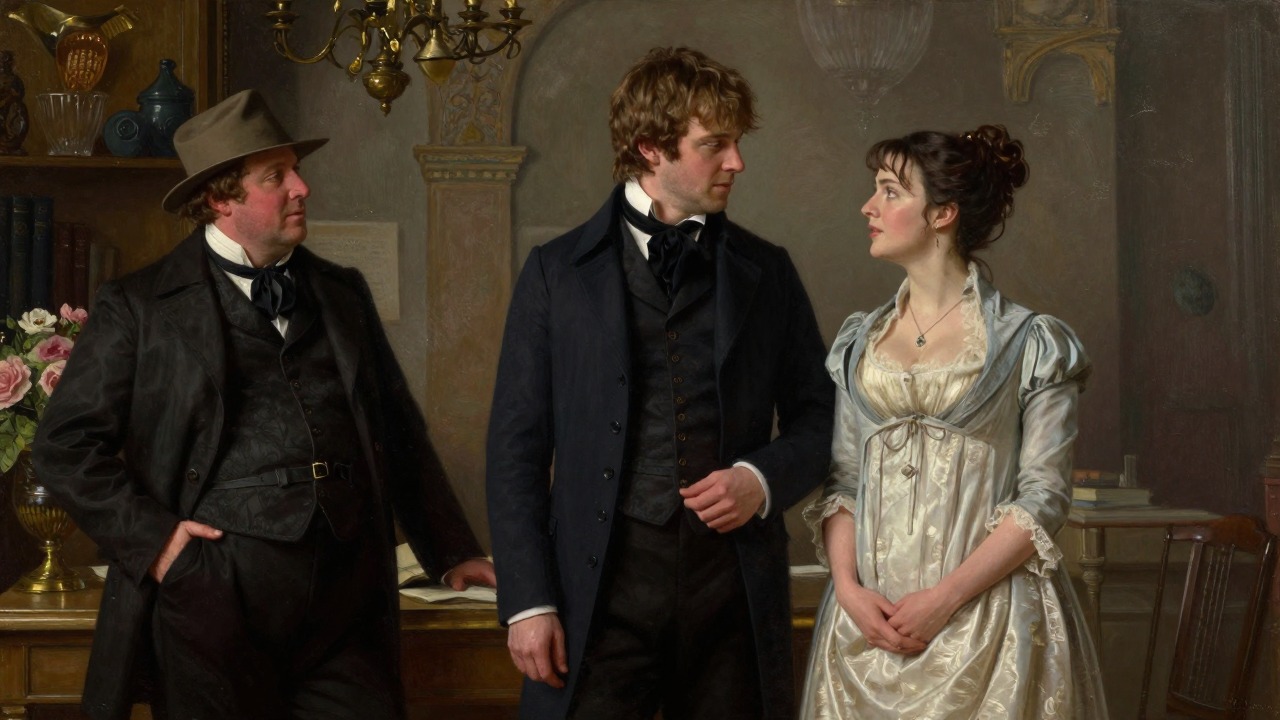
The Social Divide
The Class Difference
Darcy is a wealthy aristocrat; Elizabeth is a gentleman's daughter with a small fortune. Their families are leagues apart. The social obstacles are significant.
The Family's Opposition
Darcy's aunt, Lady Catherine, opposes the match. His own pride initially prevents him from considering Elizabeth seriously. The obstacles are both external and internal.
The Challenge
The novel sets up a clear challenge: can love conquer social prejudice? The romance of Elizabeth and Darcy is a test of this theme.
The Overcoming of Prejudice
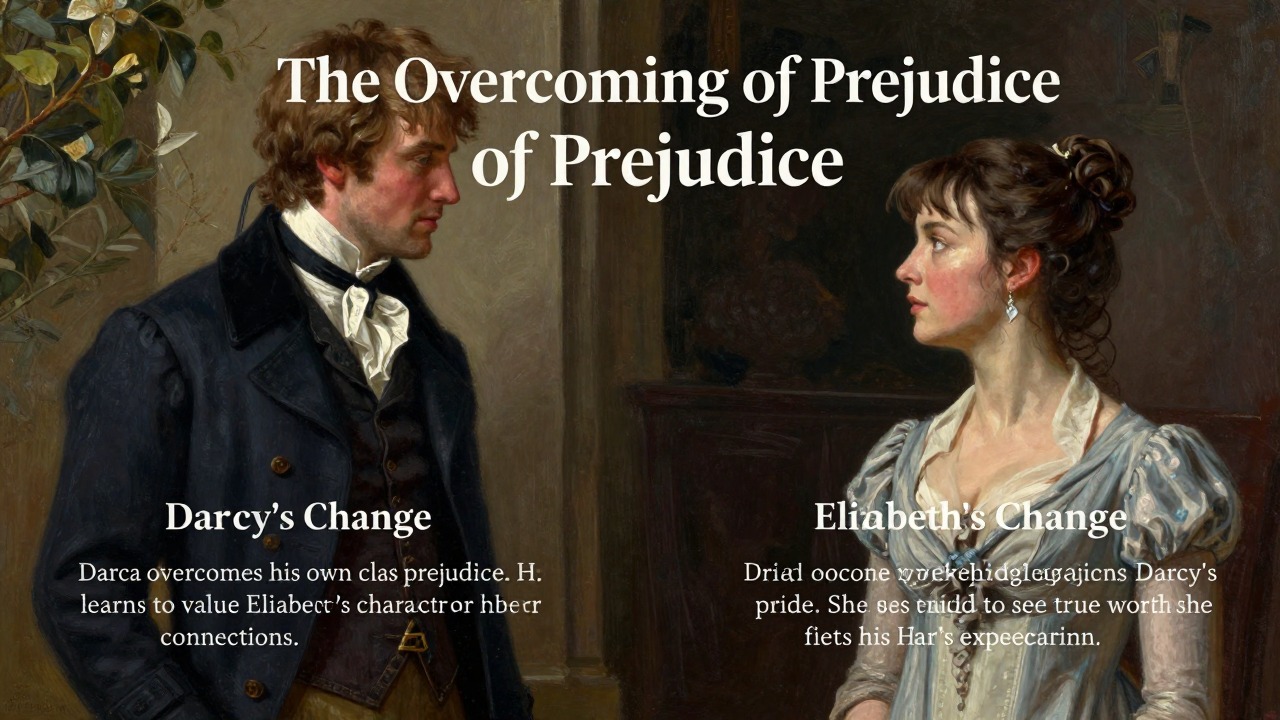
The Overcoming of Prejudice
Darcy's Change
Darcy overcomes his own class prejudice. He learns to value Elizabeth's character over her connections. He defies his aunt's expectations.
Elizabeth's Change
Elizabeth overcomes her prejudice against Darcy's pride. She learns to see his true worth. She is willing to marry into a higher social class without losing her integrity.
The Mutual Conquest
Both characters grow and change. Their love is not a surrender to social pressure but a triumph over it. The novel argues that love can overcome social barriers when both parties are willing to change.
The Happy Union
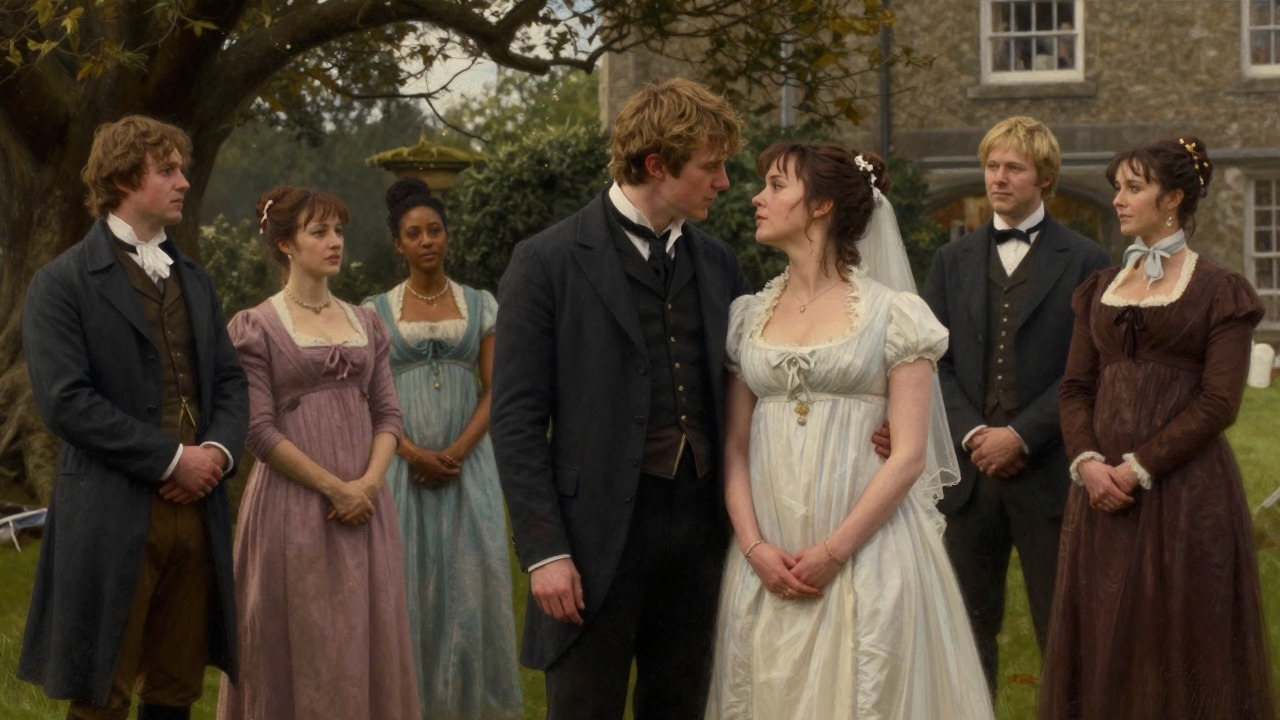
The Happy Union
The Marriage of Equals
Darcy and Elizabeth marry as equals. Their love is based on mutual respect and understanding. The social divide is bridged.
The Acceptance of Society
By the end, society accepts their marriage. Even Lady Catherine is eventually reconciled. The novel suggests that true love can win social acceptance.
The Optimistic Conclusion
The novel ends on a hopeful note: love can overcome obstacles. The theme is a celebration of the power of love to transcend class and convention. It is a romantic ideal that the novel validates.
Early in the novel
Throughout the novel
At the end of the novel
