StoryFlow
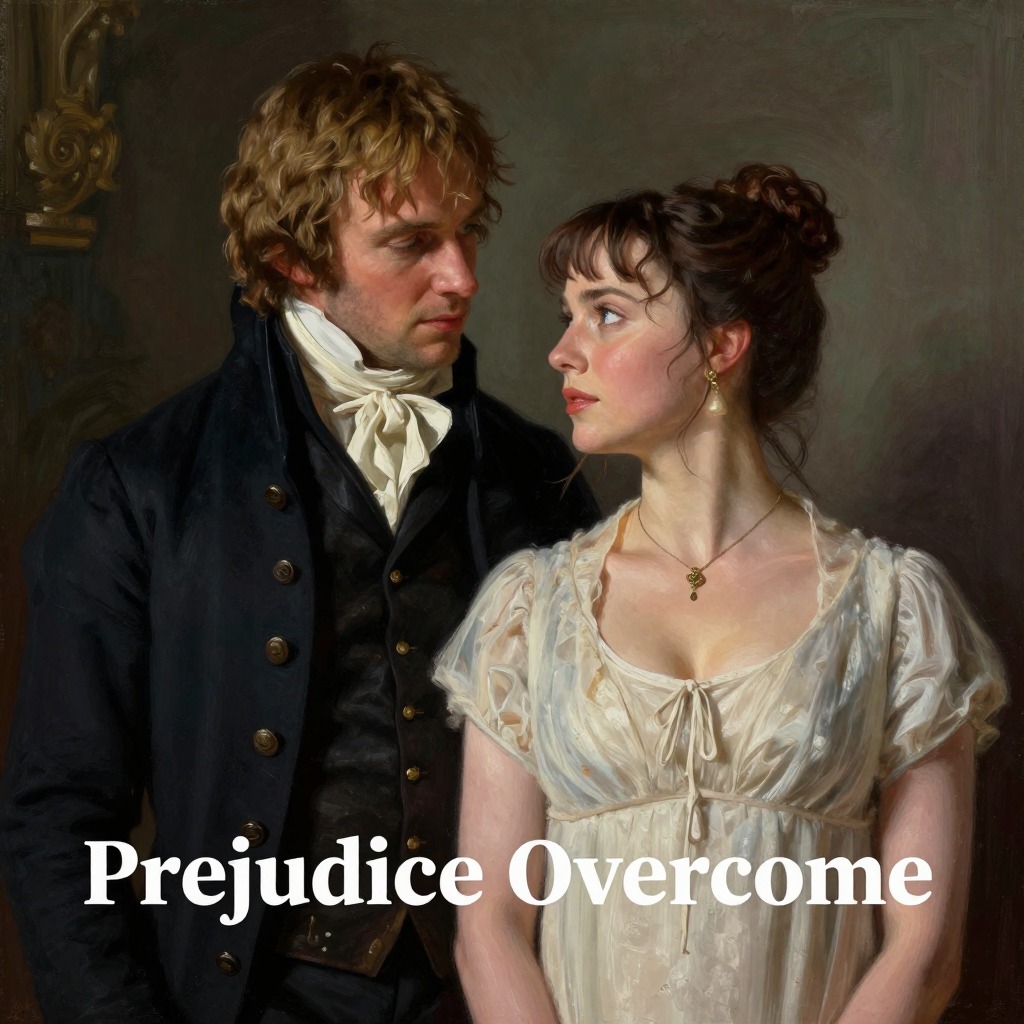
Elizabeth Bennet's Prejudice Overcome
Elizabeth Bennet learns to overcome her initial prejudice against Fitzwilliam Darcy, eventually recognizing his true character and falling in love.

Jane Bennet and Charles Bingley's Romance
The gentle romance between Jane Bennet and Charles Bingley, hindered by the interference of Bingley's sisters and Darcy, but eventually restored.
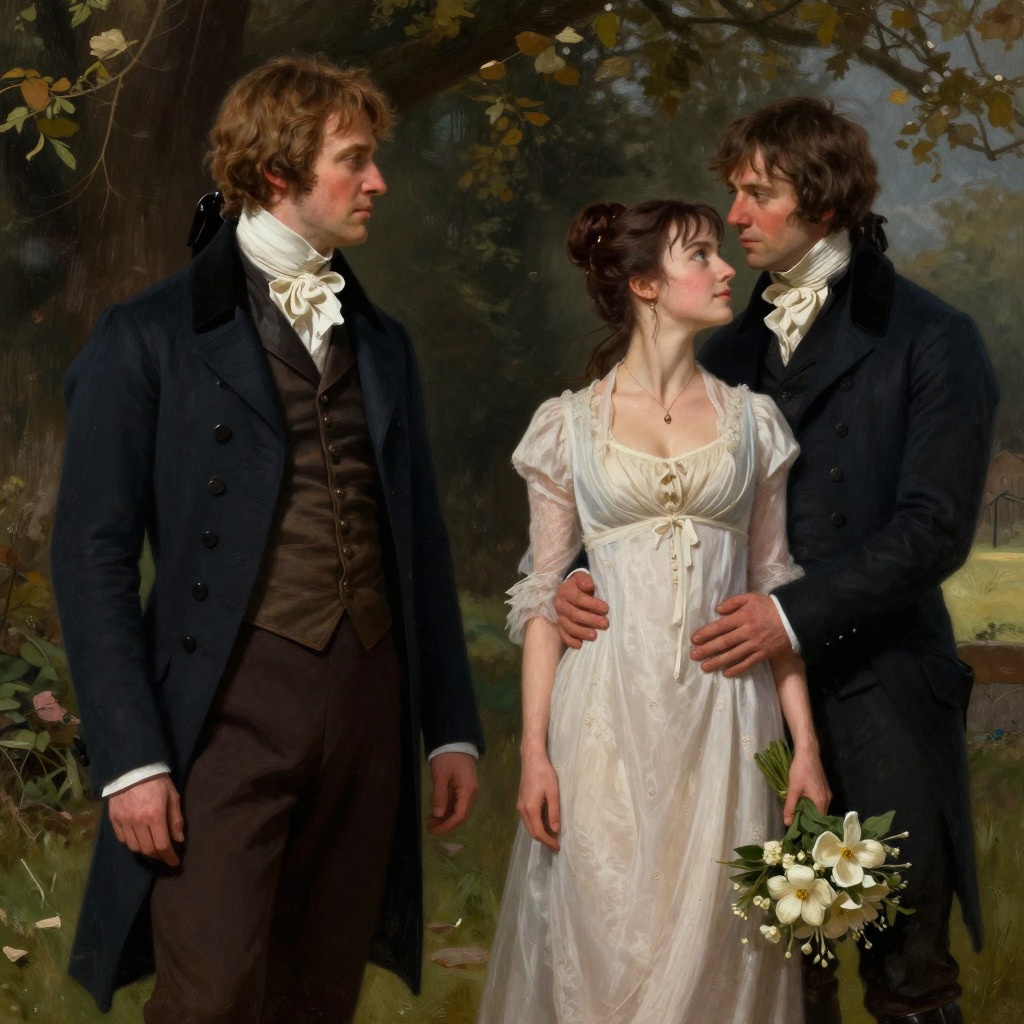
Darcy's Secret Intervention in Lydia's Elopement
Fitzwilliam Darcy quietly takes charge of the scandalous elopement of Lydia Bennet and George Wickham, arranging their marriage and saving the Bennet family's reputation.
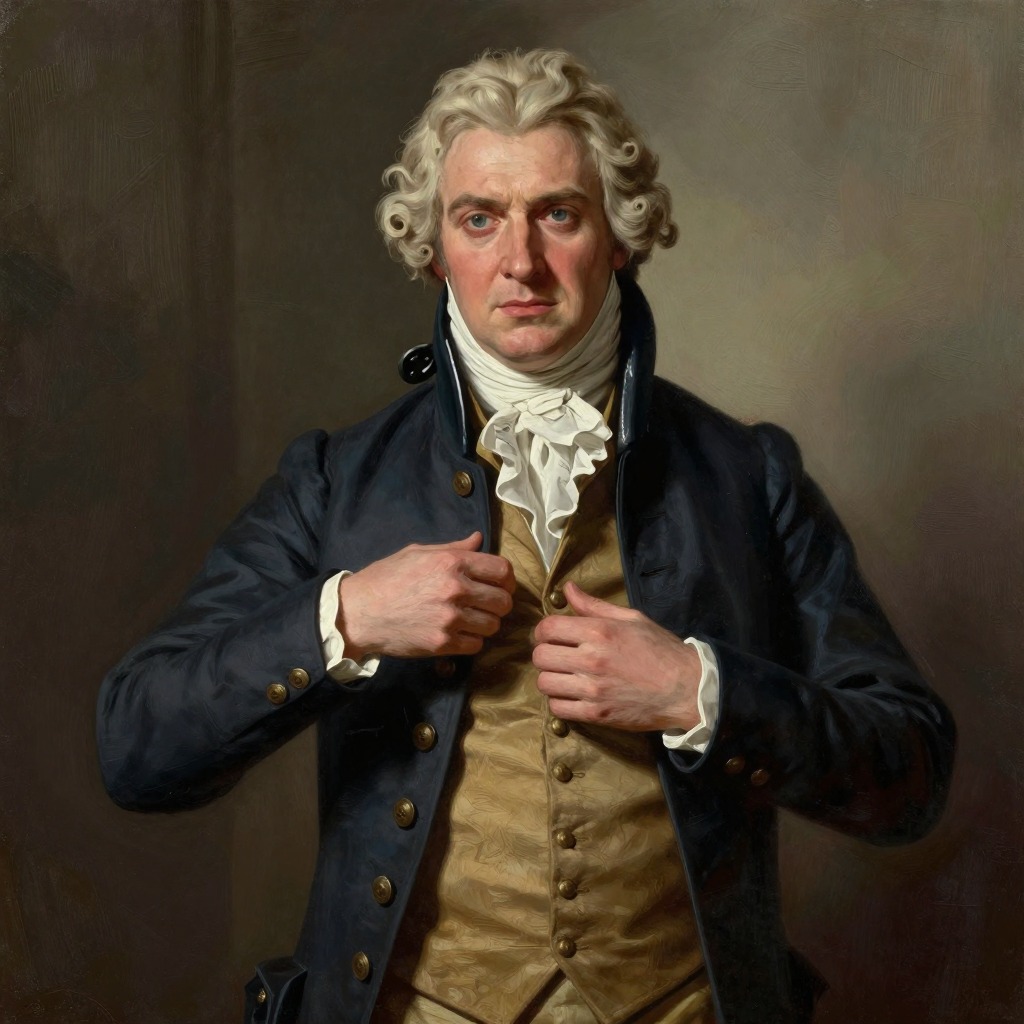
Wickham's Deception and Exposure
George Wickham's charming facade is gradually peeled away, revealing his true character as a deceitful and manipulative fortune-hunter.
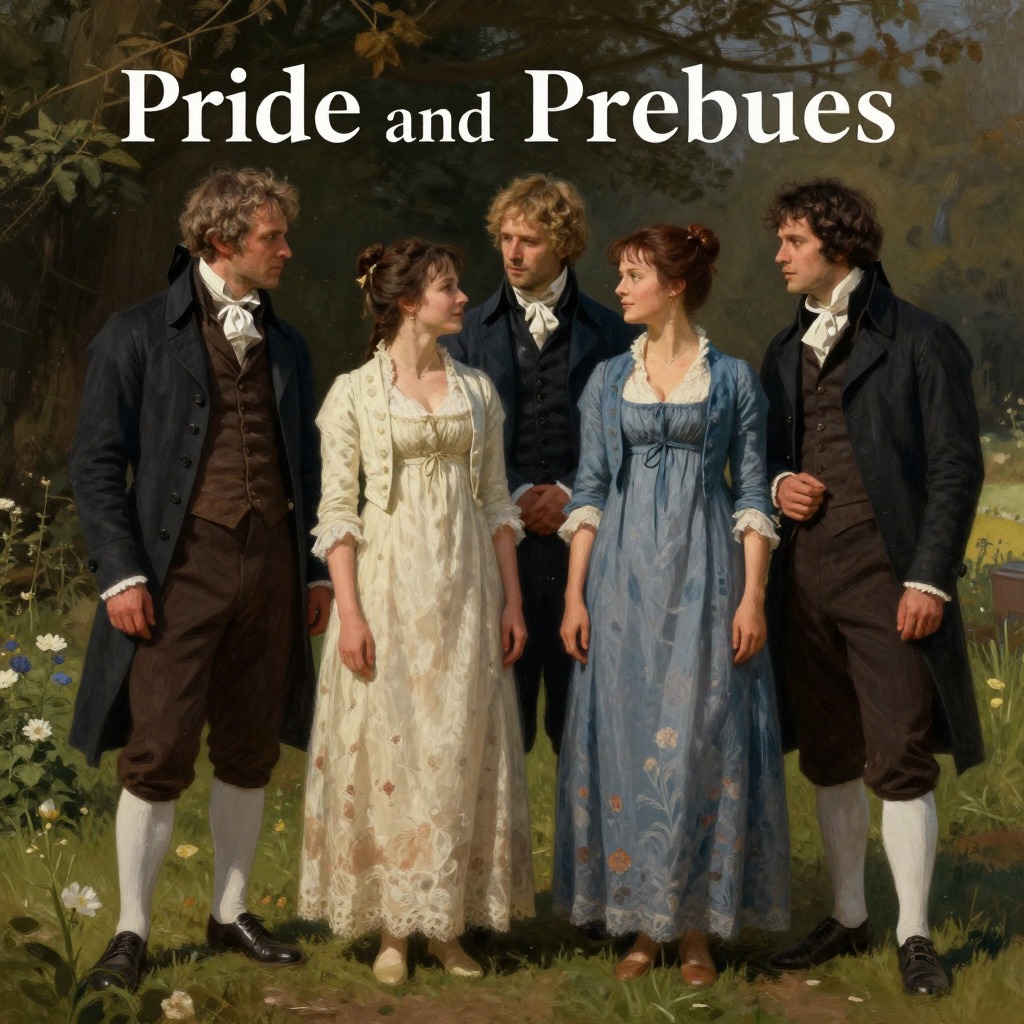
The Bennet Family's Financial Vulnerability
The entail of Longbourn and the lack of a male heir create a constant pressure on the Bennet family, driving their marriage anxieties and shaping their decisions.
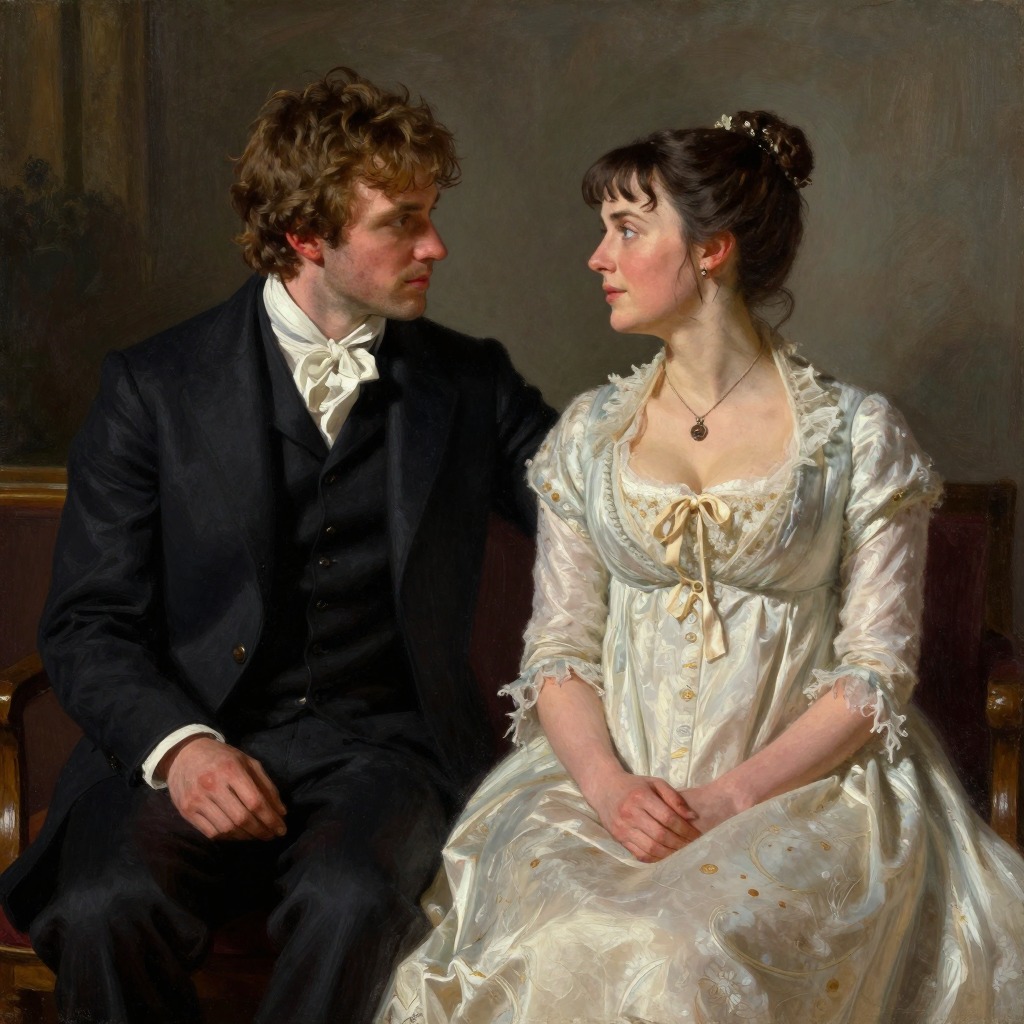
Lady Catherine's Opposition and Inadvertent Help
Lady Catherine de Bourgh's attempts to prevent Darcy's marriage to Elizabeth ironically bring the couple together, hastening their reconciliation.
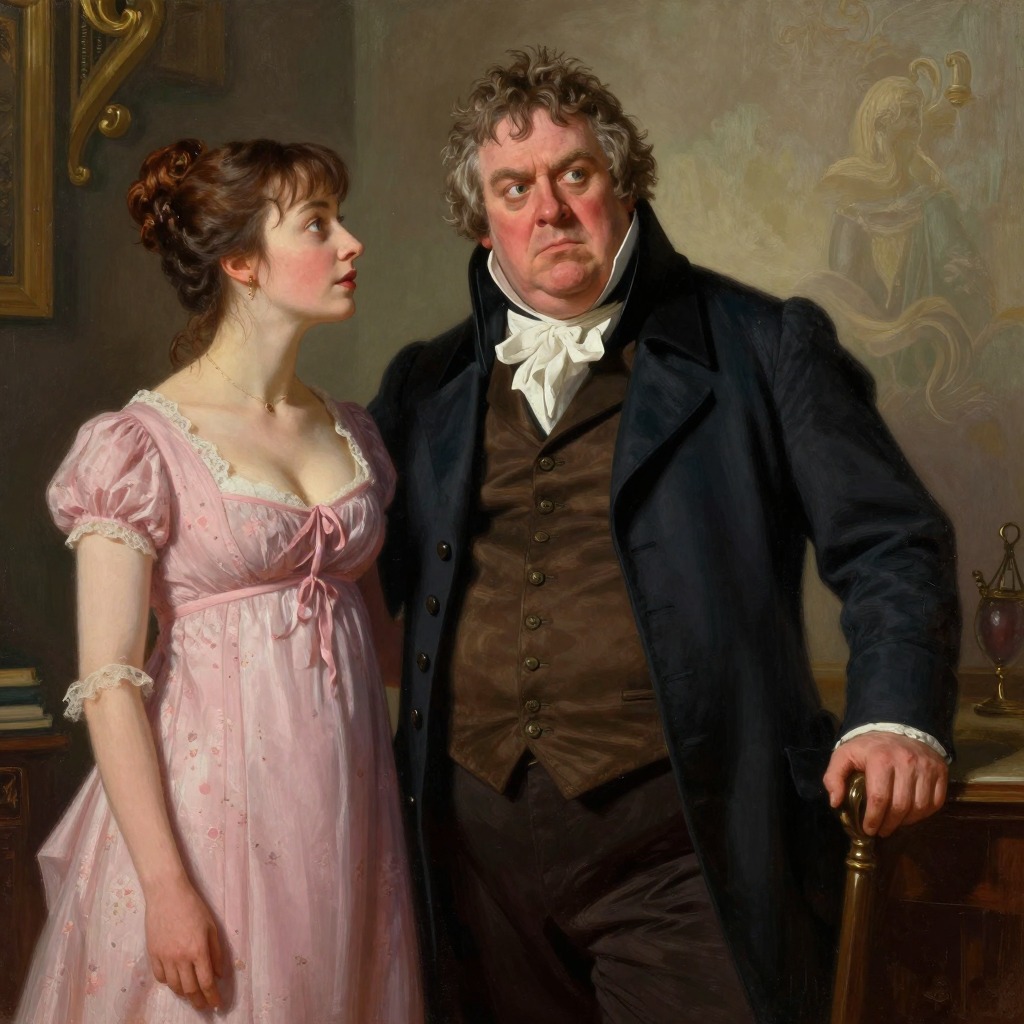
Mr. Collins's Absurd Character and Marriage
The pompous Reverend William Collins, heir to Longbourn, provides comic relief while also illustrating the absurdities of social climbing and the economic pressures on women.

Lydia Bennet's Flirtation and Elopement
Lydia's heedless pursuit of pleasure and her elopement with Wickham bring scandal to the family, but also force a crisis that ultimately leads to the resolution of the main plot.
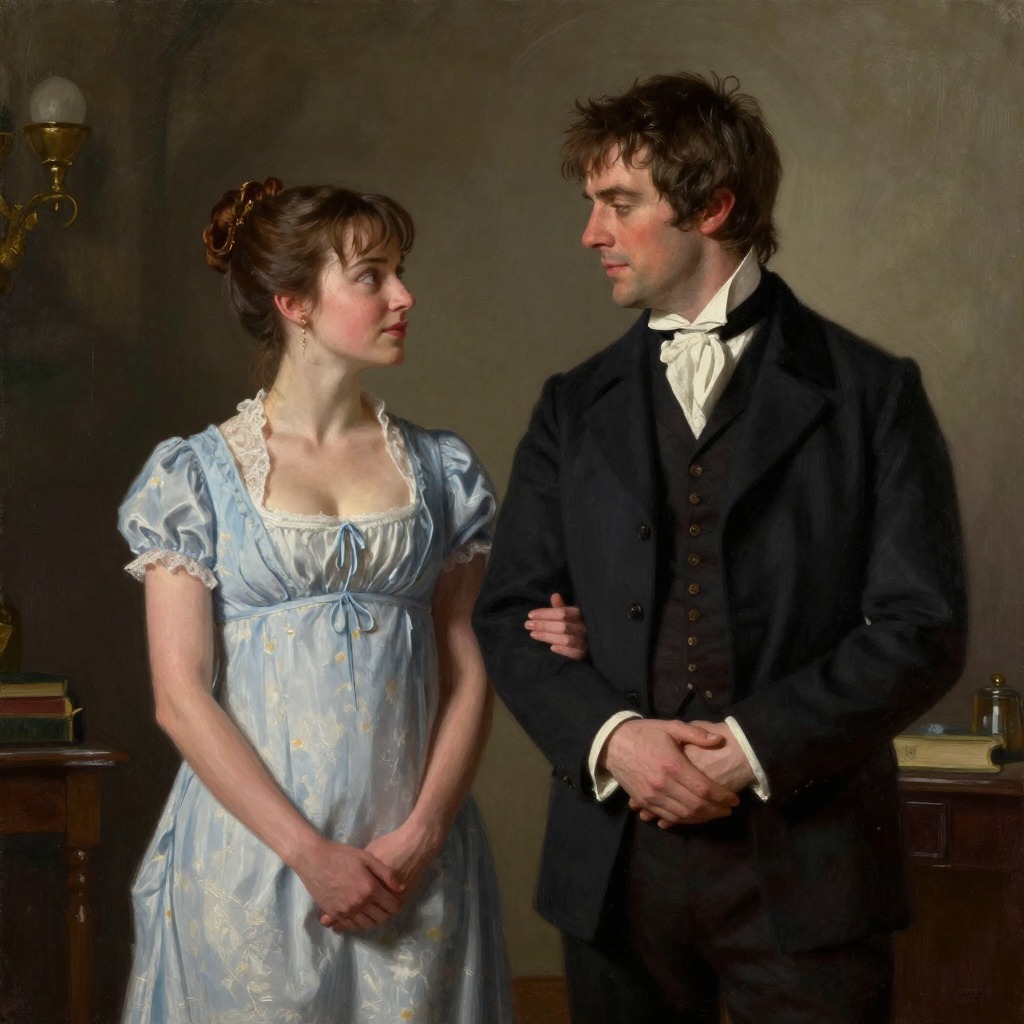
Charlotte Lucas's Pragmatic Marriage
Charlotte Lucas, Elizabeth's sensible friend, makes a calculated decision to marry Mr. Collins, sacrificing romantic ideals for security and a comfortable home.
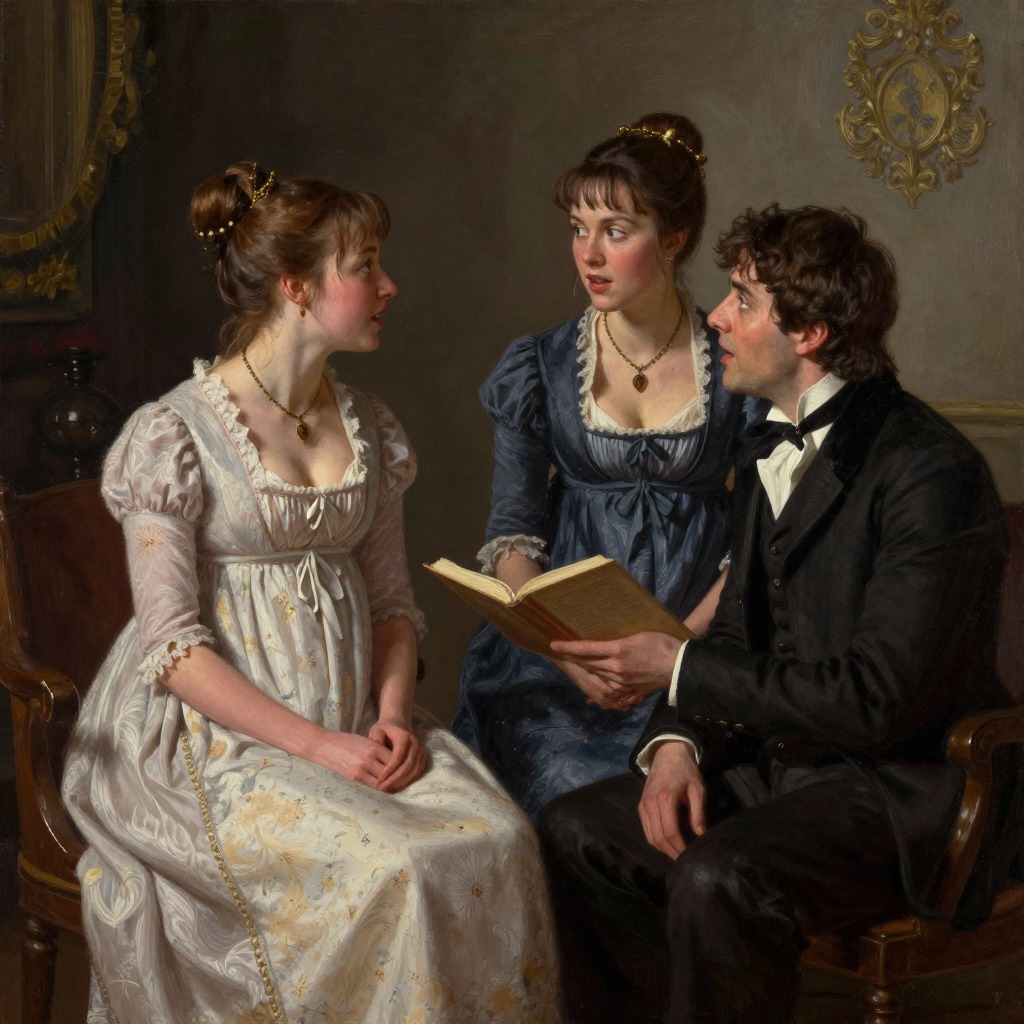
Mrs. Bennet's Matchmaking Schemes
Mrs. Bennet's single-minded determination to marry off her daughters drives much of the early plot, creating both comedy and conflict.
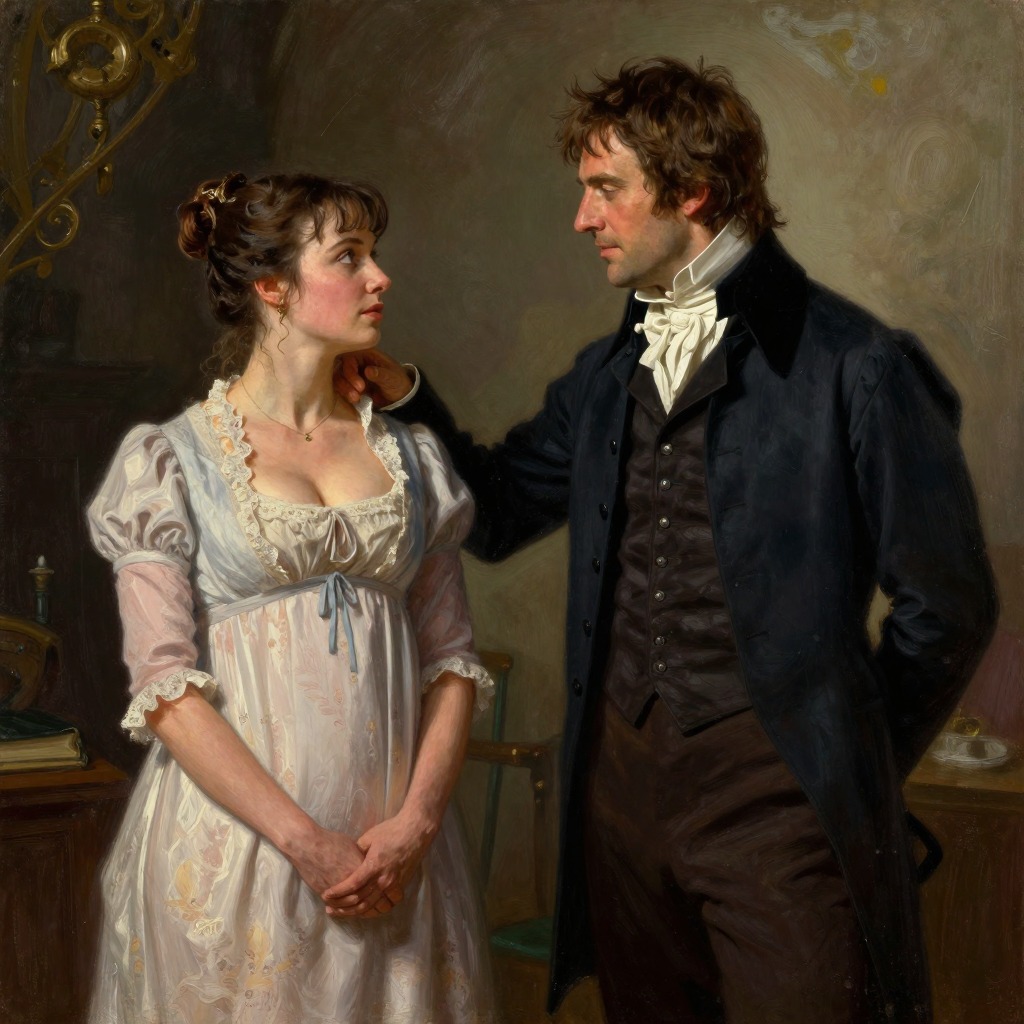
The Gardiners' Role in the Resolution
Mr. and Mrs. Gardiner, Elizabeth's sensible aunt and uncle, provide crucial support during the family's crisis and facilitate the final reconciliation between Elizabeth and Darcy.
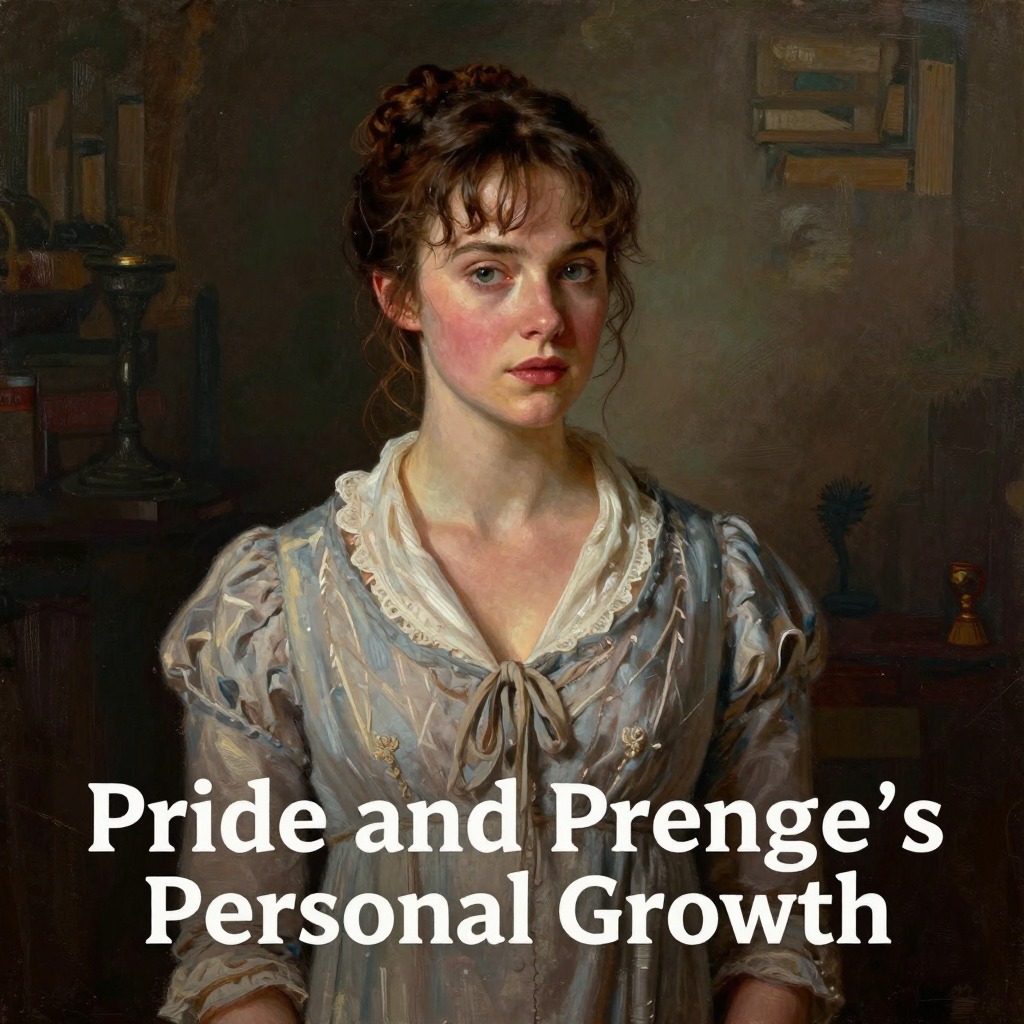
Elizabeth Bennet's Personal Growth
Elizabeth Bennet evolves from a young woman blinded by her own wit and prejudice into a mature, self-aware individual capable of true love and humility.
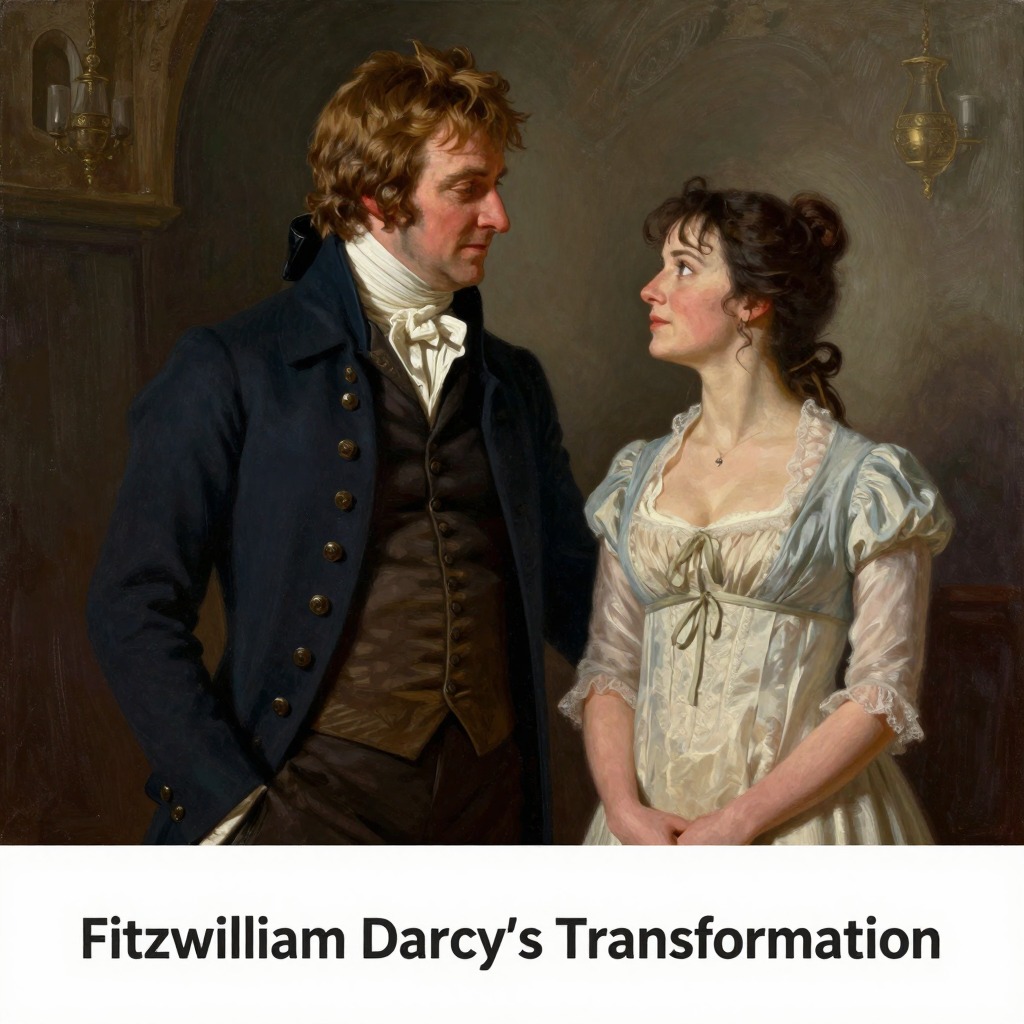
Fitzwilliam Darcy's Transformation
Fitzwilliam Darcy evolves from a proud, reserved aristocrat into a humble, loving man willing to overcome his own prejudices for the sake of Elizabeth.

Jane Bennet's Patient Love
Jane Bennet, the gentle eldest sister, endures the loss of Bingley with quiet dignity and is ultimately rewarded for her constancy.

Lydia Bennet's Ruin and Salvage
Lydia Bennet's reckless behavior leads to scandal, but a forced marriage prevents utter ruin, though her character remains unchanged.
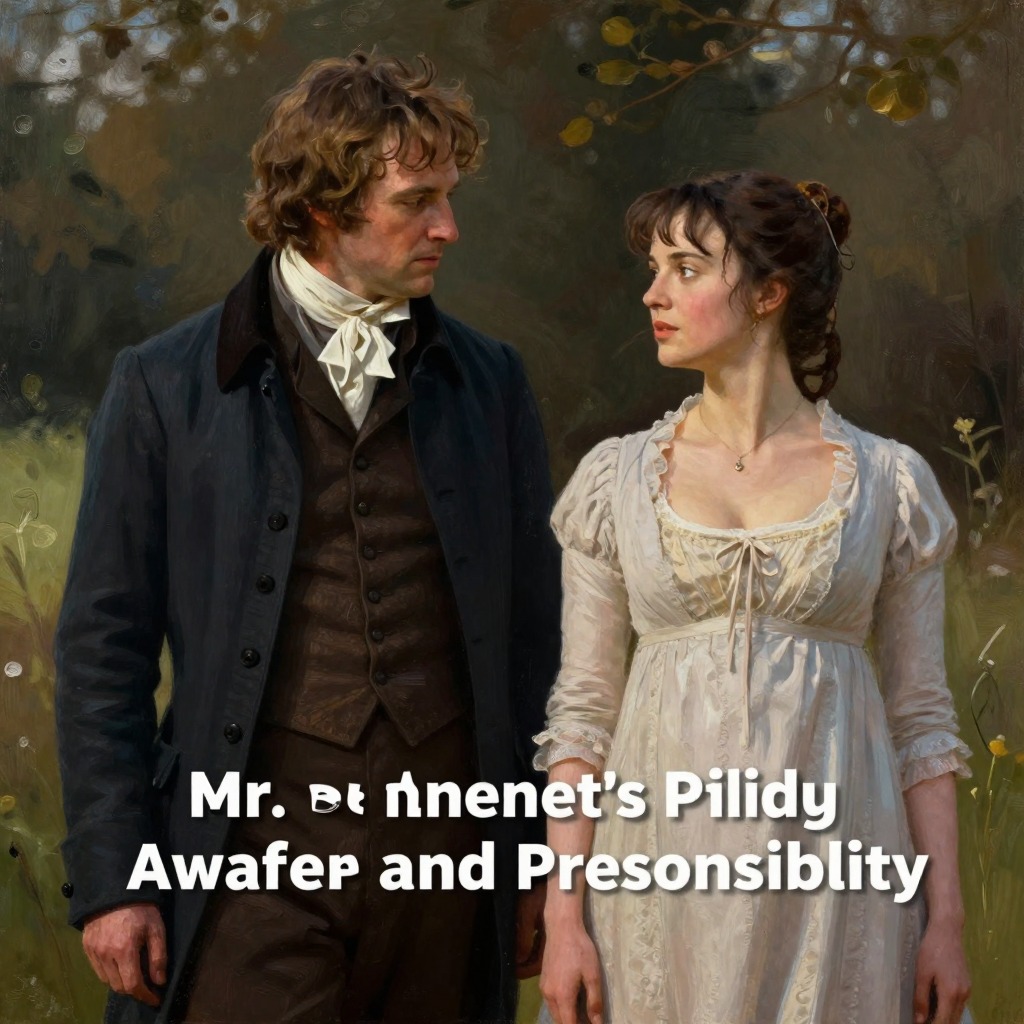
Mr. Bennet's Awakening to Responsibility
Mr. Bennet, the indolent and witty father, is forced to confront his failures as a parent after Lydia's elopement, leading to a late but genuine change.

Charlotte Lucas's Acceptance of a Loveless Marriage
Charlotte Lucas, a sensible woman without fortune, makes the calculated choice to marry the absurd Mr. Collins, sacrificing personal happiness for security.

The Clash of Pride and Prejudice
The central conflict between Fitzwilliam Darcy's pride and Elizabeth Bennet's prejudice creates a series of misunderstandings that must be resolved before they can unite.
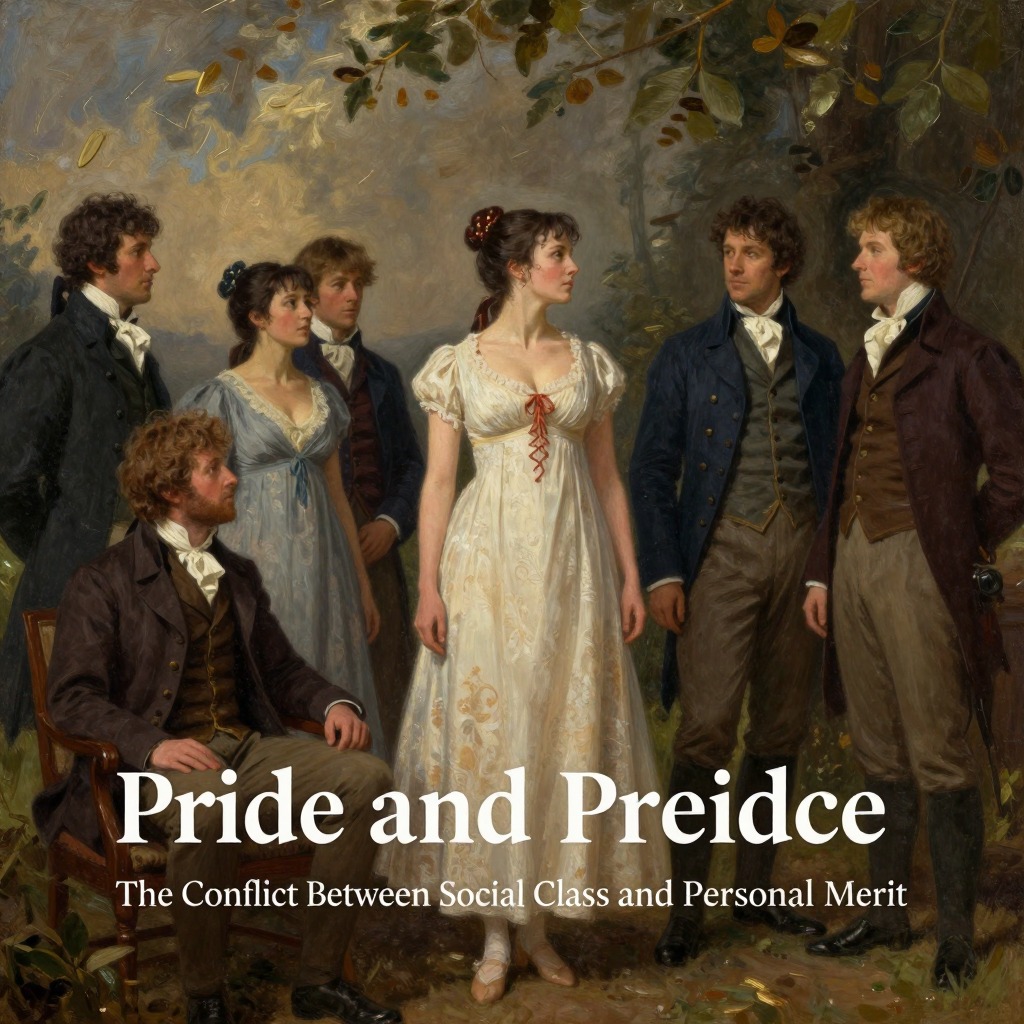
The Conflict Between Social Class and Personal Merit
The novel repeatedly pits the rigid class structure of Regency England against the inherent worth of individuals, questioning the value of birth over character.
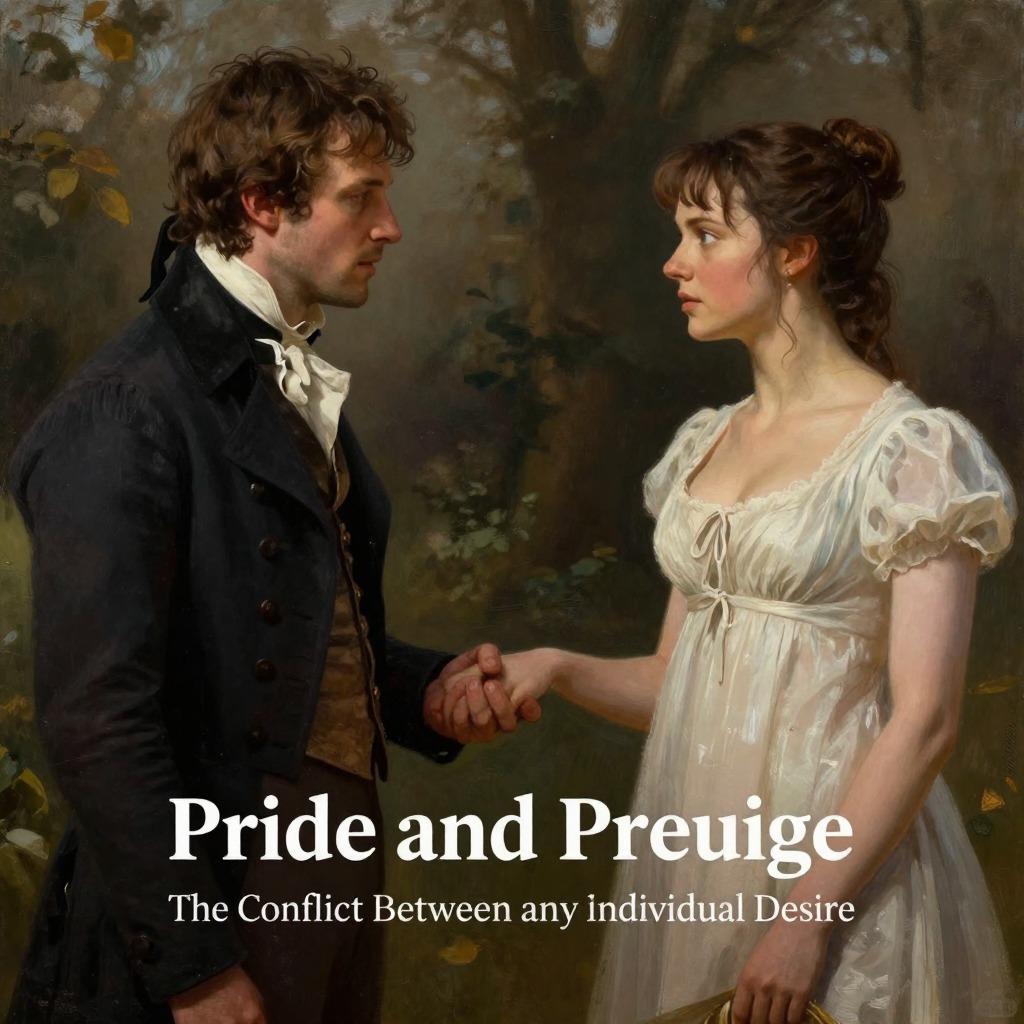
The Conflict Between Family Duty and Individual Desire
Characters face the tension between what they owe their families and what they want for themselves, particularly in matters of marriage.

The Conflict Between Reputation and Happiness
The novel explores how the strict code of female reputation can destroy lives and how love and happiness sometimes require risking that reputation.
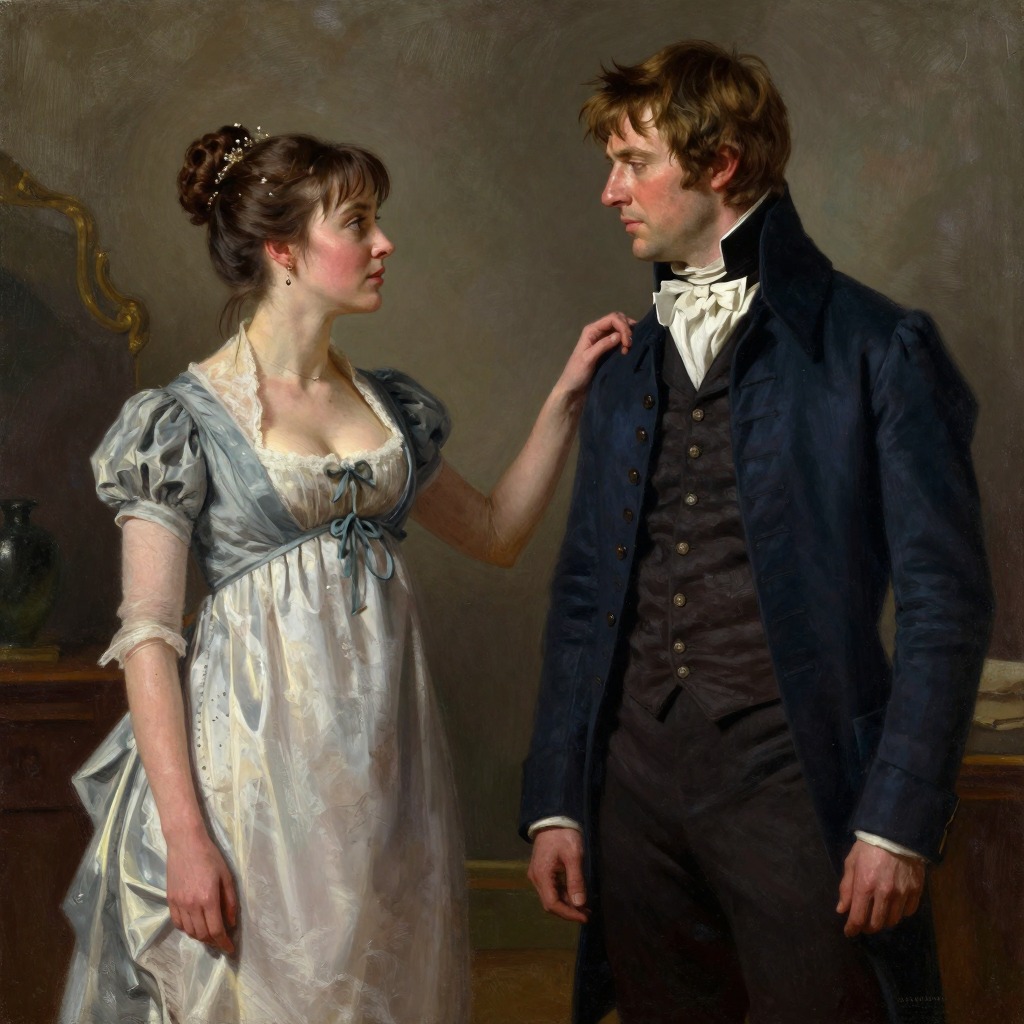
The Conflict Between Lady Catherine's Authority and Darcy's Independence
Lady Catherine de Bourgh's attempts to control her nephew's marriage clash with Darcy's newfound independence and his love for Elizabeth.

The Conflict Between Bingley's Dependence and His Own Feelings
Charles Bingley's easygoing nature makes him susceptible to the influence of his friend Darcy, creating a conflict between his own feelings for Jane and his reliance on Darcy's judgment.
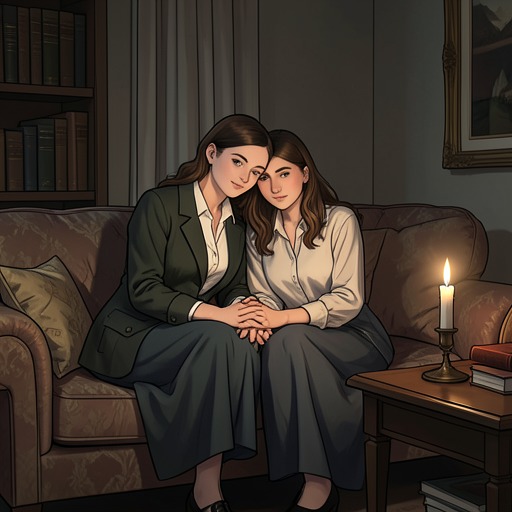
Elizabeth and Jane's Sisterly Bond
The close and supportive relationship between Elizabeth and Jane Bennet provides emotional stability and a moral compass for both sisters.

Darcy and Bingley's Friendship
The deep friendship between the reserved Darcy and the affable Bingley is a key relationship, tested by Darcy's interference but ultimately strengthened.

Elizabeth and Darcy's Evolving Attraction
The romantic attraction between Elizabeth and Darcy grows from initial hostility through fascination and respect to deep love.

Mr. Bennet and Elizabeth's Father-Daughter Relationship
The special bond between Mr. Bennet and Elizabeth, based on shared wit and intelligence, is tested by her engagement to Darcy but ultimately triumphs.
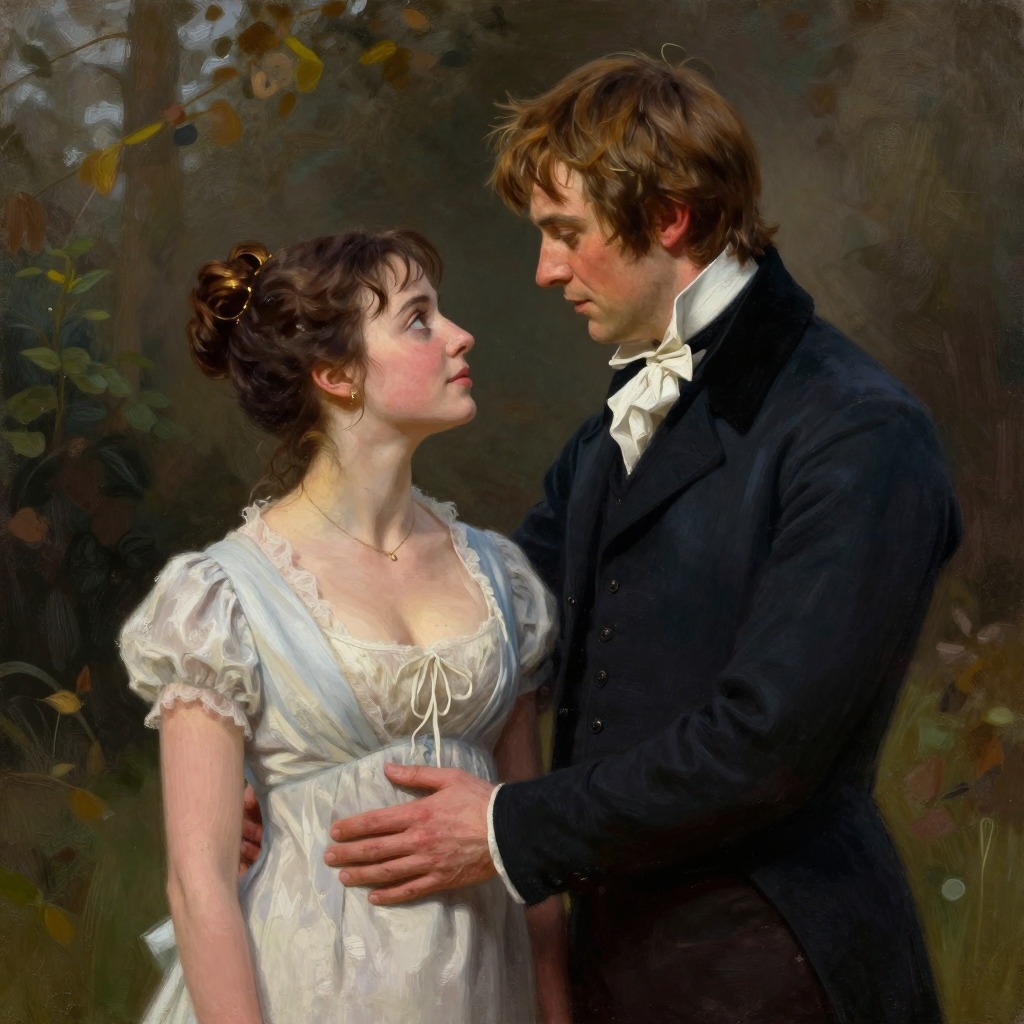
Darcy's Protective Love for Georgiana
Darcy's devoted care for his younger sister, Georgiana, reveals his capacity for tenderness and his sense of responsibility, and it also motivates his actions against Wickham.
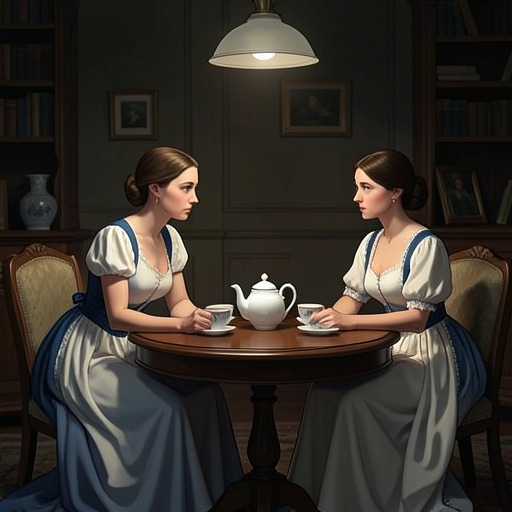
Charlotte Lucas and Elizabeth's Friendship Tested
The friendship between Elizabeth and Charlotte Lucas is strained by Charlotte's pragmatic marriage to Mr. Collins, testing the limits of their intimacy.
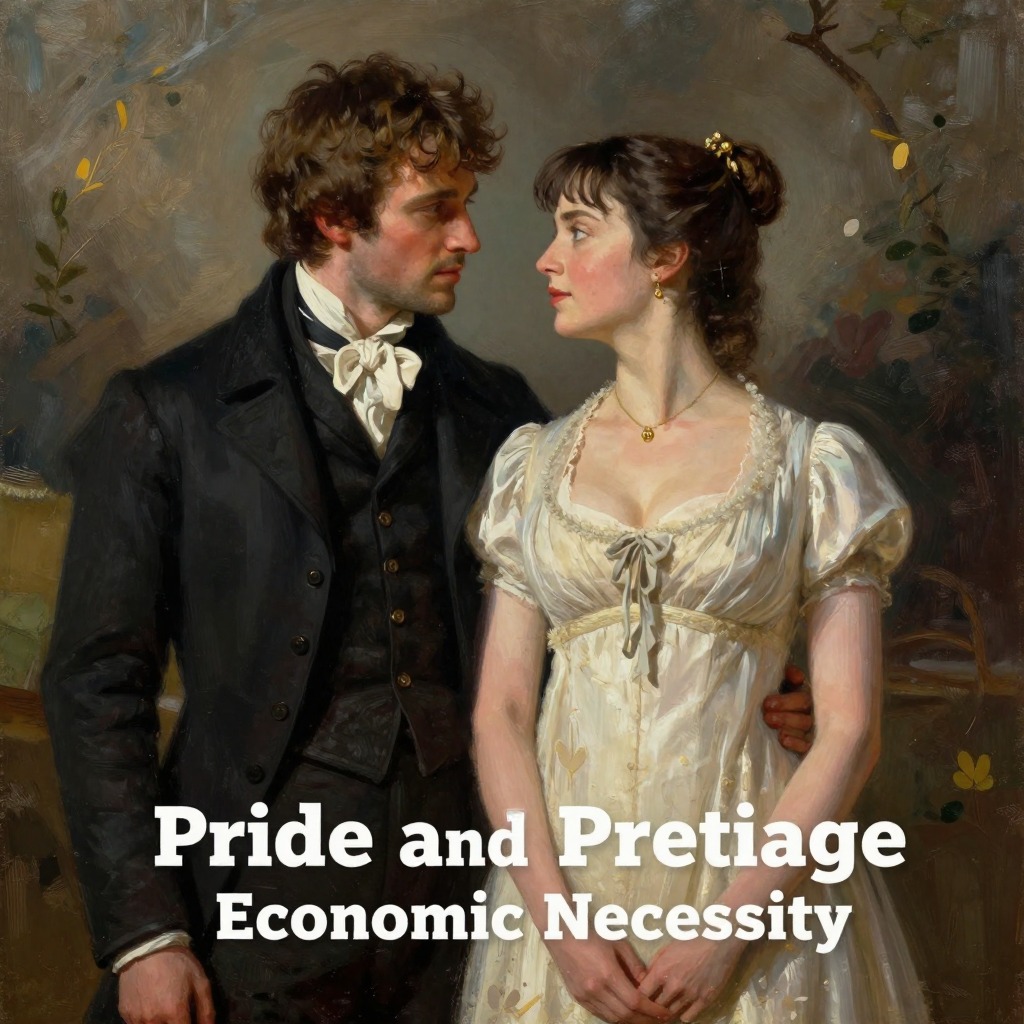
Marriage as an Economic Necessity
The novel repeatedly emphasizes that marriage in Regency England is often an economic arrangement, a necessity for women without fortunes.
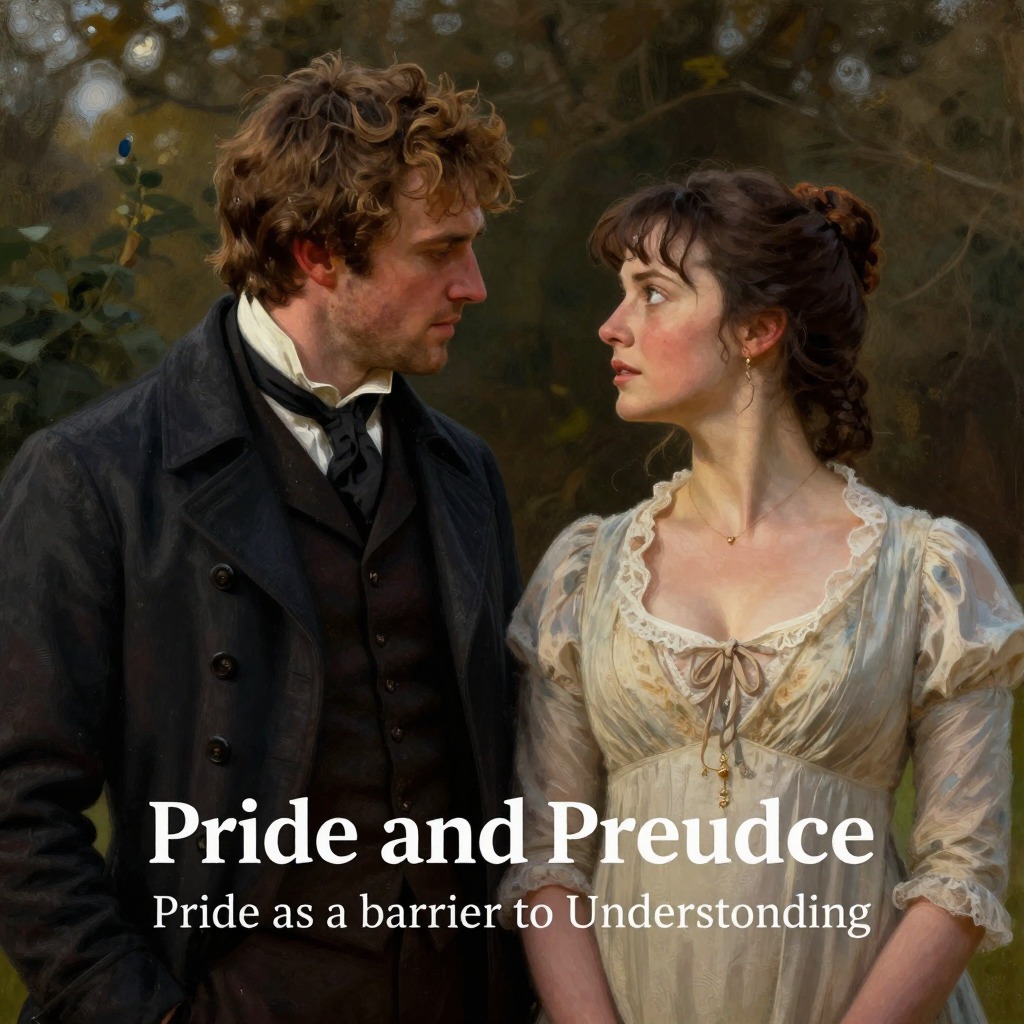
Pride as a Barrier to Understanding
The novel explores how excessive pride, in both Darcy and Elizabeth, prevents them from seeing the truth about each other and themselves.
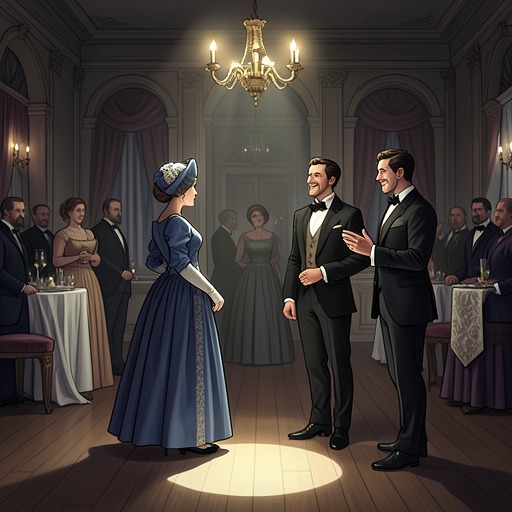
Prejudice Based on First Impressions
The novel examines how first impressions can be dangerously misleading, as characters form lasting opinions based on insufficient evidence.
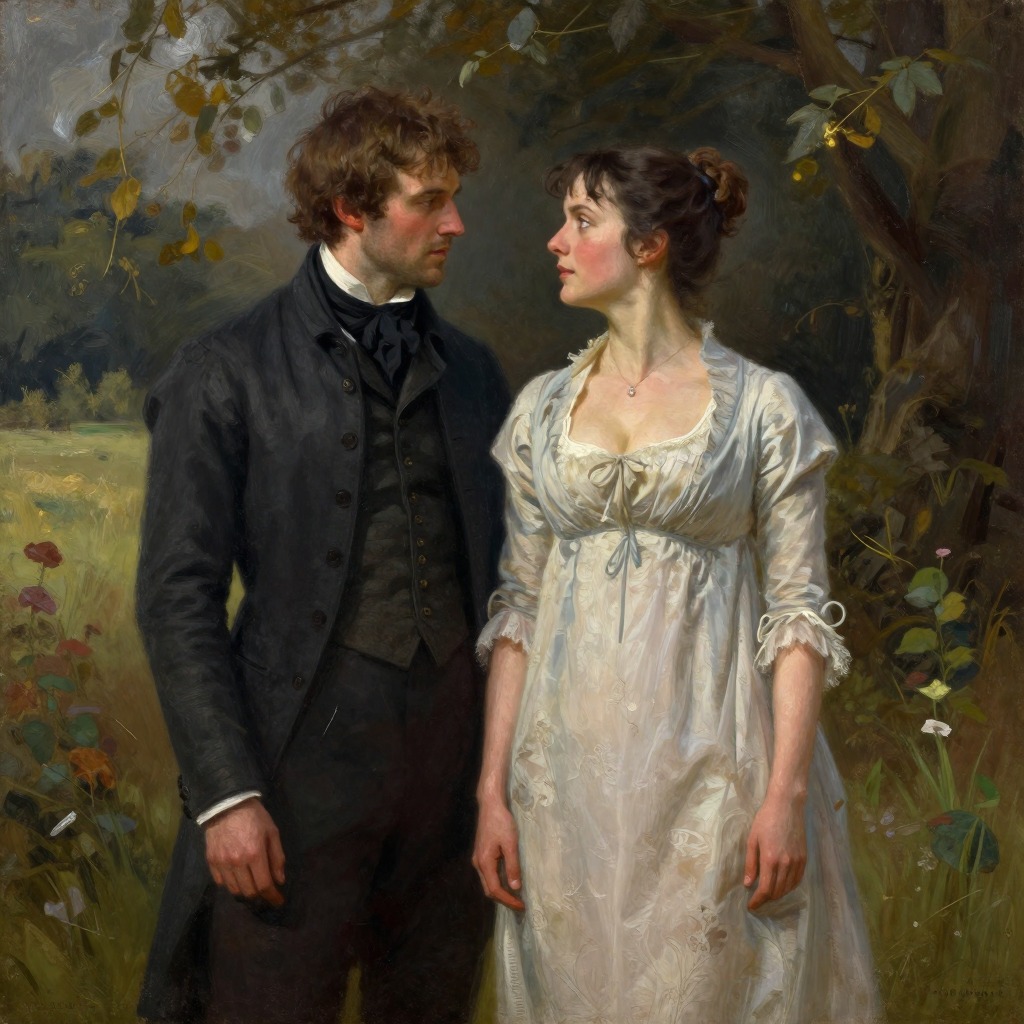
The Entail and the Vulnerability of Women
The entail of Longbourn symbolizes the legal and economic powerlessness of women in Regency England, a theme that underpins the entire plot.

The Importance of Character Over Appearance
The novel repeatedly demonstrates that a person's true worth is determined by their character, not by their looks, charm, or social position.

Love Overcoming Social Obstacles
The novel celebrates the power of love to transcend social barriers, as Darcy and Elizabeth overcome class differences and family opposition to marry.
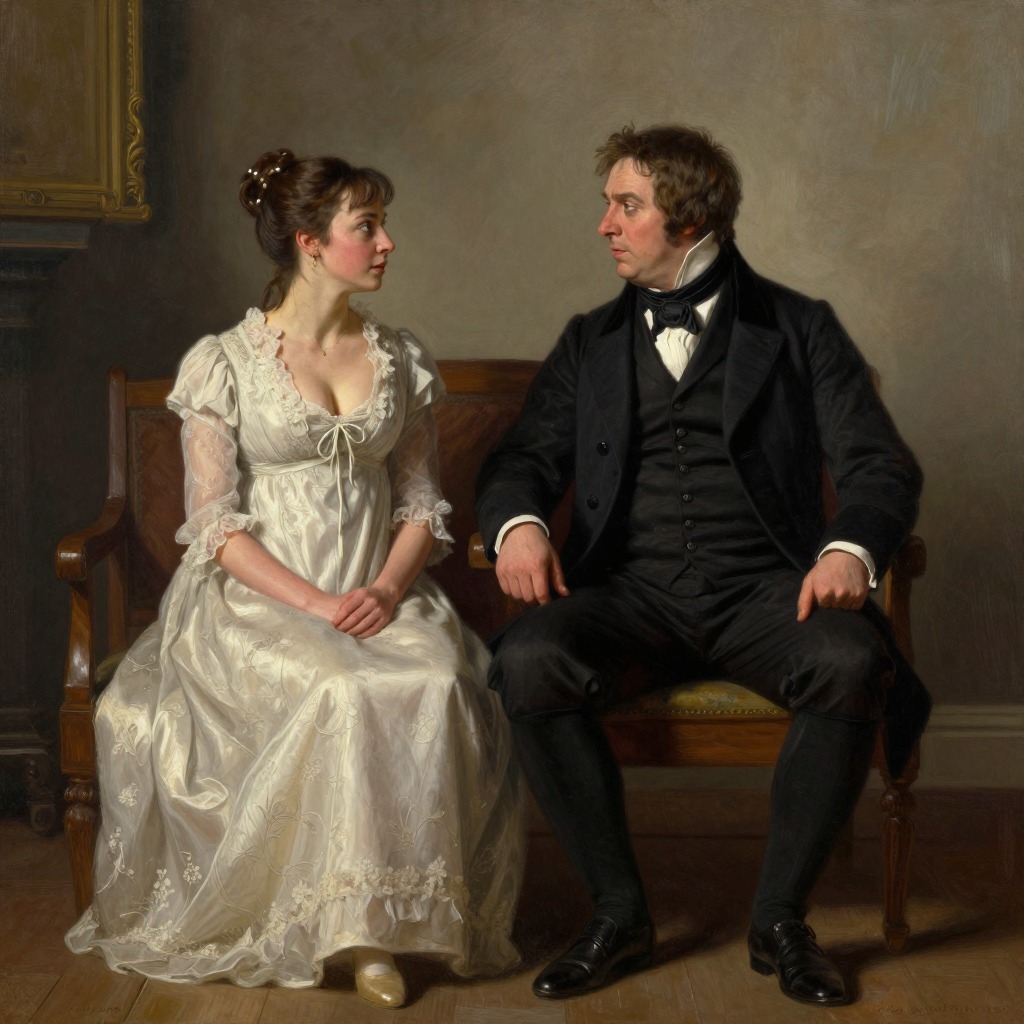
The Duty of a Clergyman to Marry
Mr. Collins's absurd reasoning for marriage, citing Lady Catherine's advice and his own duty, satirizes the idea that clergymen should marry for reasons other than love.
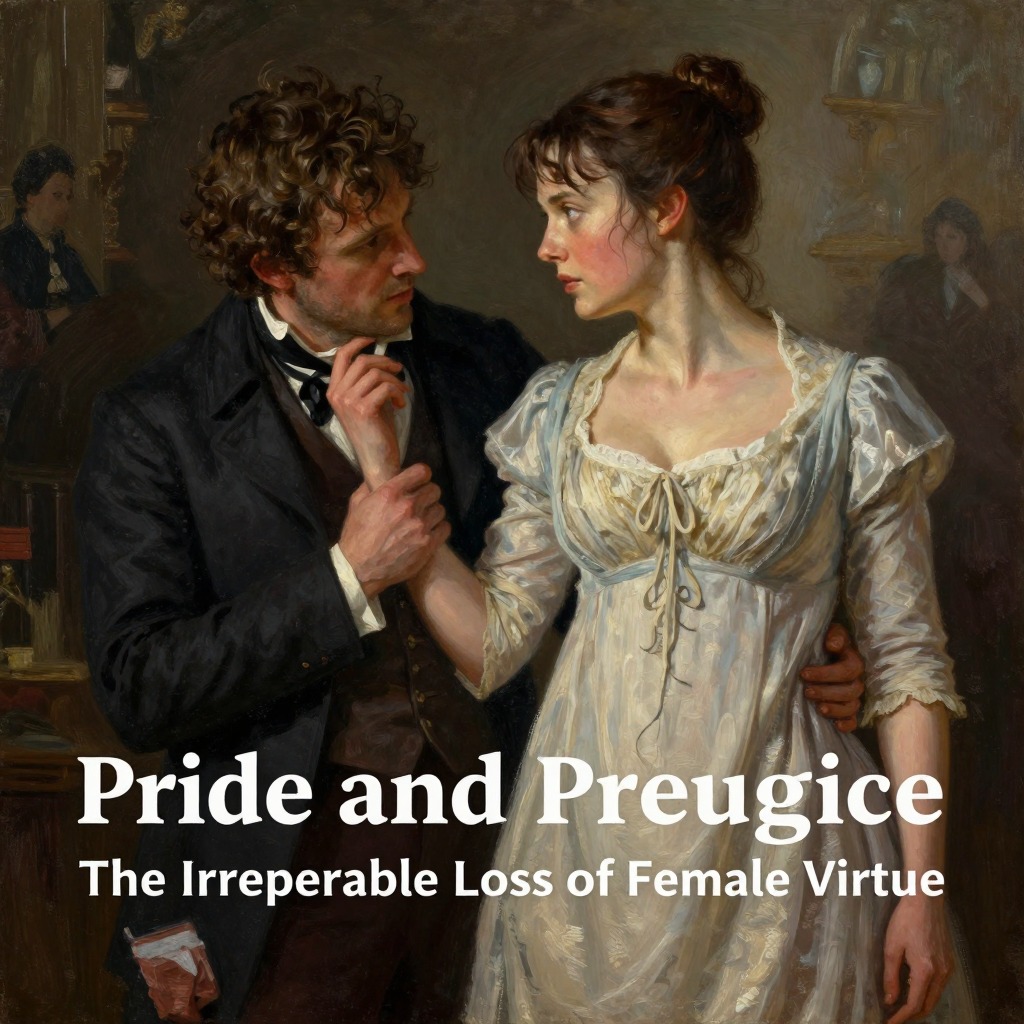
The Irreparable Loss of Female Virtue
The novel confronts the harsh reality that a woman's reputation, once lost, can never be fully restored, a theme embodied by Lydia's elopement.