1957
Füsun’s Childhood Connection
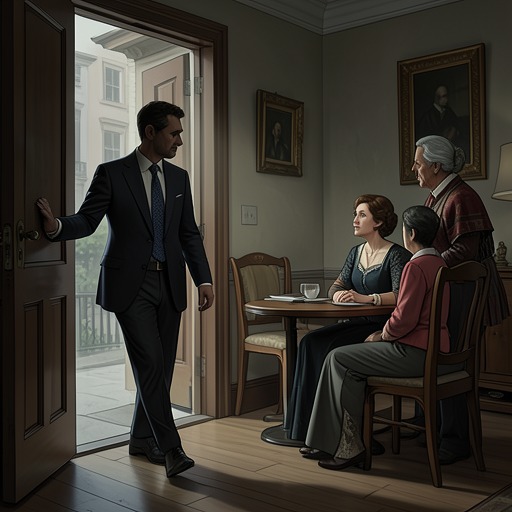
When [Füsun](entity:character-recall-character-bb2352af9d58)’s mother, [Nesibe the seamstress](entity:character-recall-character-52189d1f5088), worked at the Basmacı home, she was pregnant with Füsun. [Kemal](entity:character-recall-character-kemal-c34963f9fefd) later remembered this visit as his earliest awareness of the distant relation who would shape his life.
The families were bound by poverty and a complicated kinship, but they lived in sharply different worlds. Kemal’s mother once supported [Nesibe](entity:character-recall-character-nesibe-2a8ec24b0d50), then grew distant after Füsun entered a beauty contest.
1958–1974
Mümtaz’s Secret Affair
[Kemal](entity:character-recall-character-kemal-c34963f9fefd)’s father began a long affair with a young employee at [Satsat](entity:organization-recall-organization-satsat-64324f3c1b10). He kept her in an apartment and, unable to leave his wife and sons, let the relationship end without marrying her.
Years later, he told Kemal that his deepest regret was failing to tell the woman how much he valued her. The story became a warning about love deferred until it is too late.
February 27, 1969
The Feast of the Sacrifice Outing
Twelve-year-old [Füsun](entity:character-recall-character-bb2352af9d58) accompanied twenty-four-year-old [Kemal](entity:character-recall-character-kemal-c34963f9fefd) on an errand for liqueur during the Feast of the Sacrifice. They witnessed a lamb being slaughtered, and Kemal tried to explain the story of Abraham and the meaning of sacrifice.
Their drive through the city became a childhood memory they would revisit years later. Füsun’s promise to save the unsold lambs, and the tenderness of her questions, stayed with Kemal as an image of her compassion.
1973
Füsun Enters a Beauty Contest
[Füsun](entity:character-recall-character-bb2352af9d58) entered a national beauty contest with her mother’s encouragement, concealing it from her father and lying about her age. She did not win, but the contest brought her into public view and contributed to the family’s estrangement from [Kemal](entity:character-recall-character-kemal-c34963f9fefd)’s mother.
The episode mattered beyond Füsun’s ambitions: in their society, beauty contests carried a sexual stigma that could threaten a young woman’s reputation and future marriage prospects.
April 27–28, 1975
The Handbag and the Reunion
While walking with [Sibel Hanım](entity:character-recall-character-13943f72f606), [Kemal](entity:character-recall-character-kemal-c34963f9fefd) noticed a [Jenny Colon handbag](entity:object-recall-object-jenny-colon-handbag-ed5085dc1168) in a shop window and returned the next day to buy it. At the [Şanzelize Boutique](entity:organization-recall-organization-anzelize-boutiqu-c642b5e2fad3), he unexpectedly saw [Füsun](entity:character-recall-character-bb2352af9d58), his eighteen-year-old distant relation, working there.
Her beauty unsettled him, though he told himself that he loved [Sibel](entity:character-recall-character-sibel-1607f83d537d) and would forget the encounter. He carried the counterfeit handbag away, unaware that the purchase had begun a chain of events that would remake his life.
April 29, 1975
Füsun’s Tears
After [Sibel](entity:character-recall-character-sibel-1607f83d537d) identified the handbag as counterfeit, [Kemal](entity:character-recall-character-kemal-c34963f9fefd) returned to the boutique to ask for his money back. [Füsun](entity:character-recall-character-bb2352af9d58) could not open the till, and the shame of the situation overwhelmed her; she began to cry in his arms.
They arranged to meet at the [Merhamet Apartments](entity:location-recall-location-82a850628872) so she could return the money. The embrace and their private agreement gave Kemal a reason to see her again, though he still pretended the meeting was only practical.
April 30–May 2, 1975
Waiting at the Merhamet Apartments
[Kemal](entity:character-recall-character-kemal-c34963f9fefd) waited for [Füsun](entity:character-recall-character-bb2352af9d58) at his mother’s dusty flat in the [Merhamet Apartments](entity:location-recall-location-82a850628872), where old furniture and family possessions stirred memories of childhood. She did not come on the first two afternoons, and he tried to convince himself to forget her.
On the next visit, she arrived with the refund and an umbrella, drenched by the rain. Kemal coaxed her inside, prolonging the encounter and shifting their connection from a transaction toward an intimacy neither had openly acknowledged.
May 2, 1975
The Hidden Umbrella
[Füsun](entity:character-recall-character-bb2352af9d58) prepared to leave, but her umbrella was missing: [Kemal](entity:character-recall-character-kemal-c34963f9fefd) had hidden it in the hall to keep her there. When she returned to collect it the following day, he admitted what he had done, and they kissed in the dark kitchen.
Füsun said that kissing was something she liked, but that with him it was out of the question. The contradiction expressed the danger and attraction between them, and Kemal seized on it as permission to continue.
May 3, 1975
Their First Sexual Encounter
[Füsun](entity:character-recall-character-bb2352af9d58) returned to the [Merhamet Apartments](entity:location-recall-location-82a850628872), ostensibly to collect her umbrella. After they kissed, she chose to make love with [Kemal](entity:character-recall-character-kemal-c34963f9fefd) for the first time; he understood that the decision carried emotional and social consequences for her, though he did not fully reckon with them.
They lay together in the room among his mother’s discarded possessions, and the children playing in the garden outside accompanied their intimacy. Afterward they agreed that Kemal would tutor her for the university entrance exam, giving the secret affair a respectable cover.
May 1975
Lessons and Secret Meetings
[Kemal](entity:character-recall-character-kemal-c34963f9fefd) and [Füsun](entity:character-recall-character-bb2352af9d58) began meeting almost daily for mathematics lessons, though their study sessions repeatedly turned into lovemaking. She worked toward her university examination while he tried to behave as if their affair were not changing the course of his life.
The ordinary objects and routines of the apartment became inseparable from their happiness. Kemal would later treat them as vessels of memory, but at the time he still believed he could preserve both his impending marriage to [Sibel Hanım](entity:character-recall-character-13943f72f606) and his secret relationship with Füsun.
May 1975
Füsun’s Stories of Harassment
While they were alone together, [Füsun](entity:character-recall-character-bb2352af9d58) told [Kemal](entity:character-recall-character-kemal-c34963f9fefd) about men who had harassed her since childhood: adult family acquaintances, men in the street, and men who followed or touched her. She described how custom and fear had often prevented her from objecting.
She also spoke of suitors and of [Turgay Bey](entity:character-recall-character-turgay-bey-65eec1a62667), a married businessman who had courted her and tried to force himself on her. Kemal’s jealousy deepened as he learned how many men had desired her and how little protection she had received.
Late May 1975
Belkıs’s Fatal Accident
A woman [Kemal](entity:character-recall-character-kemal-c34963f9fefd) recognized from the neighborhood was killed in a traffic accident. [Füsun](entity:character-recall-character-bb2352af9d58) and Kemal saw the wreck together, and the death unsettled them as they walked toward the [Merhamet Apartments](entity:location-recall-location-82a850628872).
Füsun later attended the woman’s funeral, where Kemal saw her from his mother’s balcony. The accident and funeral formed a grim backdrop to his emerging awareness that love, sex, reputation, and death were bound together in their world.
May 26, 1975
Füsun’s Declaration of Love
After the accident, [Füsun](entity:character-recall-character-bb2352af9d58) told [Kemal](entity:character-recall-character-kemal-c34963f9fefd) that she had fallen deeply in love with him and thought of him all day. He said that he loved her too, but his response was more cautious and less exposed than her confession.
They made love, and Kemal later named that afternoon the happiest moment of his life. Füsun told him that her whole life depended on him, while he kept the earring she lost without either of them noticing its fall.
Late May 1975
Kemal Removes Turgay’s Name
After hearing [Füsun](entity:character-recall-character-bb2352af9d58)’s account of [Turgay Bey](entity:character-recall-character-turgay-bey-65eec1a62667), [Kemal](entity:character-recall-character-kemal-c34963f9fefd) crossed Turgay’s name off the guest list for his engagement party and added Füsun and her parents. He gave [Sibel](entity:character-recall-character-sibel-1607f83d537d)’s mother a false business explanation for the change.
The gesture reflected both jealousy and Kemal’s wish to bring Füsun into the same public space as his respectable future marriage. He still believed he could manage the contradictions without choosing between the two women.
Early June 1975
Mümtaz’s Confession
At a private lunch, [Kemal](entity:character-recall-character-kemal-c34963f9fefd)’s father described his eleven-year affair with a young employee and the suffering that followed when she left him. He admitted that remorse over failing to treat her as she deserved had never left him.
He gave Kemal a pair of pearl earrings intended for his former lover, suggesting that Kemal give them to [Sibel Hanım](entity:character-recall-character-13943f72f606). Kemal instead carried them as a warning about the cost of postponing honest choices.
June 14, 1975
The Engagement Party
[Kemal](entity:character-recall-character-kemal-c34963f9fefd) and [Sibel Hanım](entity:character-recall-character-13943f72f606) held an extravagant engagement party at the [Hilton Hotel, Istanbul](entity:location-recall-location-c65cbbd5cac5), before their families and the city’s wealthy social circle. Kemal drank heavily and performed the role of a happy fiancé while searching the room for [Füsun](entity:character-recall-character-bb2352af9d58).
Füsun attended with her parents and congratulated the couple. During the evening, Kemal arranged for her to dance with [Zaim](entity:character-recall-character-zaim-ed1c27017cd1), then danced with her himself and promised to explain their future the next day. He left believing he could keep her in his life while continuing the engagement.
June 15, 1975
Füsun Misses the Appointment
After her university entrance examination, [Füsun](entity:character-recall-character-bb2352af9d58) did not come to meet [Kemal](entity:character-recall-character-kemal-c34963f9fefd) at the [Merhamet Apartments](entity:location-recall-location-82a850628872) as promised. He waited day after day, then learned that she had left her job at the boutique and that her family had moved.
At Füsun’s old home, [Nesibe](entity:character-recall-character-nesibe-2a8ec24b0d50) told him that the exam had gone badly and that Füsun had been taken away to recover from heartbreak. Kemal left with a wooden ruler she had used for her lessons, beginning to seek comfort in objects that had touched her.
Summer 1975
The Search and the Ghosts
[Kemal](entity:character-recall-character-kemal-c34963f9fefd) tried to avoid the streets and places associated with [Füsun](entity:character-recall-character-bb2352af9d58), marking forbidden routes in his mind. Yet he repeatedly saw women he mistook for her, and he sought out crowded places where those fleeting illusions might recur.
He visited the [Merhamet Apartments](entity:location-recall-location-82a850628872), took comfort from Füsun’s belongings, and eventually wrote her a letter confessing his remorse. He gave it to [Ceyda](entity:character-recall-character-ceyda-4b121c141cb5) to deliver, hoping to renew their relationship without yet breaking his engagement to [Sibel Hanım](entity:character-recall-character-13943f72f606).
Late summer 1975
The End-of-Summer Party
[Kemal](entity:character-recall-character-kemal-c34963f9fefd) attended his customary party at the family apartment while hiding the extent of his suffering from [Sibel Hanım](entity:character-recall-character-13943f72f606). As the night gave way to dawn, he confessed that he had been involved with [Füsun](entity:character-recall-character-bb2352af9d58), but presented the affair as an old indiscretion rather than an ongoing obsession.
[Sibel](entity:character-recall-character-sibel-1607f83d537d) was devastated but tried to care for him and persuade him that the affair was a passing illness. They agreed to leave [Nişantaşı](entity:location-recall-location-eda91c81c3fa) and stay together at her family’s yali in [Anadoluhisarı](entity:location-recall-location-2c4465ab5000), hoping distance and domestic routine would restore their relationship.
Autumn 1975
The Yali Retreat
[Kemal](entity:character-recall-character-kemal-c34963f9fefd) and [Sibel Hanım](entity:character-recall-character-13943f72f606) tried to rebuild their life in the yali through swimming, meals, and [Bosphorus](entity:location-recall-location-4556bd2001f7) routines. Kemal remained unable to make love to her or stop longing for [Füsun](entity:character-recall-character-bb2352af9d58), while [Sibel](entity:character-recall-character-sibel-1607f83d537d)’s hope gradually gave way to hurt and suspicion.
Kemal sometimes swam on his back to quiet his pain and secretly returned to the [Merhamet Apartments](entity:location-recall-location-82a850628872). The retreat could not cure his obsession, and their shared life became a painful pretense.
Winter 1975–1976
The Broken Engagement
[Sibel Hanım](entity:character-recall-character-13943f72f606) confronted [Kemal](entity:character-recall-character-kemal-c34963f9fefd) about his inability to recover and argued that his class position had made it easy for him to begin an affair with a poor shopgirl but difficult to marry her. Their arguments exposed the shame and unequal social expectations beneath his claims of modern love.
She eventually returned her engagement ring. Kemal did not pursue her, and their relationship ended, leaving him more isolated and more committed to finding [Füsun](entity:character-recall-character-bb2352af9d58).
Winter 1975–1976
The Fatih Hotel Search
[Kemal](entity:character-recall-character-kemal-c34963f9fefd) moved into the [Fatih Hotel](entity:location-recall-location-78dff973ff9f) and searched [Istanbul](entity:location-recall-location-istanbul-df7d5976695b) for [Füsun](entity:character-recall-character-bb2352af9d58), visiting old neighborhoods and looking for signs of her family. His walks through poor districts brought him a strange contentment, as if he were approaching the ordinary life from which his wealth had insulated him.
He continued to visit the [Merhamet Apartments](entity:location-recall-location-82a850628872) for the consolation of Füsun’s objects. When [Ceyda](entity:character-recall-character-ceyda-4b121c141cb5) finally delivered an invitation from Füsun, he learned that her family was living in [Çukurcuma](entity:location-recall-location-ukurcuma-c8512006d427) and was invited to supper.
March 1976
Mümtaz’s Death
[Kemal](entity:character-recall-character-kemal-c34963f9fefd)’s father died suddenly of heart failure. Returning to his childhood home, Kemal found himself surrounded by relatives and by the familiar objects of his father’s life, which had become charged with the force of a lost past.
He hoped [Füsun](entity:character-recall-character-bb2352af9d58) might attend the funeral, but she did not come. In grief, Kemal went to the [Merhamet Apartments](entity:location-recall-location-82a850628872) and sought consolation in the objects she had touched, joining the pain of bereavement to the pain of her absence.
May 10, 1976
Füsun’s Invitation
[Füsun](entity:character-recall-character-bb2352af9d58) sent [Kemal](entity:character-recall-character-kemal-c34963f9fefd) a brief letter inviting him to supper at her family’s new address in [Çukurcuma](entity:location-recall-location-ukurcuma-c8512006d427). He had spent months imagining their reunion and was thrilled to learn that she was willing to see him.
He retrieved the childhood tricycle and his father’s pearl earrings from the [Merhamet Apartments](entity:location-recall-location-82a850628872), intending to arrive as a relative bringing back family keepsakes. He also began to imagine asking for Füsun’s hand.
May 19, 1976
Füsun’s Marriage Revealed
[Kemal](entity:character-recall-character-kemal-c34963f9fefd) arrived at the Keskin home with roses and the tricycle, intending to ask for [Füsun](entity:character-recall-character-bb2352af9d58)’s hand. Instead, she introduced [Feridun](entity:character-recall-character-feridun-ed4fbd13046e) as her husband and explained that they had married five months earlier.
Kemal concealed his shock and stayed for supper, trying to accept the new reality while watching Füsun and her husband together. Her marriage did not end his hope; it transformed his longing into a painful effort to remain near her.
Summer 1976
The Film Project Begins
[Kemal](entity:character-recall-character-kemal-c34963f9fefd) returned to [Füsun](entity:character-recall-character-bb2352af9d58)’s family home and began dining with the Keskins, while [Feridun](entity:character-recall-character-feridun-ed4fbd13046e) described his ambition to make films and turn Füsun into a star. Kemal saw the project as both an excuse to remain in her life and a possible route to winning her back.
The three went to restaurants and summer cinemas together. Kemal was happy simply to sit beside Füsun, but he also watched her husband closely and suffered whenever she showed him affection.
October 1976 onward
Kemal’s Regular Suppers
After [Nesibe](entity:character-recall-character-nesibe-2a8ec24b0d50) welcomed him to come whenever he wished, [Kemal](entity:character-recall-character-kemal-c34963f9fefd) began visiting the Keskin household several evenings each week. The family called these visits “sitting together,” a phrase that allowed them to acknowledge his presence without stating why he came.
He watched television, ate supper, and studied [Füsun](entity:character-recall-character-bb2352af9d58)’s expressions from across the table. The household’s irregular clock and repeated routines created a private world in which Kemal could feel close to her while pretending that nothing fundamental had changed.
Late 1976–1977
Lemon Films and Blue Rain
[Kemal](entity:character-recall-character-kemal-c34963f9fefd) and [Feridun](entity:character-recall-character-feridun-ed4fbd13046e) established [Lemon Films](entity:organization-recall-organization-lemon-films-80afd05b0a95) to finance a film starring [Füsun](entity:character-recall-character-bb2352af9d58), and Feridun completed the screenplay Blue Rain. They sought help navigating the [Turkish Board of Censors](entity:organization-recall-organization-073a29591ce5), whose restrictions shaped what films could be made.
The screenplay stalled through rewrites and delays. Füsun grew frustrated, and Kemal’s support served both her ambitions and his own desire to keep her close without forcing a confrontation over their past.
1977
The Art of Looking
[Füsun](entity:character-recall-character-bb2352af9d58)’s anger often came through brief glances rather than direct speech. [Kemal](entity:character-recall-character-kemal-c34963f9fefd) became obsessed with reading those looks, interpreting her silences as signs of resentment, longing, or renewed affection.
At one supper she mocked his intense stare, forcing him to recognize how much his behavior resembled the possessive men she had described. He resolved to stop visiting, but returned ten days later when he saw that her eyes seemed glad to meet his.
New Year’s Eve 1976
The First Tombala New Year
[Kemal](entity:character-recall-character-kemal-c34963f9fefd) celebrated New Year’s Eve with the Keskin family, bringing presents from his mother’s tombala game. He began to see this modest family gathering as proof that his life had changed, even as he still told himself he could return to his former social circle.
The shared game and household gifts became a recurring ritual. Kemal treated the family’s ordinary objects as meaningful because they belonged to a life he longed to share with [Füsun](entity:character-recall-character-bb2352af9d58).
1977 onward
Bosphorus Family Outings
[Kemal](entity:character-recall-character-kemal-c34963f9fefd) began taking [Füsun](entity:character-recall-character-bb2352af9d58), [Feridun](entity:character-recall-character-feridun-ed4fbd13046e), and her parents to restaurants along the [Bosphorus](entity:location-recall-location-4556bd2001f7). Away from the dinner table, Füsun could sit beside him and speak more freely, and the family’s excursions gave Kemal moments of imagined domestic happiness.
The outings did not erase the distance between them. At the [Huzur Restaurant](entity:location-recall-location-huzur-be9e4a41435c), actor [Tahir Tan](entity:character-recall-character-tahir-tan-b774ed7b6d88) confronted Füsun about film offers and her father’s supposed objections, exposing her interest in acting and alarming her family.
Summer 1977
The Pelür Ban
After [Tahir Tan](entity:character-recall-character-tahir-tan-b774ed7b6d88) confronted the family at the [Huzur Restaurant](entity:location-recall-location-huzur-be9e4a41435c), [Füsun](entity:character-recall-character-bb2352af9d58) was kept away from the [Pelür](entity:location-recall-location-pel-r-e5e22e2a1c2e) Bar and from the film-world acquaintances who might help her career. She resented the restrictions, while [Kemal](entity:character-recall-character-kemal-c34963f9fefd) believed they protected her from predatory men.
Their competing interpretations deepened the tension: Kemal wanted to keep Füsun safe and near him, while she wanted the freedom to pursue the acting career she had long imagined.
1977–1979
Kemal’s Collecting Intensifies
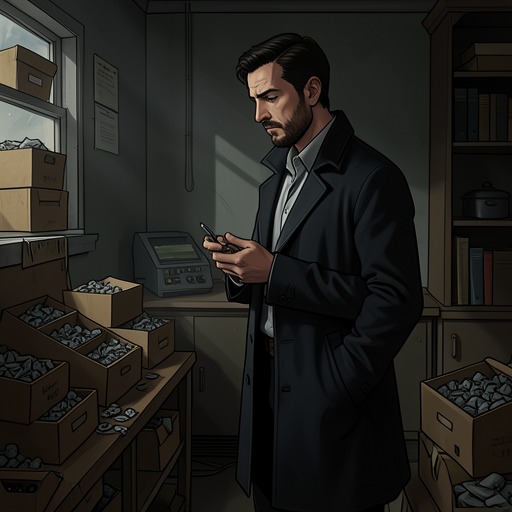
[Kemal](entity:character-recall-character-kemal-c34963f9fefd) increasingly took small things from the Keskin home: matchboxes, cigarette stubs, saltshakers, and other objects associated with [Füsun](entity:character-recall-character-bb2352af9d58). He hid them in the [Merhamet Apartments](entity:location-recall-location-82a850628872), where handling them revived the pleasure of being near her.
As the collection grew, it became more than a set of souvenirs. Kemal felt that taking an object preserved a piece of Füsun’s life, and the objects helped him leave the family home when his longing made him unable to stand.
November 15, 1979
The Bosphorus Fire
A Romanian oil tanker collided with a Greek ship near Haydarpaşa, setting the [Bosphorus](entity:location-recall-location-4556bd2001f7) ablaze. [Kemal](entity:character-recall-character-kemal-c34963f9fefd) watched the fire with crowds in [Gülhane Park](entity:location-recall-location-81c3f9666e5e), feeling that the spectacle reflected the disasters and private griefs of his own life.
He hoped the shared catastrophe would give him a reason to approach the Keskins again. The fire drew the city together temporarily, but it could not resolve the strained relationship between him and [Füsun](entity:character-recall-character-bb2352af9d58).
November 1979
The White Carnation Column
A society column by White Carnation described [Kemal](entity:character-recall-character-kemal-c34963f9fefd) as a jealous rich man pursuing a married woman and claimed he could not bear to see [Füsun](entity:character-recall-character-bb2352af9d58) kissing another man. The article distorted details but exposed the truth that his love had become public gossip.
Kemal felt humiliated yet was secretly relieved that society had acknowledged his connection to Füsun. He avoided the Keskin home for a time, fearing that their eyes would confirm the story’s most painful implications.
1980
The Quince Grater Search
During martial law, soldiers stopped [Kemal](entity:character-recall-character-kemal-c34963f9fefd) and [Çetin](entity:character-recall-character-etin-8a11db73d646) after curfew and questioned Kemal about a quince grater he had taken from the Keskin home. He was so ashamed of his collecting that he could not explain what the object was until Çetin spoke for him.
The soldiers returned the grater, but the episode revealed how completely Kemal’s attachment to [Füsun](entity:character-recall-character-bb2352af9d58)’s possessions had shaped his inner life. He understood that his silence and collecting were signs of an obsession he could not control.
September 12, 1980
The Military Coup and Curfew
The [Turkish military](entity:organization-recall-organization-a189c0df95df) seized power, imposed martial law, and enforced a night curfew. [Kemal](entity:character-recall-character-kemal-c34963f9fefd) welcomed the quiet streets but found that the curfew shortened his time with the Keskins and intensified his struggle to leave their home.
The political crackdown emptied the [Pelür](entity:location-recall-location-pel-r-e5e22e2a1c2e) Bar and heightened the household’s reliance on television and domestic routines. For Kemal, the danger outside made the Keskin home feel like a refuge, even as it trapped him in his longing.
1981–1983
The Bankers’ Crisis
As inflation rose, private bankers promised extraordinary returns and attracted investors from [Kemal](entity:character-recall-character-kemal-c34963f9fefd)’s social circle. [Tarık Bey](entity:character-recall-character-tar-k-bey-a1aa8410189a) invested money with one of them and later joined an association of people who had lost savings when the bankers failed.
The crisis heightened anxiety across the city and eventually contributed to Tarık Bey’s distress. Kemal saw the losses as another sign of the disorder shaping both public life and the household he had come to regard as his own.
May 1981
Broken Lives Begins Filming
[Feridun](entity:character-recall-character-feridun-ed4fbd13046e) began filming Broken Lives, a commercial melodrama starring [Papatya](entity:character-recall-character-papatya-62c9e9a0aad1) rather than [Füsun](entity:character-recall-character-bb2352af9d58). [Kemal](entity:character-recall-character-kemal-c34963f9fefd) supported the production, despite its crude story and his earlier insistence that Füsun should become a film star.
The film’s success brought renewed attention to Feridun and Papatya, while Füsun remained at home. Kemal felt both relief that she had been kept from the predatory film world and regret that her ambition had been thwarted.
1976–1984
The 4,213 Cigarette Stubs
Over eight years of suppers, [Kemal](entity:character-recall-character-kemal-c34963f9fefd) saved 4,213 cigarette stubs that [Füsun](entity:character-recall-character-bb2352af9d58) had smoked. He interpreted their bends, lipstick marks, and ash as records of her moods, turning each into a private emblem of a particular evening.
The collection reflects his attempt to preserve not only Füsun’s presence but the unrepeatable moments they shared. Ordinary objects became a way of converting memory into something he could hold and arrange.
Early 1983
Füsun’s Portrait of Lemon
After moving [Lemon](entity:character-recall-character-lemon-6048d05b659f)’s cage to the back room, [Füsun](entity:character-recall-character-bb2352af9d58) began painting the canary as if it were perched freely by a window. The new picture gave [Kemal](entity:character-recall-character-kemal-c34963f9fefd) and Füsun a reason to be alone together and speak about their future.
Kemal asked her to leave the house with him and begin a life elsewhere. Füsun did not answer directly, but their conversations about the bird and the possibility of happiness made him believe their relationship was changing.
April 1983
Driving Lessons Begin
[Kemal](entity:character-recall-character-kemal-c34963f9fefd) began teaching [Füsun](entity:character-recall-character-bb2352af9d58) to drive in the [1956 Chevrolet](entity:object-recall-object-1956-chevrolet-115a93b535fa). Their lessons in [Yıldız Park](entity:location-recall-location-7687316657e3) brought back the intimacy of their earlier tutoring sessions, but now Füsun was an adult with ambitions and boundaries of her own.
She struggled with the clutch and became frustrated when the engine stalled. Kemal admired her determination and imagined that driving together might lead them toward marriage, while she treated the lessons as an opportunity to regain a measure of freedom.
Summer 1983–early 1984
The License Tests
[Füsun](entity:character-recall-character-bb2352af9d58) repeatedly failed her driving tests, often because examiners demanded exaggerated demonstrations of the rules. She refused [Kemal](entity:character-recall-character-kemal-c34963f9fefd)’s offer to bribe officials, insisting that she would earn her license honestly despite the system’s corruption.
Their drives to hospitals and government offices became excursions through unfamiliar parts of [Istanbul](entity:location-recall-location-istanbul-df7d5976695b). They watched street life together, and Kemal experienced their shared errands as a renewed, fragile intimacy.
Early 1984
Füsun Passes the Road Test
After several failed attempts, [Füsun](entity:character-recall-character-bb2352af9d58) finally passed her driving test. [Kemal](entity:character-recall-character-kemal-c34963f9fefd) celebrated by taking her, [Nesibe](entity:character-recall-character-nesibe-2a8ec24b0d50), and [Tarık Bey](entity:character-recall-character-tar-k-bey-a1aa8410189a) to the [Bebek Maksim Nightclub](entity:location-recall-location-1331c0fe379b) to hear Müzeyyen Senar.
The license represented a small victory for Füsun’s independence. For Kemal, it also marked how far they had come toward sharing a public life, though their relationship remained unresolved.
March 9, 1984
Tarık Bey’s Death
[Tarık Bey](entity:character-recall-character-tar-k-bey-a1aa8410189a) died of a heart attack after attending a meeting of the [Bank Victims’ Association](entity:organization-recall-organization-321c5d87e03d). [Kemal](entity:character-recall-character-kemal-c34963f9fefd) arrived at the Keskin home to find [Füsun](entity:character-recall-character-bb2352af9d58) grieving and embraced her as she wept in her room.
He stayed overnight, moving between the mourners downstairs and Füsun’s side upstairs. His happiness at holding her was mixed with shame, as her father’s death made their long-hidden intimacy newly visible.
April 9, 1984
Füsun and Kemal Reunite
After a period of distance following [Tarık Bey](entity:character-recall-character-tar-k-bey-a1aa8410189a)’s death, [Füsun](entity:character-recall-character-bb2352af9d58) met [Kemal](entity:character-recall-character-kemal-c34963f9fefd) at the [İnci Patisserie](entity:location-recall-location-bff9fbcf7e46). She said she intended to divorce [Feridun](entity:character-recall-character-feridun-ed4fbd13046e) and asked Kemal to be honest with her and to respect her wishes.
Füsun insisted that her marriage had never been consummated and that she wanted to treat their future as a fresh beginning. She also wanted to visit Europe, see museums, and buy a trousseau before marrying him.
Spring–summer 1984
The Divorce and Marriage Plans
[Kemal](entity:character-recall-character-kemal-c34963f9fefd) arranged a lawyer to handle [Füsun](entity:character-recall-character-bb2352af9d58)’s divorce from [Feridun](entity:character-recall-character-feridun-ed4fbd13046e). The two began meeting in [Beyoğlu](entity:location-recall-location-bcbf95cff72d) and attending films together, while Füsun stated her expectations for marriage and asked that Kemal answer her questions truthfully.
Kemal’s mother visited the Keskin home to express sympathy and discuss the match, but no formal engagement was arranged. The couple decided to travel through Europe with [Nesibe](entity:character-recall-character-nesibe-2a8ec24b0d50) and [Çetin](entity:character-recall-character-etin-8a11db73d646), then marry after returning.
August 27, 1984
The European Road Trip
[Kemal](entity:character-recall-character-kemal-c34963f9fefd), [Füsun](entity:character-recall-character-bb2352af9d58), [Nesibe](entity:character-recall-character-nesibe-2a8ec24b0d50), and [Çetin](entity:character-recall-character-etin-8a11db73d646) set out from [Çukurcuma](entity:location-recall-location-ukurcuma-c8512006d427) in the family’s [1956 Chevrolet](entity:object-recall-object-1956-chevrolet-115a93b535fa), driving toward Europe. Kemal felt that the old years of longing had become a story with a happy ending, while Füsun and her mother settled into the back seat.
The group stopped frequently, and the journey began more slowly than Kemal expected. Their first night on the road brought them to the [Grand Semiramis Hotel](entity:location-recall-location-035548a75734) in Babaeski, where a surprise engagement ceremony awaited Füsun.
Night of August 27, 1984
The Hotel Engagement
At the [Grand Semiramis Hotel](entity:location-recall-location-035548a75734), [Kemal](entity:character-recall-character-kemal-c34963f9fefd) presented engagement rings and asked [Çetin](entity:character-recall-character-etin-8a11db73d646) to officiate. [Füsun](entity:character-recall-character-bb2352af9d58) accepted the ring, and hotel guests applauded as the couple danced to music on the radio.
After the others had gone to their rooms, Kemal urged Füsun to come to his room. She refused at first, insisting that they had both been drinking, but later came to his door after her mother had accidentally locked her out.
Early morning of August 28, 1984
Their First Night Together
[Füsun](entity:character-recall-character-bb2352af9d58) entered [Kemal](entity:character-recall-character-kemal-c34963f9fefd)’s room, and they finally made love after years of separation and restraint. Their reunion brought memories of their first affair together with the newness of their adult relationship.
They fell asleep as summer rain approached. Kemal understood the night as the beginning of a life together, but Füsun’s anger and grief remained unresolved beneath their intimacy.
August 28, 1984
The Fatal Drive
At dawn [Füsun](entity:character-recall-character-bb2352af9d58) left the hotel and walked along the Edirne road. [Kemal](entity:character-recall-character-kemal-c34963f9fefd) followed in the Chevrolet, trying to persuade her to return; she accused him and [Feridun](entity:character-recall-character-feridun-ed4fbd13046e) of preventing her from pursuing acting and demanded to drive.
Kemal let her take the wheel. As she accelerated toward a plane tree, he realized the crash was unavoidable. The car struck the tree, killing Füsun and leaving Kemal gravely injured.
Late 1984–1985
Kemal’s Recovery
[Kemal](entity:character-recall-character-kemal-c34963f9fefd) survived the crash with a brain injury and spent weeks in a coma and then in rehabilitation. When he began walking again, he thought constantly of [Füsun](entity:character-recall-character-bb2352af9d58), but his memories increasingly replaced the desire that had once driven him.
He could not return to his old social life. His grief and isolation turned the objects he had collected into a possible way to preserve and communicate the life he and Füsun had shared.
1985 onward
The Museum Takes Shape
[Kemal](entity:character-recall-character-kemal-c34963f9fefd) began to imagine a museum that could house the objects connected to [Füsun](entity:character-recall-character-bb2352af9d58) and their years together. He returned to the [Merhamet Apartments](entity:location-recall-location-82a850628872), then acquired the Keskin building and its contents from [Nesibe](entity:character-recall-character-nesibe-2a8ec24b0d50), intending to turn the family home into a place of memory.
The project transformed private grief into an organized collection. Kemal’s travels through museums around the world taught him how objects could hold personal histories and how a museum might make those histories visible.
Early 1990s
The Collectors of Istanbul
While searching for old film photographs and other objects for the museum, [Kemal](entity:character-recall-character-kemal-c34963f9fefd) met [Istanbul](entity:location-recall-location-istanbul-df7d5976695b) collectors who hid their collections from families and neighbors. Their possessions were often treated as rubbish, and their collecting as a source of shame.
Kemal recognized his own compulsions in theirs, but wanted his collection to become a public museum rather than remain a private hoard. His project sought to turn objects associated with embarrassment into things that could be approached with pride and attention.
December 1996
Necdet’s Death
A collector named Necdet Adsız was crushed beneath the accumulated papers and objects in his home in [Tophane](entity:location-recall-location-cad0a4ac9cad). His body went undiscovered for months, and newspapers used the incident to portray collectors as frightening eccentrics.
[Kemal](entity:character-recall-character-kemal-c34963f9fefd) recognized Necdet as the childhood friend [Füsun](entity:character-recall-character-bb2352af9d58) had once mentioned during the séance story. The connection joined the private memories of their youth to the wider, often cruel fate of [Istanbul](entity:location-recall-location-istanbul-df7d5976695b)’s isolated collectors.
After the museum project began
Kemal Meets Orhan Pamuk
[Kemal](entity:character-recall-character-kemal-c34963f9fefd) asked [Orhan Pamuk](entity:character-recall-character-orhan-pamuk-658f28790683) to write the story of his life with [Füsun](entity:character-recall-character-bb2352af9d58) as a catalog for the museum. He wanted the book to follow the collection’s objects and preserve the order in which their memories arose.
The two worked together in the attic of the [Çukurcuma](entity:location-recall-location-ukurcuma-c8512006d427) house, discussing the story, the displays, and how visitors might experience the collection. Kemal was uneasy about another person speaking in his voice, but he came to trust Pamuk’s attention to the details of Füsun’s life.
Final years before 2007
Kemal’s Final Museum Plans
[Kemal](entity:character-recall-character-kemal-c34963f9fefd) set out rules for how visitors should experience the museum: the whole collection should be visible from within, each object should be softly lit, and crowds should be limited so people could look without haste. He wanted the guards to explain the objects and their stories with dignity.
He believed that the museum could make visitors feel the depth of his attention to [Füsun](entity:character-recall-character-bb2352af9d58) and invite them to compare it with their own memories. The museum was meant not only to preserve things but to transform time into a space that could be entered.
April 12, 2007
Kemal’s Death
[Kemal](entity:character-recall-character-kemal-c34963f9fefd) died of a heart attack in [Milan](entity:location-recall-location-617379caf4c2) at age sixty-two, on [Füsun](entity:character-recall-character-bb2352af9d58)’s fiftieth birthday. By then he had visited thousands of museums and continued to regard the [Bagatti Valsecchi Museum](entity:organization-recall-organization-bagatti-valsecch-3d955442ae97) as one of the most important in his life.
His funeral took place at [Teşvikiye](entity:location-recall-location-d93ead6825d5) Mosque, while his mother watched from a balcony. The collection and the museum remained as the physical record of his love and of the life he had spent remembering.
April 11, 2007
The Milan Encounter
The day before his death, [Kemal](entity:character-recall-character-kemal-c34963f9fefd) unexpectedly encountered [Sibel Hanım](entity:character-recall-character-13943f72f606), [Zaim](entity:character-recall-character-zaim-ed1c27017cd1), and their daughters in [Milan](entity:location-recall-location-617379caf4c2). [Sibel](entity:character-recall-character-sibel-1607f83d537d) later recalled that he looked tired and unhappy, far removed from the charming young man she had once known.
Their meeting showed how completely Kemal had withdrawn from the life he might have shared with his former friends. He nevertheless treasured his private story with [Füsun](entity:character-recall-character-bb2352af9d58) and continued to believe that the museum could make its meaning understood.
After Kemal’s death
The Photograph and Final Words
[Orhan Pamuk](entity:character-recall-character-orhan-pamuk-658f28790683) met with people who had known [Kemal](entity:character-recall-character-kemal-c34963f9fefd) and [Füsun](entity:character-recall-character-bb2352af9d58), including [Ceyda](entity:character-recall-character-ceyda-4b121c141cb5), [Feridun](entity:character-recall-character-feridun-ed4fbd13046e), and [Sibel Hanım](entity:character-recall-character-13943f72f606), but chose to tell the story largely as Kemal had recounted it. Their recollections revealed what they had understood, hidden, or wished the public to believe.
Near the [Merhamet Apartments](entity:location-recall-location-82a850628872), Kemal had shown Pamuk a beauty-contest photograph of Füsun and asked him to place it in the museum. His final message was that he had lived a very happy life, despite the grief that had shaped the collection and the story.