Macchina Puncutron
VinelandThe Macchina Puncutron is a gigantic therapeutic machine installed in the retreat’s clinic, where Sister Rochelle presents it as a means of restoring Takeshi Fumimota’s chi. It looms over his treatment rather than fading into the background: its electrical apparatus, the patient’s reluctance, and the repeated sessions make it both an instrument of care and an uneasy presence in the story.
Setting and Construction
The machine stands at the center of a spacious building that had once been a barn and has been renovated into a series of treatment rooms. Its height, reaching that of a two-story building, and its bristling antennas and other attachments make it seem less like an ordinary clinical device than a piece of imposing machinery. The description emphasizes its scale before explaining its operation, establishing a contrast between the clinic’s therapeutic purpose and the Puncutron’s formidable appearance.
That appearance matters to the scene. Takeshi looks around the room as the machine dominates the space; the narration notes that it would not seem especially reassuring to a patient. Its size and visible complexity make treatment an encounter with equipment as much as with practitioners. Rather than presenting healing as quiet or intangible, the clinic places a conspicuous machine at its center.
Operation and Reputation
The Puncutron is described as one of several therapeutic devices freely sold in California at the time. Electrical current is routed between shining components and onward to the machine’s terminals, which the technician identifies as electrodes. The scene then raises, without fully detailing, the question of who or what completes the circuit. Takeshi protests when the procedure becomes clear enough to alarm him, while the Superior of the Ninjette retreat urges him to consider the alternatives and behave like an adult. The exchange gives the treatment a comic edge, but also makes its physical demands part of the device’s operation as the scene presents it.
The machine’s public standing is divided. It has numerous advocates in the health-care world, yet the ever-watchful Food and Drug Administration is among its principal detractors. Its manufacturers have so far managed to evade the agency and remain a step ahead. This account neither establishes the machine as an accepted medical instrument nor dismisses it as ineffective: instead, it places the Puncutron in a contested marketplace, where advocates, regulators, manufacturers, and patients approach it from sharply different positions.
Takeshi’s Treatment
Sister Rochelle oversees the session with a control device, presenting the Puncutron as something that will act on Takeshi’s old meridians. Before treatment begins, he chooses the music that will accompany it: an Acker Bilk album and then The Chipmunks Sing Marvin Hamlisch. The incongruous selections turn his apprehension into a small negotiation over what he can control while the machine and its operators prepare the procedure.
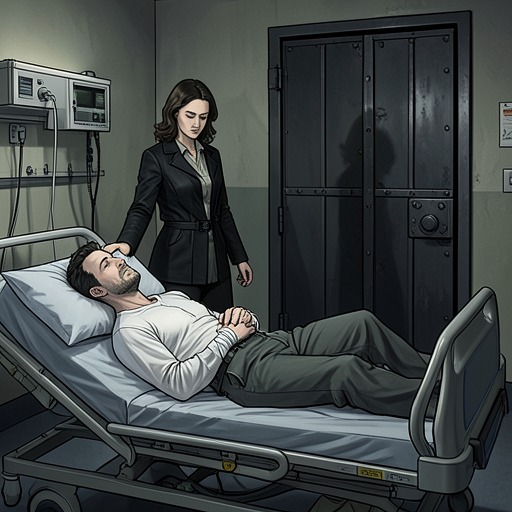
After the session, the ninettes disconnect Takeshi and carry him on a stretcher to a recovery room. The room is bare apart from flowers and a small black iron Buddha on a shelf. Sunlight falls across him as he slips a hand under a ninjette’s robe and, as if under a spell, falls into a voluptuous sleep. The scene does not give a clinical account of the treatment’s effects; it moves instead from the machine’s elaborate apparatus to Takeshi’s drowsy, bodily aftermath.
The first session is followed by an intensive program that combines Puncutron treatments with herbal therapy and brain-wave recalibration. Some of these treatments also involve DL. The pair are connected to the machine side by side, an arrangement likened to a science-fiction film about a brain transplant. Takeshi’s musical preferences mysteriously change, and he now listens through headphones to Tibetan chants described as soul-teasing. The treatments, their shared position beside one another, and the machine’s vibrations furnish the scene’s concrete signs of a process that neither character fully understands.
Recurrence and Narrative Significance
The Puncutron’s importance extends beyond the clinic because the treatment becomes a recurring reference in the relationship between DL and Takeshi. In later years, DL repeatedly tells him that they should have left him attached to the machine; the complaint becomes, through repetition, a term of affection. What begins as Takeshi’s reluctance and the clinic’s comic spectacle is thus retained in the couple’s shared history, changing in tone as it is recalled.
The machine also marks an early convergence between the two characters. As DL and Takeshi undergo treatments together, they come to recognize a kind of attunement between them, which the narration tentatively associates with brain waves, chi, or ESP. The account does not settle on a cause, and Takeshi still does not know who DL is. The Puncutron therefore serves as the material setting for an emerging connection without explaining or resolving it: its electrical links and paired treatments offer an image of contact, while the characters’ own understanding remains incomplete.