Cafe Susun
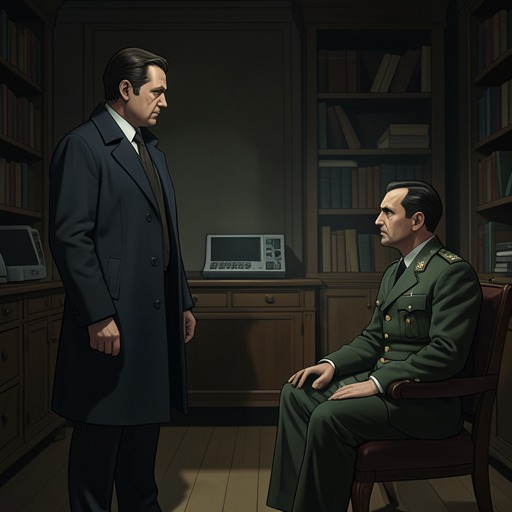
WaspCafe Susun is a meeting place for Mowry, Butin Arhava, and their associates, as well as a point where collections and consignments are discussed. Its recurring role shifts from a watched but usable rendezvous to a compromised location: the police arrive promptly, and later reports leave the details of the raid uncertain.
Meetings and business
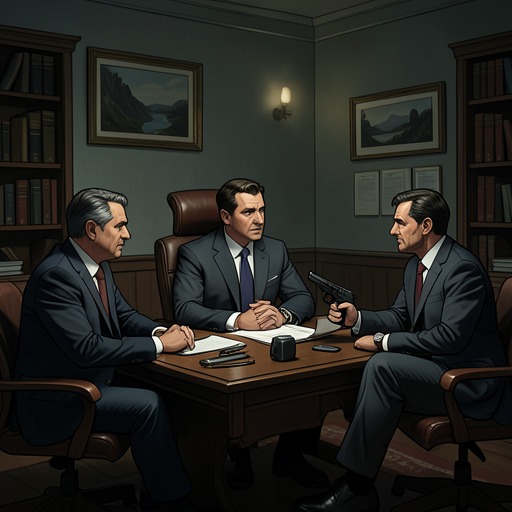
Mowry meets Butin Arhava at Cafe Susun and offers him a thousand guilders. Their exchange carries the expectation of danger: they discuss the likelihood that the Kaitempi would send six men or more rather than one, anticipating trouble at the cafe. Butin considers that prospect favorable to him, while Mowry responds that it suits him as well. The conversation makes the location more than a casual stop; it is a place where a risky arrangement can be negotiated face to face.
On another visit, Mowry finds Arhava and two others seated at a far table, partly concealed in dim light and positioned to watch the door. The arrangement suggests vigilance is built into their use of the room: the table offers some concealment, but attention remains fixed on who enters. Later, Mowry goes to Cafe Susun and asks whether a collection has been made. Skriva confirms that it has, while noting that the next consignment is overdue. The brief exchange establishes a continuing cycle of collection and delivery without specifying what the consignments contain.
Surveillance and raid
The cafe’s apparent usefulness as a meeting point is undermined when Mowry concludes that it has been staked out. The police arrive promptly at a booth, a timing he takes as proof that they were watching the place. He does not know how they identified the cafe or what prompted them to raid it. The surveillance therefore becomes clear before its source or cause does: the location is compromised, but the mechanism behind the compromise remains unresolved.
Uncertain aftermath
Later, Mowry asks what happened at Cafe Susun. His companions cannot give him a direct account: Gurd and the speaker were not there when events unfolded, and someone had warned them to stay away. The report breaks off before providing what that person knew. The cafe’s final significance in these accounts is thus inseparable from an information gap. It had served as a place for meetings and ongoing business, but after the police operation even those who might have reported on it were absent or cautioned away.