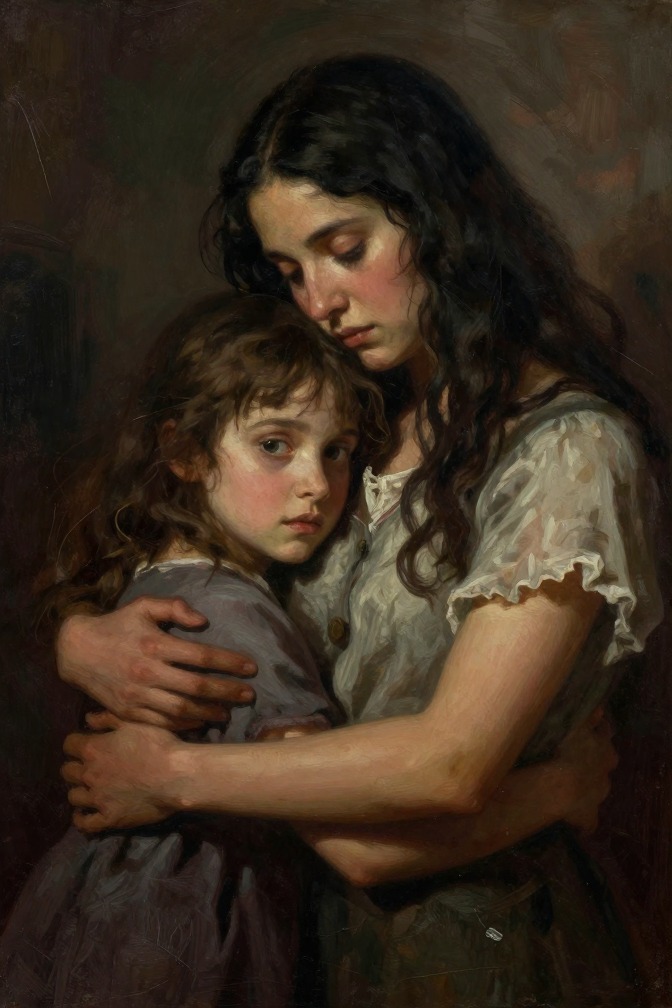
Halle's breakdown at the churn is the pivotal, offstage trauma of Beloved, revealed through Paul D's testimony to Sethe. It marks the moment Halle, having witnessed the nephews steal Sethe's milk, is psychologically shattered, smearing butter and clabber over his face in a gesture of helpless grief. This event explains Halle's disappearance, fuels Sethe's grief and anger, and deepens the novel's exploration of the psychological violence of slavery.
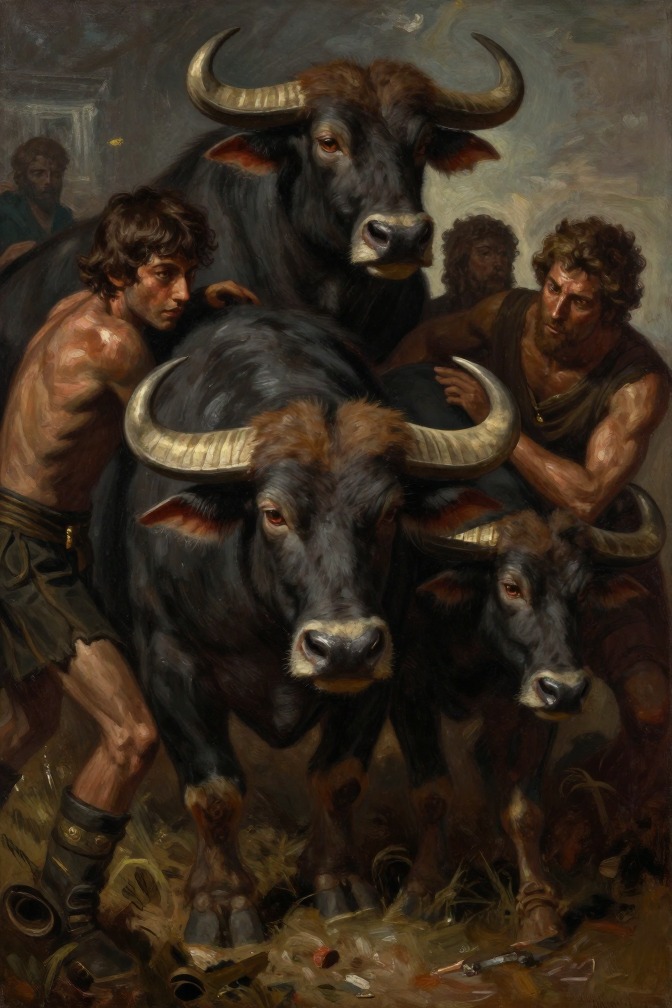
Buffalo men are the escaped chain-gang convicts from Alfred, Georgia, who, after a catastrophic flood, are taken in by a remnant of Cherokee people and given this name. The term marks a pivotal transformation in Paul D's life, symbolizing both his liberation from the brutal prison camp and his subsequent solitary journey northward guided by the Cherokee's advice to follow the tree flowers.
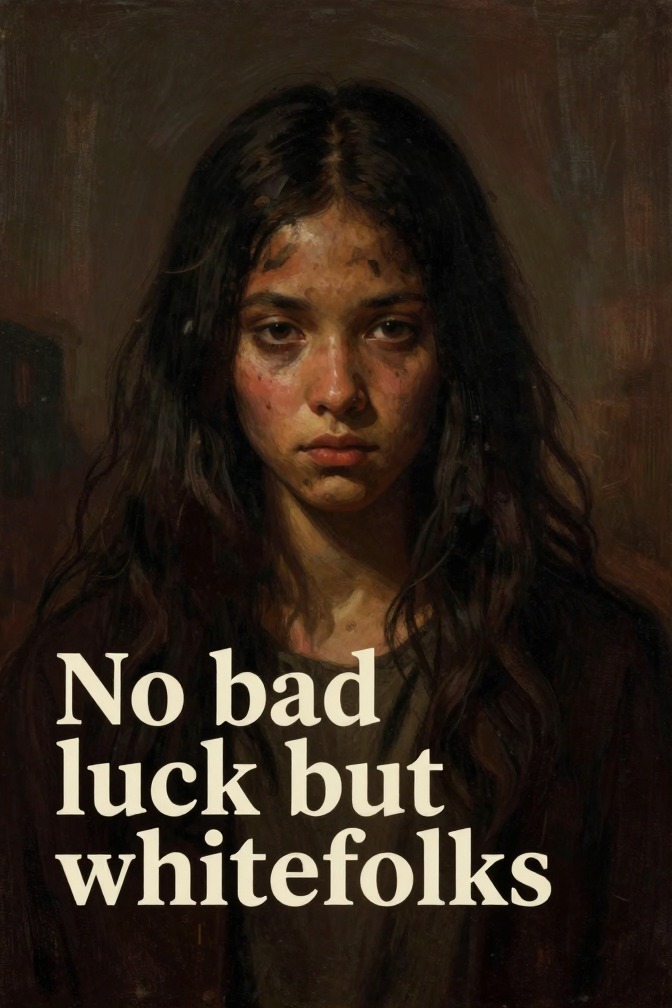
Baby Suggs' declaration that there is no bad luck in the world but white people is a defining statement of the novel's worldview, encapsulating the collective trauma and disillusionment of the formerly enslaved. It marks the collapse of her faith and the end of her preaching, and it reverberates through the community, shaping their understanding of white supremacy as the ultimate source of suffering.
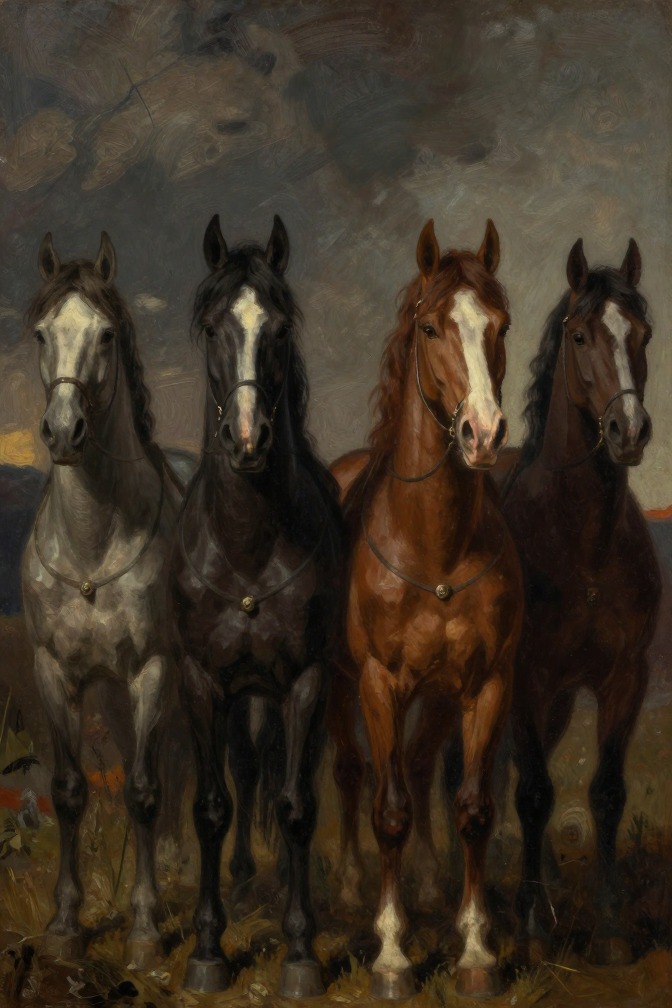
The four horsemen are the party that arrives at 124 Bluestone Road to reclaim Sethe under the Fugitive Slave Law, triggering the infanticide that defines the novel's central trauma. Their arrival is the catastrophic event that shatters Sethe's brief freedom, drives her to kill her crawling-already? daughter, and sets in motion the haunting, the community's shunning, and the long aftermath that structures Beloved.
Tree flowers are the natural markers that guide Paul D's escape from the chain gang in Alfred, Georgia, north to freedom. Following the Cherokee's cryptic advice to 'follow the tree flowers,' Paul D races from dogwood to blossoming peach, then cherry, magnolia, chinaberry, pecan, walnut, and prickly pear, finally reaching an apple field in Delaware. This journey, spanning from February to July, becomes a powerful symbol of hope, resilience, and the possibility of a new life, contrasting with the brutal reality of slavery and the dehumanizing prison camp.
The mule in Toni Morrison's Beloved is a recurring symbol of the dehumanizing labor and endurance of enslaved people, appearing in key moments that underscore the novel's themes of suffering, resilience, and the struggle for freedom.
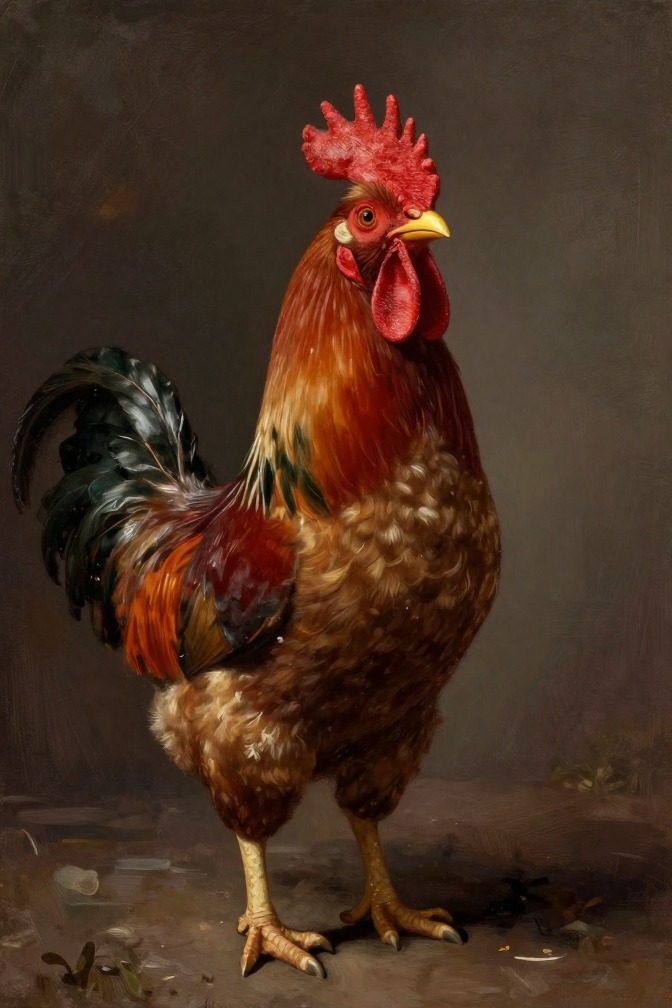
The Rooster, called Mister, is a minor but symbolically potent creature in Toni Morrison's Beloved. Hatched and raised by Paul D at Sweet Home, Mister becomes the emblem of a freedom and self-possession that the enslaved men are denied. In Paul D's memory, Mister's casual sovereignty—his ability to 'be and stay what he was'—throws into relief the dehumanization of the chain gang, and the rooster's image haunts Paul D's sense of manhood long after he leaves Sweet Home.
Paul D reveals to Sethe the fate of her husband Halle, disclosing that Halle witnessed the nephews stealing her milk and was so broken by the sight that he never recovered, a revelation that shatters Sethe's long-held uncertainty and forces her to confront a new, unbearable grief.
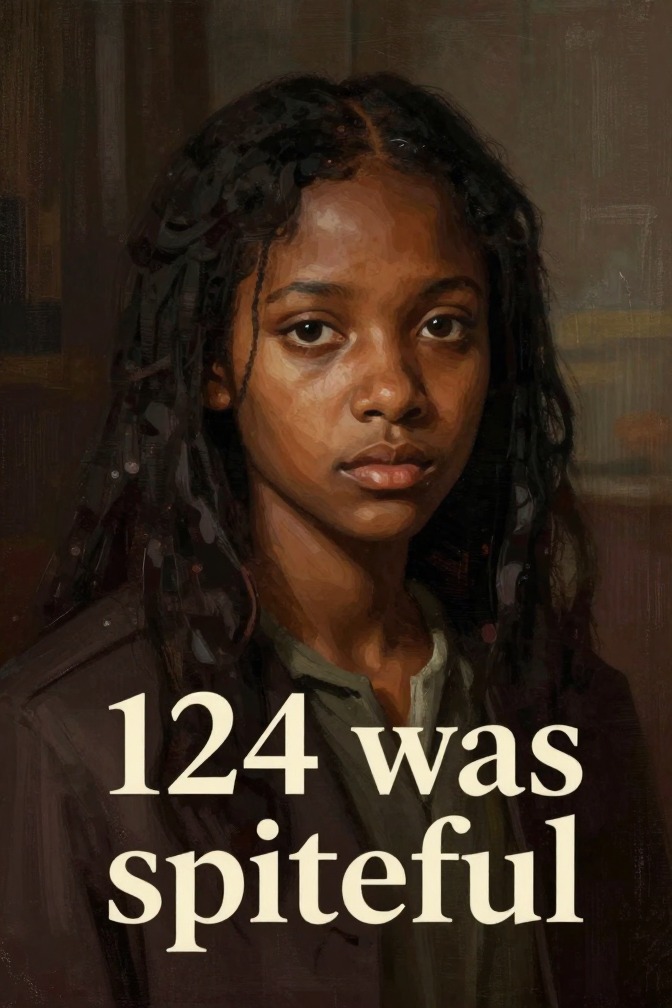
The phrase "124 was spiteful" opens Toni Morrison's Beloved, establishing the haunted house at 124 Bluestone Road as a character in its own right and introducing the novel's central supernatural premise: the ghost of Sethe's murdered baby daughter. This opening line sets the tone for the entire narrative, framing the house's malevolent presence as a direct consequence of the infanticide that lies at the heart of the story, and it recurs throughout the novel as a marker of the house's shifting spiritual state.
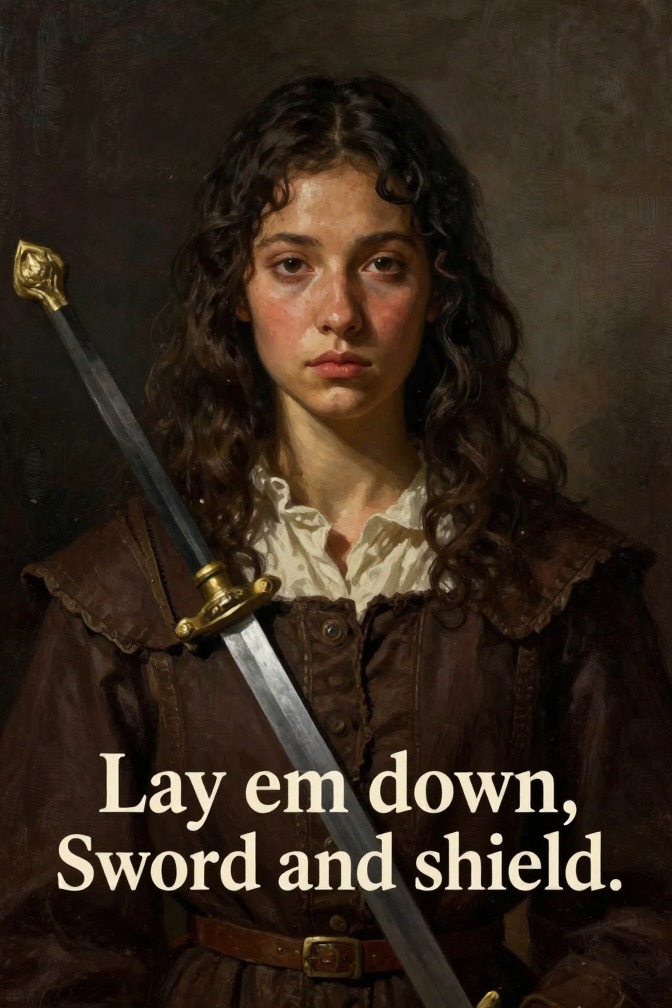
Lay em down, Sword and shield is a recurring phrase in Toni Morrison's Beloved, spoken by Baby Suggs to Sethe as a call to lay down the burdens of the past. It encapsulates the novel's central tension between remembering and letting go, and its final transformation in Paul D's words to Sethe marks a crucial moment of healing and self-acceptance.
Rememory is Sethe's concept of memory as a tangible, external force that persists in the world, shaping her understanding of the past and her actions in the present.
This is not a story to pass on is the recurring refrain that closes Toni Morrison's Beloved, appearing three times in the novel's final pages. It encapsulates the novel's central meditation on the ethics of remembering and transmitting traumatic history, suggesting that some stories are too painful to be told yet too significant to be forgotten. The phrase underscores the tension between the need to bear witness and the impossibility of fully articulating or passing on such profound loss.
Alfred, Georgia, is the site of the brutal chain gang prison camp where Paul D is sent after attempting to kill Brandywine, the man schoolteacher sold him to. It is a place of profound dehumanization, where men are chained together, forced to work in a quarry, and confined to underground boxes. The experience at Alfred, Georgia, breaks Paul D's spirit, drives him to the brink of madness, and shapes his understanding of manhood, freedom, and the limits of human endurance.
Kentucky is the slave state where Sweet Home plantation is located, the site of Sethe's enslavement, her marriage to Halle, the birth of her children, and the traumatic events that drive her escape. It represents the brutal, dehumanizing system from which she flees and which she must keep at bay to protect her children.
The Ohio River is the central geographical and symbolic boundary in Toni Morrison's Beloved, separating the slave state of Kentucky from the free state of Ohio. It is the site of Sethe's harrowing escape from Sweet Home, the place where her daughter Denver is born with the help of Amy Denver, and the threshold that both liberates and haunts the novel's characters. The river embodies the promise of freedom and the trauma of crossing, recurring as a memory, a boundary, and a metaphor for the unbridgeable divide between past and present.
The bridge is a liminal location in Beloved, existing both as a physical structure and as a symbolic threshold between the world of the dead and the living. It is the place where Beloved waits, remembers, and from which she emerges into the world of 124 Bluestone Road, serving as a crucial site of memory, trauma, and return.
The Clearing is the sacred woodland gathering place where Baby Suggs, holy, preached her unchurched sermons of bodily self-love to the free Black community of Cincinnati, and where Sethe later returns seeking guidance, only to be strangled by Beloved's supernatural touch.
The milk shed is a small structure on the Sweet Home plantation where Sethe's milk was stolen by schoolteacher's nephews, an act that led to her brutal whipping and the permanent scar on her back, and which also caused Halle's psychological breakdown when he witnessed it from the loft. This location becomes a focal point for the novel's exploration of trauma, memory, and the violation of motherhood.
The white stairs in 124 Bluestone Road are a recurring architectural and symbolic feature in Toni Morrison's Beloved, serving as a threshold between the haunted domestic space and the upper rooms, and as a site of memory, desire, and the supernatural.
The Bodwins' house is the Cincinnati residence of the abolitionist siblings Edward and Miss Bodwin, which serves as a site of charity, employment, and historical memory in Toni Morrison's Beloved. It is where Baby Suggs first received help after gaining freedom, where Sethe secured her job at Sawyer's Restaurant, and where Denver later seeks work, marking the family's enduring, if complicated, relationship with white benefactors.
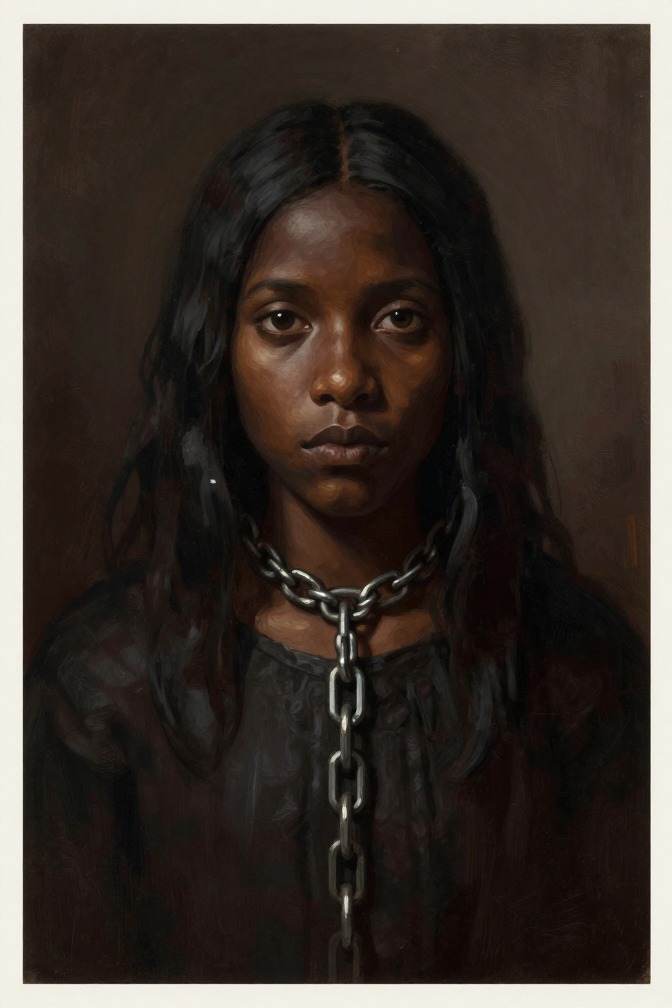
The chain in Toni Morrison's Beloved is the hand-forged iron chain that binds the forty-six prisoners of the Alfred, Georgia chain gang, including Paul D. It is both an instrument of physical enslavement and a complex symbol of collective survival, communication, and the dehumanizing logic of slavery. The chain's most significant role is in the flood escape, where it becomes the means by which the prisoners save one another, transforming from a tool of oppression into a lifeline of solidarity.
The churn is a small but pivotal object in Toni Morrison's Beloved, appearing at the climax of Halle's psychological collapse and serving as the material anchor for Paul D's revelation of Halle's fate to Sethe. Its presence in the narrative marks the moment when the past's unbearable trauma surfaces, transforming a domestic tool into a symbol of broken manhood and the limits of endurance.
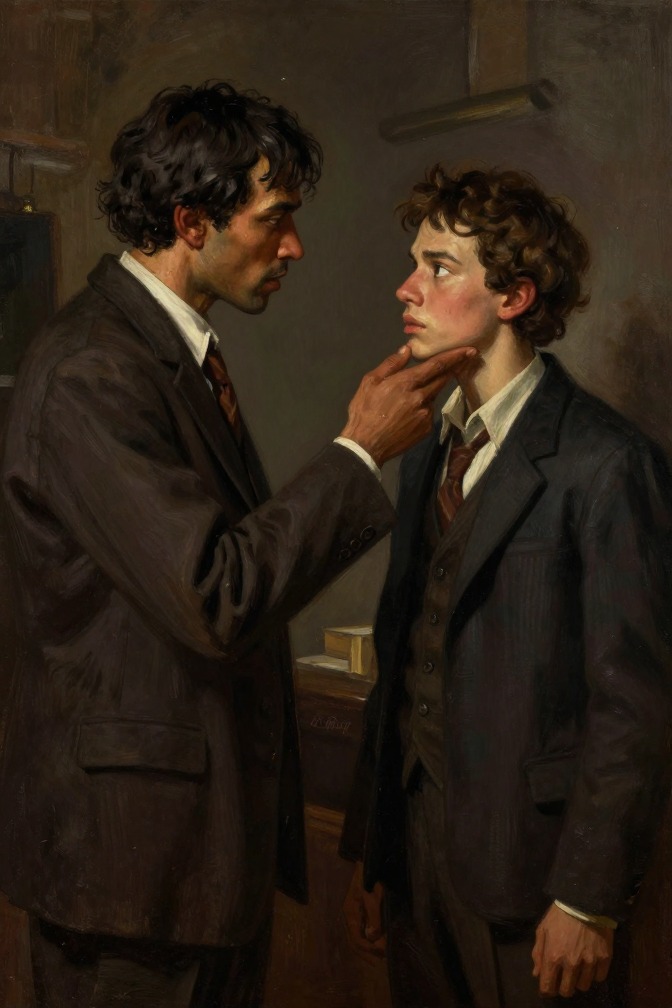
The cowhide is the instrument of torture that schoolteacher's nephews use to beat Sethe at Sweet Home, leaving the permanent scar she calls a chokecherry tree on her back. It is the physical emblem of the brutality that drives her escape and, later, the infanticide, and it becomes a recurring symbol of the violence that shapes her life and her understanding of motherhood.
The measuring string is a tool used by schoolteacher to measure Sethe's body, symbolizing the dehumanizing classification of enslaved people. Its use marks a turning point in Sethe's perception of her own humanity and contributes to her decision to escape Sweet Home.
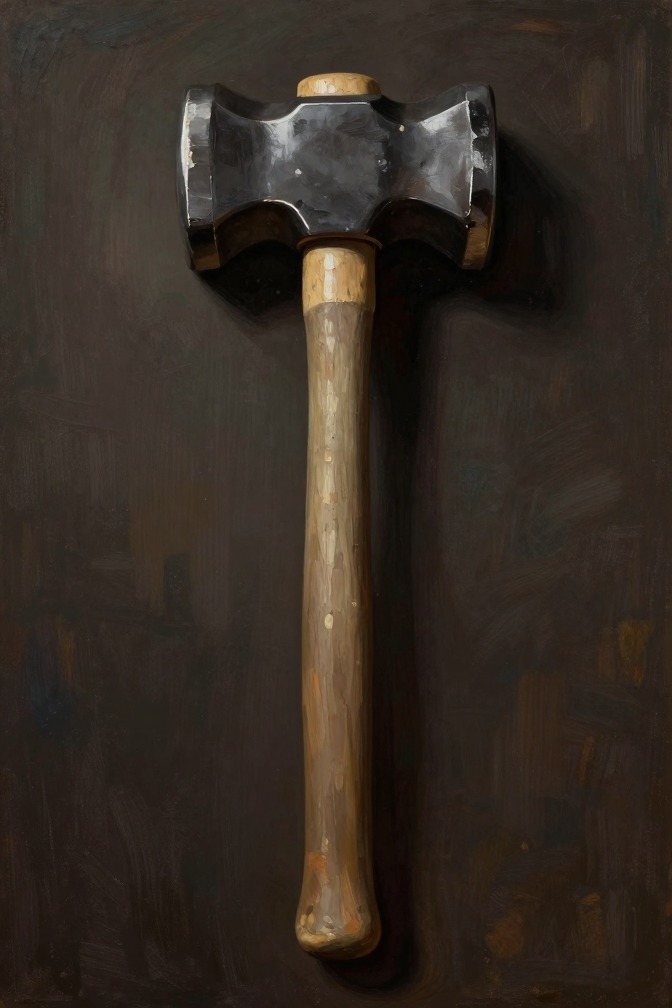
The sledge hammer is the tool that defines Paul D's survival in the chain gang at Alfred, Georgia, where it becomes the sole means of maintaining his sanity and humanity. It is both an instrument of brutal labor and a paradoxical source of agency, allowing him to endure the dehumanizing conditions of the prison camp. The hammer's presence marks the transformation of Paul D's identity, as he learns to channel his trauma into the mechanical act of breaking rock, and its absence during the flood precipitates his escape and eventual journey to freedom.
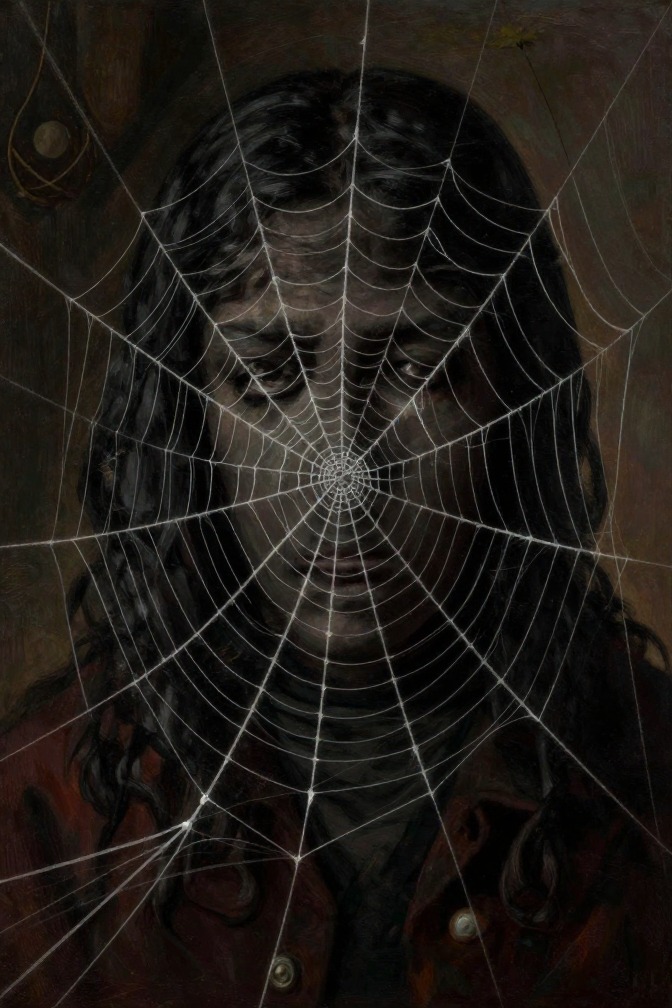
Spiderwebs appear in Beloved as a fragile, healing material that Amy Denver uses to dress Sethe's whipped back, transforming the brutal scar into a chokecherry tree. They also serve as a metaphor for memory and the lingering presence of the past, connecting to Sethe's concept of rememory and the novel's closing meditation on forgetting.
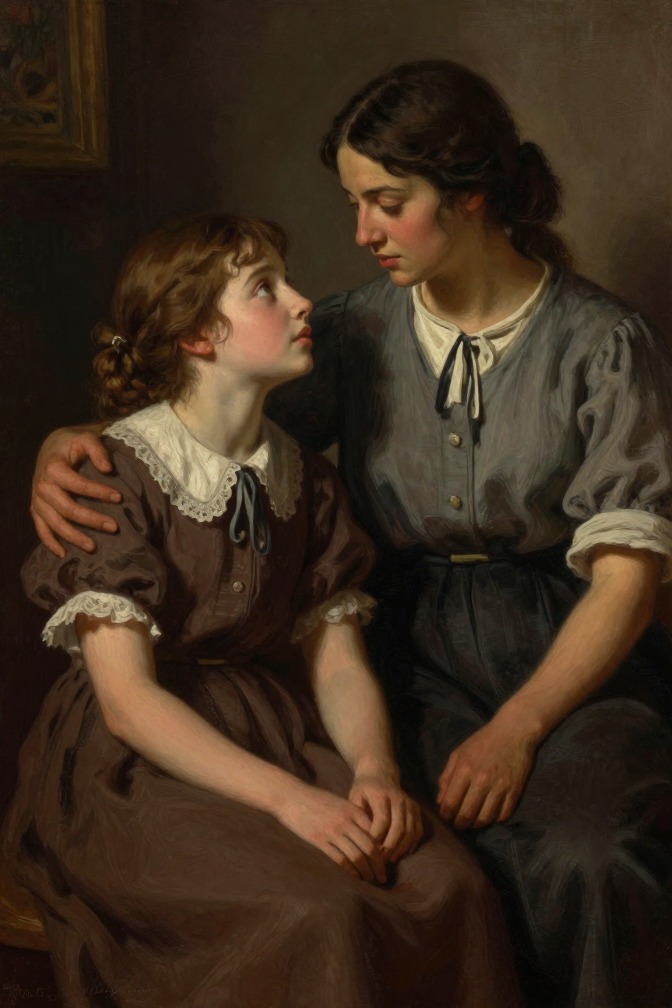
Baby Suggs and Sethe are mother-in-law and daughter-in-law whose relationship anchors the emotional and spiritual core of Toni Morrison's Beloved. Baby Suggs, an unchurched preacher, becomes Sethe's mentor and healer after Sethe's harrowing escape from Sweet Home, offering her a philosophy of self-love and bodily grace. Their bond is tested by the community's shunning and the trauma of Sethe's infanticide, leading to Baby Suggs' collapse and eventual death. The relationship ultimately shapes Sethe's understanding of motherhood, love, and redemption, and its legacy persists through Denver and the novel's final reconciliation.
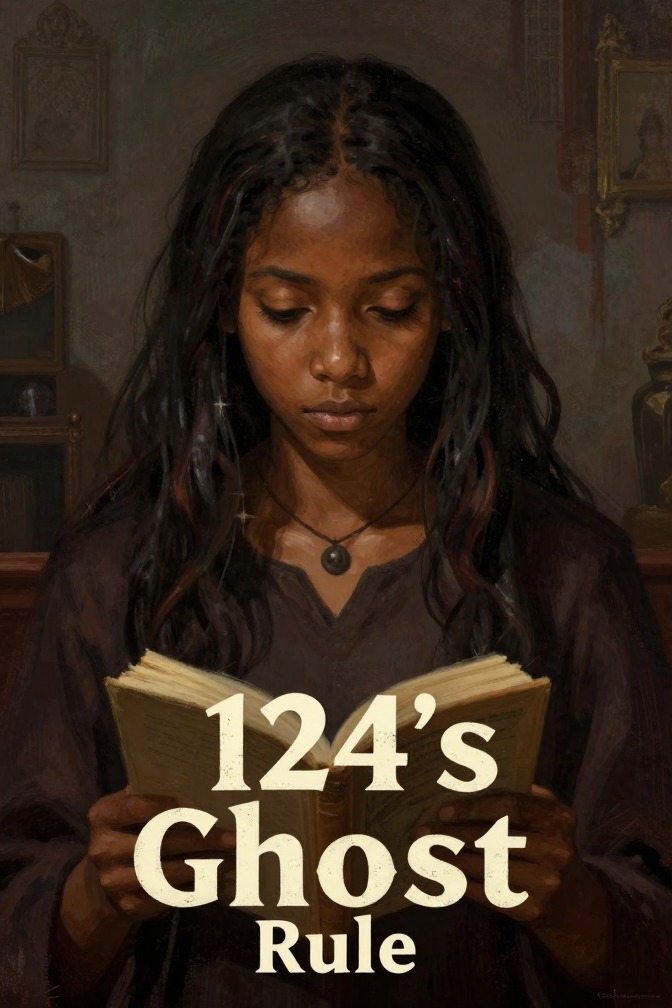
124's Ghost Rule is the recurring supernatural presence in the house at 124 Bluestone Road, a spiteful baby ghost that embodies the unresolved trauma of Sethe's infanticide and shapes the lives of its inhabitants until Paul D drives it out.
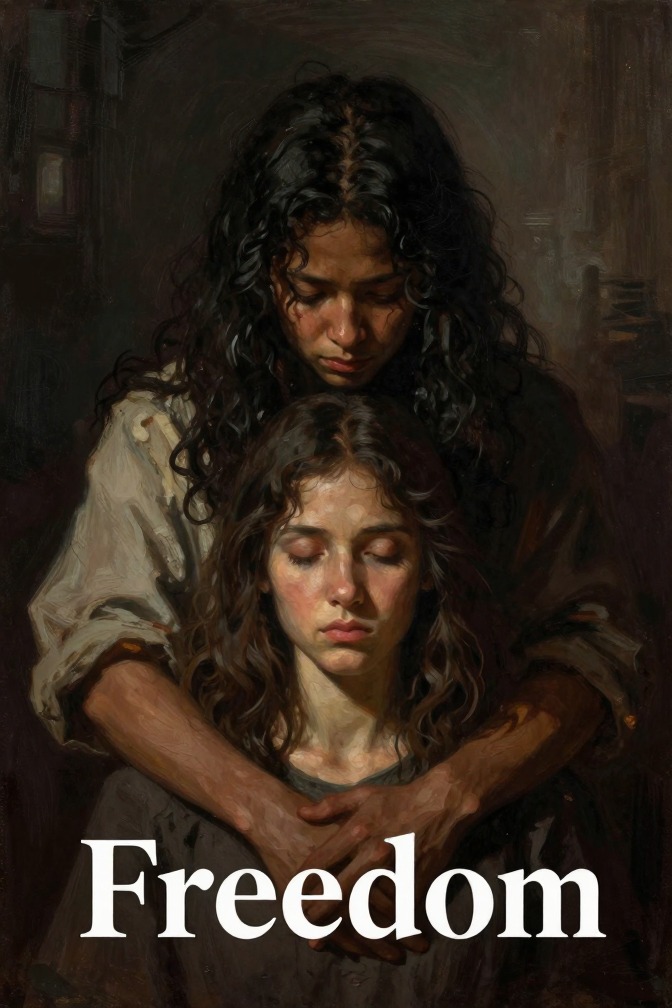
Freedom in Toni Morrison's Beloved is not a static legal condition but a fragile, contested state of being, defined against the dehumanizing institution of slavery and the persistent threat of its return. The novel traces how characters like Sethe, Paul D, and Baby Suggs experience freedom as both a physical escape and an ongoing psychological struggle, shaped by memory, community, and the haunting presence of the past.
Motherlove in Toni Morrison's Beloved is the novel's central, most destructive and most redemptive force, embodied above all in Sethe's fierce, protective love for her children. It drives her to escape slavery, to attempt the murder of her own children rather than see them returned to bondage, and later to devote herself entirely to the returned Beloved, whom she believes to be her dead daughter. This love is both celebrated and condemned, and the novel ultimately redefines it through Paul D's final assertion that Sethe herself is her own 'best thing.'