chain
BelovedThe chain in Toni Morrison's Beloved is the hand-forged iron chain that binds the forty-six prisoners of the Alfred, Georgia chain gang, including Paul D. It is both an instrument of physical enslavement and a complex symbol of collective survival, communication, and the dehumanizing logic of slavery. The chain's most significant role is in the flood escape, where it becomes the means by which the prisoners save one another, transforming from a tool of oppression into a lifeline of solidarity.
The Chain as Instrument of Enslavement
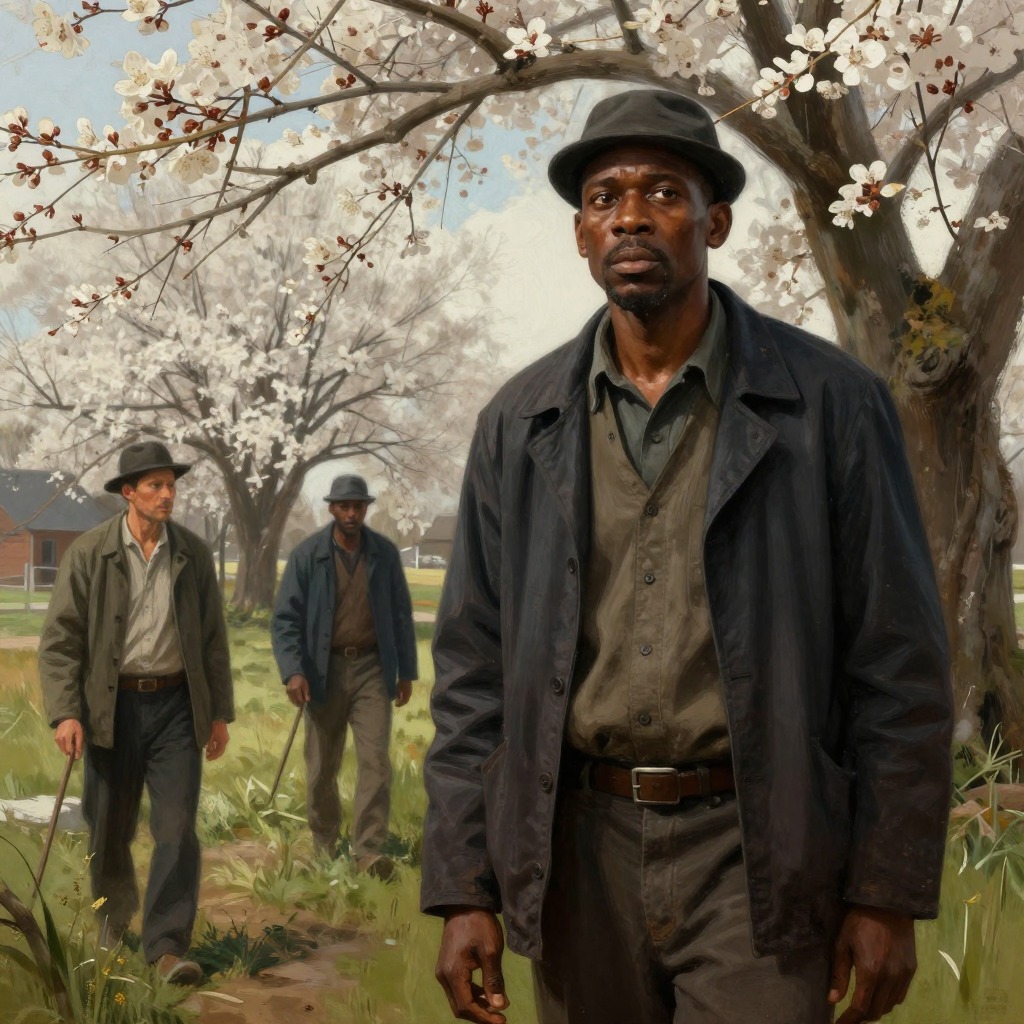
The chain is introduced as the central apparatus of the prison camp in Alfred, Georgia, where Paul D is sent after attempting to kill Brandywine, the man schoolteacher sold him to. The prisoners are shackled with leg irons and connected by a single, massive chain—"one thousand feet of the best hand-forged chain in Georgia"—that links them all in a line. Each morning, after a rifle shot signals the start of the day, the men thread the chain through the loops on their leg irons, one by one, in a ritual that both physically binds them and establishes a rigid order. The chain is not merely a restraint; it is a constant reminder of their status as property, their worth calculated in dollars, and their utter lack of autonomy. The chain's weight and the clinking sound it makes accompany every movement, every meal, every moment of rest, reinforcing the dehumanizing conditions of their existence.
The Chain as a Means of Communication and Solidarity
Despite its oppressive function, the chain becomes a medium of communication and mutual support among the prisoners. The men use the chain to convey messages, as when a yank on the chain signals danger or a change in direction. During the flood, when the ditch begins to cave in and mud pours into the boxes where the prisoners are locked, the chain becomes a lifeline. One man yanks the chain, and the next man, feeling the pull, yanks it again, passing the signal down the line. This chain of yanks allows the forty-six men to coordinate their escape, diving through the mud under the bars, trusting that the chain that holds them will save them all or none. The narrator notes, "They talked through that chain like Sam Morse," and it is this shared reliance on the chain that enables them to emerge from the flood alive, "like the unshriven dead, zombies on the loose, holding the chains in their hands." The chain, once a symbol of their captivity, becomes a symbol of their collective will to survive.
The Chain's Role in the Escape and Its Aftermath
The flood escape is the chain's most dramatic moment. When the rain comes, the prisoners are locked in their boxes, and the water rises, threatening to drown them. The chain, threaded through all forty-six loops, is the only thing that connects them. As the mud pours in, the men, guided by Hi Man, the lead prisoner, use the chain to pull themselves out, one by one, through the submerged bars. The chain's strength is tested, and it holds, allowing all forty-six to escape. Afterward, the chain is still with them, but its meaning has shifted. When they encounter the Cherokee, who see the chains and go away, returning with small axes to break them, the chain's power is finally broken. The Cherokee, who have themselves suffered displacement and loss, recognize the prisoners' plight and help them free themselves from the physical chains. Paul D, however, remains psychologically bound by the experience, and the chain's memory lingers in his mind, contributing to his sense of being "moved" and his struggle to reclaim his manhood.
The Chain as a Symbol of Dehumanization and Resistance
The chain in Beloved is not just a physical object; it is a symbol of the dehumanizing logic of slavery and the resilience of those who endure it. The chain reduces men to interchangeable links, their individuality erased by the uniformity of their bondage. Yet, in the flood, the chain also reveals the prisoners' humanity, as they risk their lives for one another, communicating through the chain in a desperate act of solidarity. The chain thus embodies the paradox of slavery: it is an instrument of oppression that, in the hands of the oppressed, becomes a tool of resistance. Paul D's later reflections on the chain, and his inability to fully escape its psychological grip, underscore the lasting trauma of such dehumanization. The chain, like the other objects in the novel, is not merely a prop but a participant in the narrative, shaping the characters' actions and their understanding of themselves and each other.