spiderwebs
BelovedIn Toni Morrison's Beloved, spiderwebs are a recurring image that binds together the novel's central themes of trauma, healing, and memory. They first appear as a practical, almost magical remedy in the hands of Amy Denver, the white runaway girl who helps Sethe escape from Sweet Home. Later, they become a metaphor for the inescapable, tangled nature of the past, echoing Sethe's theory of rememory and the novel's final, haunting reflection on what is forgotten and what remains. The spiderweb is thus both a concrete object of care and a symbol of the fragile, yet persistent, connections between the living and the dead, the present and the past.
Amy Denver's Healing Webs
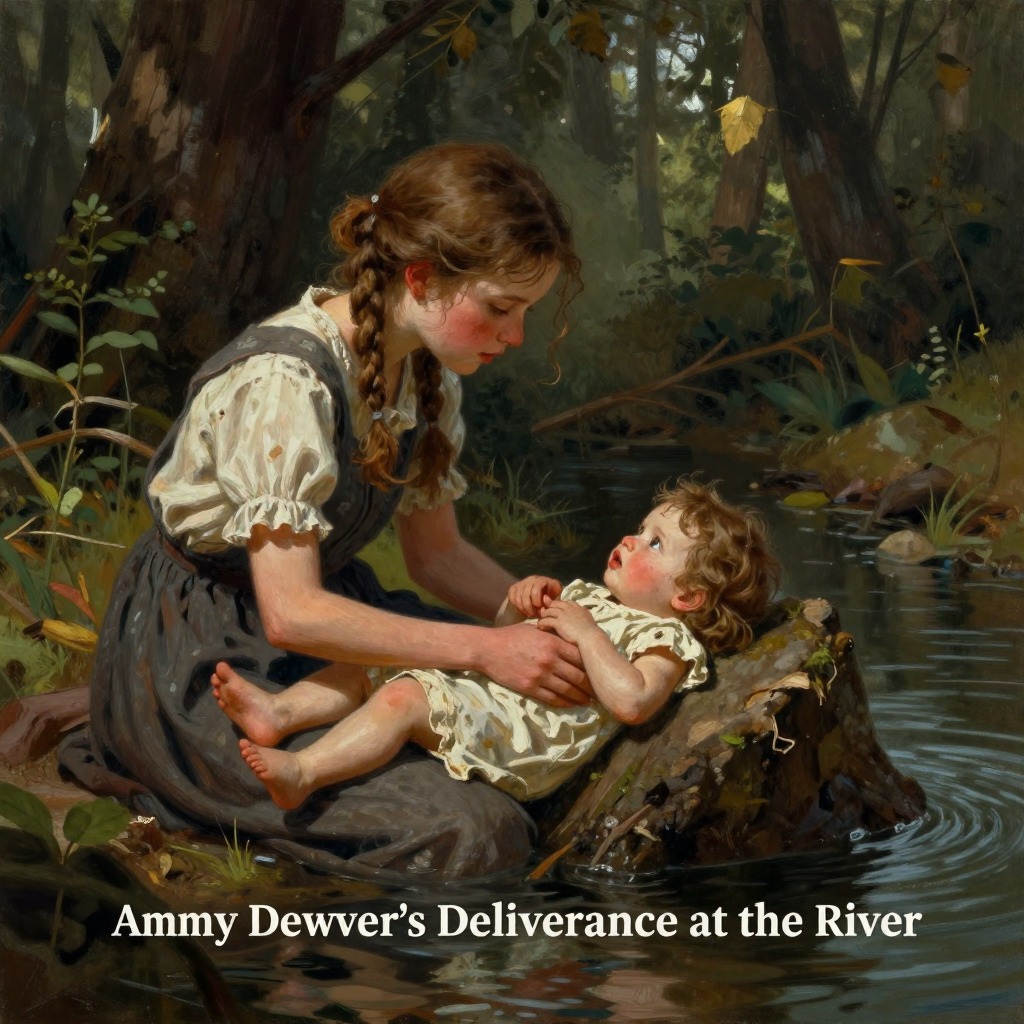
The most significant use of spiderwebs occurs during Sethe's harrowing escape, when she is pregnant with Denver and has just been brutally whipped by schoolteacher's nephews. After crawling through the woods, she is found by Amy Denver, a young white girl searching for velvet in Boston. Amy, who has a knack for tending to the sick, examines Sethe's back and declares it to be a chokecherry tree, with a trunk, branches, and even blossoms. To treat the raw, infected wounds, Amy gathers spiderwebs from the bushes, cleans them of prey, and drapes them over Sethe's back, saying it is "like stringing a tree for Christmas." This act of using spiderwebs—a delicate, natural material—to cover and begin the healing of a wound inflicted by a cowhide whip is deeply ironic. The same body that has been torn apart by violence is mended with the fragile threads of a spider's web, suggesting a kind of natural, almost supernatural, restoration. Amy's care is a rare moment of kindness and humanity in Sethe's ordeal, and the spiderwebs become a symbol of that compassion, as well as a testament to the body's capacity to heal, even when the scars remain.
Webs of Memory and Rememory
Beyond their literal use, spiderwebs function as a powerful metaphor for memory and the persistence of the past. Sethe's concept of rememory—the idea that painful events and places remain "out there, in the world," waiting to be encountered again—is akin to a spider's web that is always present, even if unseen. Just as a web can be invisible until the light catches it, so too can the past lie dormant until a sensory trigger—a smell, a sound, a touch—brings it back into focus. The novel's narrative itself is structured like a web, with events from the past and present interwoven, and characters' memories overlapping and influencing one another. The spiderweb thus represents the inescapable interconnectedness of trauma, memory, and identity, suggesting that the past is never truly gone but rather lingers, waiting to ensnare the present.
The Unforgotten and the Disremembered
The image of the spiderweb also appears in the novel's closing pages, in the meditation on Beloved's disappearance and the community's deliberate forgetting. The narrator reflects that Beloved is "disremembered and unaccounted for," and that those who knew her eventually forget her, as if she were a bad dream. Yet, the novel suggests that forgetting is not the same as erasure. The final lines describe how "the rustle of a skirt hushes when they wake, and the knuckles brushing a cheek in sleep seem to belong to the sleeper," and how a photograph of a loved one can shift, revealing "something more familiar than the dear face itself." This lingering presence, this sense of something just out of reach, is like a spiderweb that remains after the spider has gone—a fragile trace of what was once there. The novel's final refrain, "This is not a story to pass on," is itself a paradox, for the story has been told, and the web of memory, however faint, continues to exist. The spiderweb, then, becomes a symbol of the novel's own project: to weave together the fragments of a traumatic past, to acknowledge what has been lost, and to leave a trace that cannot be entirely forgotten.