Rhea
ArtemisRhea, mother of Zeus, becomes a crucial helper at the birth of Apollo and Artemis: after Hera’s interference leaves Leto suffering for days, Rhea helps guide her into a cave and holds her as labor begins. Her tenderness offers a stark counterpoint to the divine power being used to prolong Leto’s pain.
Identity and Place in the Story
The narrative identifies Rhea as the mother of Zeus and the wife of the Titan Cronus. Her role in Leto’s ordeal is not that of a distant observer: she joins the small group of immortals who take practical steps to help Leto when Hera has prevented the goddess of childbirth, Eileithyia, from assisting.
Aid During Leto’s Labor
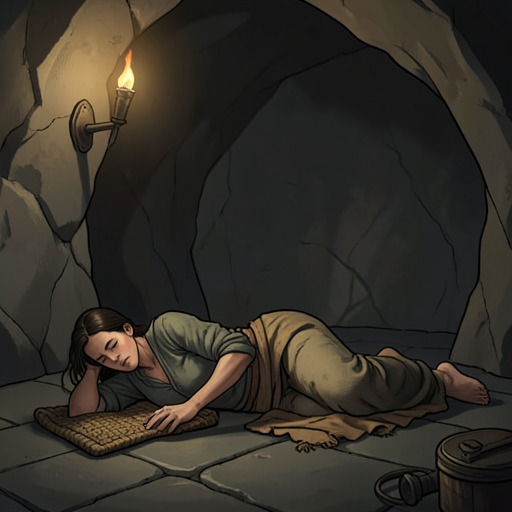
Leto’s labor begins on Delos, the island that had been adrift until it accepted her. After nine days and nights of strong pains, Rhea and Dione help Leto into a cave at the island’s center, a dry and comfortable refuge chosen to keep her far from Hera’s watchful vengeance. Themis carries a torch, while Amphitrite and Ichnaea join the party guiding Leto to a place where she can rest.
Inside the cave, Rhea holds Leto in her arms and soothes her as labor intensifies. When Leto gives birth to Apollo, the ordeal is not over; the delivery of the second child still lies ahead. Rhea urges Leto onward with tender words and strength, while the other deities try to ease the pain. She reminds Leto that the suffering of childbirth will bind mother and children together, and that her children will remember what she endured and punish those who rejected her. Even while consumed by pain, Leto takes those words to heart and refuses to give up.
Witness to the Twins’ Birth
Dione calls for Leto to push, and Leto gives birth to a daughter, Artemis, who rapidly grows to the size and age of a mature child and immediately clasps her mother’s hand. With the pain finally ended, Leto has delivered the twins. Rhea, Dione, Themis, Amphitrite, and Ichnaea bear witness to the birth; their testimony carries news of Leto and her children to Olympus.
Significance
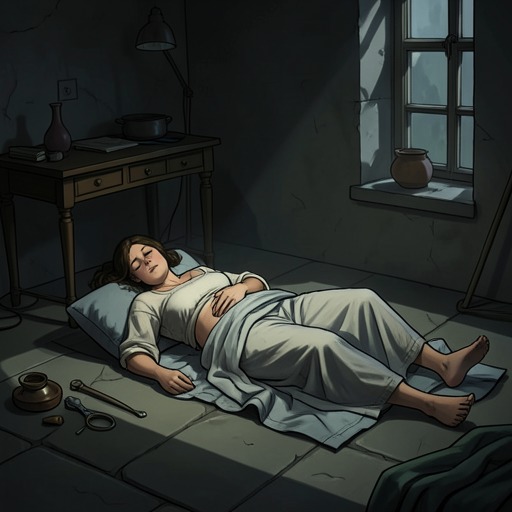
Rhea’s intervention gives concrete form to care in a birth story otherwise shaped by coercion and rivalry. Hera restrains Eileithyia and leaves Leto to endure labor alone; Rhea instead offers shelter, physical comfort, and encouragement. Her place beside Leto connects divine lineage to bodily vulnerability: although she is the mother of Zeus, her significance here rests on helping another mother survive a dangerous ordeal and bring Zeus’s children into the world.