1829
Robin Survives Cholera
During the 1829 Guangzhou cholera epidemic, 11-year-old [Robin Swift](entity:character-recall-character-robin-swift-97243c1d8a12) was found alone in his home in Guangzhou, with his deceased mother by his side. Richard Linton Lovel was able to save the cholera-stricken boy by using a sugar-coated silver
Two days after Lovell’s arrival in 1829
Robin Leaves Canton
Robin accepts Lovell's terms and receives the English name [Robin Swift](entity:character-recall-character-robin-swift-97243c1d8a12). On the voyage aboard the Countess of Harcourt, he is forced to choose whether to translate honestly for a Chinese laborer whose valid contract is rejected by a racist crewman. Fear wins: Robin lies that the contract is unus
1830
Arrival in London
Robin reaches [London](entity:location-recall-location-london-420923d4a60a) and sees a city transformed by silver: carriages, clocks, sanitation, industry, and imperial commerce all depend on the metal’s linguistic magic. Lovell brings him to [Hampstead](entity:location-recall-location-hampstead-0a1c0f20a83d), legally makes him an English ward, and begins an intensive education in Latin, Greek, Mandarin, and the habits of English society.
1830, Robin’s first year in England
Lovell’s Beating
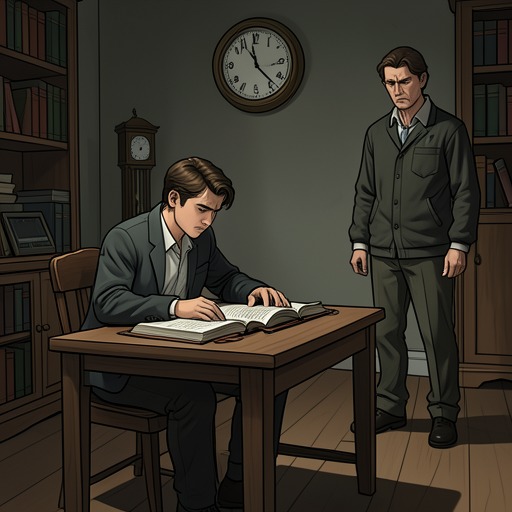
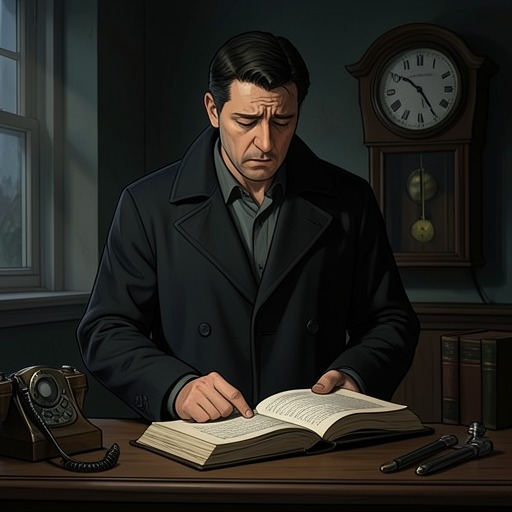
After Robin loses himself in a naval adventure novel and misses a Greek lesson, Lovell beats him methodically with a poker. He frames the violence as discipline, racial improvement, and a choice between scholarly obedience and return to [Canton](entity:location-recall-location-canton-111f1788df90). Robin stays, internalizing the belief that survival depends on perfect diligence and suppressing resentment.
September 1836
Robin Enters Oxford
After six years of study, Robin travels with Lovell to [Oxford](entity:location-recall-location-oxford-6b47fed333f9) and is installed at [University College, Oxford](entity:location-recall-location-university-college-o-681e580dacef). He meets [Ramiz Rafi Mirza](entity:character-recall-character-ramiz-rafi-mirza-56dd10670802) in [Magpie Lane](entity:location-recall-location-magpie-lane-e77645ad12ee), and the two immediately recognize their shared status as foreign-born wards shaped for imperial scholarship. Their first days of exploration create the friendship that becomes Robin’s emotional home.
October 1836
Babel’s First Cohort
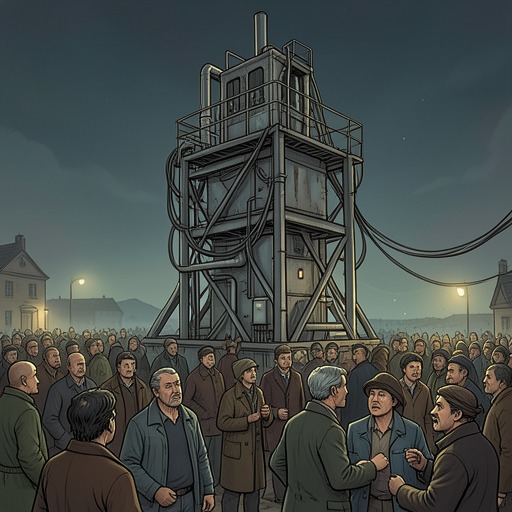
Robin and Ramy meet [Victoire Desgraves](entity:character-recall-character-victoire-desgraves-74c68945d0cc) and [Letitia Price](entity:character-recall-character-letitia-price-1b9fb10895d2), then receive an orientation through [Babel](entity:location-recall-location-babel-2cc9a927a68f) from [Anthony Ribben](entity:character-recall-character-anthony-ribben-ce5775c9e273). The tower presents itself as a cosmopolitan sanctuary that welcomes exceptional students from colonized societies while openly defining their talents as resources for empire. Professor [Jerome Playfair](entity:character-recall-character-jerome-playfair-0ec3445daf99)’s idealistic speech about translation and global harmony conceals the institution’s extractive purpose.
October 1836
The Silver-Working Revelation
Playfair demonstrates that silver bars manifest meanings lost between languages. He explains untranslatability, daisy-chaining, the requirement for genuine fluency, and the danger of translating the very word “translation,” whose paradox destroys silver. The students are dazzled by the magic, but the lesson also establishes that linguistic difference—and therefore colonized cultures—is the raw material of British power.
First day at Babel, October 1836
Blood Enters Babel
Playfair draws blood from Robin, Ramy, Victoire, and Letty for [Babel](entity:location-recall-location-babel-2cc9a927a68f)’s ward-registration system. Their vials become the mechanism by which the tower recognizes insiders and repels thieves. The ritual turns bodily identity into institutional property, binding the students physically and symbolically to the tower.
Early October 1836
The First Hermes Theft
While returning Ramy’s forgotten notebook, Robin encounters [Griffin Harley Lovell](entity:character-recall-character-griffin-harley-love-d5499bf24849) and two accomplices stealing silver bars near the [Bodleian Library](entity:location-recall-location-bodleian-library-4c644bf986cb). He activates an invisibility bar, saves them from a constable, and is invited to meet Griffin at [The Twisted Root](entity:location-recall-location-the-twisted-root-bb41394012d6). Griffin reveals that he is Robin’s half-brother and introduces the Hermes Society, which redistributes silver and research materials against imperial monopolies.
October 1836
Robin Joins Hermes
Griffin explains that [Babel](entity:location-recall-location-babel-2cc9a927a68f) supplies the military, slave traders, and colonial administration while hoarding foreign languages and silver. Robin hesitates, but ultimately marks a tree in [Merton College](entity:location-recall-location-merton-college-483c4537a9c4)’s garden and accepts recruitment. He begins covertly opening Babel’s doors, copying texts, and stealing small quantities of silver under Hermes Society’s strict need-to-know protocol.
Michaelmas term 1836 to Trinity term 1837
The Cohort Becomes Family
Robin, Ramy, Victoire, and Letty settle into an intense life of study, arguments, food, rowing, and shared humiliations. Their differences in race, gender, class, religion, and colonial history remain unresolved, but their dependence on one another turns the cohort into a substitute family. Robin’s secret Hermes life stays separate from this warmth.
Hilary term 1837
Griffin’s Warning
Griffin tells Robin that silver wealth is flowing toward China and that Britain’s imperial economy depends on coercive extraction. He predicts that Britain’s expansion will either become more brutal or collapse under its own contradictions. Robin continues stealing for Hermes but refuses to imagine giving up [Babel](entity:location-recall-location-babel-2cc9a927a68f), whose privileges and belonging still feel necessary for survival.
January 1838
Anthony’s Disappearance
[Babel](entity:location-recall-location-babel-2cc9a927a68f) announces that [Anthony Ribben](entity:character-recall-character-anthony-ribben-ce5775c9e273) has vanished during a research expedition to [Barbados](entity:location-recall-location-barbados-a285bae3d98a) and presumes him dead. The faculty offers no memorial and replaces him at his workstation, treating his life as expendable once his labour is unavailable. The event intensifies the students’ fear that Babel values them only as vessels for useful languages.
Hilary term 1838
Robin Is Shot
During a Hermes theft, [Babel](entity:location-recall-location-babel-2cc9a927a68f)’s updated wards trigger and a gunshot grazes Robin’s arm. Professor Playfair finds him wounded but accepts his improvised story, while Griffin dismisses the danger and disappears. Robin stitches himself together with brandy and thread, then grows resentful of Hermes’s secrecy and careless treatment of its recruits.
Michaelmas term 1838
The Third-Year Collapse
Third-year work becomes punishing, and the cohort fractures under independent research projects. Ramy is forced into Persian editorial work instead of translating Ibn Khaldun; Victoire’s supervisor tries to extract Haitian Vodou material from her Kreyòl research; Letty dismisses Victoire’s objections as irrational. Their friendship survives, but arguments now expose the colonial and personal inequalities they had previously evaded.
May 1839
Eveline Brooke’s Grave
After their commemoration celebration, the cohort discovers [Eveline Brooke](entity:character-recall-character-eveline-brooke-93a40f214f77)’s grave and realizes that the brilliant silver-worker whose desk [Babel](entity:location-recall-location-babel-2cc9a927a68f) preserves has been dead for five years. Her unexplained death connects the institution’s silence to the dangerous history of Hermes. Robin suspects that Griffin is involved, but avoids confronting the truth.
Late May 1839
The Silver-Working Exam
Robin, Ramy, Letty, and Victoire pass their third-year examinations and create their first working match-pairs. Robin's Mandarin "mingbai" – "understand" – bar manifests a radiant field of clarity, giving him a visceral experience of the pure realm of meaning. The
June to September 1839
The Golden Summer
The friends enjoy their last unshadowed summer in [Oxford](entity:location-recall-location-oxford-6b47fed333f9), punting, picnicking, visiting [London](entity:location-recall-location-london-420923d4a60a), and imagining their future graduation voyage. A new telegraph system links [Babel](entity:location-recall-location-babel-2cc9a927a68f) to London, deepening the tower’s role as the Empire’s communications centre. Their happiness becomes poignant because the future they imagine is already being overtaken by war and betrayal.
October 1839
Ramy and Victoire Join Hermes
Robin discovers Ramy and Victoire attempting a secret theft from [Babel](entity:location-recall-location-babel-2cc9a927a68f). They reveal that Anthony, alive and underground, recruited them independently. Robin had hidden Hermes from them for three years, while they had planned to tell him; the revelation exposes the limits of their trust just as Professor Lovell’s disappearance makes their shared danger unavoidable.
October 1839
Return to Canton
The cohort travels aboard Merope to [Canton](entity:location-recall-location-canton-111f1788df90) with [Richard Linton Lovell](entity:character-recall-character-richard-linton-love-9acfad5838d1), officially to support negotiations for British trading companies. The voyage is strained by their secret affiliations and suspicion that [Babel](entity:location-recall-location-babel-2cc9a927a68f) knows about their thefts. Robin's return to China evokes not belonging but alienation: the language
October 1839
The Opium Mission
At [The Thirteen Factories](entity:location-recall-location-the-thirteen-factori-b93d598520be), [Harold Baylis](entity:character-recall-character-harold-baylis-a7aed6f085ec) instructs Robin to interpret for [Jardine, Matheson & Company](entity:organization-recall-organization-jardine-matheson-7d49b683e37b). The British merchants demand legal access for opium, compensation for confiscated shipments, and expanded trade rights, presenting coercion as free trade. Robin is forced to hear the blunt racial contempt beneath their commercial rhetoric and begins to understand his own role as a mouthpiece of imperial violence.
October 1839, during the Canton mission
Robin Visits the Opium Den
Robin leaves the foreign enclave with Ramy and walks through [Canton](entity:location-recall-location-canton-111f1788df90) to the site of his childhood home, which has disappeared beneath new commercial buildings and an opium den. He samples the drug and confronts the economic chain linking his mother’s poverty, Indian cultivation, Chinese addiction, and British profit. Ramy reveals that his guardian owned part of an opium plantation in Bengal, making their homelands victims of the same imperial system.
October 1839
Lin Rejects Negotiation
Robin interprets [Harold Baylis](entity:character-recall-character-harold-baylis-a7aed6f085ec)’s demands before [Lin Zexu](entity:character-recall-character-lin-zexu-30f566b7c9f2). Lin exposes the hypocrisy of British appeals to free trade while Britain prohibits opium at home, then privately asks Robin whether negotiation can achieve anything. Robin admits that the British seek domination, not compromise. Lin concludes that words are exhausted and soon destroys the confiscated opium shipment.
Immediately after the opium burning, October 1839
Lovell and Robin Quarrel
[Richard Linton Lovell](entity:character-recall-character-richard-linton-love-9acfad5838d1) blames Robin for the diplomatic disaster and orders the cohort onto [Hellas](entity:object-recall-object-hellas-364e58f77fa8) for an early return to England. In private, he defends the opium trade, calls China backward, and insists that Robin's obligations to [Babel](entity:location-recall-location-babel-2cc9a927a68f) outweigh his moral objections. Robin confronts him over his mother
October 1839, aboard Hellas号
Robin Kills His Father
When Lovell refuses to acknowledge Robin’s mother or call her by name, Robin activates the explosive bào–burst match-pair. The bar tears open Lovell’s chest and kills him instantly. Robin, Ramy, Victoire, and Letty hide the body, throw it overboard, and invent a contagious illness to explain Lovell’s absence, turning the moral crisis into a shared criminal conspiracy.
Late 1839
The Voyage Home
The long return voyage becomes a psychological ordeal. Robin repeatedly considers confession and suicide, while Ramy insists that confession would condemn all four. Their concealment of the murder forces Robin and Ramy back into intimacy, but the group’s fear and guilt also reveal that they can no longer return to ordinary student life.
Late 1839, at Lovell’s Hampstead house
War Plans Discovered
The group reaches England and searches Lovell’s empty [Hampstead](entity:location-recall-location-hampstead-0a1c0f20a83d) residence for evidence and practical information. Robin finds correspondence proving that Lovell, Jardine, Matheson, Gützlaff, and political allies had planned a war against China long before the failed negotiations. The [Canton](entity:location-recall-location-canton-111f1788df90) mission was never intended to secure peace; it was designed to manufacture a pretext for invasion.
Early 1840, after the return to Oxford
Anthony Rescues the Cohort
Professor Playfair attempts to lure Robin into confessing at [Babel](entity:location-recall-location-babel-2cc9a927a68f)’s faculty party, but Robin realizes the trap and invents a meeting with Griffin in the Taylorian tunnels. [Anthony Ribben](entity:character-recall-character-anthony-ribben-ce5775c9e273) appears instead, leads the four students through a hidden passage, and brings them to [The Old Library](entity:location-recall-location-the-old-library-0a7f512de508), Hermes’s [Oxford](entity:location-recall-location-oxford-6b47fed333f9) headquarters. There they learn that Anthony’s death was fabricated and that Hermes is also a research network for non-imperial translation.
Early 1840, at The Old Library
Letty Betrays Hermes
[Letitia Price](entity:character-recall-character-letitia-price-1b9fb10895d2) secretly summons the police to the Old Library, believing she is rescuing her friends from a violent and doomed conspiracy. During the raid, Hermes defenders fight the police while Letty enters the Reading Room with a revolver and orders the cohort to surrender. Her betrayal reveals that she cannot reconcile friendship with loyalty to Britain’s imperial order.
Moments after Letty’s betrayal
Ramy Is Shot
When Victoire reaches for the envelope containing Hermes contacts, Letty fires. [Ramiz Rafi Mirza](entity:character-recall-character-ramiz-rafi-mirza-56dd10670802) throws himself between them and is shot through the heart. Robin’s grief becomes murderous rage, and he is captured by the police while Victoire is taken separately. The death destroys the cohort’s last illusion that their friendship can survive the political conflict.
Immediately after the Old Library raid
Sterling Tortures Robin
At [Oxford Castle](entity:location-recall-location-oxford-castle-70230b48d1cb), [Sterling Jones](entity:character-recall-character-sterling-jones-a878d597e533) interrogates Robin and defends empire as a civilizing project. He uses silver handcuffs to induce agony and a chest-activated bar to force Robin’s memories and speech into uncontrolled confession. Sterling threatens Victoire, fakes her execution, and demands information about Hermes, but Robin refuses to betray the wider network.
Soon after Sterling’s interrogation
Griffin Breaks Robin Out
Griffin uses an invisibility bar and explosives to break Robin from [Oxford Castle](entity:location-recall-location-oxford-castle-70230b48d1cb), then frees Victoire from another cell. They discover that the Old Library has been destroyed and its members are presumed dead. Griffin’s rescue exposes his capacity for violence, but also his continuing loyalty to Robin and the remnants of Hermes.
Immediately after the Oxford Castle escape
Griffin and Sterling Duel
At the castle gate, Griffin and Sterling confront each other over [Eveline Brooke](entity:character-recall-character-eveline-brooke-93a40f214f77), Burma, and the moral meaning of assassination. They fire simultaneously; Sterling dies and Griffin is badly wounded. Robin attempts to heal Griffin with a silver bar, but cannot remove the bullet, and constables execute Griffin at close range while Robin and Victoire remain invisible.
Early 1840, after Griffin’s death
Robin and Victoire Occupy Babel
Robin and Victoire return to [Babel](entity:location-recall-location-babel-2cc9a927a68f) using an explōdere distraction and enter through the front door. Robin announces that the tower is complicit in the planned war and declares a strike until Britain abandons military action against China and grants amnesty. They seize the building, threaten the scholars with silver and guns, and expel most of the faculty while retaining control of the tower and its resources.
Day one of the occupation
Babel Strike Begins
The remaining scholars shut [Babel](entity:location-recall-location-babel-2cc9a927a68f)’s doors, stop silver-working, and distribute a manifesto throughout [Oxford](entity:location-recall-location-oxford-6b47fed333f9). Their action transforms a covert rebellion into a public strike against the [British Empire](entity:organization-recall-organization-british-empire-1ed378e18a0a)’s dependence on translation. The tower becomes both workplace and fortress, while the outside city begins to experience the breakdown of lights, roads, water, transport, and communications.
Second day of the Babel strike
Magdalen Tower Collapses
Because [Babel](entity:location-recall-location-babel-2cc9a927a68f)’s maintenance has been suspended, Magdalen Tower’s long-neglected structural silver-work fails and the tower collapses. The disaster proves that the strike is not symbolic: [Oxford](entity:location-recall-location-oxford-6b47fed333f9)’s architecture has been designed to depend on Babel’s central systems. Robin sees the collapse as proof that violence shocks the imperial system, while the older professors warn that the human consequences are now becoming unavoidable.
First week of the strike
Oxford Joins the Resistance
As [Oxford](entity:location-recall-location-oxford-6b47fed333f9)’s silver-dependent infrastructure deteriorates, unemployed workers and townspeople who once protested [Babel](entity:location-recall-location-babel-2cc9a927a68f) join its defence. [Abel Goodfellow](entity:character-recall-character-abel-goodfellow-500a10c275d5) builds barricades around the tower and explains that the labour movement and the students’ anticolonial cause share an enemy in the silver industrial revolution. The [British Army](entity:organization-recall-organization-british-army-26b1d8de3be5) arrives but withdraws rather than immediately attack, creating a fragile alliance between scholars and workers.
Second to fourth weeks of the strike
London’s Systems Fail
The loss of resonance maintenance causes [London](entity:location-recall-location-london-420923d4a60a)’s silver systems to fail in cascading waves. Clocks stop, sewage backs up, streetlights go dark, postal carts collapse, roads become dangerous, and transport accidents kill civilians. The exiled [Babel](entity:location-recall-location-babel-2cc9a927a68f) scholars attempt repairs from London, but without the tower’s ledgers and resources they can only slow the collapse.
Seven days after the decision to escalate
Westminster Bridge Collapses
Robin votes to allow the resonance supports beneath Westminster Bridge to expire despite Victoire’s warning that people will die. The bridge falls into the Thames, halting [London](entity:location-recall-location-london-420923d4a60a)’s most important traffic route and demonstrating that Parliament is willing to let the poor suffer rather than negotiate with foreign-born scholars. Robin’s tactics have become openly punitive, and his grief is now indistinguishable from revolutionary strategy.
After Westminster Bridge’s collapse
Letty Offers Surrender
Letitia returns to [Babel](entity:location-recall-location-babel-2cc9a927a68f) under a white flag and warns that the Army will storm the tower at dawn. She claims that Parliament will accept the deaths of some translators and rebuild the Empire’s linguistic machinery later. Robin and Victoire reject her offer, recognizing that Letty’s idea of salvation means returning to the system that made them useful, foreign, and disposable.
Night before the Army’s assault
The Final Decision
Robin proposes activating the forbidden translation match-pair across [Babel](entity:location-recall-location-babel-2cc9a927a68f)’s accumulated silver, creating a chain reaction that will render the tower’s silver and research permanently unusable. Victoire argues that the plan is suicide and that she wants to live, but eventually agrees to help him prepare it. The remaining scholars vote individually: some flee with Abel, while Robin, Professor Craft, [Meghana](entity:character-recall-character-meghana-3406709d2071), [Ibrahim](entity:character-recall-character-ibrahim-7db63fe8ce22), and [Juliana](entity:character-recall-character-juliana-3312982cdf7d) choose to stay.
Dawn of the final day
Babel Is Destroyed
At six o’clock, Robin and the remaining scholars activate the translation match-pair fānyì–translate across pyramids of silver distributed throughout [Babel](entity:location-recall-location-babel-2cc9a927a68f). The bars sing and fracture, transmitting destruction through the tower’s metal network. Robin accepts that no [Adamic language](entity:concept-recall-concept-adamic-language-ec56c500ed92) exists and that translation is movement between irreducibly different worlds; as Babel collapses around him, he imagines his mother’s face and hears her say his name.
Immediately after Babel’s destruction
Victoire Escapes
Victoire survives by fleeing north through the Cotswolds with Hermes contacts and silver hidden in her clothing. She rejects the romantic idea that death is the noblest form of resistance, insisting instead on a future in which she can live, thrive, and continue the struggle. The surviving network gives her new possibilities, but victory remains uncertain and must be made through persistence, sacrifice, and future action.