Ava and Lincoln confront their grief after hooking up
BeautifulAva and Lincoln confront their grief after hooking up when the emotional aftermath of their intimacy brings Kelly Waititi into a conversation they have rarely allowed themselves to have. What begins as a question about whether Kelly would be angry becomes a painful exchange about responsibility, the limits of their understanding of each other’s loss, and the fact that Kelly is gone. Their argument ends not with reconciliation but with both of them crying, while Tina and Lincoln’s father take over the work of comforting him and Ava’s father later offers care to her.
Background and Trigger
Ava had intended to spend time with Lincoln and clear up the tension between them, not to hook up. She lets the encounter happen, but afterward feels guilt, regret, and sadness. She recognizes this as a recurring pattern: being with Lincoln can feel good in the moment and leave her distressed afterward. That contrast makes the aftermath more than a private reaction; it gives her a reason to ask whether Lincoln is experiencing the same turmoil.
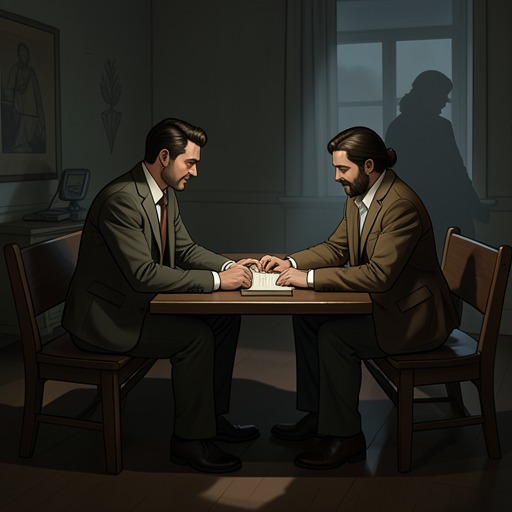
They have rarely talked about Kelly. Ava nevertheless asks whether Kelly would be angry with them, wanting to know what Lincoln thinks and whether he, too, is struggling internally. Her question is an attempt to open a subject both have avoided, but Lincoln initially refuses the invitation. He says he does not care what Kelly would think and remains focused on his phone. Ava tells him she believes he does care. The mismatch between her direct appeal and his evasion makes the conversation emotionally charged before either has explained what the encounter means to them.
Accusation and Conflict
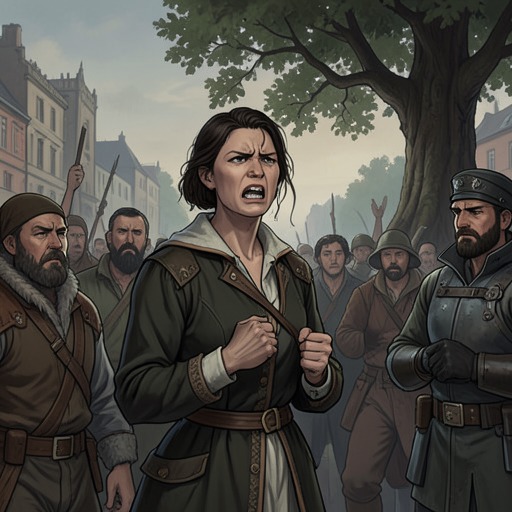
The argument sharpens when Lincoln tells Ava that Kelly trusted and loved her, then suggests that Ava let Kelly die. Ava reacts as though he has blamed her for Kelly’s death and demands to know whether he thinks it was her fault. Lincoln quickly denies intending that accusation, but Ava does not accept the retreat: she believes he meant it. His attempt to qualify what he has said cannot undo its effect, and the conversation moves from the question of Kelly’s imagined judgment to the living people’s anger and pain.
Lincoln insists that Ava cannot know what he feels because Kelly was his sister. Ava answers that Kelly was hers too, asserting the closeness of her own bond rather than accepting grief as something Lincoln alone can claim. The exchange reveals a conflict over recognition as much as blame: each is grieving Kelly, and each resists having that grief diminished or defined by the other. Ava becomes angry and says that they have both acted badly. She also turns the accusation inward, believing she should have said no and that she chose the encounter because she wanted to hurt herself emotionally. Her words make clear that the distress is not simply about Lincoln’s conduct; it is bound up with her own guilt and unresolved mourning.
Shared Grief
Ava breaks down and tells Lincoln that she misses Kelly. Lincoln holds her as she sobs; although she initially pushes him away, she eventually gives way and cries against him. The shift does not erase the fight. Instead, their physical closeness becomes a moment in which both can acknowledge what their argument had exposed. Lincoln says that he misses Kelly too and believes she would hate the way he and Ava are behaving. Ava can see his sadness and understands that he is speaking honestly, even as she distinguishes Kelly’s disapproval of their fighting from any judgment of their bond.
The clearest difference between them emerges when Ava says that sometimes she thinks Kelly is still around. Lincoln answers that Kelly is dead. His blunt statement closes the brief opening between them: the comfort of imagining Kelly near cannot be shared in that moment. Lincoln says he does not think he will ever get over the loss, then breaks down. Ava holds him while he cries, reversing their earlier positions: the person who had been sobbing in his arms now supports him as his grief becomes visible. Neither offers a solution. They remain together in the fact of the loss, rather than finding language that can make it manageable.
Aftermath and Significance
Tina enters Lincoln’s room and finds Ava holding him. She removes Ava’s hand from his shoulders, takes Lincoln’s weight, and sits with him as he sobs in her lap. Lincoln’s father kneels beside them and places a hand on him. Tina and Ava look at one another and recognize each other’s pain; that silent mutual recognition extends the scene beyond the argument between Ava and Lincoln. The family members’ arrival also changes who is caring for whom: Tina and Lincoln’s father support Lincoln, while Ava is left watching them.
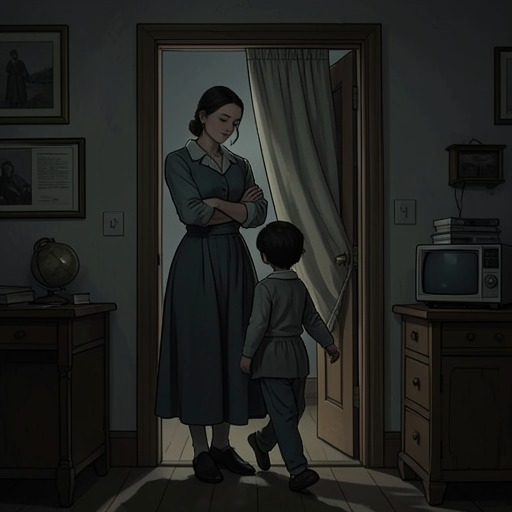
Ava later remembers little of being led to the lounge room or falling asleep on the couch. When she wakes, her father is stroking her hair and asks whether she wants to be carried to the car, recalling that he has not done so since she was about six. The offer briefly makes her smile, though the feeling seems strange to her, and she declines. This small exchange places Ava’s own need for care alongside the scene’s larger focus on Lincoln’s family supporting him.
The confrontation does not settle responsibility, restore ease between Ava and Lincoln, or make their grief alike. It shows instead how their intimacy has become entangled with the loss they have avoided discussing: Ava experiences its aftermath as painful, while Lincoln’s words reveal grief and anger that he has not been able to express openly. Their brief comfort is real but fragile, interrupted by the unbridgeable difference between Ava’s sense that Kelly may still be near and Lincoln’s insistence on her death. The event’s emotional turn is from mutual defensiveness to shared crying, not from grief to recovery.