2008
Mark Darcy’s Death
[Mark Darcy](entity:character-recall-character-mark-darcy-9f1a4da9dd8a) was killed in [Darfur](entity:location-recall-location-darfur-0386a8637eb8) when the armoured vehicle carrying him struck a landmine. His death left [Bridget Jones](entity:character-recall-character-bridget-jones-c493379992ab) a widow with two very young children, [Billy Darcy](entity:character-recall-character-billy-darcy-c2cb08e474fe) and [Mabel Darcy](entity:character-recall-character-mabel-darcy-b091cbdecc17), and made an abrupt absence the defining fact of their family life.
The loss also set the terms of Bridget’s later struggles: she had to keep caring for the children while trying to survive a grief too large to process all at once.
2008 to 2012
The Years of Keeping Going
In the first years after [Mark Darcy](entity:character-recall-character-mark-darcy-9f1a4da9dd8a)’s death, [Bridget Jones](entity:character-recall-character-bridget-jones-c493379992ab) concentrated on practical survival. Friends and relatives helped with the legal and financial arrangements, and she moved with the children from [Holland Park](entity:location-recall-location-holland-park-71c134012995) to a smaller home in [Chalk Farm](entity:location-recall-location-chalk-farm-acc31acec32e).
Counselling helped [Billy Darcy](entity:character-recall-character-billy-darcy-c2cb08e474fe) and [Mabel Darcy](entity:character-recall-character-mabel-darcy-b091cbdecc17) find manageable ways to understand their father’s death, but Bridget remained emotionally depleted. She kept the household going, often postponing her own grief until the children were asleep or help arrived.
April 19, 2012
Friends Demand a New Life
At a night out with [Talitha](entity:character-recall-character-talitha-ea1508c9d218), [Tom](entity:character-recall-character-tom-268ddde4835d), and [Jude](entity:character-recall-character-jude-c859762b9a2d), [Bridget Jones](entity:character-recall-character-bridget-jones-c493379992ab) was told bluntly that she needed to work, find a life beyond motherhood, and consider sex again. She resisted, insisting that she was asexual, too old to be desirable, and unwilling to betray [Mark Darcy](entity:character-recall-character-mark-darcy-9f1a4da9dd8a).
The exchange exposed the conflict she had been avoiding: loyalty to the dead could not be the only shape of her future, but the possibility of intimacy felt frightening and almost disloyal. Tom urged her to begin living again, while Talitha pushed her to reclaim her sexuality.
Late April 2012
A Night of Childhood Chaos
After briefly imagining a sensual new life, [Bridget Jones](entity:character-recall-character-bridget-jones-c493379992ab) was pulled back into the immediate demands of single parenthood when [Mabel Darcy](entity:character-recall-character-mabel-darcy-b091cbdecc17) became sick and both children ended up covered in vomit and diarrhoea. She improvised through the night, trying to clean the children and bedding while keeping them safe.
The episode brought grief back with particular force: [Mark Darcy](entity:character-recall-character-mark-darcy-9f1a4da9dd8a) would have shared the work and found humour in the disaster. Bridget nevertheless got through the night, discovering that even her most chaotic days contained a fierce, sustaining love for [Billy Darcy](entity:character-recall-character-billy-darcy-c2cb08e474fe) and Mabel Darcy.
April 20, 2012
Resolutions for Reinvention
[Bridget Jones](entity:character-recall-character-bridget-jones-c493379992ab) made an ambitious list of changes: lose weight, meditate, exercise, clear the house, learn her devices, return to writing, and become a more organized mother. The plan promised a complete transformation, but its sheer scale revealed how overwhelmed she felt by ordinary life.
Her resolutions also linked self-improvement to a wish to recover a former self. She wanted a professional identity and a more confident body, but had yet to find a sustainable way to pursue either.
April 21 to May 2, 2012
The Twitter Beginning
Lonely after the children went to bed, [Bridget Jones](entity:character-recall-character-bridget-jones-c493379992ab) tried to join Twitter, first struggling to understand the service and then waiting anxiously for followers. She checked repeatedly, interpreted silence as evidence of rejection, and briefly considered moving to Facebook.
The experiment turned a new technology into another measure of her worth. Bridget wanted connection, but the platform’s unfamiliar conventions left her feeling more isolated and self-conscious.
May 2012
The Obesity Clinic
After back pain led to a consultation about her body and weight, [Bridget Jones](entity:character-recall-character-bridget-jones-c493379992ab) bristled at the suggestion that she attend the obesity clinic. She eventually went, where medical assessments and a structured meal-replacement plan gave her a clearer understanding of the relationship between fat, muscle, and health.
The clinic offered a routine and accountability that previous diets had not. Bridget began losing weight, though she remained prone to treating each measurement as a verdict on her attractiveness and prospects.
Summer 2012
A Spambot and a Neighbour
As [Bridget Jones](entity:character-recall-character-bridget-jones-c493379992ab) lost weight and began writing her adaptation of Hedda Gabler, she kept trying to build a Twitter following. A marketing spambot briefly gave her tens of thousands of followers before vanishing, leaving her to learn that online attention could be both meaningless and exhilarating.
Around the same period, Bridget made contact with [Rebecca](entity:character-recall-character-rebecca-a2bff63b7d1a), her eccentric neighbour, after accidentally bumping her car. Rebecca had children close in age to [Billy Darcy](entity:character-recall-character-billy-darcy-c2cb08e474fe) and [Mabel Darcy](entity:character-recall-character-mabel-darcy-b091cbdecc17), opening the possibility of a more communal family life.
August 2012
The Weight-Loss Triumph
[Bridget Jones](entity:character-recall-character-bridget-jones-c493379992ab) reached a healthy weight after losing a substantial amount through the clinic’s programme. She celebrated a new clothing size and the feeling that she had finally achieved something she had repeatedly failed to sustain.
The confidence did not last without interruption. A celebratory binge brought the weight back, and Bridget had to face the cycle of shame and recovery rather than treating one setback as proof that she was hopeless.
September 1, 2012
The Smug Married Gathering
At [Magda](entity:character-recall-character-magda-04673b189ca0) and [Jeremy](entity:character-recall-character-jeremy-9ac2d6df3d50)’s birthday gathering, old friends asked whether [Bridget Jones](entity:character-recall-character-bridget-jones-c493379992ab) had found a boyfriend and spoke patronizingly about women of a certain age. Cosmo’s blunt comments about the scarcity of men for older women left Bridget feeling exposed and furious.
She falsely claimed that she had boyfriends rather than admit how lonely she felt. Magda later told her, kindly but firmly, that she needed to move on and try to find someone, while Bridget’s mother raised the prospect of a family [Christmas](entity:time-recall-time-christmas-a573265d0167) cruise at [St Oswald’s House](entity:location-recall-location-st-oswald-s-house-f2703da24f2e).
September 2 to 5, 2012
The Stronghold Plan
[Talitha](entity:character-recall-character-talitha-ea1508c9d218), [Tom](entity:character-recall-character-tom-268ddde4835d), and [Jude](entity:character-recall-character-jude-c859762b9a2d) decided to take [Bridget Jones](entity:character-recall-character-bridget-jones-c493379992ab) to [The Stronghold](entity:location-recall-location-the-stronghold-06a47fcb992c), an underground music venue, to help her meet someone in person. The plan was a deliberate break from online dating and an attempt to make real-life desire feel possible again.
Finding childcare proved difficult, so Bridget called [Daniel Cleaver](entity:character-recall-character-daniel-cleaver-886066a8c7da), who agreed to look after [Billy Darcy](entity:character-recall-character-billy-darcy-c2cb08e474fe) and [Mabel Darcy](entity:character-recall-character-mabel-darcy-b091cbdecc17). His offer came with familiar flirtation, but she trusted him enough to accept the help and prepare for a night out.
September 6, 2012
The Stronghold Kiss
At [The Stronghold](entity:location-recall-location-the-stronghold-06a47fcb992c), [Bridget Jones](entity:character-recall-character-bridget-jones-c493379992ab) felt overwhelmed by the younger crowd and the possibility of being noticed. A man in a leather jacket asked her to dance, and their kiss awakened a desire she had believed lost since [Mark Darcy](entity:character-recall-character-mark-darcy-9f1a4da9dd8a)’s death.
The sudden intensity frightened her. She fled before the man could take things further, even as her friends celebrated the proof that she remained sexually alive. [Talitha](entity:character-recall-character-talitha-ea1508c9d218) had taken his number, but the encounter left Bridget excited and ashamed in equal measure.
Night of September 6, 2012
Daniel in the Bedroom
When [Bridget Jones](entity:character-recall-character-bridget-jones-c493379992ab) returned home, she found [Daniel Cleaver](entity:character-recall-character-daniel-cleaver-886066a8c7da) in her bed rather than the children’s room. Still stirred by the kiss at [The Stronghold](entity:location-recall-location-the-stronghold-06a47fcb992c), she briefly climbed into bed with him before remembering the history and unreliability of their relationship.
[Daniel](entity:character-recall-character-daniel-ff434f340c88)’s phone call with another woman interrupted the moment, and Bridget sent him away. The encounter made clear that sexual possibility had returned, but neither nostalgia nor opportunistic desire could give her the security she wanted.
September 12, 2012
The Leather-Jacket Date
With [Talitha](entity:character-recall-character-talitha-ea1508c9d218)’s encouragement, [Bridget Jones](entity:character-recall-character-bridget-jones-c493379992ab) texted the man from [The Stronghold](entity:location-recall-location-the-stronghold-06a47fcb992c) and learned that he was called [Andy](entity:character-recall-character-andy-1d26f3c164d3), was divorced, and had children. They met for lunch in [Primrose Hill](entity:location-recall-location-primrose-hill-abd2200e09cb), where Bridget rapidly imagined a shared domestic future while trying to follow rules she had only just begun to learn.
Andy was pleasant but reserved. Bridget asked whether they should meet again, and he agreed, yet his lack of follow-up sent her into anxious speculation. Her hopes had outrun the actual evidence of the date.
September to October 2012
The Dating Rules Begin
[Bridget Jones](entity:character-recall-character-bridget-jones-c493379992ab) tried to arrange a second date with [Andy](entity:character-recall-character-andy-1d26f3c164d3), worrying over his silences and repeatedly checking her phone. When they finally met again, she was late, went to the wrong venue, became stoned and anxious at a party, and struggled to say what she wanted.
Andy recognized her fear and declined to continue the evening, saying she did not seem ready. Bridget took the awkward encounter as proof of her own failure, but the experience also gave her concrete lessons about boundaries, communication, and the difference between a hoped-for romance and what was actually happening.
October to November 2012
The Dating Manual Project
After [Andy](entity:character-recall-character-andy-1d26f3c164d3) stopped responding, [Bridget Jones](entity:character-recall-character-bridget-jones-c493379992ab) immersed herself in dating advice books, compiling rules about texting, timing, self-control, and emotional honesty. She treated the manuals like a course of study that might prevent another humiliating mistake.
The research offered reassurance but could not supply the missing skill of finding someone to date. Bridget had amassed advice for conducting a relationship while still having no practical route into one.
December 2, 2012
The Dating-Site Disappointment
As [Christmas](entity:time-recall-time-christmas-a573265d0167) approached, [Bridget Jones](entity:character-recall-character-bridget-jones-c493379992ab) felt the loneliness and pressure of facing the holiday without [Mark Darcy](entity:character-recall-character-mark-darcy-9f1a4da9dd8a). On [Jude](entity:character-recall-character-jude-c859762b9a2d)’s advice she signed up for a dating site, slightly altering her age but leaving her profile bare.
The first message came from a man whose username and photograph unsettled her. The encounter reinforced her fear that online dating was a bewildering landscape rather than a reliable escape from grief.
December 2, 2012
The Letter to Mark
[Tom](entity:character-recall-character-tom-268ddde4835d) told [Bridget Jones](entity:character-recall-character-bridget-jones-c493379992ab) that she had not properly grieved and urged her to write a letter to [Mark Darcy](entity:character-recall-character-mark-darcy-9f1a4da9dd8a). She gathered photographs and news clippings, then put into words how much she missed him and how hard it was to raise the children without him.
As she wrote, the grief expanded beyond regret into an acknowledgment that she could not keep living only in the past. That night [Mabel Darcy](entity:character-recall-character-mabel-darcy-b091cbdecc17) saw a full moon and a barn owl outside, then asked Bridget to repeat the loving bedtime words Mark had made for her.
December 7, 2012
Christmas Invitations
[Bridget Jones](entity:character-recall-character-bridget-jones-c493379992ab)’s attempt to find a child-friendly [Christmas](entity:time-recall-time-christmas-a573265d0167) plan produced a sudden flood of invitations, including schemes involving Berlin, Scotland, a Russian yacht, and the family cruise. The options were so impractical that her effort to avoid a lonely holiday became a new source of stress.
[Magda](entity:character-recall-character-magda-04673b189ca0) cut through the chaos by inviting Bridget, [Billy Darcy](entity:character-recall-character-billy-darcy-c2cb08e474fe), and [Mabel Darcy](entity:character-recall-character-mabel-darcy-b091cbdecc17) to [Gloucestershire](entity:location-recall-location-gloucestershire-7fdc982ea543). [Rebecca](entity:character-recall-character-rebecca-a2bff63b7d1a) treated the overbooking as funny rather than offensive, helping Bridget keep the friendship she had only just begun to build.
December 2012
A Christmas at Magda’s
[Bridget Jones](entity:character-recall-character-bridget-jones-c493379992ab) spent [Christmas](entity:time-recall-time-christmas-a573265d0167) Eve and Christmas Day with [Magda](entity:character-recall-character-magda-04673b189ca0) and [Jeremy](entity:character-recall-character-jeremy-9ac2d6df3d50). Magda helped prepare the stockings and the gifts, and the children had a warm holiday even though they had little memory of Christmas with [Mark Darcy](entity:character-recall-character-mark-darcy-9f1a4da9dd8a).
The rest of the season unfolded through casual visits between Bridget’s home and [Rebecca](entity:character-recall-character-rebecca-a2bff63b7d1a)’s, with shared food, children, and complaints about screens. Bridget ended the year believing that the next Christmas could be better because she no longer had to face it entirely alone.
January 1, 2013
A Capsule of New Resolutions
[Bridget Jones](entity:character-recall-character-bridget-jones-c493379992ab) resolved not to make resolutions, then immediately made a short list: focus on the children, follow the dating rules if an opportunity arose, and find someone good to have sex with. The joke concealed a genuine wish to return to life without turning self-improvement into another punishing project.
She also tried to apply parenting advice, but the children’s competing needs quickly overwhelmed her plans. Her imperfect attempts at discipline showed how difficult it was to turn parenting manuals into calm household routines.
January 5, 2013
The Tree Rescue
While climbing trees with [Billy Darcy](entity:character-recall-character-billy-darcy-c2cb08e474fe) and [Mabel Darcy](entity:character-recall-character-mabel-darcy-b091cbdecc17) on [Primrose Hill](entity:location-recall-location-primrose-hill-abd2200e09cb), [Bridget Jones](entity:character-recall-character-bridget-jones-c493379992ab) found herself stuck with both children above the ground. [Mr Wallaker](entity:character-recall-character-mr-wallaker-fdb0ebc5ce8e) appeared and calmly coached [Billy](entity:character-recall-character-billy-553a8daaf10e) down before helping Bridget and [Mabel](entity:character-recall-character-mabel-a2367855b656) safely to the grass.
The rescue mixed embarrassment with a new awareness of Mr Wallaker’s competence and physical presence. Bridget thanked him, then impulsively asked whether he would follow her on Twitter; he declined, leaving her both irritated and intrigued.
January 6, 2013
Roxster’s First Reply
[Bridget Jones](entity:character-recall-character-bridget-jones-c493379992ab) tweeted about a television talent show, and a young man using the name [Roxster](entity:character-recall-character-roxster-f897c9c61860) replied with a joke. Their exchange made her smile so conspicuously that [Billy Darcy](entity:character-recall-character-billy-darcy-c2cb08e474fe) noticed.
For Bridget, the lightness of the interaction mattered as much as the flirtation. She had found someone who seemed to share her humour in the noisy, public stream of social media.
January 10 to 11, 2013
The Twunkbirds Rant
After drinking wine, [Bridget Jones](entity:character-recall-character-bridget-jones-c493379992ab) turned an argument with a Twitter user into a rambling attack on [Birds](entity:creature-recall-creature-birds-c056c2802e64) and tweeting. She posted increasingly incoherent messages, then woke to discover that hundreds of followers had left and her rant had become a joke online.
[Roxster](entity:character-recall-character-roxster-f897c9c61860) teased her about the incident rather than withdrawing. Their banter continued, giving Bridget both a public embarrassment and the beginning of a private connection.
January 14 to 16, 2013
The Screenplay Reaches an Agent
[Talitha](entity:character-recall-character-talitha-ea1508c9d218) asked [Bridget Jones](entity:character-recall-character-bridget-jones-c493379992ab) to send her screenplay, [The Leaves in His Hair](entity:object-recall-object-the-leaves-in-his-hair-c7f30d3dc726), and helped connect her with agent Brian Katzenberg. Bridget hurried to finish the draft, then received a call from Brian saying he would send it to suitable people.
The opportunity restored a professional identity Bridget had been trying to recover since [Mark Darcy](entity:character-recall-character-mark-darcy-9f1a4da9dd8a)’s death. Her excitement was real, even though she still doubted the quality of the work and had spent much of the writing period distracted by dating manuals and Twitter.
January 17 to 18, 2013
The Snow Date
When snow finally arrived in [London](entity:location-recall-location-london-420923d4a60a), [Roxster](entity:character-recall-character-roxster-f897c9c61860) invited [Bridget Jones](entity:character-recall-character-bridget-jones-c493379992ab) to skip work and go sledging. Before she could accept freely, the school called parents to collect their children, and Bridget chose to put [Billy Darcy](entity:character-recall-character-billy-darcy-c2cb08e474fe) and [Mabel Darcy](entity:character-recall-character-mabel-darcy-b091cbdecc17) first.
She took the children sledging with [Rebecca](entity:character-recall-character-rebecca-a2bff63b7d1a) and their neighbours. Roxster later suggested another night, and the exchange led to an actual date; Bridget’s delight at being asked out was joined to her anxiety about the age difference and the children.
January 22, 2013
The First Date with Roxster
[Bridget Jones](entity:character-recall-character-bridget-jones-c493379992ab) met [Roxster](entity:character-recall-character-roxster-f897c9c61860) at the [Dean Street Townhouse](entity:location-recall-location-dean-street-townhous-dbfaf84b0156) after live-tweeting her preparations and journey. Roxster confiscated her phone, teased her affectionately, and helped her recover her lost reading glasses after she became sick into her own mouth.
The mishaps became part of their chemistry rather than a reason to retreat. Roxster kissed her at the station and texted afterward that she had looked beautiful, giving Bridget a first date that felt both ridiculous and unexpectedly tender.
February 1, 2013
The Second Date
[Bridget Jones](entity:character-recall-character-bridget-jones-c493379992ab) and [Roxster](entity:character-recall-character-roxster-f897c9c61860) went to see Les Misérables, then shared dinner and a night bus ride. When a passenger was sick on Bridget’s boot, Roxster cleaned it for her, turning an unpleasant incident into an intimate act of care.
At home, with the children staying with [Daniel Cleaver](entity:character-recall-character-daniel-cleaver-886066a8c7da), Roxster and Bridget slept together. For Bridget it was the end of years of sexual abstinence and a startling return to physical pleasure, while Roxster’s humour kept her from treating the night as a test she had to pass.
February to April 2013
The New Relationship
[Bridget Jones](entity:character-recall-character-bridget-jones-c493379992ab) and [Roxster](entity:character-recall-character-roxster-f897c9c61860) continued seeing each other, meeting for meals, films, walks, and sex. He remained outside the children’s lives at first, but [Billy Darcy](entity:character-recall-character-billy-darcy-c2cb08e474fe) and [Mabel Darcy](entity:character-recall-character-mabel-darcy-b091cbdecc17) increasingly entered their texts and conversations.
Bridget became almost euphoric in the relationship, enjoying both the sex and the ordinary running commentary they shared. The closeness also made her vulnerable to silence: a missed message could quickly awaken her fears of ageing, abandonment, and loss.
January 2013
The First Greenlight Meeting
[Greenlight Productions](entity:organization-recall-organization-greenlight-produ-bee93f55c5fa) expressed interest in [The Leaves in His Hair](entity:object-recall-object-the-leaves-in-his-hair-c7f30d3dc726) and arranged an exploratory meeting with [Bridget Jones](entity:character-recall-character-bridget-jones-c493379992ab). The company wanted to discuss changes before deciding whether to proceed, and Brian Katzenberg warned her not to become difficult or resist what the producers wanted.
The call brought professional possibility into Bridget’s crowded domestic life. Even as she imagined awards and a film career, she was trying to manage school pickups, childcare, and the aftermath of a household insect problem.
January 26, 2013
The Hard-Hat Mishap
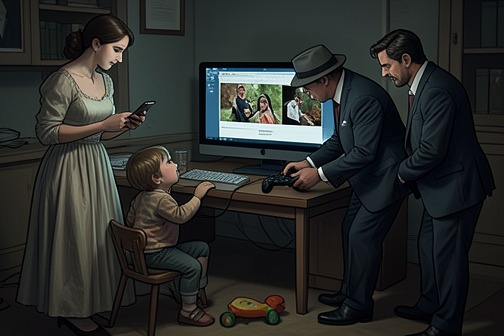
At [St Oswald’s House](entity:location-recall-location-st-oswald-s-house-f2703da24f2e), [Bridget Jones](entity:character-recall-character-bridget-jones-c493379992ab) arrived late to the Hard-Hat Celebration and Cruise Slideshow with [Billy Darcy](entity:character-recall-character-billy-darcy-c2cb08e474fe) and [Mabel Darcy](entity:character-recall-character-mabel-darcy-b091cbdecc17). The children became distressed over dropped chocolate hearts and missing the ceremony, while Bridget’s mother tried to manage the scene and Bridget’s phone filled with [Roxster](entity:character-recall-character-roxster-f897c9c61860)’s jokes about a barnacle’s enormous penis.
[Billy](entity:character-recall-character-billy-553a8daaf10e) accidentally took control of the slideshow computer while trying to retrieve a game password, exposing his mother’s email and disrupting the event. The mishap intensified the family chaos and left Bridget without the babysitting help she needed for her next date.
Late January 2013
The Screenplay Moves to Hawaii
[Greenlight Productions](entity:organization-recall-organization-greenlight-produ-bee93f55c5fa) asked [Bridget Jones](entity:character-recall-character-bridget-jones-c493379992ab) to adapt [The Leaves in His Hair](entity:object-recall-object-the-leaves-in-his-hair-c7f30d3dc726) for a Hawaiian yacht setting, a location left over from another production that had fallen through. The change threatened the original story’s bleak domestic atmosphere, but Bridget agreed to try to make it work.
She struggled with the rewrite while juggling childcare and growing concerns about [Head lice](entity:creature-recall-creature-head-lice-e17171614ba2) among her circle. The commercial reason for the change made clear that the producers’ interest was not solely in the themes she had written.
January 30 to February 1, 2013
The Decision to Sleep Together
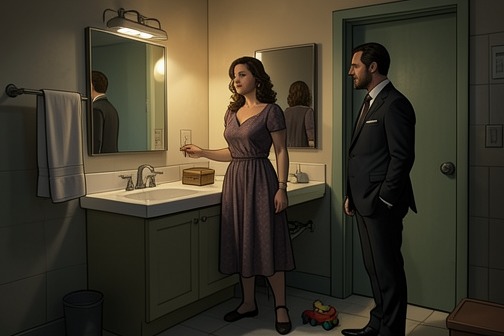
As [Bridget Jones](entity:character-recall-character-bridget-jones-c493379992ab) prepared for a second night with [Roxster](entity:character-recall-character-roxster-f897c9c61860), she debated whether sex would be too soon and sought advice from [Tom](entity:character-recall-character-tom-268ddde4835d) and [Talitha](entity:character-recall-character-talitha-ea1508c9d218). Talitha told her to trust her own readiness, keep safe, and use a condom; Bridget bought lingerie and had a wax while insisting she was not necessarily going to sleep with him.
She arranged for [Daniel Cleaver](entity:character-recall-character-daniel-cleaver-886066a8c7da) to take [Billy Darcy](entity:character-recall-character-billy-darcy-c2cb08e474fe) and [Mabel Darcy](entity:character-recall-character-mabel-darcy-b091cbdecc17) overnight. The preparations revealed how much emotional and practical weight Bridget had attached to the possibility of intimacy, even before she knew how the evening would unfold.
May 1, 2013
Roxster Meets the Children
[Roxster](entity:character-recall-character-roxster-f897c9c61860) came downstairs for breakfast with [Billy Darcy](entity:character-recall-character-billy-darcy-c2cb08e474fe) and [Mabel Darcy](entity:character-recall-character-mabel-darcy-b091cbdecc17) for the first time. Bridget attempted to cook sausages, but they caught fire and set off the smoke alarm; Roxster calmly dealt with the pan and found the alarm code.
The children accepted him easily, and Roxster reassured Bridget that the mishap was funny rather than a failure. His first glimpse of family life brought the relationship into a more serious territory, prompting Bridget to invite him to [Talitha](entity:character-recall-character-talitha-ea1508c9d218)’s birthday party.
May 1, 2013
The Birthday Invitation
[Bridget Jones](entity:character-recall-character-bridget-jones-c493379992ab) invited [Roxster](entity:character-recall-character-roxster-f897c9c61860) to [Talitha](entity:character-recall-character-talitha-ea1508c9d218)’s sixtieth birthday party, even though she knew it fell on his thirtieth. She worried that mentioning the age contrast would expose her own insecurity, then fretted that the invitation itself might make him feel trapped.
Roxster accepted warmly, saying the party would be a good way to celebrate his birthday, especially if the food was plentiful. His response temporarily quieted Bridget’s fear that their age difference would make their relationship impossible.
May 2013
The Script’s Uncertain Future
[Bridget Jones](entity:character-recall-character-bridget-jones-c493379992ab) continued trying to revise [The Leaves in His Hair](entity:object-recall-object-the-leaves-in-his-hair-c7f30d3dc726) for [Greenlight Productions](entity:organization-recall-organization-greenlight-produ-bee93f55c5fa) while struggling with the altered setting and shifting expectations. She met Ambergris Bilk, who praised the script and encouraged the project, but the development process remained unstable.
Bridget also grew preoccupied with clothing and professional appearance, repeatedly cycling through fashionable looks before returning to the [Navy Silk Dress](entity:object-recall-object-navy-silk-dress-f1021edd31f5). The effort to appear capable could not conceal how little control she had over the film’s direction.
May 24, 2013
Talitha’s Birthday Party
At [Talitha](entity:character-recall-character-talitha-ea1508c9d218)’s sixtieth birthday party, [Roxster](entity:character-recall-character-roxster-f897c9c61860) arrived on his thirtieth birthday and openly presented himself as [Bridget Jones](entity:character-recall-character-bridget-jones-c493379992ab)’s boyfriend. Their age difference unsettled Cosmo and [Woney](entity:character-recall-character-woney-1f5161d9d895), while [Tom](entity:character-recall-character-tom-268ddde4835d) happily announced Roxster’s age to the gathering.
When Talitha’s chihuahua Petula jumped out of Bridget’s arms and fell into the pool, Roxster dived in and rescued her. His dramatic, generous action made him the evening’s hero and intensified Bridget’s sense that their relationship had become both joyful and conspicuous.
May 25, 2013
Roxster’s Time-Machine Wish
After the party, [Roxster](entity:character-recall-character-roxster-f897c9c61860) told [Bridget Jones](entity:character-recall-character-bridget-jones-c493379992ab) that he wished he had a time machine. At first the declaration sounded like drunken affection, but the phrase stayed with her after the evening ended.
Bridget realized that the age difference mattered to Roxster, even amid their shared humour and physical closeness. The remark became an early sign that his happiness in the present might not resolve his uncertainty about a future together.
Early June 2013
A Life Overloaded
[Bridget Jones](entity:character-recall-character-bridget-jones-c493379992ab)’s calendar filled with school events, parties, work, childcare arrangements, and household jobs. When [Rebecca](entity:character-recall-character-rebecca-a2bff63b7d1a) arrived overwhelmed, the two women smoked and talked through the idea of declaring a State of Emergency, suspending the expectation that everything could be managed normally.
At the same time, [Roxster](entity:character-recall-character-roxster-f897c9c61860) admitted he was having a panic attack about what might happen next. Bridget feared that the planned country getaway could be cancelled, but the conversation exposed the different pressures each of them brought to the relationship.
June 6, 2013
The Getaway Nearly Falls Through
[Bridget Jones](entity:character-recall-character-bridget-jones-c493379992ab) learned that her screenplay work was in danger and that [Roxster](entity:character-recall-character-roxster-f897c9c61860) could not find accommodation for their planned trip. She searched urgently for a room, eventually finding one in a pub in [Oxfordshire](entity:location-recall-location-oxfordshire-02cd04fd8f7f): the Bridal Suite.
The joke about marrying in Oxford and needing a marriage certificate let them flirt around the seriousness they were avoiding. Roxster insisted that they should still take a full mini-break, and Bridget booked the room, relieved that the trip remained possible.
June 8 to 9, 2013
The Oxfordshire Mini-Break
[Bridget Jones](entity:character-recall-character-bridget-jones-c493379992ab) and [Roxster](entity:character-recall-character-roxster-f897c9c61860) spent a sunny weekend in the Bridal Suite beside a river in [Oxfordshire](entity:location-recall-location-oxfordshire-02cd04fd8f7f). They joked about being married, wandered to an old chapel, and enjoyed the intimacy of being away from the children and the routines of home.
The holiday was tender and comic, including an enormous meal, an embarrassing fart, and more sex. Bridget returned renewed, but their marriage jokes did not erase the underlying question of whether Roxster could accept the age gap and the family life that came with her.
June 12, 2013
Father’s Day Cards
On the drive home from school, [Billy Darcy](entity:character-recall-character-billy-darcy-c2cb08e474fe) and [Mabel Darcy](entity:character-recall-character-mabel-darcy-b091cbdecc17) told [Bridget Jones](entity:character-recall-character-bridget-jones-c493379992ab) that they had made [Father’s Day](entity:time-recall-time-father-s-day-8b8dad4d5ad1) cards. [Billy](entity:character-recall-character-billy-553a8daaf10e)’s drawing showed a father and son together, while [Mabel](entity:character-recall-character-mabel-a2367855b656)’s showed a family with both parents.
Bridget stopped the car and helped them find photographs of [Mark Darcy](entity:character-recall-character-mark-darcy-9f1a4da9dd8a). They talked about their father and posted the cards addressed to him in Heaven and Space, giving the children a small ritual for expressing a loss they still carried.
Night of June 12, 2013
Roxster Ends the Relationship
[Roxster](entity:character-recall-character-roxster-f897c9c61860) arrived late to [Bridget Jones](entity:character-recall-character-bridget-jones-c493379992ab)’s home after saying he had been delayed by a meal with colleagues. After they ate the chicken pie and drank wine, he told her that he loved her but could not see a future in the relationship because of their age difference, her children, and his uncertainty about becoming a father figure.
Bridget responded with forced cheerfulness, agreeing that he should find someone his own age and pretending they could easily remain friends. After he left, she cried alone rather than calling her friends for comfort.
June 13, 2013
The Sports Day Rant
Exhausted and heartbroken at Sports Day, [Bridget Jones](entity:character-recall-character-bridget-jones-c493379992ab) sent [Roxster](entity:character-recall-character-roxster-f897c9c61860) a stream of angry texts about his breakup, repeatedly invoking food and farting. She kept up a composed appearance among the other parents while privately venting her hurt.
[Mr Wallaker](entity:character-recall-character-mr-wallaker-fdb0ebc5ce8e) noticed her texting and made a sharp remark. When a starter pistol went off, his instinctive reaction suggested an unexplained history of danger, but he covered the moment with a comment about spoons. Bridget also met his wife, Sarah, whose remark about Bridget’s unaltered face deepened her anxiety about age and appearance.
June 18 to 21, 2013
The Botox Reaction
After Sarah’s comment at Sports Day, [Bridget Jones](entity:character-recall-character-bridget-jones-c493379992ab) sought Botox, hoping to soften the signs of ageing without looking artificial. The treatment initially seemed minor, but a few days later her mouth swelled and became partly paralysed, making speech difficult.
Bridget tried to hide the reaction from [Billy Darcy](entity:character-recall-character-billy-darcy-c2cb08e474fe) and [Mabel Darcy](entity:character-recall-character-mabel-darcy-b091cbdecc17) with a scarf, but the children noticed. [Mr Wallaker](entity:character-recall-character-mr-wallaker-fdb0ebc5ce8e) helped her manage the school pickup and reassured the children, while Bridget began to understand the cost of trying to perform a more youthful version of herself.
June 21, 2013
A Fire at Home
At home with her mouth still affected by Botox, [Bridget Jones](entity:character-recall-character-bridget-jones-c493379992ab) left spaghetti cooking until it caught fire. [Mabel Darcy](entity:character-recall-character-mabel-darcy-b091cbdecc17) calmly looked for the extinguisher, while [Billy Darcy](entity:character-recall-character-billy-darcy-c2cb08e474fe) poured water over the flames and put them out.
The children treated the mishap as an adventure, and the family ended the evening toasting marshmallows in the fireplace. Bridget’s fragile self-image gave way, briefly, to gratitude for the children’s resilience and their ordinary closeness.
June 22, 2013
Friends Rally Around Bridget
[Bridget Jones](entity:character-recall-character-bridget-jones-c493379992ab)’s friends gathered to help her get over [Roxster](entity:character-recall-character-roxster-f897c9c61860). [Talitha](entity:character-recall-character-talitha-ea1508c9d218) warned her not to restart the relationship, while [Tom](entity:character-recall-character-tom-268ddde4835d) tried to interpret Roxster’s mixed feelings and [Jude](entity:character-recall-character-jude-c859762b9a2d) pushed the idea of meeting someone new.
The advice overwhelmed Bridget, who broke down and insisted that she needed to be punished for neglecting the children. Her friends tucked her in with toys and a note of affection, but Jude also left her an [OkCupid](entity:organization-recall-organization-okcupid-d664e31bd824) login, nudging her back toward dating.
June 24 to 27, 2013
The Yawning Void
With [Roxster](entity:character-recall-character-roxster-f897c9c61860) gone, [Bridget Jones](entity:character-recall-character-bridget-jones-c493379992ab) felt the emptiness of losing their constant texts and private jokes. She deleted him from her contacts, then admitted that she still loved him and imagined sharp replies in case he came back.
She contacted [Andy](entity:character-recall-character-andy-1d26f3c164d3), only to learn that he was about to marry, and considered calling [Daniel Cleaver](entity:character-recall-character-daniel-cleaver-886066a8c7da) before hearing from him. The failed attempts at distraction made her recognize that she could not simply replace one relationship with another to escape grief and loneliness.
June 28, 2013
Daniel’s Hospitalization
After hearing that [Daniel Cleaver](entity:character-recall-character-daniel-cleaver-886066a8c7da) had been admitted to [St Catherine’s Hospital](entity:location-recall-location-st-catherine-s-hospi-a2d6f2f0355c), [Bridget Jones](entity:character-recall-character-bridget-jones-c493379992ab) visited him on the locked ward. [Daniel](entity:character-recall-character-daniel-ff434f340c88) explained that a binge had ended with him drinking Fairy Liquid after mistaking it for crème de menthe.
The absurdity of the story briefly restored their old friendship, but his addiction and vulnerability were unmistakable. A glamorous woman criticized Bridget and [Talitha](entity:character-recall-character-talitha-ea1508c9d218) for enabling him, while Talitha defended the long history of care she and Bridget shared with Daniel.
July 4, 2013
The Summer Concert
[Bridget Jones](entity:character-recall-character-bridget-jones-c493379992ab) took [Billy Darcy](entity:character-recall-character-billy-darcy-c2cb08e474fe) to his summer concert at [Capthorpe House](entity:location-recall-location-capthorpe-house-4c6c219a02cc), struggling under the weight of picnic supplies and the sadness of attending without [Mark Darcy](entity:character-recall-character-mark-darcy-9f1a4da9dd8a). [Mr Wallaker](entity:character-recall-character-mr-wallaker-fdb0ebc5ce8e) helped carry the bassoon and arranged for someone to bring the rest of her things.
[Billy](entity:character-recall-character-billy-553a8daaf10e) performed [“I’d Do Anything”](entity:expression-recall-expression-i-d-do-anything-87c953d948ec) with Mr Wallaker accompanying him at the piano. Bridget was moved by her son’s courage and pride, then watched the other families together by the lake and felt the loneliness of doing these milestones alone.
July 4, 2013
The Bushes and the Misread Kiss
After the concert, [Mr Wallaker](entity:character-recall-character-mr-wallaker-fdb0ebc5ce8e) found [Bridget Jones](entity:character-recall-character-bridget-jones-c493379992ab) crying in the bushes and tried to comfort her. The moment grew intimate, but Bridget rebuked him, believing he was married and accusing him of treating her as fair game because she was alone.
[Billy Darcy](entity:character-recall-character-billy-darcy-c2cb08e474fe) and his friends interrupted, and Nicolette appeared soon afterward. Mr Wallaker apologized and left, telling Bridget that other people’s lives were not always as perfect as they looked. She was left confused by his kindness and by her own reaction to him.
Summer 2013
The Wallaker Revelation
[Bridget Jones](entity:character-recall-character-bridget-jones-c493379992ab) told [Rebecca](entity:character-recall-character-rebecca-a2bff63b7d1a) about [Mr Wallaker](entity:character-recall-character-mr-wallaker-fdb0ebc5ce8e)’s apparent near-kiss and showed her a photograph from the concert. Rebecca recognized him as Scott, an old friend of her partner Jake, and revealed that he had served in the [Special Air Service](entity:organization-recall-organization-special-air-serv-8b3d70d3658f) and had returned from [Afghanistan](entity:location-recall-location-afghanistan-ea09a8d619a6) after traumatic experiences.
Rebecca also explained that Scott was divorced, not married, and that his former wife had been unfaithful. The news transformed Bridget’s understanding of the teacher’s guarded manner, but by the time it became public that he was single, he had stopped seeking her out.
November 29, 2013
The East Finchley Rescue
At a football match in [East Finchley](entity:location-recall-location-east-finchley-ac91a9905c35), an impatient father reversed his BMW into a support pole, bringing down a fence over the sunken playing court. [Billy Darcy](entity:character-recall-character-billy-darcy-c2cb08e474fe) and two other boys were trapped beneath the fallen metal, with the car hanging over them.
[Mr Wallaker](entity:character-recall-character-mr-wallaker-fdb0ebc5ce8e) jumped into the pit, organized the children, and held up the car while parents and teachers weighted its bonnet. The boys escaped before the vehicle crashed into the court. [Billy](entity:character-recall-character-billy-553a8daaf10e) and the others emerged unhurt, and Mr Wallaker’s decisive courage made him a hero to the children and their families.
November 29, 2013
After the Rescue
At the hospital, [Mr Wallaker](entity:character-recall-character-mr-wallaker-fdb0ebc5ce8e) brought food and explained the rescue to the boys, helping them understand their fear as an adventure they had survived together. He drove [Bridget Jones](entity:character-recall-character-bridget-jones-c493379992ab) and the children home, then comforted her as she finally broke down.
His kindness did not ask her to be self-sufficient. Bridget leaned on him, while he praised her as a good mother and father and joked gently about the mess on his shirt. Their connection now rested on trust as well as attraction.
December 11, 2013
The Carol Concert Recognition
At the school carol concert, [Bridget Jones](entity:character-recall-character-bridget-jones-c493379992ab) watched [Billy Darcy](entity:character-recall-character-billy-darcy-c2cb08e474fe) sing and was overwhelmed by memories of Christmases with her father and [Mark Darcy](entity:character-recall-character-mark-darcy-9f1a4da9dd8a). [Mr Wallaker](entity:character-recall-character-mr-wallaker-fdb0ebc5ce8e) looked directly at her as she cried, and his quiet recognition made her realize that she loved him.
After the service, he brought hot chocolate for [Mabel Darcy](entity:character-recall-character-mabel-darcy-b091cbdecc17) and gently joined in her joke about the chocolate-stained coat. When the children left for a sleepover, Mr Wallaker returned with [Billy](entity:character-recall-character-billy-553a8daaf10e)’s forgotten bassoon and invited Bridget to the pub.
December 11 to 12, 2013
Bridget and Scott Begin
At the pub, [Bridget Jones](entity:character-recall-character-bridget-jones-c493379992ab) and [Mr Wallaker](entity:character-recall-character-mr-wallaker-fdb0ebc5ce8e) talked about their romantic histories. He clarified that Miranda was his brother’s stepdaughter, not his girlfriend, and Bridget explained her relationship with [Roxster](entity:character-recall-character-roxster-f897c9c61860).
Mr Wallaker was about to say that he could not date someone else while in love, but a school mother interrupted. He then took Bridget home, kissed her, and brought her to his flat, where they began a passionate relationship. In the hours afterward, he spoke about the traumatic events in [Afghanistan](entity:location-recall-location-afghanistan-ea09a8d619a6), and Bridget held him as he trusted her with the story.
December 12, 2013
The Owl Returns
After [Bridget Jones](entity:character-recall-character-bridget-jones-c493379992ab) put [Billy Darcy](entity:character-recall-character-billy-darcy-c2cb08e474fe) and [Mabel Darcy](entity:character-recall-character-mabel-darcy-b091cbdecc17) to bed, [Mabel](entity:character-recall-character-mabel-a2367855b656) again said that the moon was following them and pointed out the barn owl in the garden. This time the owl spread its wings and flew into the winter darkness.
The image echoed the earlier night of grief, but now it belonged to a family beginning to feel less alone. The mystery remained, while Bridget’s life had changed around it.
By the end of 2013
A New Family
[Bridget Jones](entity:character-recall-character-bridget-jones-c493379992ab) and [Scott Wallaker](entity:character-recall-character-scott-wallaker-ff221f013c0e) chose not to marry, but brought their families together at a christening celebration at [Capthorpe House](entity:location-recall-location-capthorpe-house-4c6c219a02cc). Scott’s sons joined [Billy Darcy](entity:character-recall-character-billy-darcy-c2cb08e474fe) and [Mabel Darcy](entity:character-recall-character-mabel-darcy-b091cbdecc17), while friends and relatives contributed their usual mixture of affection, mishaps, and social chaos.
Bridget’s screenwriting career had stalled, but she had found a stable partnership and a larger household. The children gained a present father figure, Bridget felt cared for rather than isolated, and [Mark Darcy](entity:character-recall-character-mark-darcy-9f1a4da9dd8a) remained part of the family’s memory without preventing it from moving forward.