Attempted shooting of Daisy Luttrell
CurtainThe attempted shooting of Daisy Luttrell is a murder attempt Stephen Norton catalyses by manipulating George Luttrell, rather than committing violence himself. He draws on George’s accumulated humiliation and resentment, then shapes a seemingly accidental encounter around a rifle and a story of a fatal shooting. George fires at Daisy but misses; Hercule Poirot concludes that George’s instinctive aim reflected a desire not to kill her. The failed attack exposes both Norton’s method and its limits: he can drive another person to the brink, but George’s enduring love for his wife breaks the spell.
Background and Preparation
Norton’s influence on George had been building before the shooting. Poirot asks Arthur Hastings to remember the first evening of bridge, when Norton made remarks to George loudly enough that Colonel Luttrell might hear. The volume was deliberate: Norton meant the comments to reach George and repeatedly emphasized the humiliations that would weigh on him.
The pressure did not rest on one slight. George increasingly felt burdened and ashamed of how he appeared before other men, while resentment toward Daisy grew. Norton exploited that combination, knowing that George felt exposed as a host and believed others considered him too meek to resist bullying. The attempt therefore grew from a sustained campaign of suggestion and humiliation, not a sudden, isolated quarrel.
How the Attempt Was Set in Motion
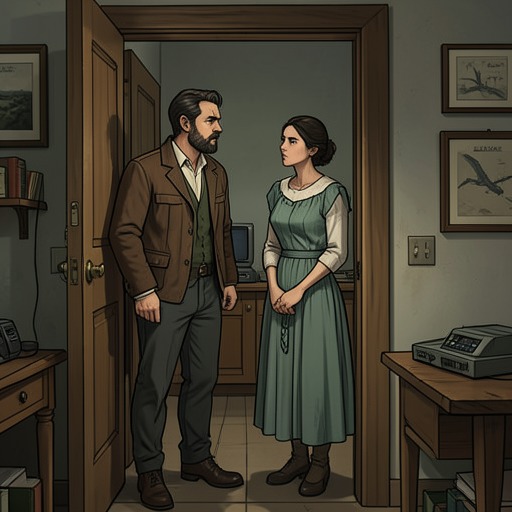
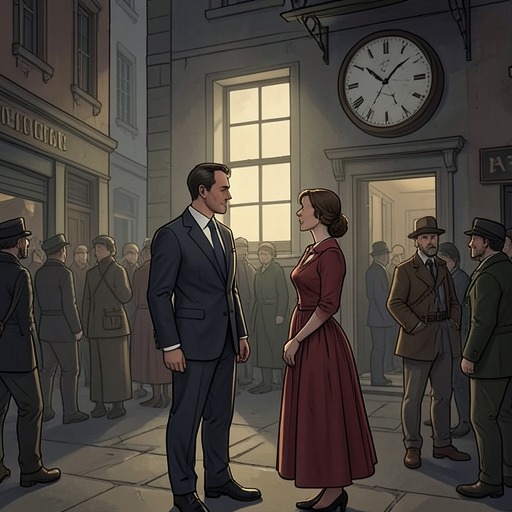
The immediate chain of events began when Norton said that he was thirsty. George responded as the generous host he was by nature and went to get drinks. The others were sitting outside the window. Daisy arrived while George was away, and a scene between the couple followed, within earshot of those present.
When George returned, the situation might have been smoothed over by someone tactful. Instead, Norton spoke clumsily and at length, ostensibly trying to underline tact but making the awkwardness worse. He brought up bridge, reinforcing George’s earlier humiliations, and then spoke aimlessly of shooting accidents. Sir William Boyd Carrington followed with a story about an Irish batman who had shot his brother. Norton had previously told that story to Boyd Carrington, expecting him to repeat it as his own when prompted. In Poirot’s reconstruction, the crucial suggestion did not come directly from Norton: he arranged for Boyd Carrington’s story to supply it.
The rifle and talk of accidents gave George a way to imagine violence as an accident and as a demonstration that he would no longer submit meekly. With Daisy’s appearance completing the scene, the accumulated pressure reached a breaking point. George fired at her, but did not hit her.
Failure and Consequences
Poirot distinguishes the act of firing from a settled intention to kill. He believes George instinctively missed because, even as he fired, he wanted to miss. Afterward, the destructive influence lifted: George remembered that Daisy was his wife, the woman he loved despite their difficulties. The attempted shooting ended without her being killed, and George’s love for her reasserted itself once the immediate pressure had passed.
Poirot calls the episode one of Norton’s crimes that did not quite come off. That description places the failed attack within Norton’s broader pattern of using another person’s weaknesses to provoke violence. It also marks a limit to that method: Norton can prepare circumstances and intensify resentment, but the outcome is not entirely under his control. In George’s case, the impulse to act gave way to the attachment Norton’s manipulation could not erase.