Château de Madame de Bressac
JustineThe Château de Madame de Bressac is the Marquise’s country residence and the setting of a sharp reversal in Therese’s fortunes. Brought there by the Count as a prospective second chambermaid, Therese initially finds a household whose wealth and the Marquise’s protection seem to promise safety. The château soon becomes the center of the Count’s attempt to secure his aunt’s inheritance and of the retaliation he directs at Therese when she opposes him. The house therefore marks not a lasting refuge but the point where shelter, family power, and danger converge.
Setting and Household
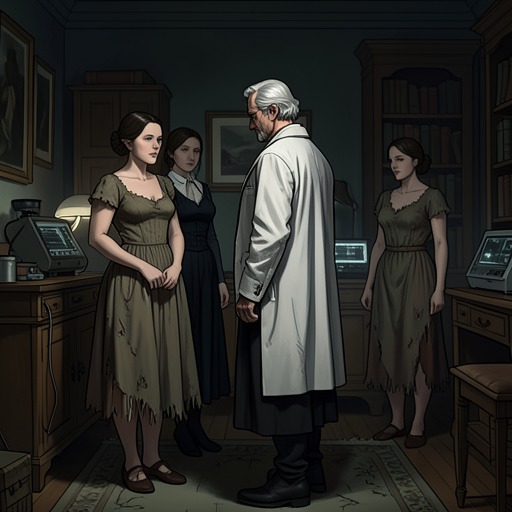
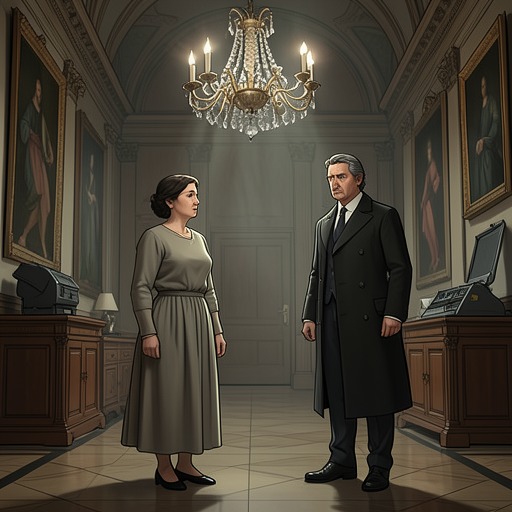
After the Count has threatened Therese at a secluded place near the château, he brings her to his aunt’s residence. Its magnificence and numerous servants make the post appear better than the menial work Therese has previously faced. While she waits in an office, the Count speaks privately with his aunt; he later introduces Therese to the Marquise, who is forty-six, still beautiful, and presented as respectable and sensible, though somewhat austere.
The Marquise lives three months of the year in the country and spends the remainder in Paris. Those country months are also a constraint on her nephew: she expects him to stay with her, while he dislikes time away from the city and its pleasures. The château is thus both the Marquise’s home and a place where the Count experiences the limits imposed by dependence on her.
Therese’s Appointment and the Promise of Protection
The Count asks Therese to explain her circumstances to the Marquise. Her account of the charges brought against her persuades the older woman that she is candid. The Marquise says she will verify Therese’s identity and, if the account is confirmed, take an interest in her because she knew Therese’s father. She also promises to address the unresolved case involving Monsieur du Harpin by consulting the Chancellor, whom she describes as a longtime friend, and to seek the withdrawal of the charges if Therese’s innocence can be established.
The Marquise makes this protection conditional on Therese’s good conduct, framing gratitude as an obligation that will also serve Therese’s interests. She appoints her as a second chambermaid. Information from Paris arrives three days later and confirms the account Therese had given; the Marquise praises her honesty. For a time, the château seems to offer the stable position and legal support that Therese has lacked. That hope rests, however, on the Marquise’s ability to protect her and on a household whose future is bound to the Count’s inheritance.
Inheritance Conflict and the Interrupted Appeal
The Count’s dependence on his aunt is financial as well as domestic. His father’s legacy provides little beyond the means for his pleasures, while the Marquise gives him a substantial allowance. Her revenue is fifty thousand crowns, and the Count is her sole heir. He resents the time he must spend with her, yet the prospect of inheriting her property gives him an overriding interest in her fate.
When Therese learns that he intends to harm the Marquise, she and his aunt arrange to seek outside intervention. A dog given a small dose of the poison dies after a short interval, convincing the Marquise that the threat is real. She sends a courier to the Duc de Sonzeval with instructions to seek a lettre de cachet and bring help. The Count becomes suspicious, intercepts the courier, reads the dispatches, pays him one hundred louis, and ensures that he will not return to the Marquise. The château’s internal conflict has now defeated the appeal for protection before it can reach its intended authority.
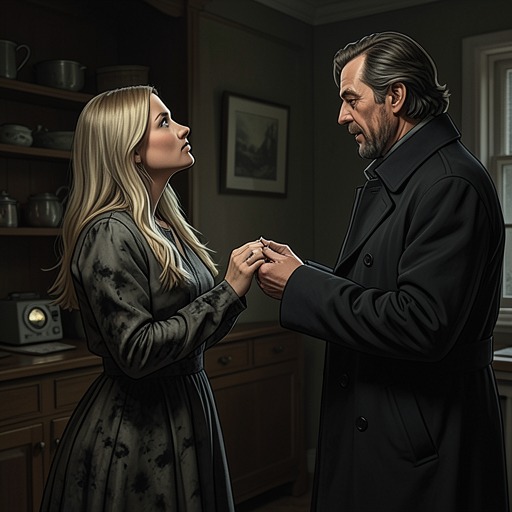
The Count conceals his suspicions and asks Therese to meet him for a walk, saying he will explain a revised plan. He leads her toward the same four trees where he had earlier threatened her. At the site, ropes and mastiffs have been prepared, and one of his favorites is present. The return to this place links the château’s domestic intrigue to the threat that accompanied Therese’s arrival: the Count’s apparent offer of employment never erased his power to punish her.
Violence, Death, and the Failure of Refuge
The Count accuses Therese of betraying him to the Marquise and argues that she should have refused to disclose the plot. He tells her that she risked her own life without saving his aunt, and presents complicity as safer than informing. He then has her punished and leaves her gravely wounded. Before sending her away, he reveals that the warrant for her arrest remains active and that the case against her is still open. He also intends to make her appear responsible for the Marquise’s death, warning that he will use his wealth and influence against her if she returns to either his town or country houses.
Therese later learns through a messenger that the Marquise fell seriously ill on the day she left the château and died the next morning. The Count presents himself as grieving and accuses a chambermaid who has fled. The family’s inquiries do not undo his advantage: the Count inherits more than he had expected, including property from the Marquise’s strongbox, pocketbook, and jewels, worth over six hundred thousand francs in cash and goods. Relatives leave him in possession of the inheritance, while Therese is named as the missing culprit. The château’s promise of justice and security has collapsed into a story that serves the heir.
Narrative Significance
The château is introduced through Therese’s first-person testimony to Madame de Lorsange and Monsieur de Corville. Its events therefore reach the reader as recalled evidence, not as an independently witnessed scene. The account includes the Marquise’s planned appeal, the intercepted message, and the Count’s later explanation of the arrest warrant; these details show how private testimony and documentary intervention repeatedly fail to secure Therese’s safety.
The residence’s significance lies in the contrast between its visible order and the unchecked power operating within it. Its servants, wealth, and respectable mistress first make it seem like a place of protection. Yet the Count’s control of access, messages, and the inheritance turns the household into an instrument of concealment and accusation. Therese’s brief appointment does not resolve her vulnerability; after the Marquise’s death, the château becomes the source of a further charge against her and of the Count’s newly strengthened power.