Monastery of Saint Mary-in-the-Wood
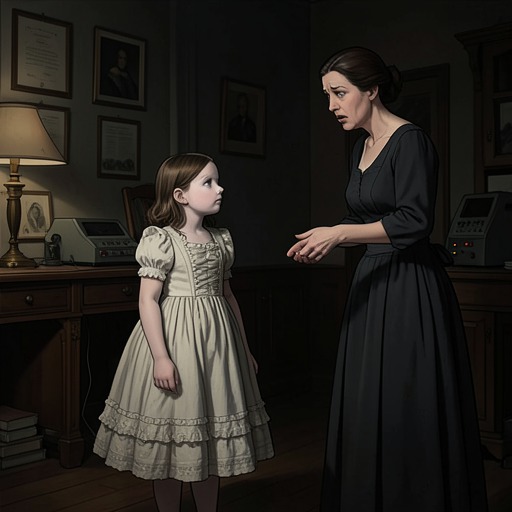
JustineMonastery of Saint Mary-in-the-Wood is the secluded institution where Therese is imprisoned and secretly prepares her escape. Its layered barriers and hidden spaces reveal that the confinement extends beyond the women she knows, turning the monastery’s isolation into a means of concealing its crimes.
Setting and Seclusion
During Therese’s captivity, the monastery is presented as a place difficult to leave unnoticed. She spends two months preparing to escape, gradually sawing through the bars at her window with a dull pair of scissors. Sheets and linen become a rope long enough to descend the building’s twenty or twenty-five feet, while her small store of money—about six louis—remains carefully hidden until she can take it with her.
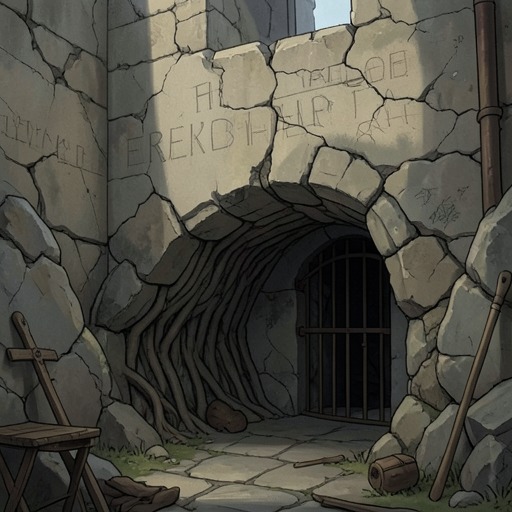
The grounds are surrounded by six enclosures of stone and trees. The narrow spaces between successive barriers are only about eight feet wide, and dense trees make the arrangement appear, at a glance, to be no more than a wooded area. The construction turns the grounds into a series of concealed rings: from the inside, a prisoner must negotiate each barrier rather than simply reach an open boundary.
Escape and Hidden Victims
Therese chooses to escape on the day another girl is sentenced, expecting the monks to be distracted. After lowering herself from her window, she searches the grounds for a way through. Passing a brightly lit basement window, she sees her companion lying on a table and realizes that the girl is in danger. She also sees four naked girls whom she does not recognize, evidence that other captives are being held in the monastery beyond the group known to her.
Unable to find an opening in the palisade, Therese cuts through a hedge with a long knife. On entering the next enclosure, she finds soft ground and then touches a corpse in the darkness. The neglected body indicates that the grounds also conceal a burial place for victims. The discovery interrupts escape with a stark recognition of the fate the institution may hold for its prisoners; Therese nevertheless continues through the grounds.
Captivity and Exposure
The monastery’s role in Therese’s history remains part of her testimony after she escapes. Years later, while she is imprisoned elsewhere, a captor questions her about what was done to her at Saint Mary-in-the-Wood. Her account is drawn out in circumstances of abuse, showing how the monastery’s history continues to shape the treatment inflicted on her beyond its walls.
The institution’s crimes are not publicly exposed during Therese’s escape. At the close of her story, however, the narrative states that suppression of the religious orders will bring the atrocities of the monastery’s community to light. The promised exposure contrasts with the secrecy maintained by its enclosed grounds and links the monastery’s apparent religious standing to the concealment of wrongdoing.
Narrative Significance
The monastery is both a physical setting and an instrument of concealment. Its concentric barriers, hidden basement, and burial ground progressively disclose a world of captivity larger than Therese had known. Her escape therefore does more than carry her beyond the walls: it gives her glimpses of victims and evidence that the institution’s abuses are systematic and hidden from outsiders.
Its place in the novel also sharpens the contrast between religious appearance and criminal practice. The institution’s seclusion protects its inhabitants from scrutiny, while Therese’s later testimony and the anticipated suppression of the religious orders suggest the possibility of exposure. That disclosure remains a future prospect rather than a justice Therese herself witnesses.