Conflict Between the Memory of the Dead and New Love
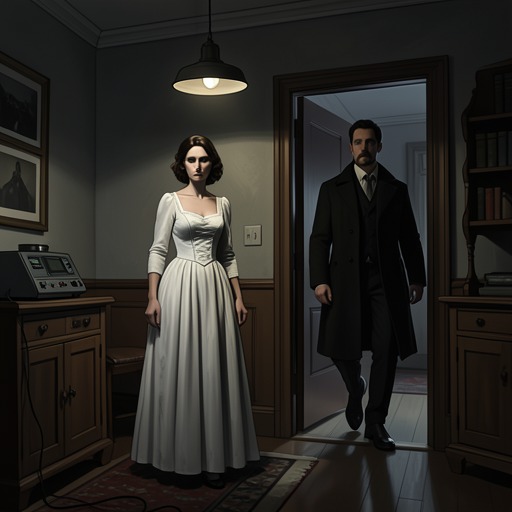
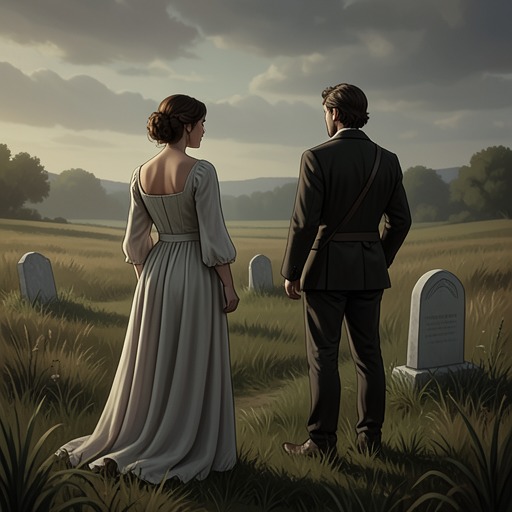
LeilaThe conflict between the memory of the dead and new love is not a simple contest between past and future. Andrea Trento’s memory remains a living presence in Lelia’s bond with Marcello Trento, while Benedetto’s memory enters Massimo Alberti’s uncertain love for Lelia as both blessing and impediment. The dead shape what the living feel entitled to desire: Marcello imagines Andrea’s approval, Don Aurelio invokes Benedetto’s hopes, and Lelia’s own responses show how easily affection can be mistaken for consent.
The Dead Within the Living
The conflict takes form at La Montanina, where Massimo and Lelia have shared only ten days of life under one roof. Massimo’s attachment has grown through brief, indirect contacts and moments of recognition, despite Lelia’s reserve. He feels that he is becoming absorbed in her, and reads the encouragement offered by Marcello and Donna Fedele as a possible sign that they hope he will take Andrea’s place. The thought brings him no simple assurance: he is unsure whether Marcello intends to encourage a match, and Lelia’s failure to look at or speak to him at dinner leaves him painfully exposed.
That emerging love is accompanied by a specifically moral unease. Massimo has at first felt remorse at the thought of loving Lelia because of her history with Andrea. The hints from Marcello and Donna Fedele gradually soften that restraint, but do not erase his uncertainty about the dead man’s place in the proposed future. When Don Aurelio lays a hand on his shoulder, Massimo takes the gesture as a warning, then admits that he has given himself away. The scene makes his love visible before it makes it secure: his emotional disclosure precedes any assurance from Lelia.
Andrea’s Memory and Marcello’s Hope
Marcello’s own grief makes the conflict part of the household’s history, not merely Massimo’s private anxiety. Lelia has been brought into his home as a living remembrance of his dead son, and Don Aurelio knows that she has challenged the idea that apparently generous acts are motivated by anything other than egoism. Her argument wounds him because it seems indirectly to impugn Marcello’s act of keeping Andrea’s memory close. Donna Fedele, by contrast, understands Lelia’s skepticism through the painful circumstances in which she grew up and sees feeling and intelligence in what Don Aurelio finds troubling.
Marcello eventually explains that he had considered the possibility of arranging Lelia’s future with Massimo, partly because he thought Andrea would have been pleased. But he also says that if remaining as she is does not amount to a sacrifice for her, he is glad. This qualification matters: Marcello’s hope is real, yet he does not present it as a duty Lelia owes to Andrea or to him. When he asks whether she has thought of Andrea, she answers yes. Her answer is tender but not a declaration of love for Massimo; Marcello’s blessing responds to the affectionate act she has just shown him, while his hope that Andrea’s memory might move her remains only a hope.
Benedetto as Blessing and Barrier
Benedetto’s memory plays a different, equally active role. Don Aurelio tells Massimo that he has prayed for him to receive a great and holy love, and connects that love to a future Christian family. He presents this hope as Benedetto’s dream for Massimo as well as his own. For Massimo, the news brings a sudden image of Benedetto’s emaciated face, first alive in memory and then supine and lifeless. The imagined approval moves him to tears held back in silence. The dead teacher is thus made an intimate witness to a new possibility, but the vision also restores the force of loss.
For Lelia, however, Benedetto’s memory initially repels. Massimo says that he thinks some part of her is attracted to him and some part pushed away, and identifies Benedetto as the reason for the resistance. She has called Benedetto a heretic and has repeatedly avoided hearing Massimo defend him. The same absent man therefore means opposite things to the two prospective lovers: Benedetto’s remembered affection for Massimo authorizes hope, while Lelia’s judgment of his religious position makes the memory a point of distrust. Their disagreement cannot be reduced to whether she will accept a new love; it also concerns the religious legacy that Massimo carries with him.
That legacy is complicated by Massimo’s own crisis of faith. In a letter to Donna Fedele, he traces his earlier certainty to his devotion to Benedetto and describes how accusations against his teacher, hostility toward his disciples, and the pressures of religious controversy have unsettled his belief. He fears that the Roman Catholic Church may be a historical form from which a later religious form will emerge, and wonders whether he is meant to preach such a change. He is also troubled that he might speak at Benedetto’s burial while doubting the Church to which Benedetto remained obedient. The memory that blesses Massimo’s hope for love is therefore bound to a religious inheritance he can no longer receive without doubt.
Love, Flight, and Unsettled Inheritances
The tension between retreat and attachment appears even before Massimo’s love becomes explicit. Leaving Milan, he savors escape from the hostility of both free-thinking critics and religious opponents, and feels again the temptation to withdraw from religious work in order to live for beauty, love, joy, and pleasure. The narration qualifies these thoughts as bitter release rather than a genuine decision. His desire for a private life and his religious vocation are already entangled; the possibility of loving Lelia intensifies, rather than resolves, that entanglement.
Meanwhile, Lelia’s practical circumstances make the question of her future more than a matter of sentiment. After Marcello’s death, the will makes her his universal heir and leaves Teresina a daily allowance of five lire. A telegram from Girolamo da Camin announces that he is Lelia’s father and will arrive that evening; the agent’s letter records that Lelia is twenty and a few months old, though Marcello had believed her older. Her father’s later visit to Donna Fedele exposes a further divide between the language of paternal care and financial self-interest: he hopes to secure access to the estate and to obtain generous support once Lelia reaches majority. She receives him rigidly, accepts the money he offers without warmth, and remains unwilling to treat his return as a restoration of family intimacy.
After Lelia escapes to Valsolda, Donna Fedele and Massimo agree that she cannot stay there. Massimo hopes to obtain a position as a local doctor, but recognizes the need for Lelia to leave with Donna Fedele. Lelia resists returning to Velo and hopes to remain near the peace she has found; Donna Fedele instead arranges, subject to a doctor’s approval, to take her to Turin and leave her with a cousin at Santhià. The plan acknowledges both Lelia’s dependence and the limits of Donna Fedele’s self-appointed maternal authority. It creates a safe next step, not a final answer about where Lelia belongs or whom she will choose.
Memory as an Ethical Test
At Benedetto’s burial, Don Aurelio publicly distinguishes the dead man’s religious work from the theological disputes that surrounded him. He describes Benedetto as faithful to the Roman Catholic Church and the Holy See, and says that Benedetto wants forgiveness for those who condemned or insulted him without authority to judge. Don Aurelio’s appeal to withhold judgment and pray for all turns memory into an ethical obligation rather than a weapon for settling disputes. Benedetto’s legacy can guide the living, but it also asks them to recognize the limits of their knowledge of one another.
That principle illuminates the love plot without resolving it. Andrea’s memory cannot simply be set aside, Benedetto’s approval cannot substitute for Lelia’s consent, and Marcello’s affectionate intentions do not erase the uncertainty of her response. The novel places the possibility of new love among unresolved grief, religious disagreement, and practical dependence. Its central tension lies in how the living may honor the dead without making the dead decide their future for them.