New Hope
Mickey7New Hope was a colony world whose civil war turned a dispute over the treatment of native life into a catastrophe, wrecking vital infrastructure and driving a group of younger-generation survivors into flight. Its history reaches beyond the planet: refugees carried the consequences of its collapse to Midgard, where they were met with suspicion and exclusion, and where Nasha’s family began its life as immigrants.
Colony and Civil War
New Hope’s colony failed about twenty-five years after its beachhead was established. The decisive cause was a short, brutal civil war between the remaining original colonists and the first generation born on the planet. The fighting wrecked much of the infrastructure both groups still depended on to survive in a semi-hostile environment; the account gives no further description of the planet itself or of the war’s military course.
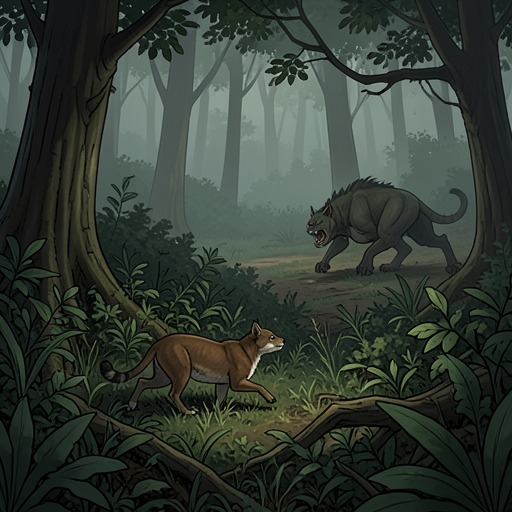
The conflict’s stated casus belli was whether a native corvid-like avian species was sentient and therefore deserving of protection, or suitable to be hunted and eaten. The dispute was consequential enough to divide the colony, but its framing also unsettles the conventional explanations Mickey Barnes had assumed: the familiar categories of race, religion, resources, and political philosophy did not capture this particular fault line. In the history he reads, the question of how the colonists regarded native life was not peripheral to the colony’s survival; it became the stated cause of a war that destroyed the infrastructure they needed.
The Refugee Flight
A group of refugees from the younger cohort escaped the collapsing settlement by reaching the original colony ship, which remained mostly in orbit. To make the journey possible, they stripped it down for a five-year hop to Midgard. They removed the embryos, terraforming equipment, and Agriculture Section, retaining only life support, a biological recycler, and a minimum of feedstock. They also cut away most of the remaining living space.
The stripped vessel massed less than ten percent of the Drakkar’s mass at departure. Its residual fuel, supplemented by antimatter scavenged from New Hope’s wrecked power plant, was just sufficient to carry the refugees across the gap to Midgard. Their escape thus depended on taking apart the ship’s capacity for a fuller colonial mission and preserving only what could sustain a small group in transit.
Arrival on Midgard
The survivors reached Midgard aboard the Lost Hope, the refugee ship that carried Nasha’s parents there thirty years before the events she recounts. New Hope had been Midgard’s nearest neighbor until its inhabitants killed one another, making the refugees’ arrival the human aftermath of a neighboring colony’s collapse. Their reception was markedly less than welcoming.
On Midgard, the refugees’ accents and the darker skin of most of their community marked them as outsiders. Anonymous feed articles suggested they carried the madness that had engulfed New Hope and might bring the same disaster into Midgard’s social and political life. Although the government provided basic stipends and housing, refugees struggled to find meaningful work. A protest that began as a sit-in became a minor riot, and afterward their children had difficulty gaining admission to general schools. New Hope’s conflict therefore continued to shape lives after the survivors had left the planet: its refugees faced suspicion not only as newcomers but as people associated with a catastrophe others feared might recur.
Memory and Significance
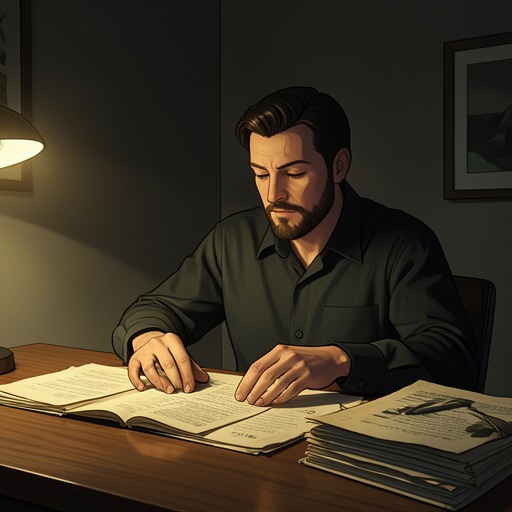
Nasha’s parents’ journey gives New Hope a personal connection to the colony on Niflheim. While dating there, Nasha told Mickey Barnes about her family’s migration from New Hope to Midgard; later, Mickey read an archival account of the civil war and recognized that the history was more complicated than the version he had absorbed at school. The movement from family story to archival detail revises his understanding without offering an easy lesson about how the conflict might have been prevented.
New Hope also appears in the book’s wider record of failed colonies. Mickey reflects on the danger of a settlement’s crisis spiraling beyond control, while the war’s disputed treatment of a native species recalls the risks of failing to recognize or respect life already present on a colony world. The evidence does not establish that New Hope’s war was caused by contact with that species beyond the stated dispute, nor does it provide a complete account of the fighting; its lasting significance lies in the destruction, flight, and inherited stigma that the known facts trace from the planet to Midgard.