Crown Hotel
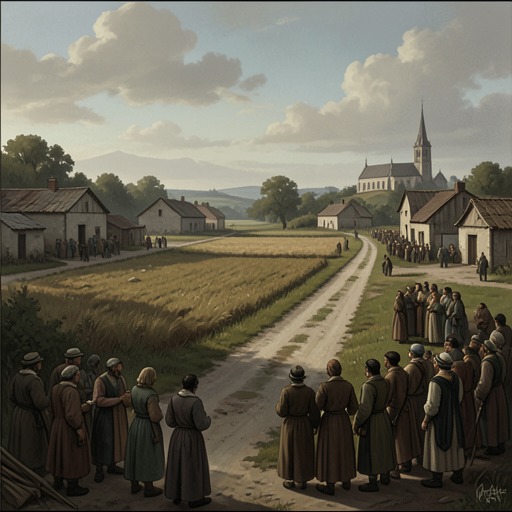
ShrineThe Crown Hotel is a Banfield hotel whose changing fortunes mirror the village’s transformation after the reported cures at St. Joseph’s Church. Initially described as a busy summer base for visitors exploring the Sussex countryside and the south-coast resorts, it becomes a venue for private discussions among local promoters, church officials, and journalist Gerry Fenn as attention on Banfield grows.
Setting and Local Economy
The hotel’s business depends on seasonal visitors, but its guests usually treat Banfield as a starting point for trips elsewhere. Its proprietor, George Southworth, tells Fenn that this arrangement brings little benefit to the village. He and Rodney Tucker are interested in investing locally, but want the prospect of a reasonable return; Southworth also notes that other Banfield businessmen are seeking worthwhile investments. The Crown therefore stands at the intersection of the village’s economic stagnation and its hopes for development.
Southworth links increased tourist appeal to a broader plan for Banfield: developing available land, expanding the village, and potentially making it a town. Fenn recognizes the private financial interests behind this vision even as Southworth presents the alleged miracle as an opportunity for communal renewal. Southworth asks him to write further about what he expects will become known as the Banfield Miracle, seeking publicity that could draw attention and visitors to the area.
A Venue for Negotiation
As the alleged cures attract international coverage, the Crown’s business increases. Southworth sees the hotel’s activity as a sign of the coming months, while the village fills with journalists from the press, television, and magazines. The hotel’s change in fortunes offers a concrete measure of how quickly the miracle story alters Banfield’s economic prospects.
Southworth invites Fenn to dinner at the hotel, recalling their earlier conversation about whether the story would fade. The gathering takes place in a private first-floor banqueting room, separated from the public restaurant and bar. Choosing a private room keeps the discussion apart from the hotel’s other guests, who are mainly visiting journalists that week. At the dinner, Southworth raises the need for an organized publicity effort to manage outside commercial interest in the developing pilgrimage.
Publicity and Private Space
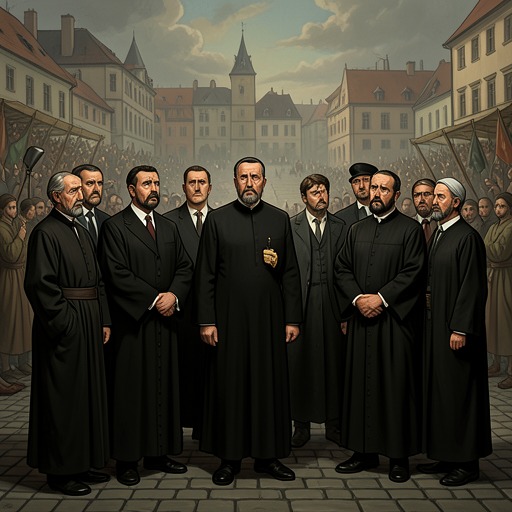
The hotel’s rooms accommodate both ordinary hospitality and the negotiations prompted by Banfield’s sudden fame. The private dinner brings Fenn together with church figures including Bishop Caines and Father Andrew Hagan, while Southworth seeks cooperation between local interests and the Church. The gathering makes the Crown more than a backdrop: it is a working space where competing concerns about publicity, religious dignity, and commercial opportunity are brought into the same conversation.
The contrast between the private banquet room and the public restaurant and bar also reflects the pressures gathering around the town. Outside, visiting journalists and prospective pilgrims contribute to the hotel’s bustle; inside, Southworth tries to shape how the coming attention will be handled. During the meal, Fenn notices Father Andrew Hagan’s apparent ill health, registering the strain borne by the priest amid the growing demands of the miracle story.
Narrative Significance
The Crown Hotel connects Banfield’s local economy to the expanding pilgrimage business. Its initially limited benefit to the village contrasts with the later influx of media visitors and the expectation that the alleged cures will attract still more people. The hotel’s growing activity is both an outcome of publicity and evidence used by Southworth to imagine a more prosperous future for Banfield.
That promise remains entangled with self-interest. Southworth speaks sincerely about religious renewal, yet acknowledges that revitalization could also benefit local businesses; Tucker is more openly focused on investment. Through the Crown’s ordinary functions—as lodging for visitors and a venue for a carefully arranged dinner—the novel shows how spiritual claims become inseparable from tourism, publicity, and local economic ambition.