Manhattan Beach
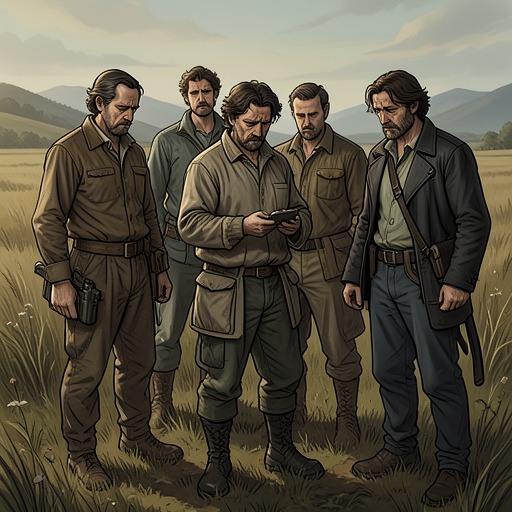
StrikeManhattan Beach is both a refuge and a turning point for Tucker and his three companions, Tori Sleeper, Kent Berringer, and Olivia Kinsey. Its shore gives them a place to speak openly about the lives and future they cannot safely disclose elsewhere; later, a conversation there transforms their private knowledge into a decision to intervene. The beach’s significance lies in that change: it is where the four move from remembering what has already happened to considering what they might still prevent.
A Private Place to Speak
The group usually meets at Manhattan Beach on weekends, away from other people’s hearing. In Tucker’s account, the beach is where the four can set aside the caution required in everyday life and talk about their true pasts and the people they care about. Those conversations ease the pressure of concealing who they are and help Tucker keep his sanity. The shore is not merely a scenic backdrop; its privacy makes the group’s honesty possible.
That privacy matters because knowledge of the future governs what the four can say in public. They cannot freely tell people what is coming without risking disbelief or other consequences, and they must allow history to unfold rather than openly warning those around them. At the beach, they can talk about the past they share without that same restraint. Manhattan Beach thus provides a limited but vital freedom: not freedom from their circumstances, but a place where they can acknowledge them to one another.
From Recollection to the Future
At first, the weekend conversations revisit the group’s histories and the people each member has left behind or holds dear. As those accounts are told and retold, the subject shifts. The four talk less about the past they know and more about a future that has not yet been written. This change in conversation makes Manhattan Beach a meeting place for both memory and possibility: the group’s shared history gives them the knowledge to recognize danger, while their attention turns toward what they might do with it.
The shift becomes urgent on a warm day when the four sit on a blanket beside the surf. Tori Sleeper says that history is repeating itself. Kent Berringer questions whether repetition is not precisely the point, but Tori argues that the world is moving toward the disaster that produced Olivia Kinsey’s twenty-fourth-century world. Only a handful of people know what is coming, she observes, and those people are acting as though they do not; she is not even sure they truly believe the travelers came from the future. The beach conversation gives the group’s general concern a specific shape: the future they escaped may be forming again around them.
A Decision to Intervene
Tori’s warning is not an argument that the earlier killers were justified. She says they became killers because of what they received and were desperate, and fears that the same chain of events will happen again. Kent counters that going public would not solve the problem: the Army could deny knowing the group and treat them as delusional, while their testimony might make no difference to people who would act as they chose. Their exchange sets two limits against each other—the danger of doing nothing and the apparent futility of simply revealing what they know.
Tucker answers with a different course. Rather than tell people what is coming, he proposes changing them. When Tori asks what he wants to do, Tucker smiles and says, “I want to cheat.” The remark names the group’s willingness to depart from merely watching events unfold, though the passage does not yet detail the plan itself. Tucker has been forming it for months, considering possible scenarios and pitfalls; when he presents it, the others quickly accept his vision, including Kent. Their reasons for agreeing differ, but they agree to act together. The beach is therefore the setting not just for recognition of a repeated disaster, but for a collective commitment to alter its conditions.
Narrative Significance
Manhattan Beach links the four’s recurring private conversations to a decisive new objective. The group’s earlier meetings helped them endure the strain of living among people to whom they could not tell the truth; this gathering converts that intimacy into resolve. Tori’s warning, Kent’s skepticism, and Tucker’s proposal remain distinct contributions, and the decision emerges through their disagreement rather than through a solitary revelation.
The scene ends by enlarging the stakes beyond the four travelers’ survival. They have saved the world once, Tucker says, and intend to try again. In that closing resolve, the beach’s role becomes clear: it is the quiet place where the past can be spoken, the threatened future can be recognized, and a plan to change that future can begin.