
The Theme of Mercy
The Master and MargaritaMercy is a key virtue in the novel, shown through the forgiveness of Pilate, the reward of the Master and Margarita, and the sparing of Bengalsky.
increasing Bearing strength in each event
 decreasing
Bearing strength in each eventdecreasingThe Plea for Mercy
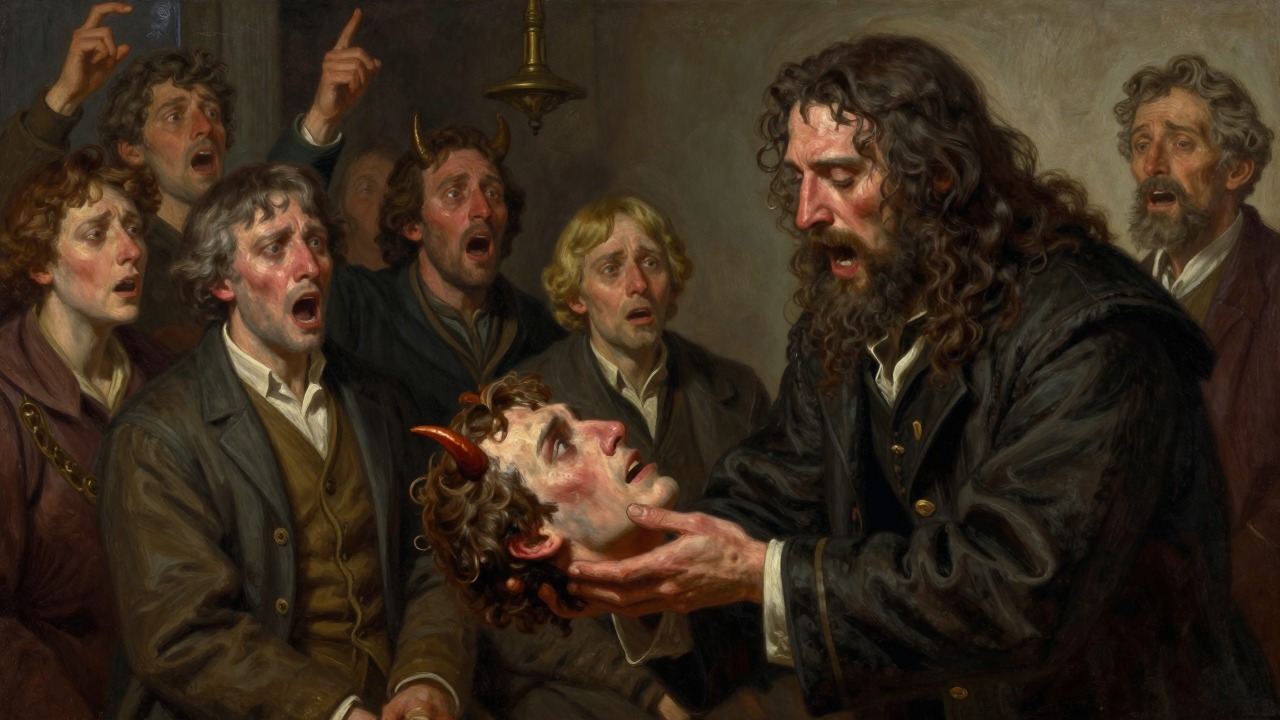
The Begging Head
The Punishment
Georges Bengalsky's head is torn off for his lies. The audience cries out for mercy, and Woland orders the head to be put back.
The Lesson
Despite the cruelty, mercy is shown. Bengalsky is restored, though he is traumatized. The act shows that even the devil can be merciful.
The Choice
Woland says that people are ordinary, and mercy sometimes knocks at their hearts. The novel suggests that mercy is a human quality that can be found even in the midst of chaos.
Margarita's Compassion
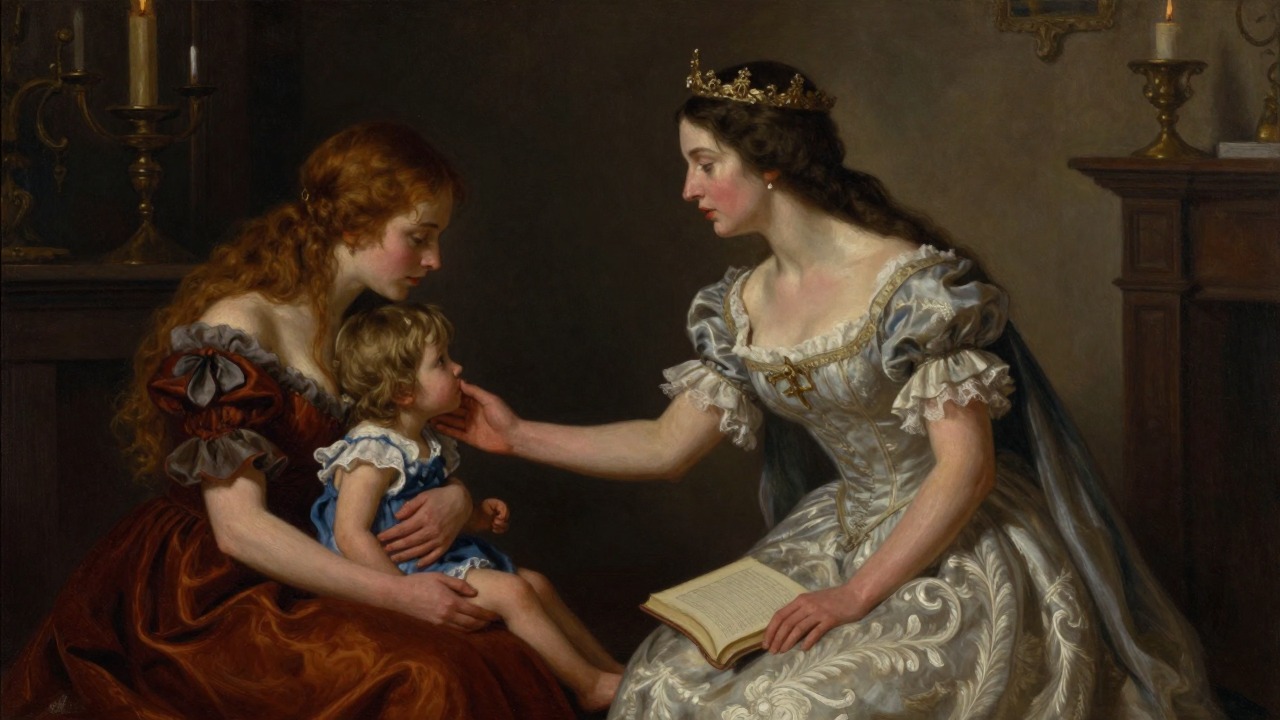
The Compassionate Queen
The Suffering Guests
At the ball, Margarita meets a woman who killed her child. She feels pity and helps her. She shows mercy to the damned.
The Reward
Because of her compassion, Woland grants her wish to restore the Master. Mercy is rewarded.
The Symbol
Margarita's mercy is a key to her redemption. She is not a saint, but she has a kind heart. The novel values mercy over judgment.
The Ultimate Mercy
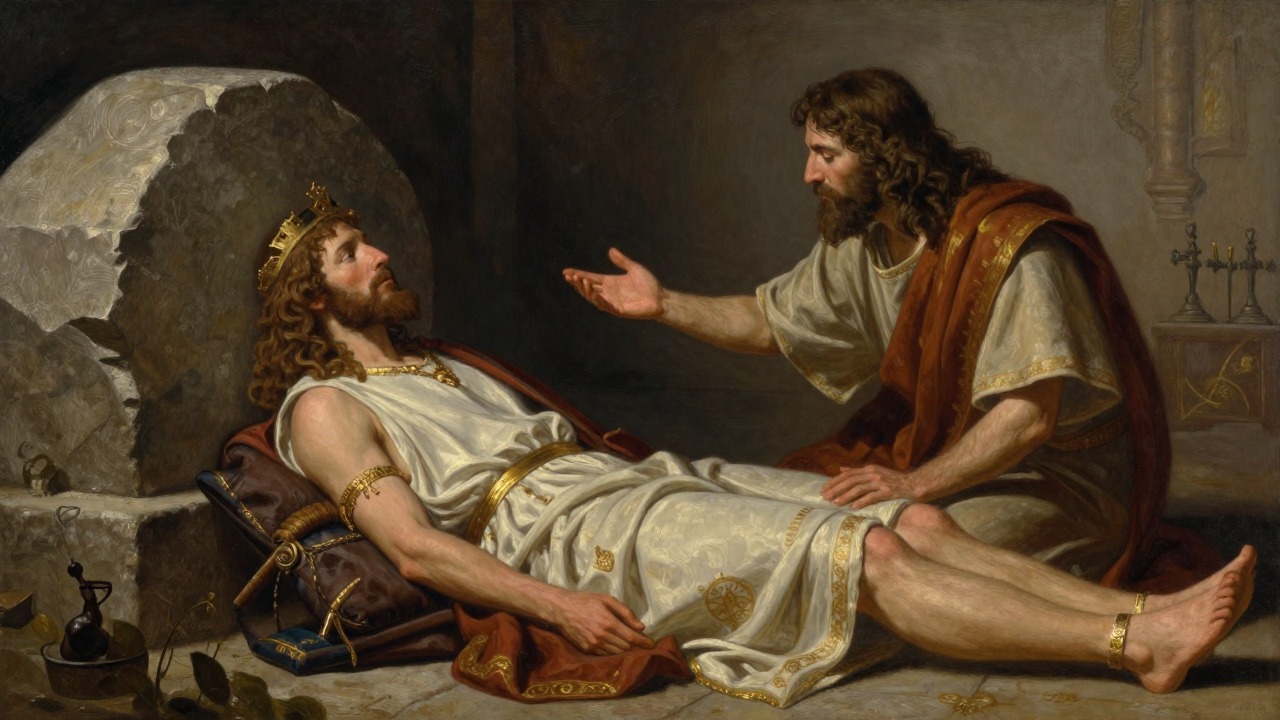
The Forgiveness of Pilate
The Release
Pilate, after two thousand years, is finally forgiven. Yeshua speaks to him, and he is released from his stone. This is the ultimate act of mercy.
The Master and Margarita
They are granted peace, not light, but they are together. Mercy is shown to them, despite their flaws.
The Message
The novel emphasizes that mercy is the highest virtue. It is the antidote to cowardice and cruelty. The theme of mercy runs through the entire story.
During the seance
During Satan's ball
The end of the novel
