Skip to content
Readipedia
Open Readify

StoryFlow

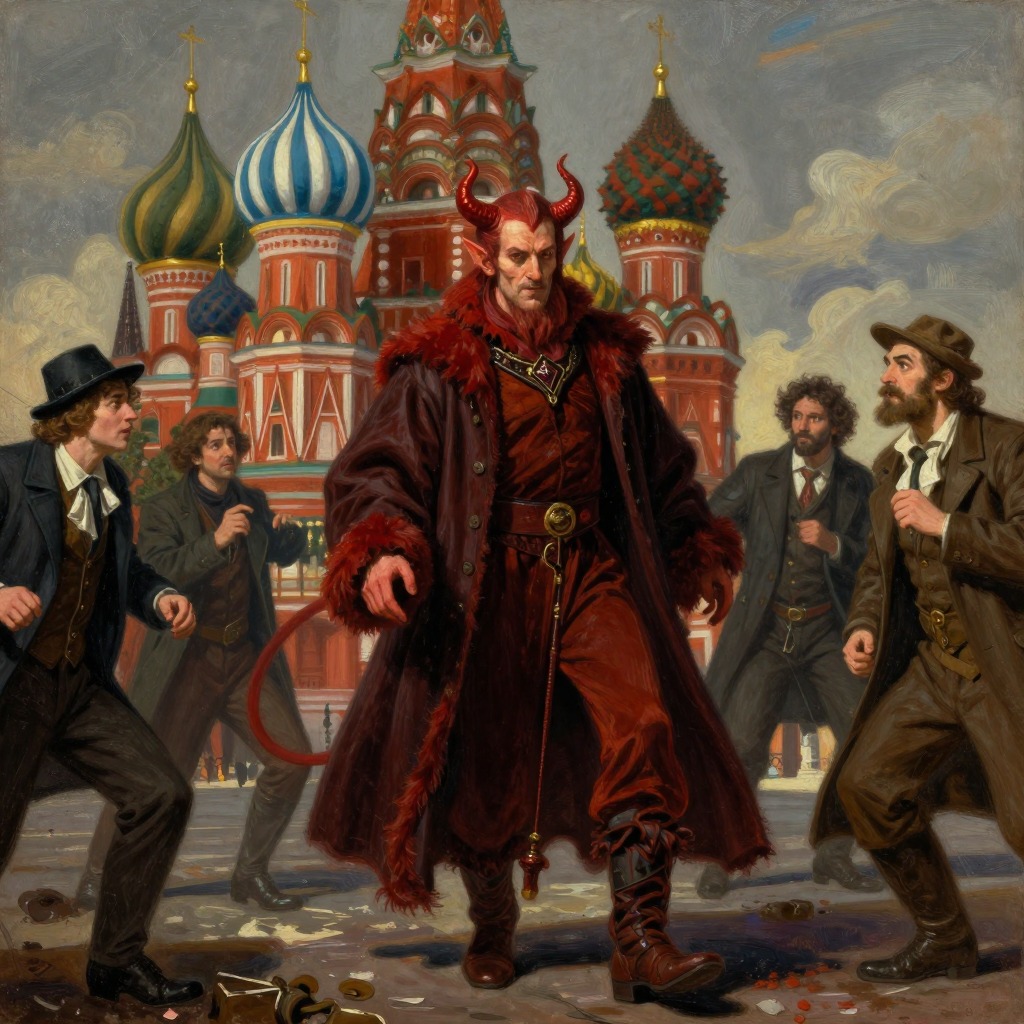
Woland's Visit to Moscow from "The Master and Margarita". Woland, the devil, arrives in Moscow with his retinue and causes a series of magical and satirical disruptions.
Woland's Visit to Moscow

Woland, the devil, arrives in Moscow with his retinue and causes a series of magical and satirical disruptions.

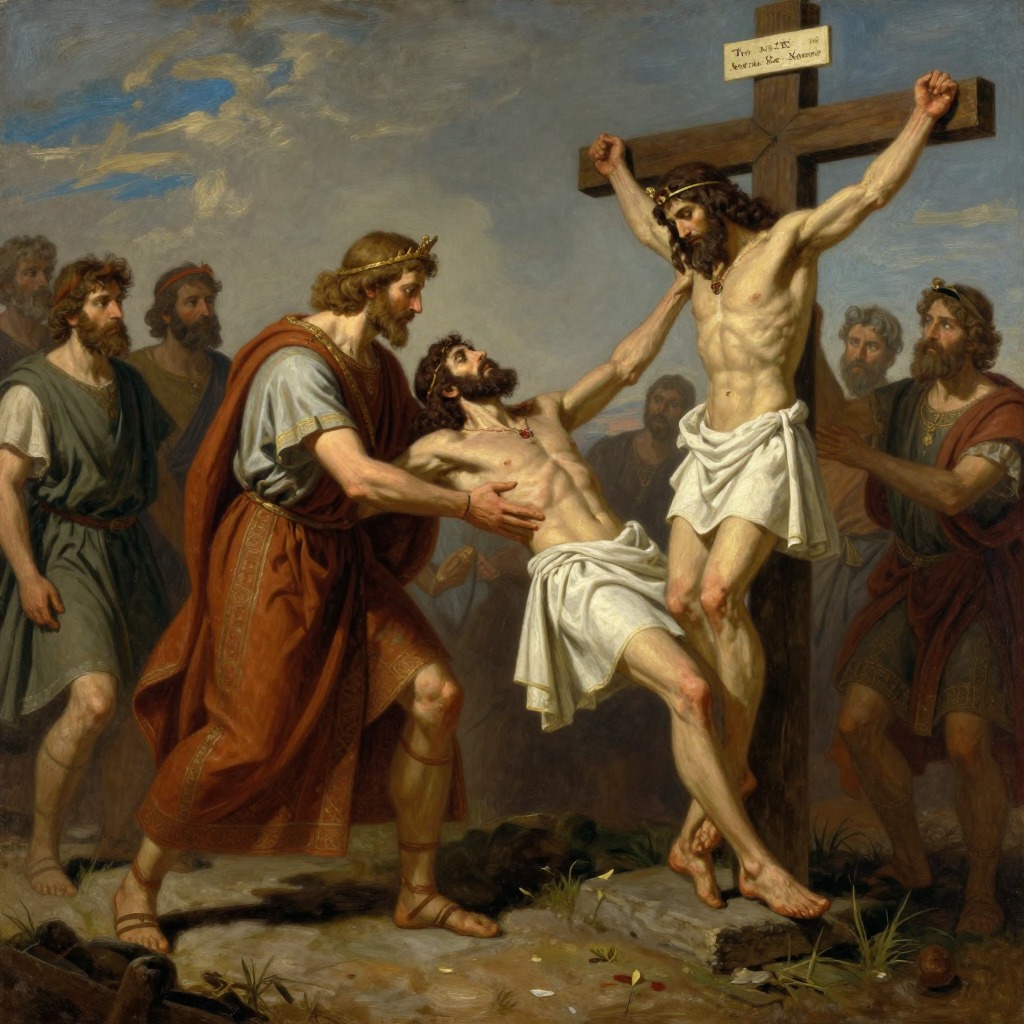
The Trial and Execution of Yeshua Ha-Nozri from "The Master and Margarita". Pontius Pilate, the procurator of Judea, interrogates and condemns the wandering philosopher Yeshua Ha-Nozri, leading to his crucifixion on Bald Mountain.
The Trial and Execution of Yeshua Ha-Nozri

Pontius Pilate, the procurator of Judea, interrogates and condemns the wandering philosopher Yeshua Ha-Nozri, leading to his crucifixion on Bald Mountain.

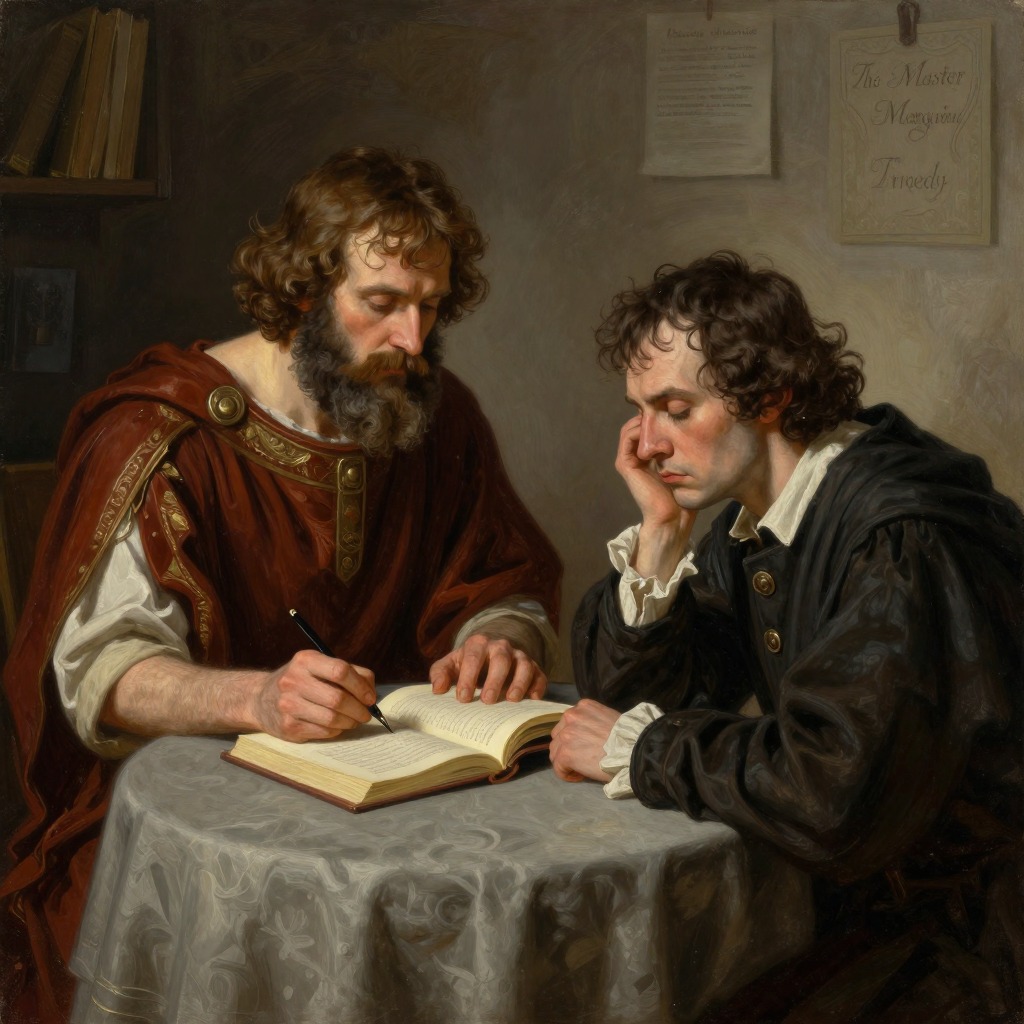
The Master's Tragedy from "The Master and Margarita". A historian who writes a novel about Pontius Pilate, the Master faces rejection, persecution, and mental breakdown, ending up in a psychiatric clinic.
The Master's Tragedy

A historian who writes a novel about Pontius Pilate, the Master faces rejection, persecution, and mental breakdown, ending up in a psychiatric clinic.

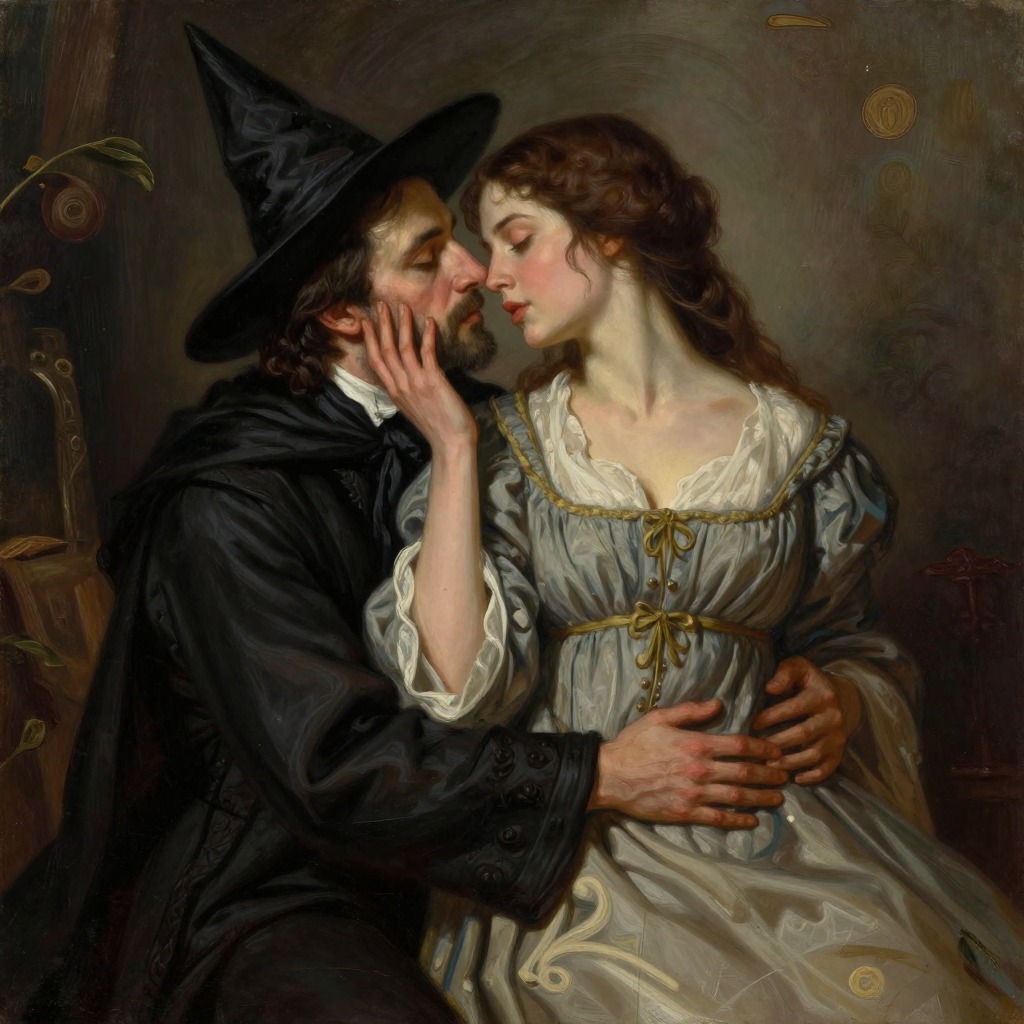
Margarita's Transformation from "The Master and Margarita". A beautiful woman, Margarita becomes the Master's lover and later a witch, ultimately sacrificing herself for love and gaining eternal peace.
Margarita's Transformation

A beautiful woman, Margarita becomes the Master's lover and later a witch, ultimately sacrificing herself for love and gaining eternal peace.

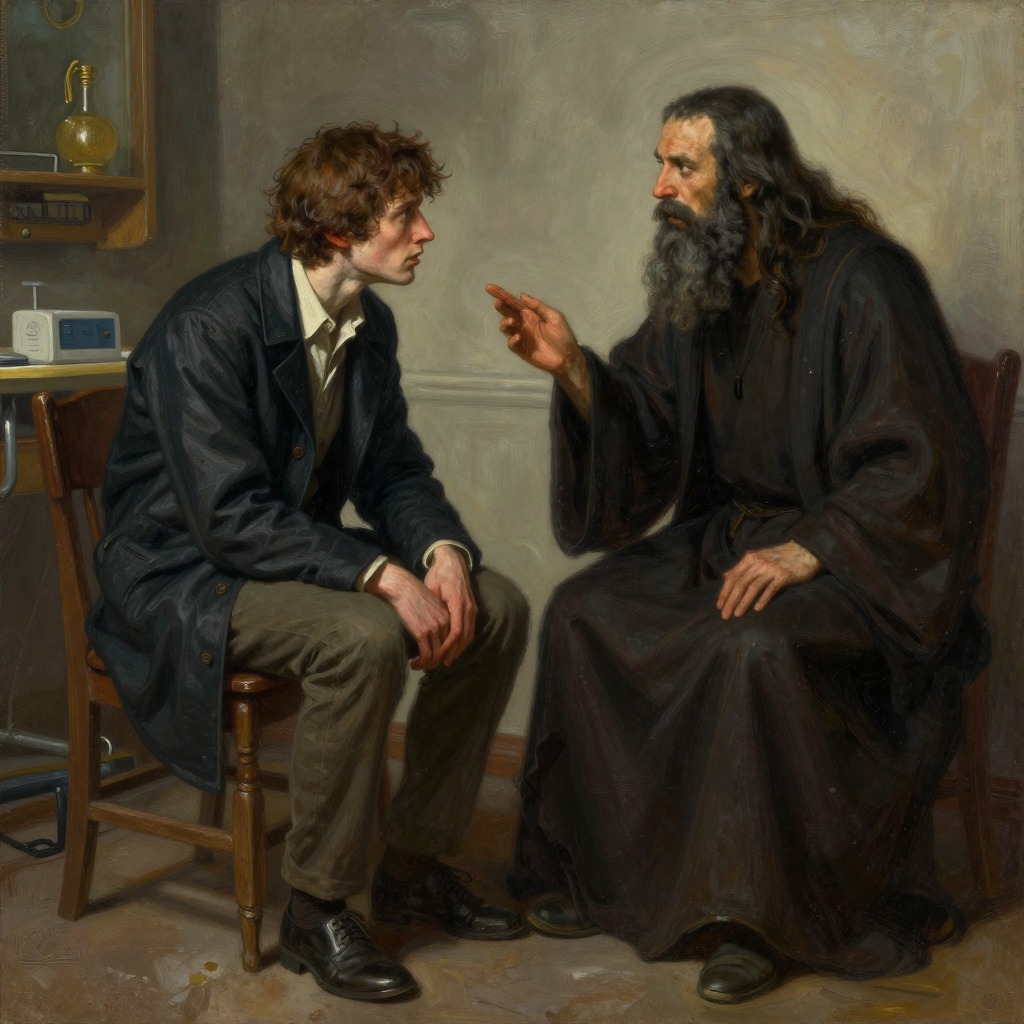
Ivan Homeless's Awakening from "The Master and Margarita". The poet Ivan Homeless, after a traumatic encounter with Woland, is committed to a psychiatric clinic where he undergoes a profound transformation, becoming a…

Ivan Homeless's Awakening

The poet Ivan Homeless, after a traumatic encounter with Woland, is committed to a psychiatric clinic where he undergoes a profound transformation, becoming a disciple of the Master.
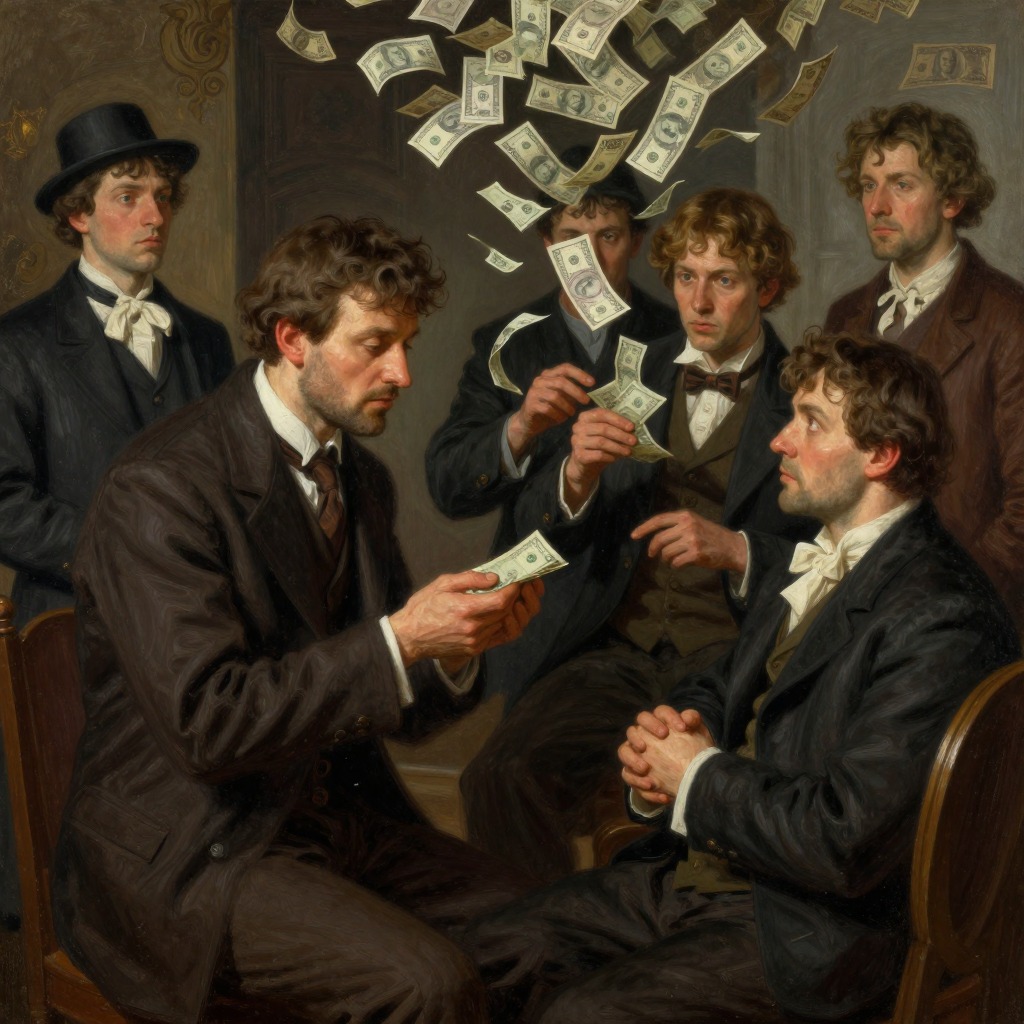
The Corruption of Nikanor Ivanovich Bosoy from "The Master and Margarita". The chairman of the tenants' association, Nikanor Ivanovich, is tempted by a bribe, arrested, and experiences a surreal dream about currency dealers.
The Corruption of Nikanor Ivanovich Bosoy

The chairman of the tenants' association, Nikanor Ivanovich, is tempted by a bribe, arrested, and experiences a surreal dream about currency dealers.

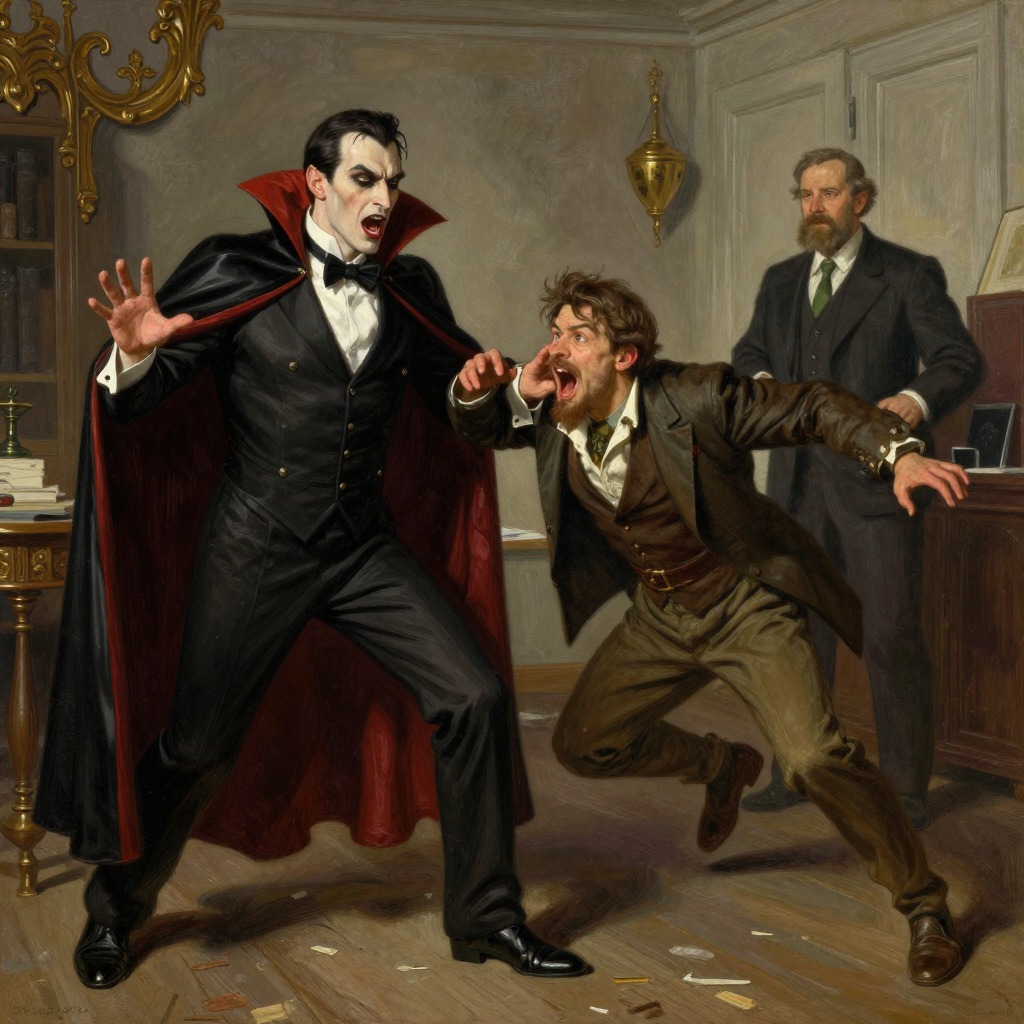
The Vampire Attack on Varenukha and Rimsky from "The Master and Margarita". The administrator Ivan Varenukha is attacked by a vampire, and the financial director Grigory Rimsky narrowly escapes a similar fate, fleeing Moscow.
The Vampire Attack on Varenukha and Rimsky

The administrator Ivan Varenukha is attacked by a vampire, and the financial director Grigory Rimsky narrowly escapes a similar fate, fleeing Moscow.

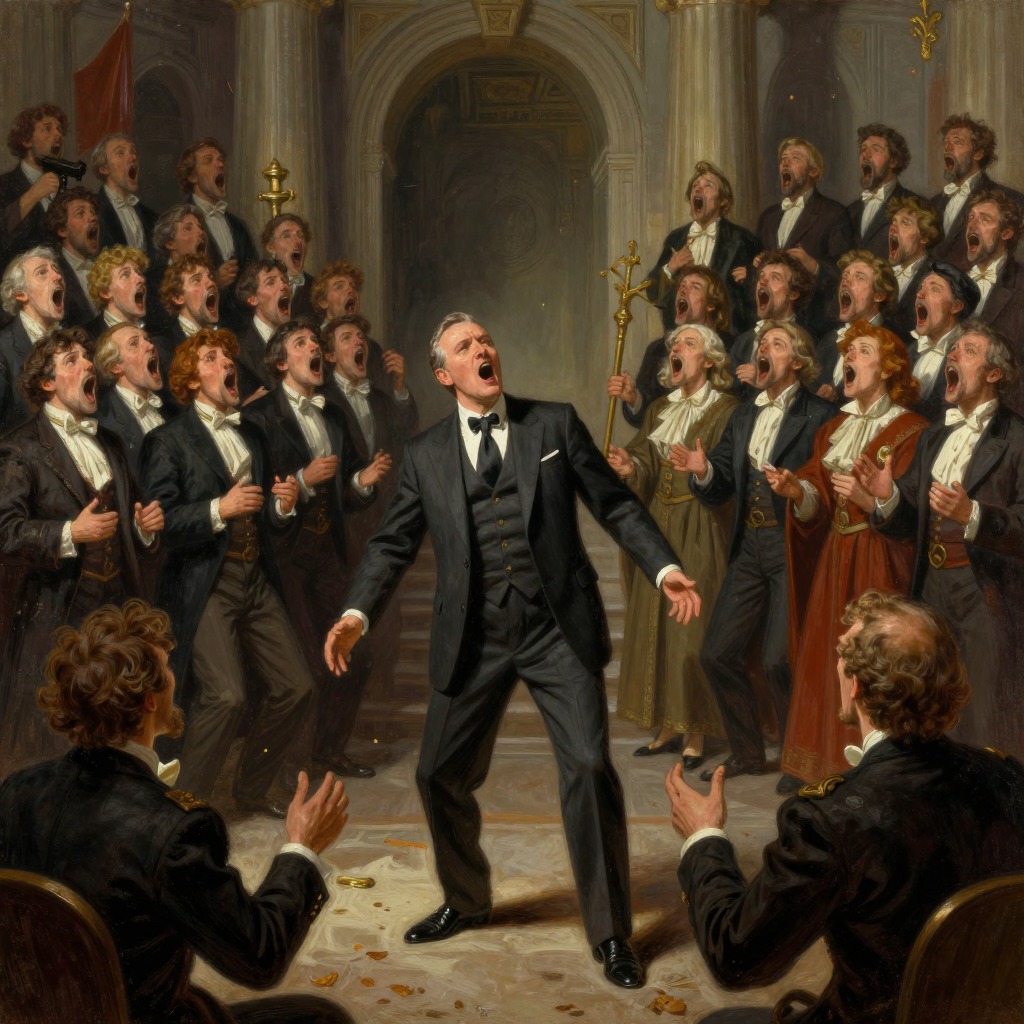
The Suit and the Choir from "The Master and Margarita". Woland's retinue causes chaos in state institutions: a chairman turns into an empty suit, and an entire staff is forced to sing uncontrollably.
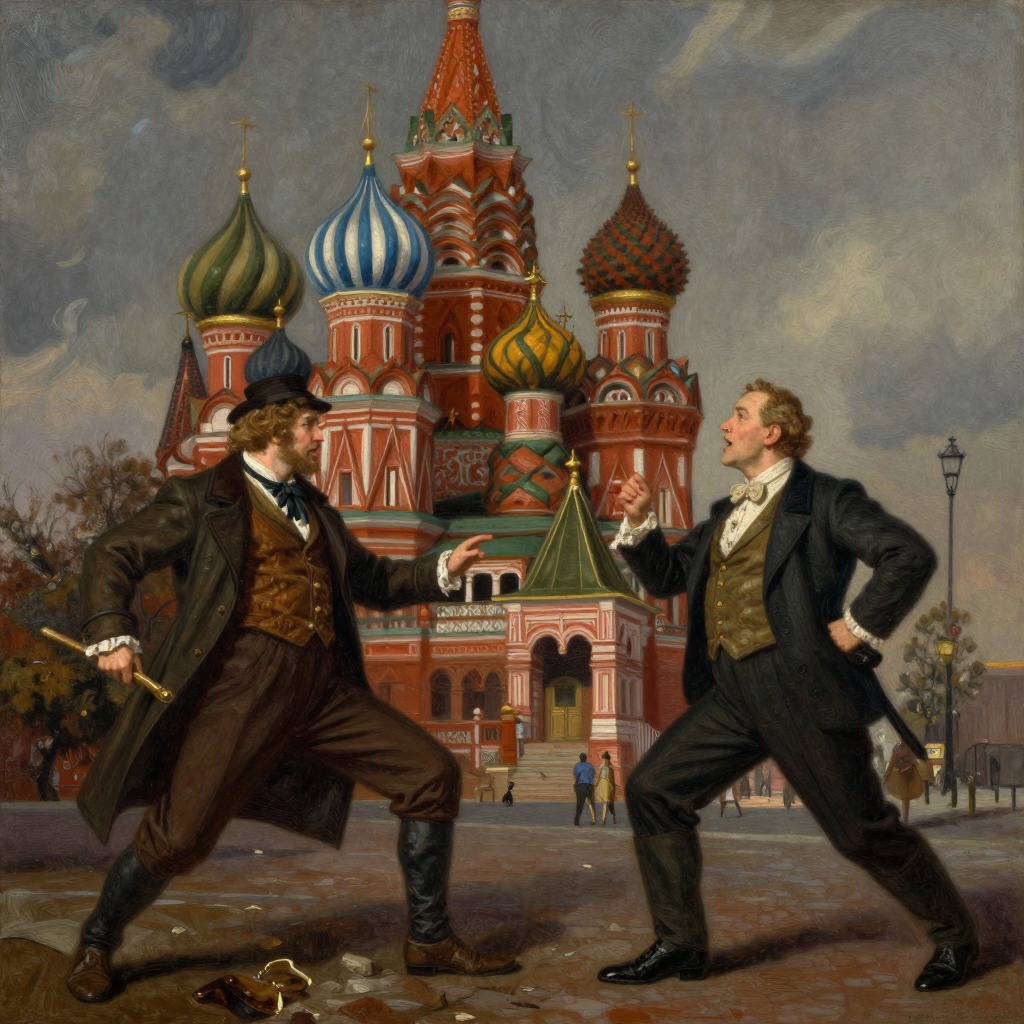
The Suit and the Choir

Woland's retinue causes chaos in state institutions: a chairman turns into an empty suit, and an entire staff is forced to sing uncontrollably.

The Visit of Poplavsky from "The Master and Margarita". Berlioz's uncle Max Poplavsky comes to Moscow to claim his nephew's apartment, only to be driven away by the supernatural tenants.
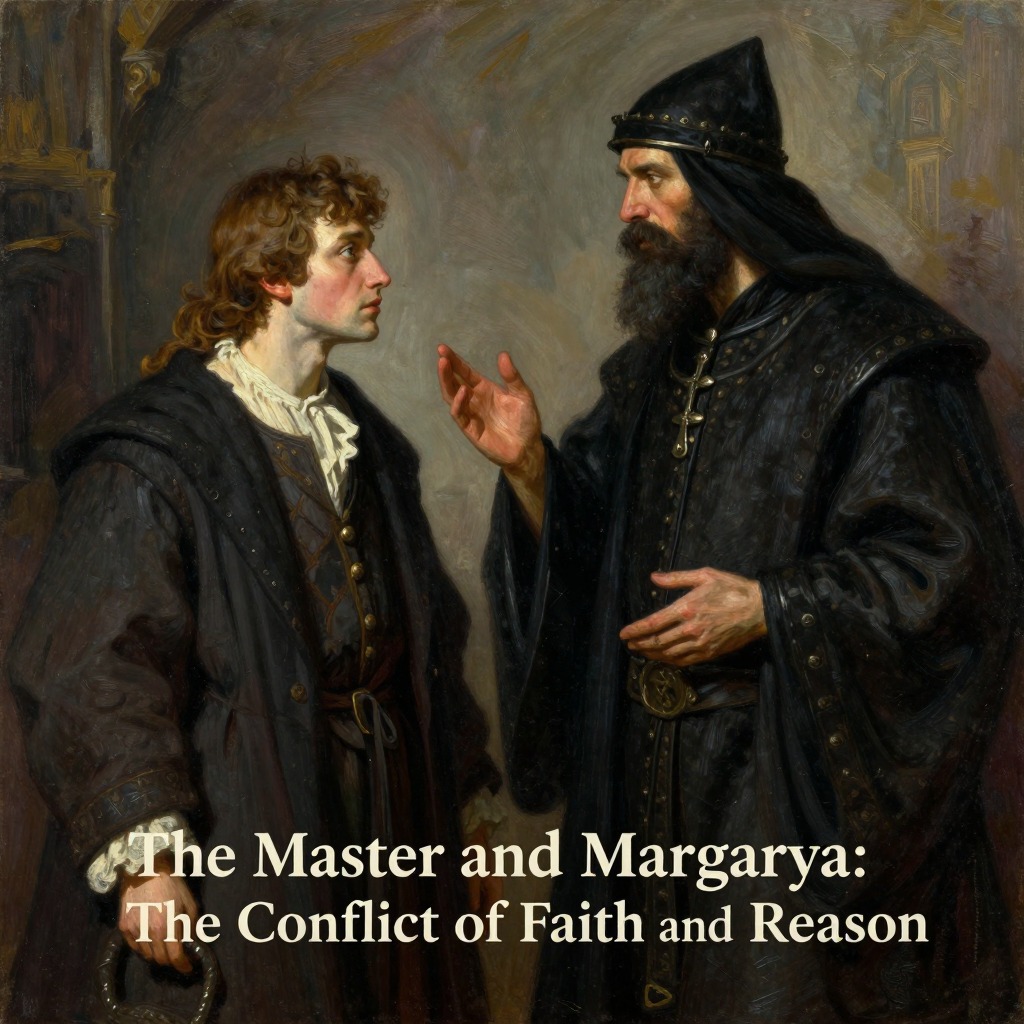
The Visit of Poplavsky

Berlioz's uncle Max Poplavsky comes to Moscow to claim his nephew's apartment, only to be driven away by the supernatural tenants.

The Conflict of Faith and Reason from "The Master and Margarita". The novel explores the clash between atheist ideology and the reality of the supernatural, embodied in the dialogue between Berlioz and Woland.
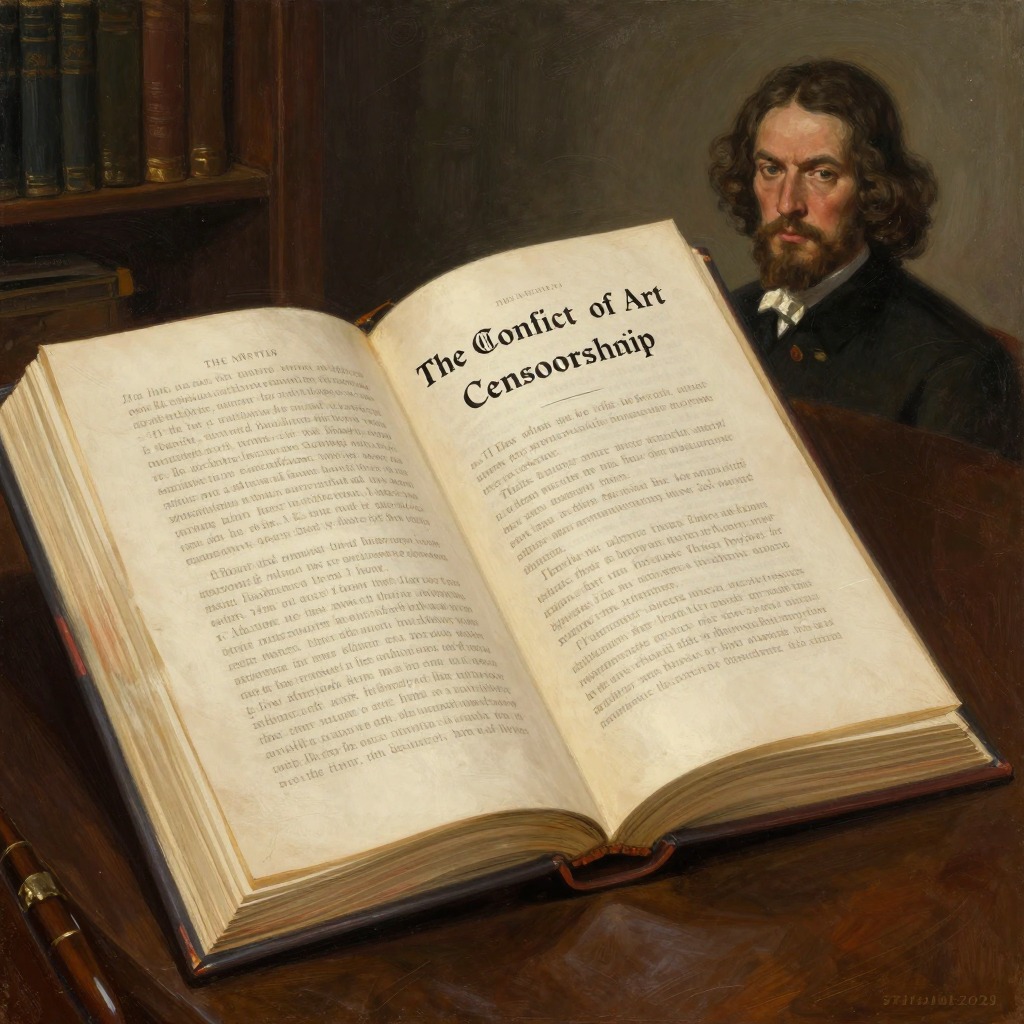
The Conflict of Faith and Reason

The novel explores the clash between atheist ideology and the reality of the supernatural, embodied in the dialogue between Berlioz and Woland.

The Conflict of Art and Censorship from "The Master and Margarita". The Master's novel is rejected by the literary establishment, reflecting the struggle between creative freedom and state-imposed ideology.
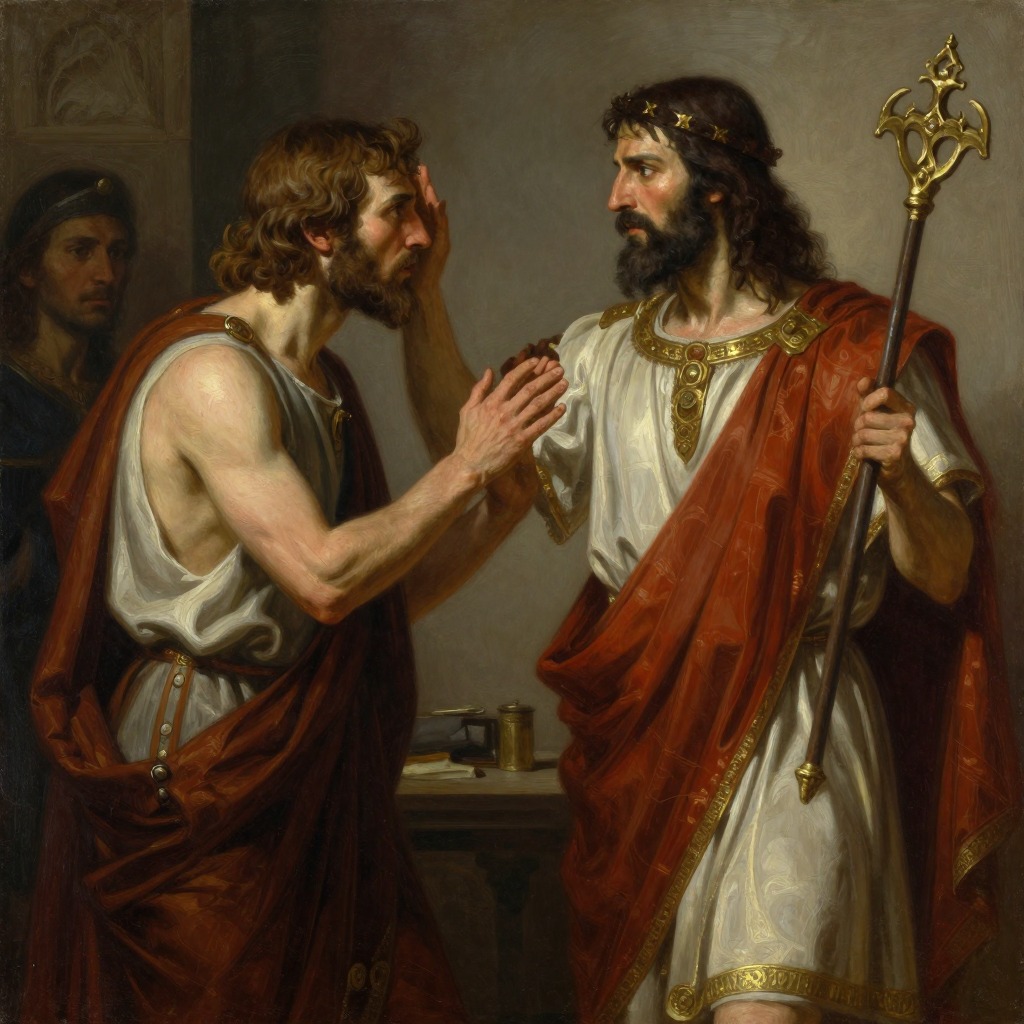
The Conflict of Art and Censorship

The Master's novel is rejected by the literary establishment, reflecting the struggle between creative freedom and state-imposed ideology.

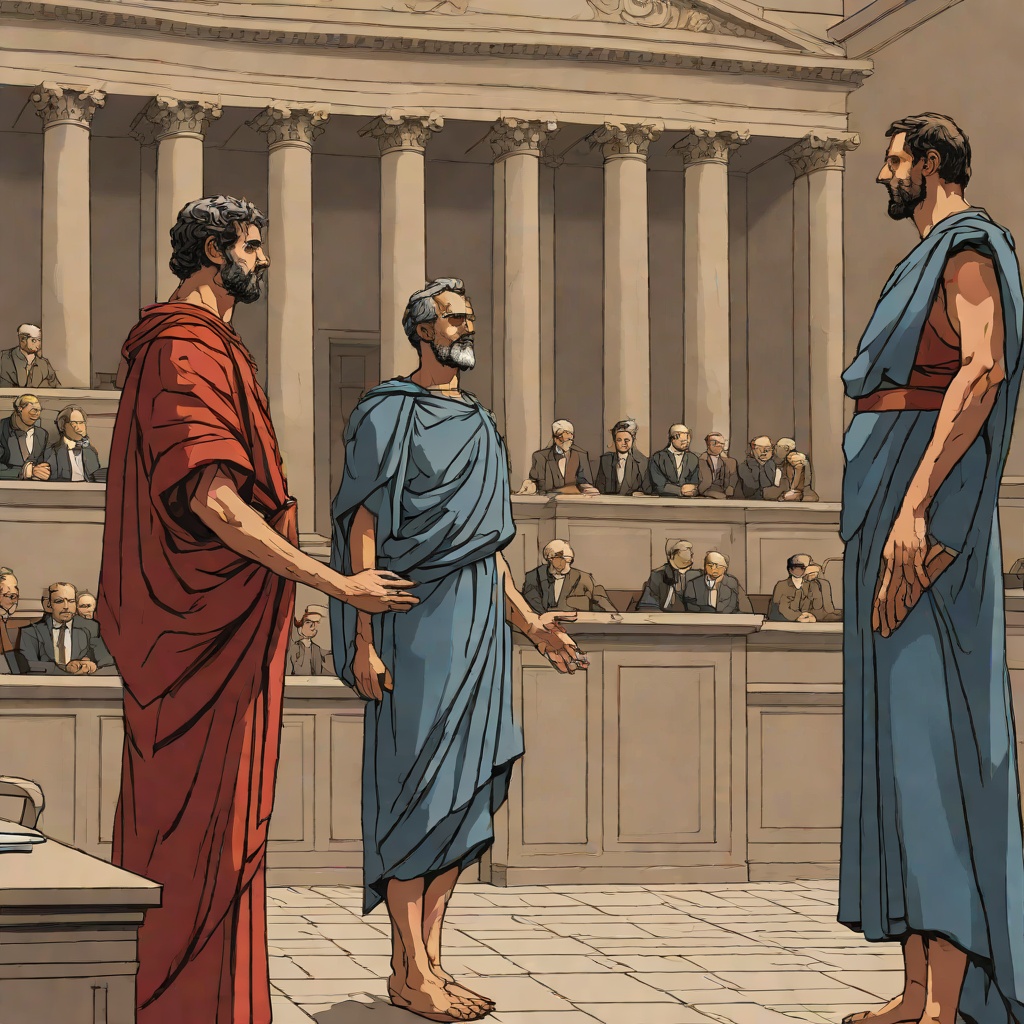
The Conflict of Justice and Authority from "The Master and Margarita". Pontius Pilate struggles between his personal sense of justice and the demands of imperial authority, culminating in his cowardly decision to condemn Yeshua.
The Conflict of Justice and Authority

Pontius Pilate struggles between his personal sense of justice and the demands of imperial authority, culminating in his cowardly decision to condemn Yeshua.

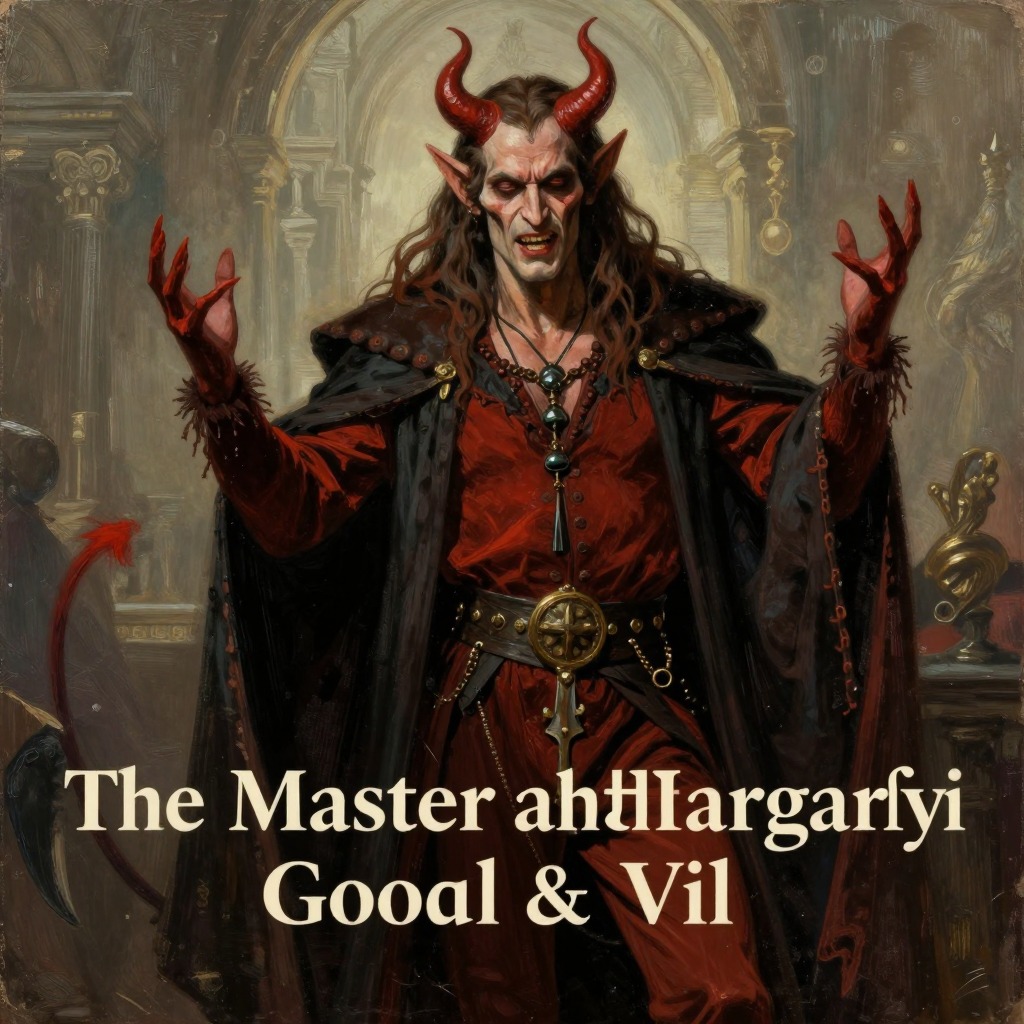
The Conflict of Good and Evil from "The Master and Margarita". Woland, as the devil, performs acts that seem evil but ultimately serve good, blurring the line between moral categories.
The Conflict of Good and Evil

Woland, as the devil, performs acts that seem evil but ultimately serve good, blurring the line between moral categories.

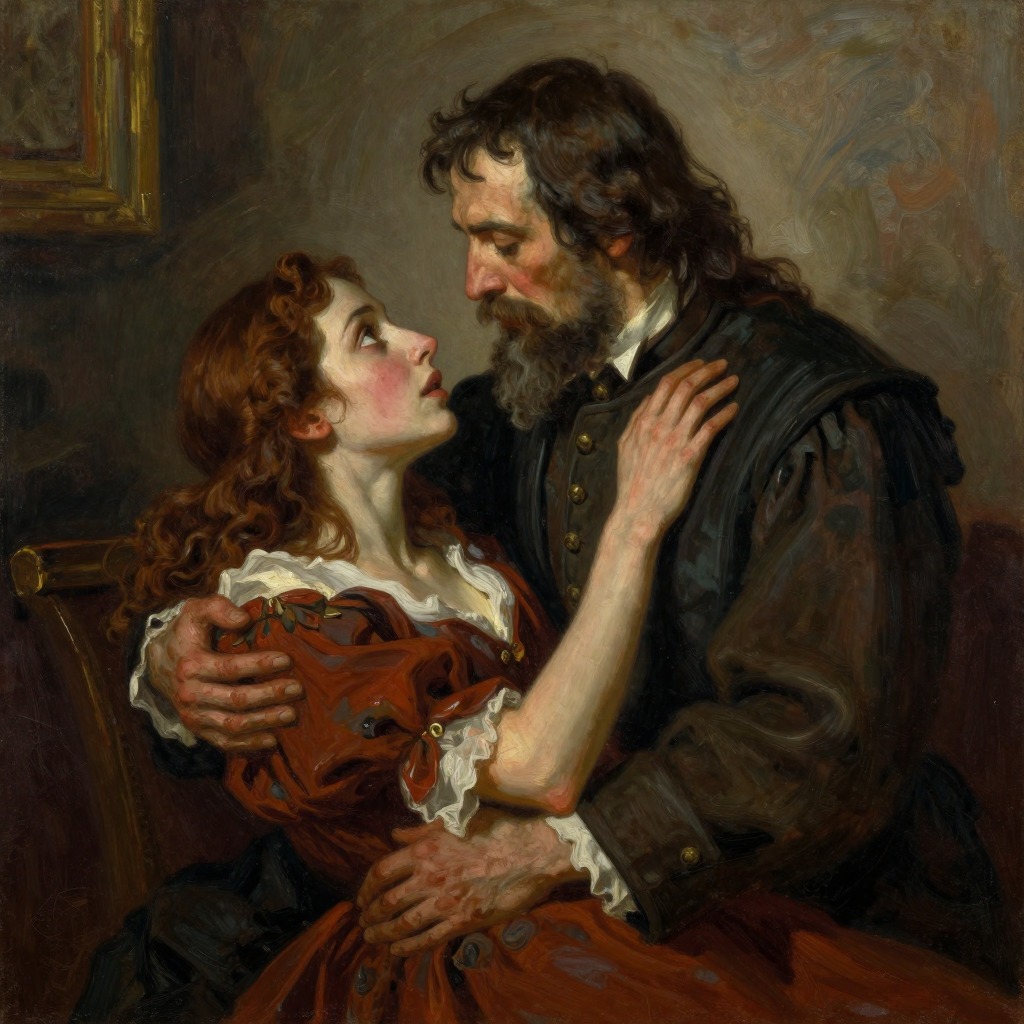
The Bond of Love between Master and Margarita from "The Master and Margarita". The love story of the Master and Margarita is a central emotional thread, showing how love transcends suffering and death.
The Bond of Love between Master and Margarita

The love story of the Master and Margarita is a central emotional thread, showing how love transcends suffering and death.

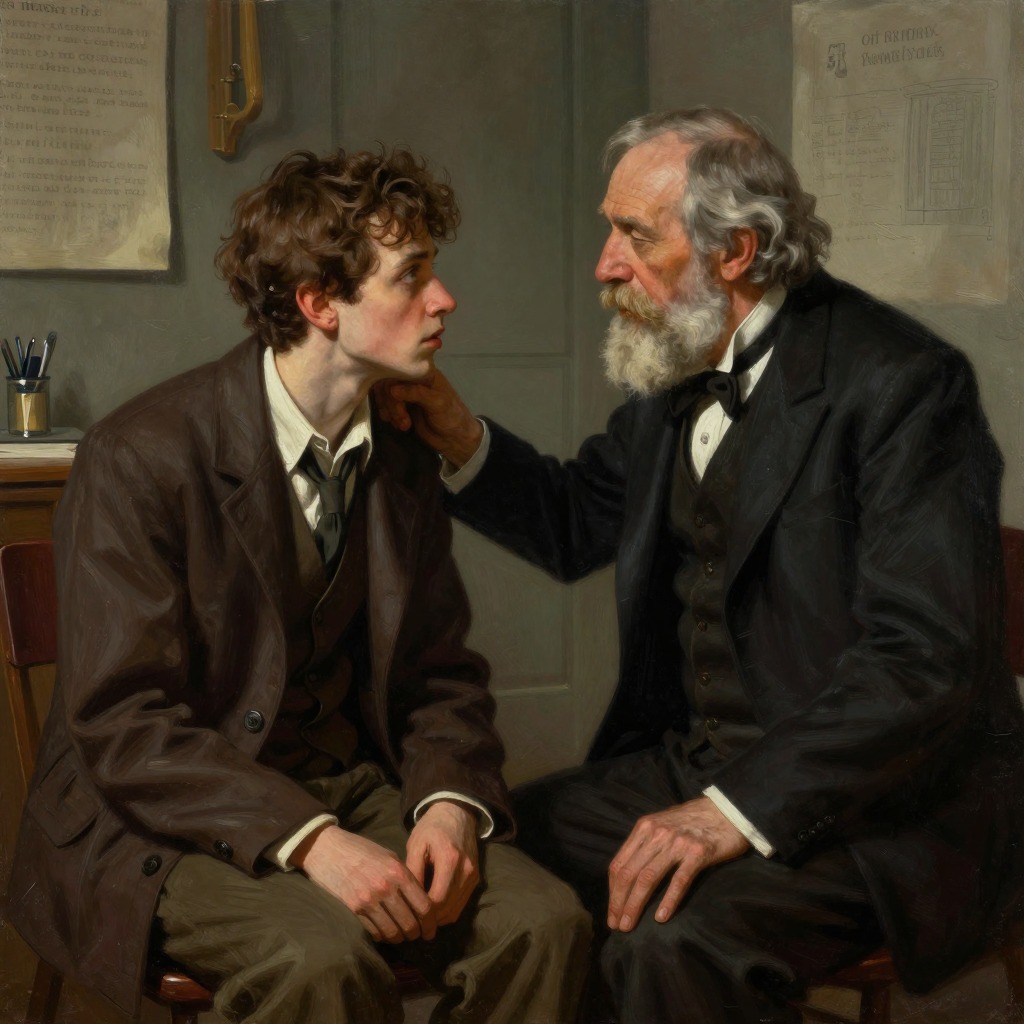
The Friendship between Ivan and the Master from "The Master and Margarita". In the psychiatric clinic, a deep bond forms between the poet Ivan Homeless and the Master, as the Master becomes Ivan's mentor.
The Friendship between Ivan and the Master

In the psychiatric clinic, a deep bond forms between the poet Ivan Homeless and the Master, as the Master becomes Ivan's mentor.

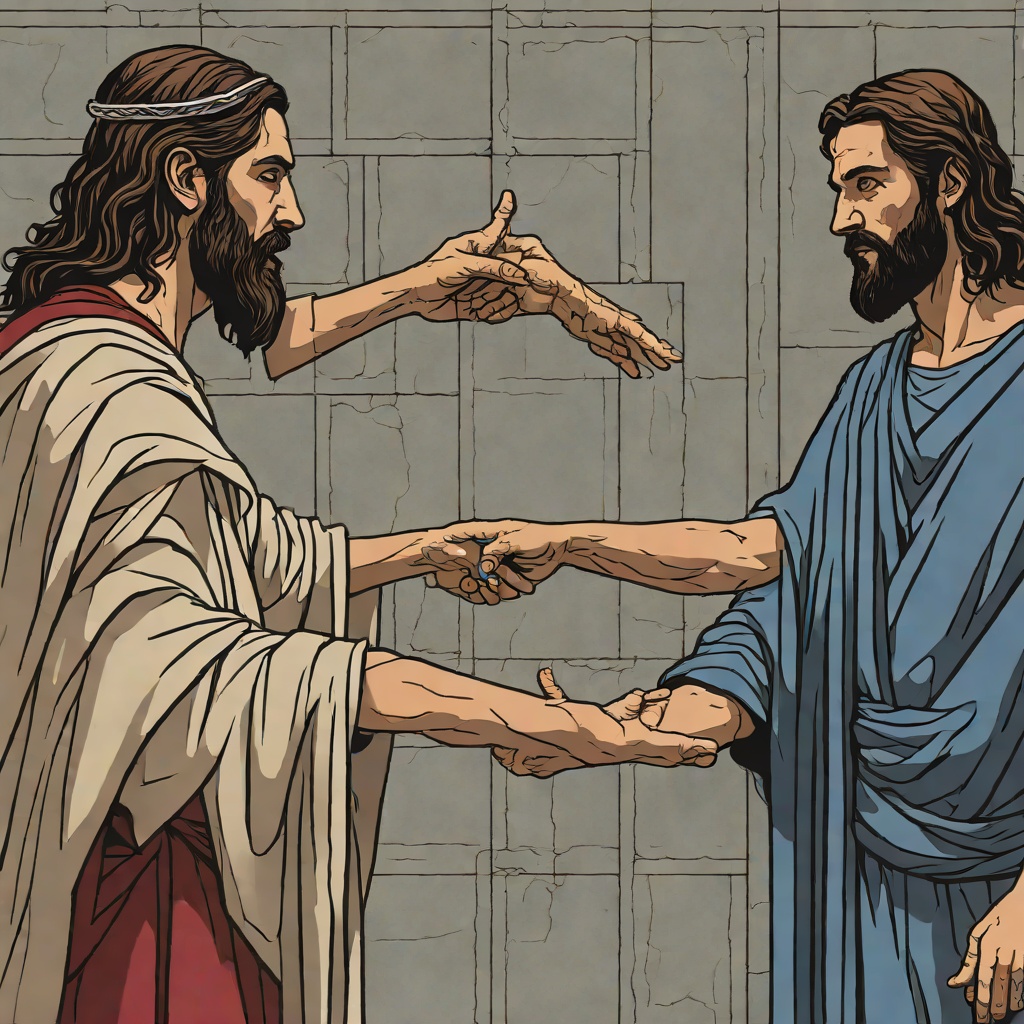
The Encounter between Pilate and Yeshua from "The Master and Margarita". The meeting between the Roman procurator and the wandering philosopher is a moment of profound connection, despite their different worlds.
The Encounter between Pilate and Yeshua

The meeting between the Roman procurator and the wandering philosopher is a moment of profound connection, despite their different worlds.

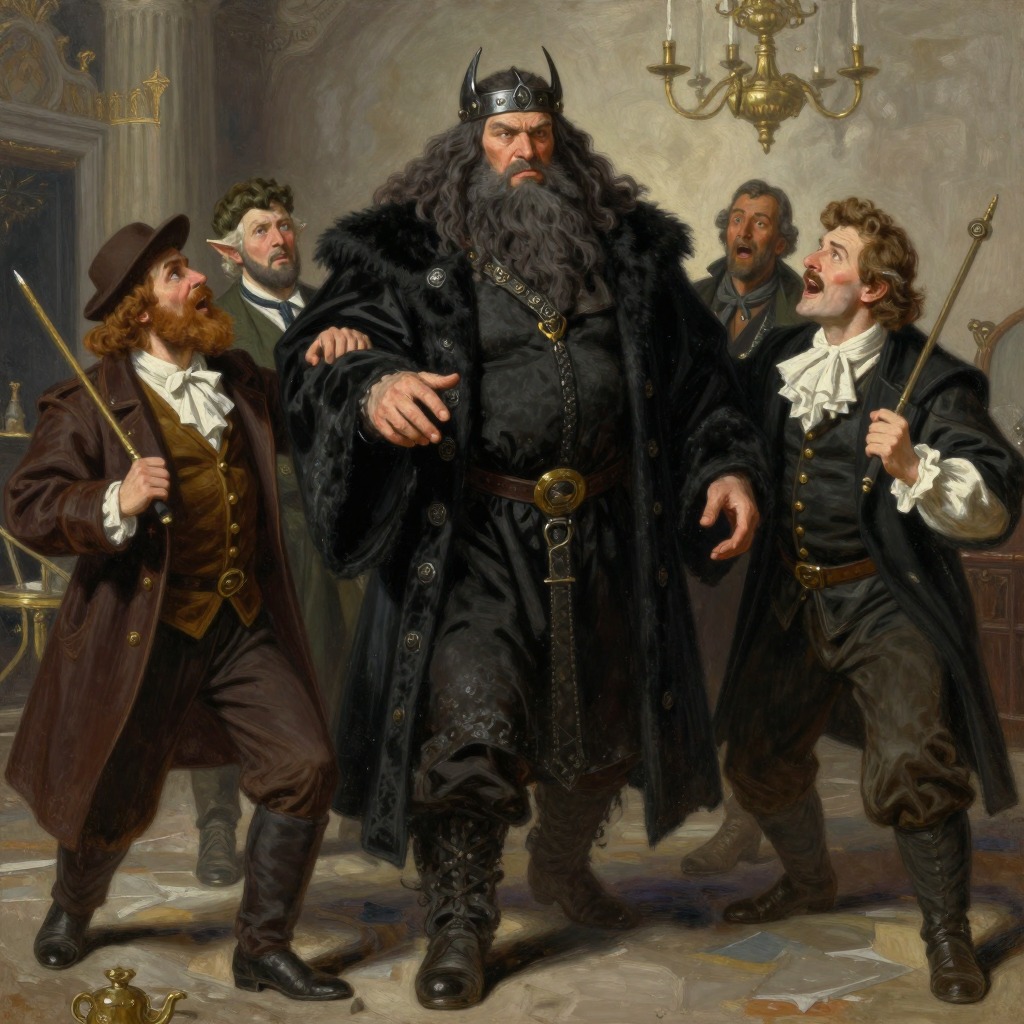
The Loyalty of Woland's Retinue from "The Master and Margarita". Koroviev, Behemoth, and Azazello serve Woland with unwavering loyalty, carrying out his commands with enthusiasm and dark humor.
The Loyalty of Woland's Retinue

Koroviev, Behemoth, and Azazello serve Woland with unwavering loyalty, carrying out his commands with enthusiasm and dark humor.

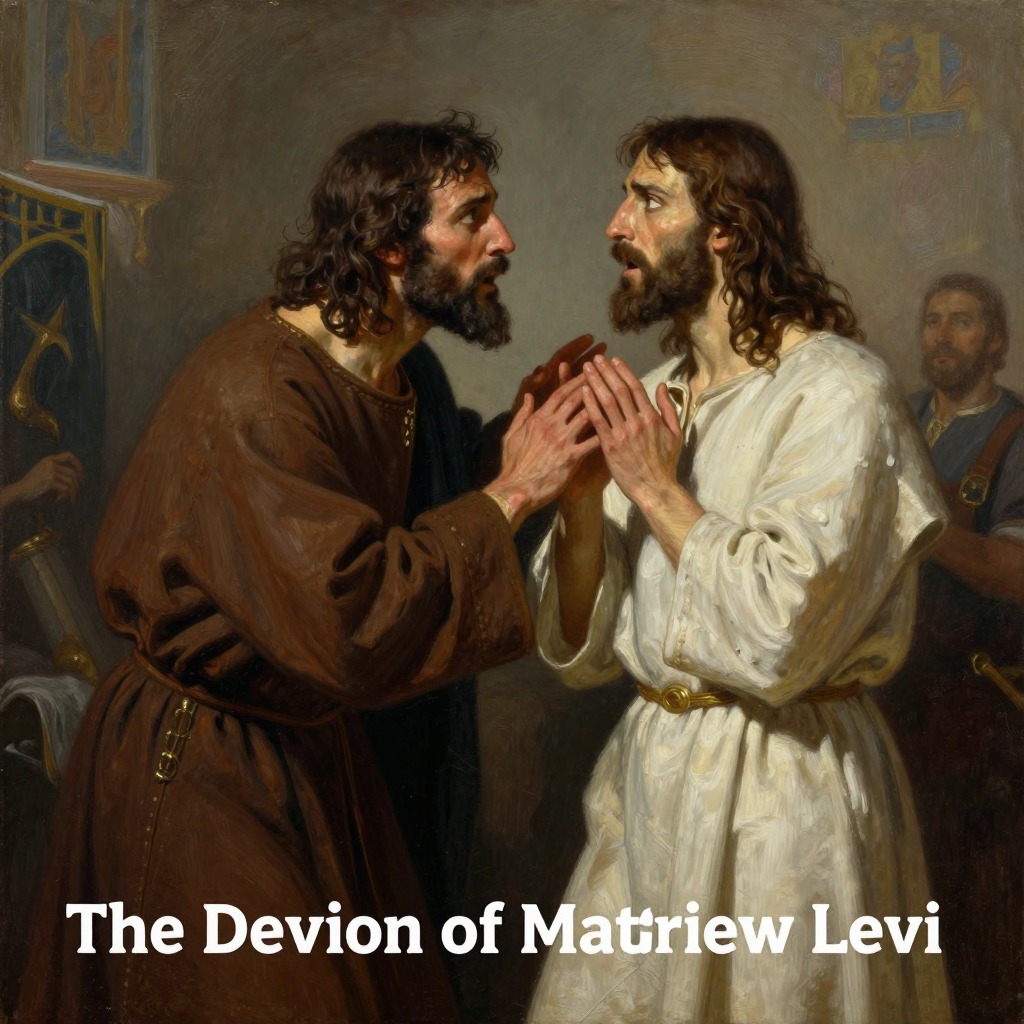
The Devotion of Matthew Levi from "The Master and Margarita". Matthew Levi, the former tax collector, becomes Yeshua's loyal disciple and tries to save him from crucifixion, expressing his anguish through curses.
The Devotion of Matthew Levi

Matthew Levi, the former tax collector, becomes Yeshua's loyal disciple and tries to save him from crucifixion, expressing his anguish through curses.

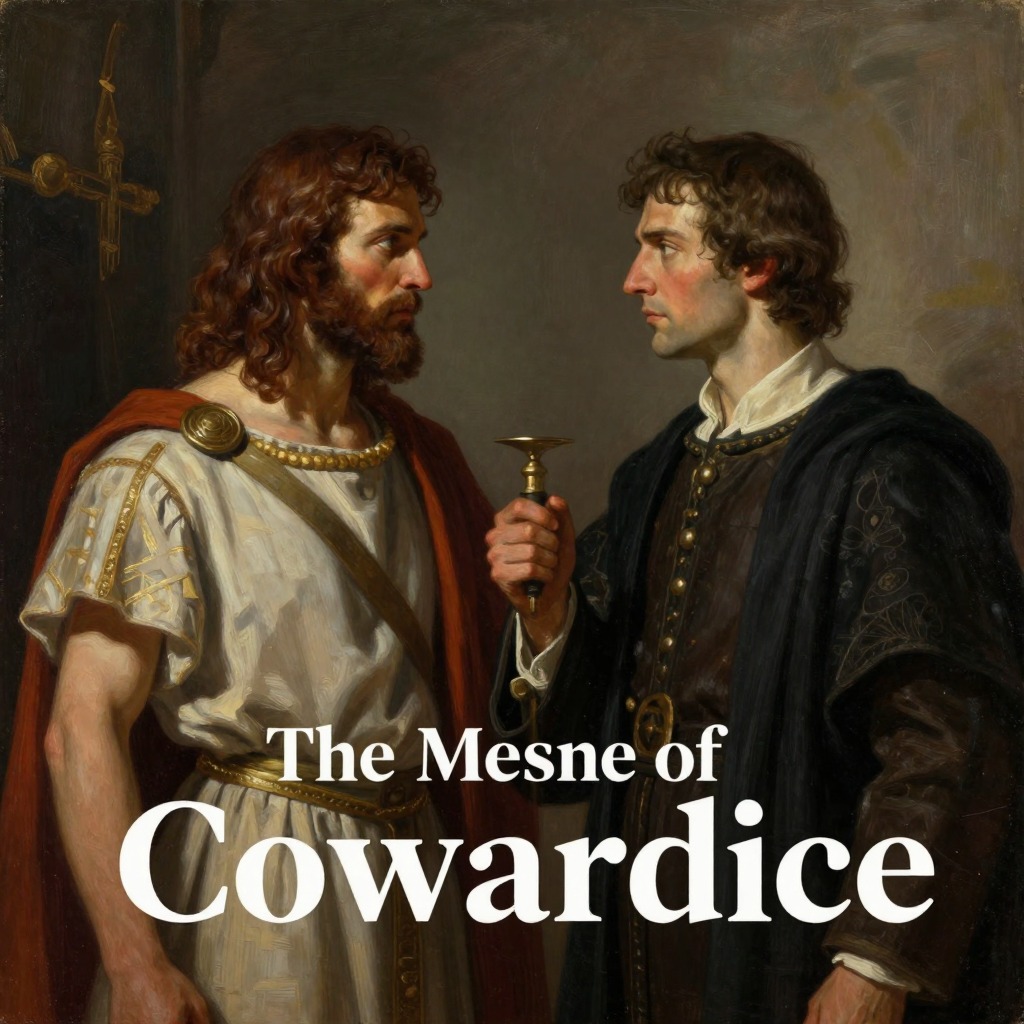
The Theme of Cowardice from "The Master and Margarita". Cowardice is presented as the most terrible vice, embodied in Pilate's failure to save Yeshua and the Master's failure to stand up for his art.
The Theme of Cowardice

Cowardice is presented as the most terrible vice, embodied in Pilate's failure to save Yeshua and the Master's failure to stand up for his art.

The Theme of Truth from "The Master and Margarita". Truth is a central philosophical concept, explored through Yeshua's teachings and the contrast between official lies and hidden reality.
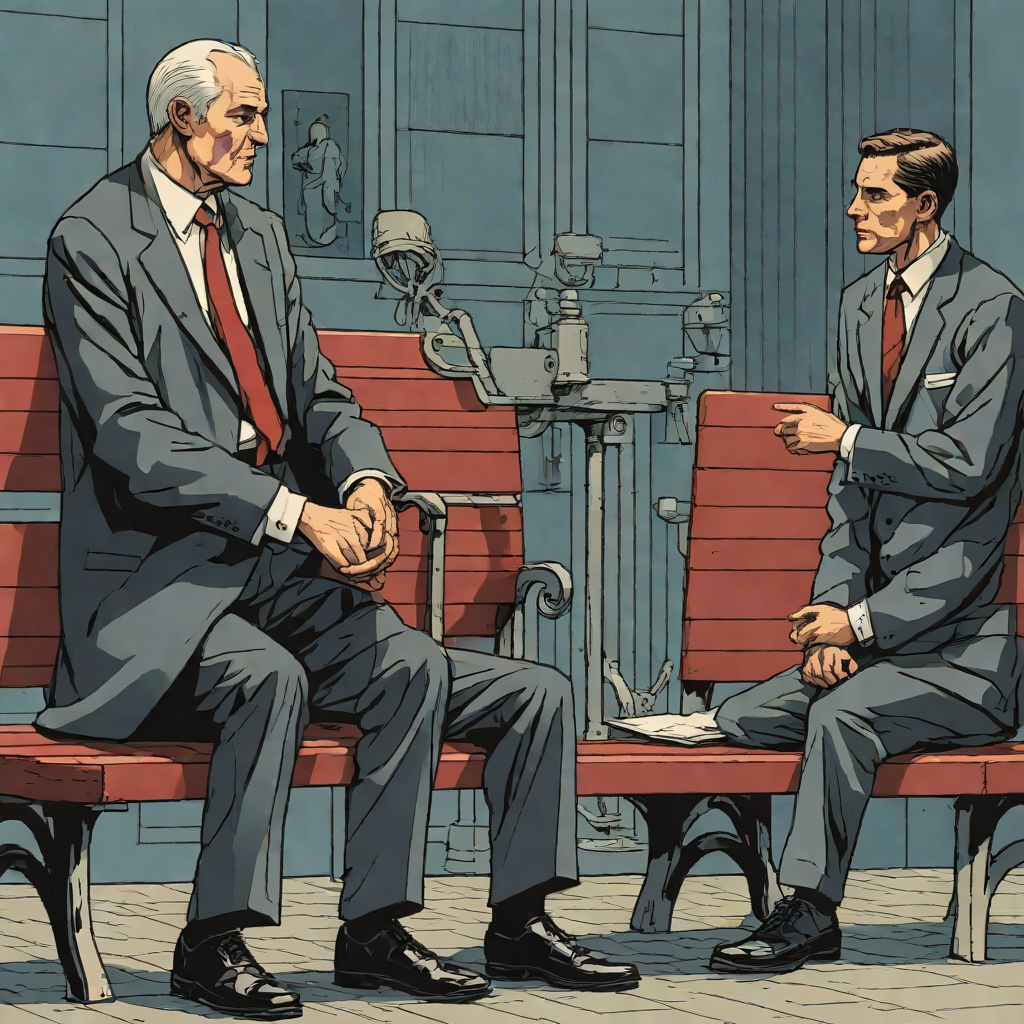
The Theme of Truth

Truth is a central philosophical concept, explored through Yeshua's teachings and the contrast between official lies and hidden reality.

The Theme of Mercy from "The Master and Margarita". Mercy is a key virtue in the novel, shown through the forgiveness of Pilate, the reward of the Master and Margarita, and the sparing of Bengalsky.
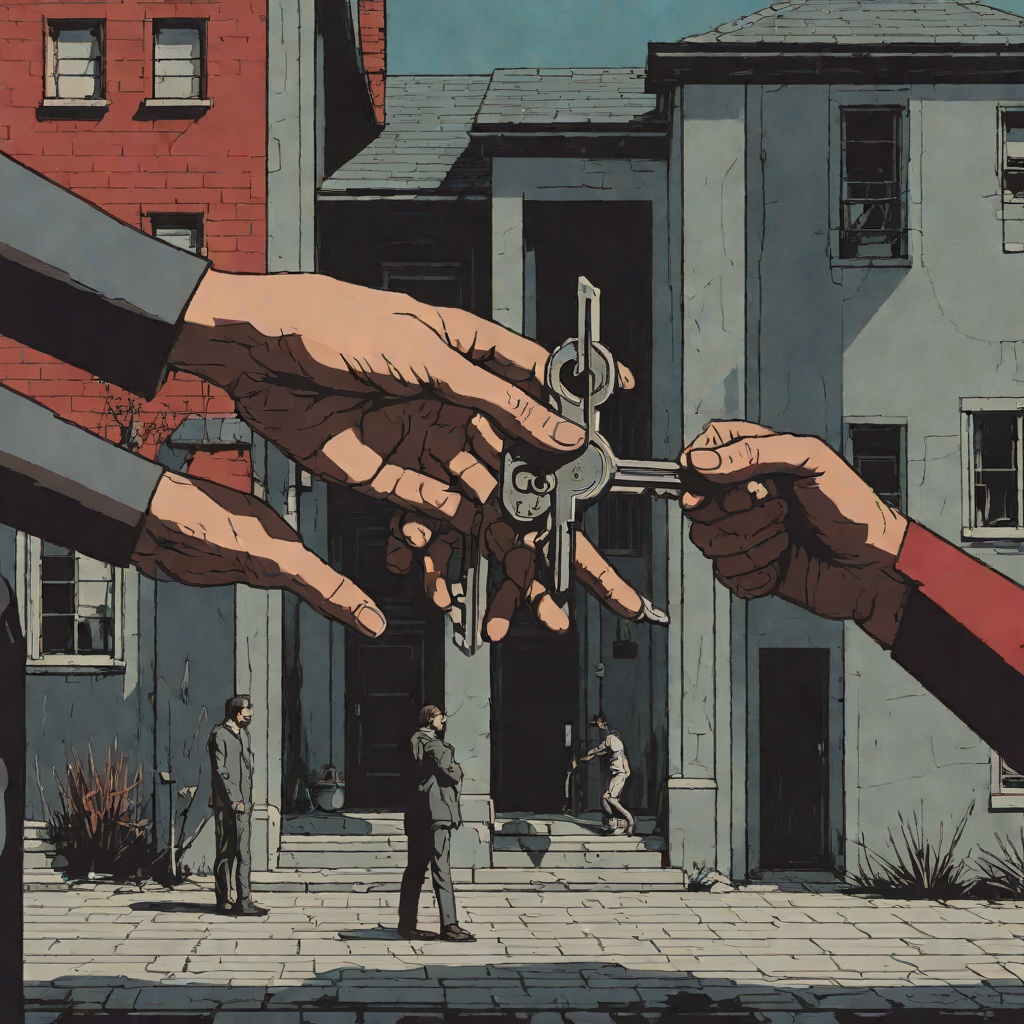
The Theme of Mercy

Mercy is a key virtue in the novel, shown through the forgiveness of Pilate, the reward of the Master and Margarita, and the sparing of Bengalsky.

The Theme of Manuscripts Don't Burn from "The Master and Margarita". The idea that true art and truth cannot be destroyed is embodied in the resurrection of the Master's burnt novel.
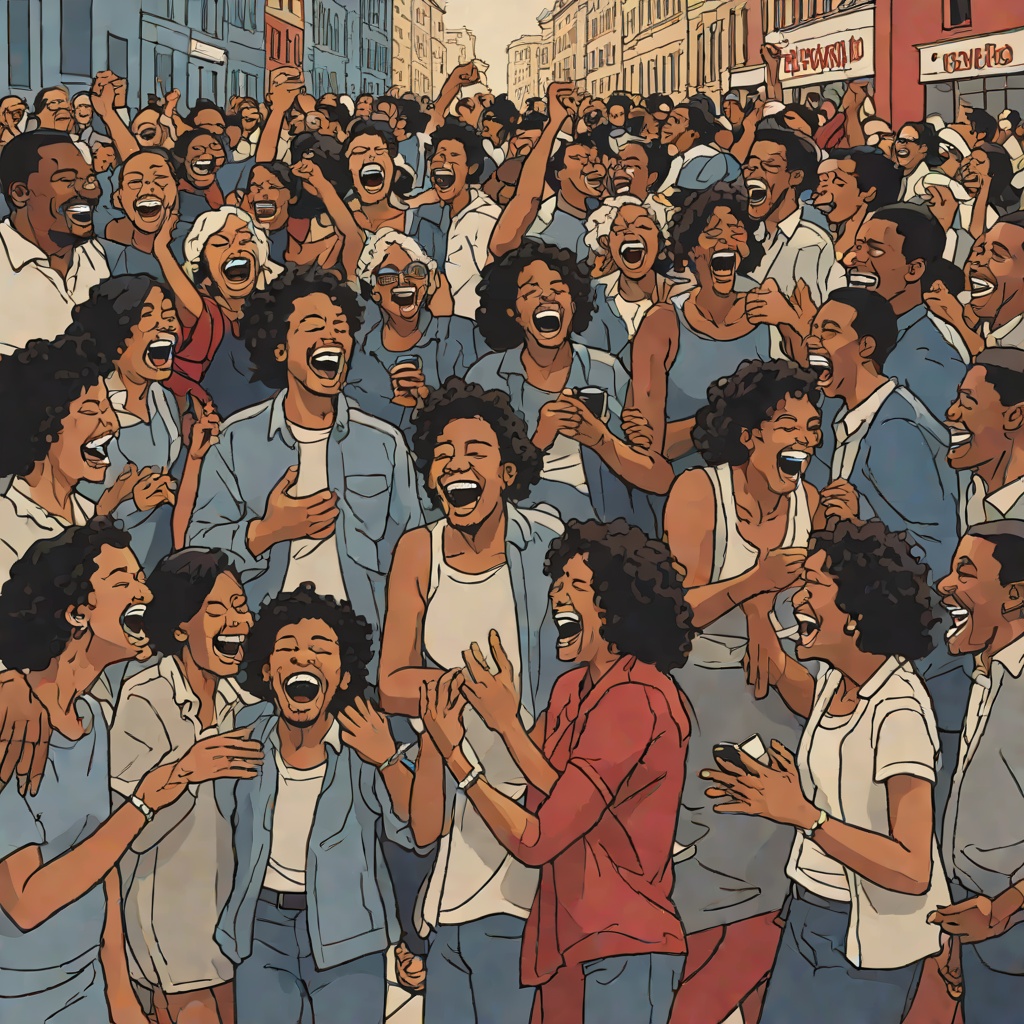
The Theme of Manuscripts Don't Burn

The idea that true art and truth cannot be destroyed is embodied in the resurrection of the Master's burnt novel.

The Theme of Laughter and Freedom from "The Master and Margarita". The novel uses laughter and satire as a liberating force, breaking through the oppressive seriousness of Soviet life.
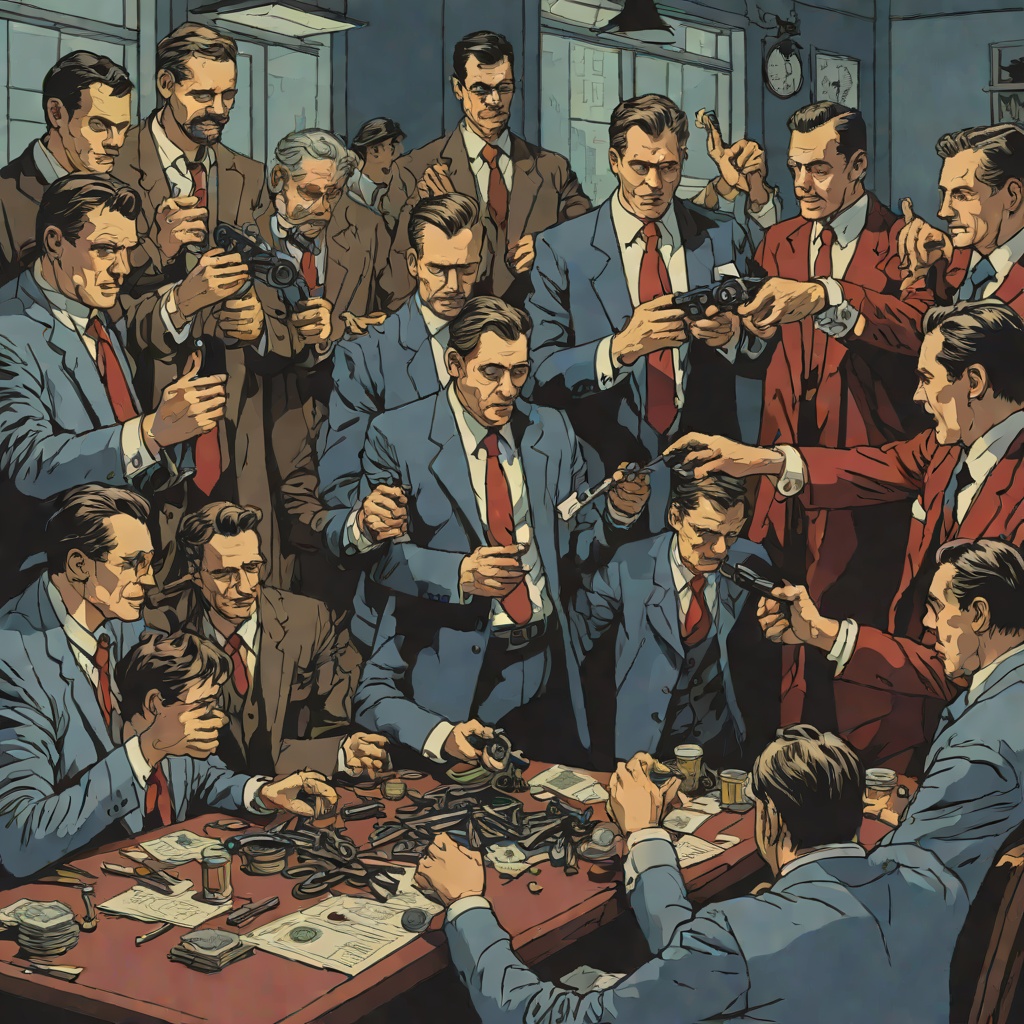
The Theme of Laughter and Freedom

The novel uses laughter and satire as a liberating force, breaking through the oppressive seriousness of Soviet life.

The Theme of Greed and Corruption from "The Master and Margarita". Woland's magic exposes the greed and corruption of Muscovites, from the currency dealers to the literary elite.

The Theme of Greed and Corruption

Woland's magic exposes the greed and corruption of Muscovites, from the currency dealers to the literary elite.