
The Theme of Greed and Corruption
The Master and MargaritaWoland's magic exposes the greed and corruption of Muscovites, from the currency dealers to the literary elite.
increasing Bearing strength in each event
 decreasing
Bearing strength in each eventdecreasingThe Money Rain
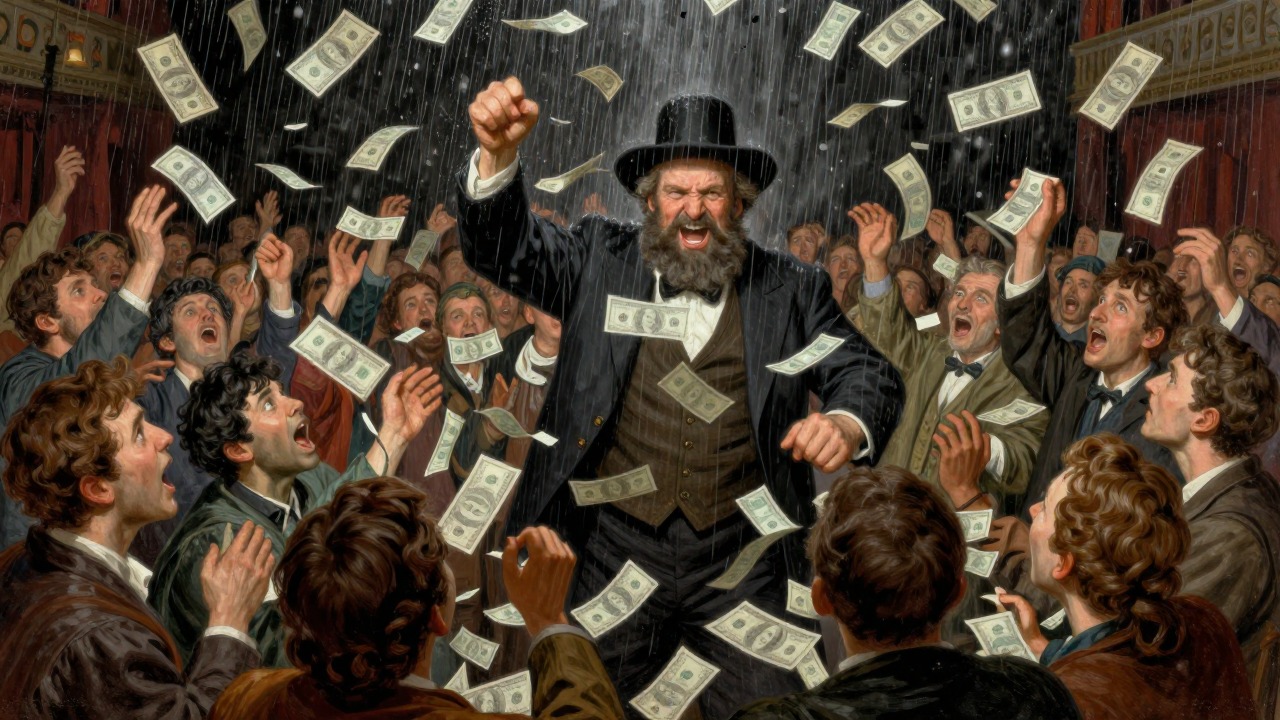
The Greedy Crowd
The Shower of Money
Koroviev causes a rain of banknotes in the theatre. The audience scrambles to collect the money. They are consumed by greed.
The Exposure
The money is later revealed to be fake, but the greed is real. The scene satirizes the desire for easy wealth.
The Commentary
Woland observes that people love money, no matter what it is made of. The novel criticizes the materialism of Soviet society.
The Currency Dealers
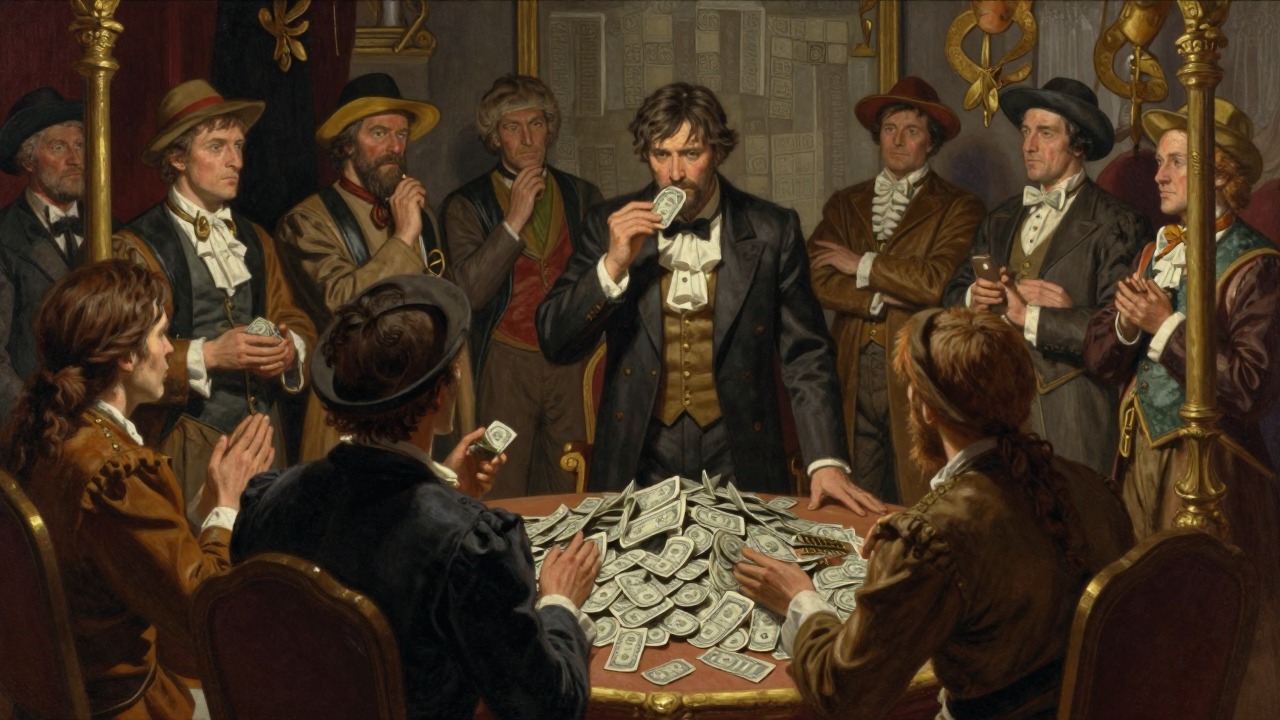
The Dream of Nikanor Ivanovich
The Theatre of Currency
Nikanor Ivanovich's dream shows a theatre where currency dealers are forced to confess. The dream exposes the corruption of the system.
The Real Currency
Currency is a symbol of the state's control. Those who hoard it are punished. The novel satirizes the obsession with money.
The Hypocrisy
The officials are corrupt, but they pretend to be virtuous. The devil's exposure reveals the truth.
The Bribe
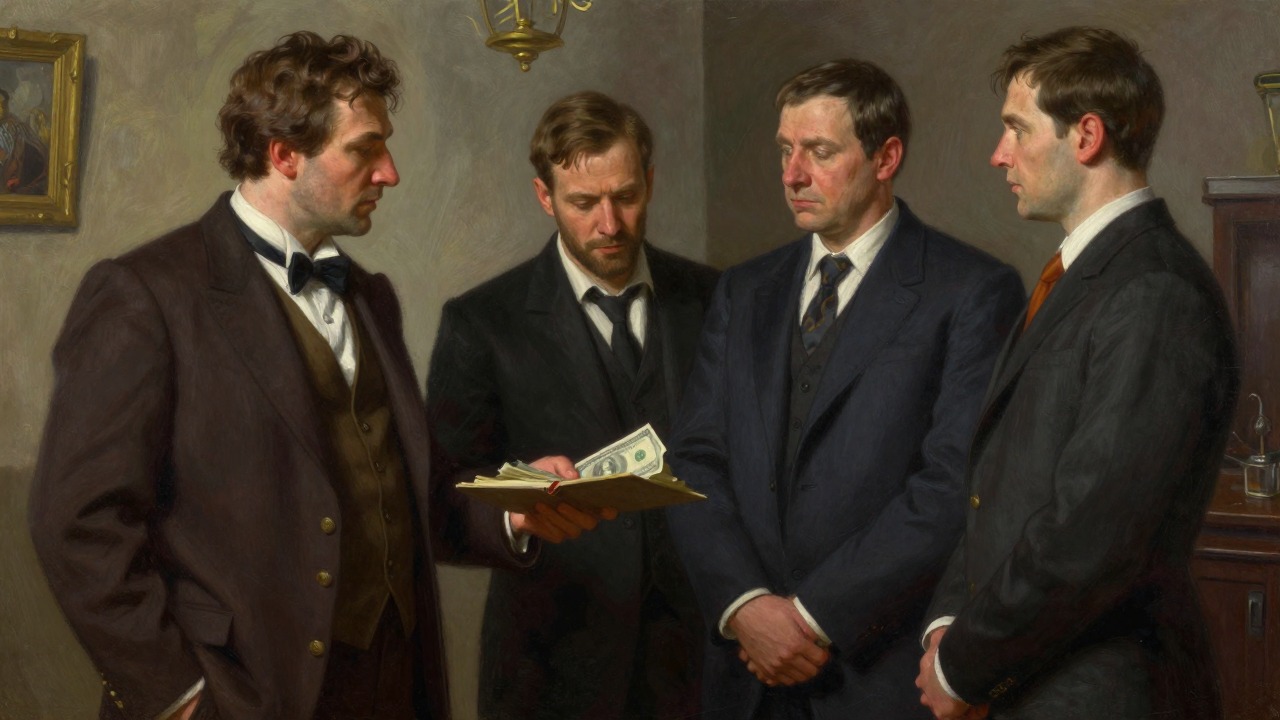
The Corruption
The Offer
Koroviev bribes Nikanor Ivanovich with dollars. The chairman accepts, thinking it is a simple transaction. He is caught because of his greed.
The Arrest
Nikanor Ivanovich is arrested. His greed leads to his downfall. The novel shows that corruption is endemic in the system.
The Lesson
Greed is a vice that is punished. The devil's justice is harsh but fair. The theme of greed is a critique of human weakness.
During the seance
Throughout the Moscow story
Morning after Berlioz's death
